Director Names Starting with D
Showing 109-120 out of 283

David Hackl
David Hackl is a Canadian film director known for his work in the horror and thriller genres, with a distinct flair for creating intense and visually captivating cinematic experiences. Hackl made his directorial debut with "Saw V" (2008), the fifth installment in the iconic "Saw" franchise. His adept handling of tension-building and penchant for visceral storytelling made a significant impact on the horror genre, solidifying his reputation as a director with a keen eye for the macabre. In "Saw V," Hackl demonstrated his ability to craft a gripping narrative within the confines of the horror genre, showcasing his prowess in creating an atmosphere of dread and suspense. His directorial style in this film brought a fresh perspective to the franchise, earning praise from both fans and critics alike for his ability to infuse the story with a sense of impending doom and psychological terror. Hackl's directorial range expanded with "Into the Grizzly Maze" (2015), a departure from the horror genre into the realm of action, adventure, and drama. This film showcased his versatility as a director, as he adeptly navigated the challenges of a different genre while maintaining his signature penchant for high-stakes storytelling and visually arresting scenes. Throughout his career, Hackl has exhibited a recurring theme of delving into the darker aspects of human nature, often exploring the depths of fear, survival, and the human psyche. His films are characterized by their unflinching portrayal of visceral thrills and the exploration of primal instincts, creating a lasting impact on audiences and cementing his status as a director unafraid to push the boundaries of storytelling in cinema. David Hackl's contributions to the film industry have left an indelible mark on the horror and thriller genres, with his unique vision and directorial prowess setting him apart as a filmmaker with a distinct ability to immerse audiences in heart-pounding narratives. As he continues to expand his directorial repertoire, his influence on cinema is sure to endure, solidifying his status as a director to watch in the ever-evolving landscape of filmmaking.
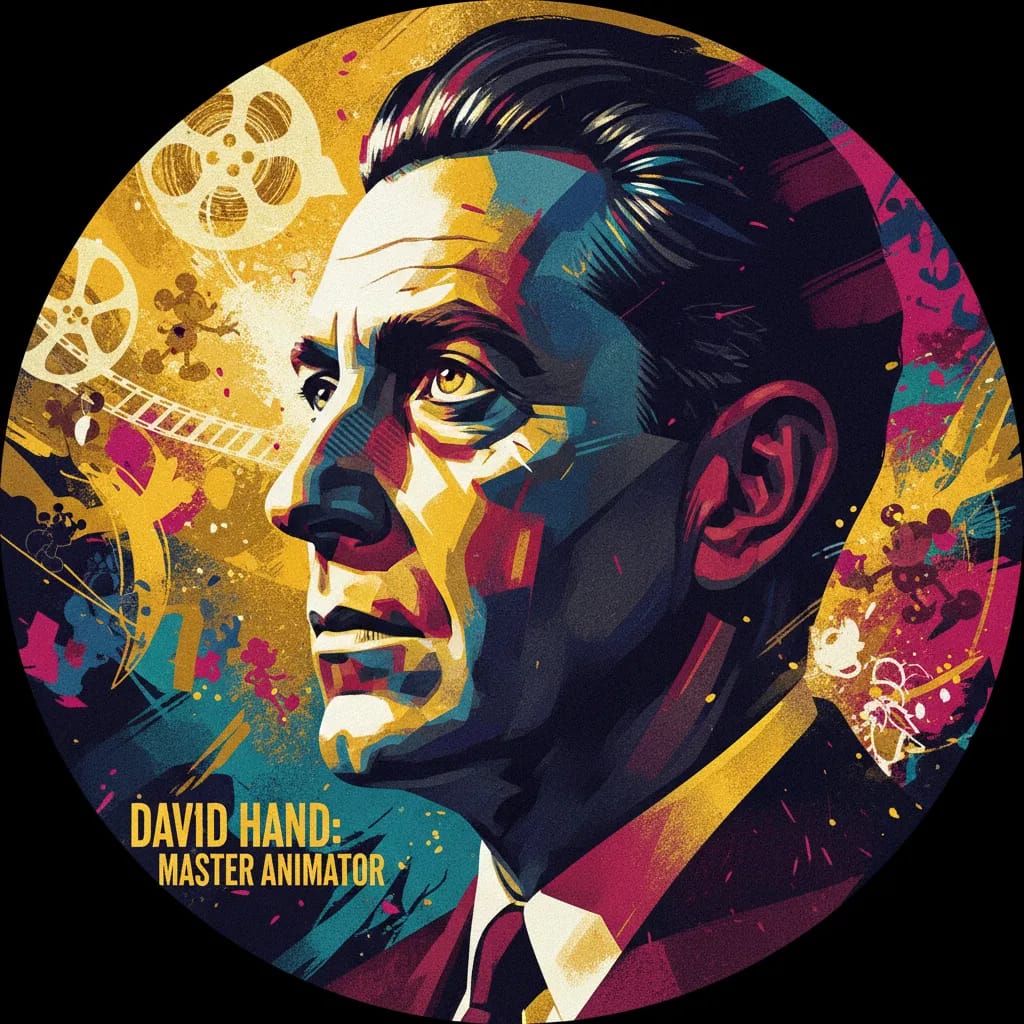
David Hand
David Hand was a pioneering British film director, best known for his groundbreaking work in animation. With a career spanning over four decades, Hand's directorial style and innovative storytelling have left an indelible mark on the world of cinema. His notable films include "Snow White and the Seven Dwarfs" (1937), "Bambi" (1942), and "The Sword in the Stone" (1963), which have become timeless classics in the animation genre. Hand's directorial style was characterized by his meticulous attention to detail, emotive storytelling, and the ability to create endearing characters that resonate with audiences across generations. His work on "Snow White and the Seven Dwarfs" marked a pivotal moment in cinematic history as it was the first full-length cel-animated feature film, setting the standard for animated storytelling. Hand's direction brought to life the enchanting world of Snow White and her seven lovable dwarfs, showcasing his mastery in creating immersive and visually stunning narratives. Throughout his career, Hand's films often explored themes of resilience, friendship, and the triumph of good over evil. His ability to infuse depth and emotion into animated characters paved the way for a new era of storytelling in animation, influencing generations of filmmakers and animators. His directorial contributions have had a profound impact on the evolution of animation as an art form, inspiring subsequent directors to push the boundaries of creativity and storytelling in the medium. David Hand's legacy as a director continues to resonate in the world of cinema, with his films remaining timeless classics that continue to captivate audiences worldwide. His pioneering work in animation and his ability to blend technical innovation with heartfelt storytelling solidify his status as a visionary director whose influence will be felt for generations to come. In conclusion, David Hand's directorial career was defined by his ability to elevate animation to new heights, creating enduring classics that continue to enchant audiences. His unique vision and contributions to the film industry have cemented his status as a trailblazing director, leaving an indelible legacy in the world of cinema.

David Hayter
David Hayter is a multifaceted talent in the entertainment industry, having achieved success as a screenwriter, voice actor, and director. Following his notable work in screenwriting, including the iconic "X-Men" and "Watchmen" adaptations, Hayter made his directorial debut with the 2014 action-packed film "Wolves." The movie, which seamlessly blends elements of action, fantasy, and horror, showcases Hayter's directorial flair and his ability to navigate diverse genres. In "Wolves," Hayter exhibits a distinctive directorial style characterized by intense action sequences, imaginative world-building, and an adept handling of supernatural elements. His skillful direction brings to life a compelling narrative that captivates audiences with its gripping storytelling and visually stunning scenes. Hayter's directorial vision is evident in his meticulous attention to detail, creating a visually striking and immersive cinematic experience for viewers. Throughout his career, Hayter has demonstrated a penchant for exploring themes of identity, transformation, and the struggle between humanity and the supernatural. These recurring motifs are prevalent in "Wolves," where Hayter masterfully weaves them into the fabric of the film, adding depth and complexity to the storyline. His directorial prowess lies in his ability to infuse his projects with thought-provoking themes while delivering high-octane entertainment. Hayter's impact on cinema stems from his ability to push creative boundaries and offer audiences a fresh perspective through his directorial endeavors. His foray into directing with "Wolves" signifies a new chapter in his illustrious career, solidifying his status as a versatile filmmaker with a unique vision. As a director, Hayter continues to leave an indelible mark on the industry, captivating audiences with his innovative storytelling and visually arresting filmmaking. In conclusion, David Hayter's directorial debut with "Wolves" marks a significant milestone in his career, showcasing his directorial prowess and distinctive style. With a keen eye for blending genres and exploring compelling themes, Hayter's impact on cinema is undeniable. His directorial vision and contributions to the film industry position him as a noteworthy talent, and his future directorial endeavors are eagerly anticipated by audiences and critics alike.

David Jacobson
David Jacobson is an American film director known for his thought-provoking and emotionally intense storytelling. With a career spanning over two decades, Jacobson has left an indelible mark on cinema with his unique directorial style and compelling narratives. His notable films include "Dahmer" (2002) and "Down in the Valley" (2005), both of which showcase his penchant for delving into the complexities of human psychology and behavior. In "Dahmer," Jacobson offers a chilling portrayal of the infamous serial killer Jeffrey Dahmer, delving into the psyche of the murderer and exploring the events that led to his heinous crimes. The film is a haunting exploration of the dark recesses of the human mind, showcasing Jacobson's ability to craft a psychologically gripping narrative. "Down in the Valley," on the other hand, delves into themes of love, identity, and societal alienation, further establishing Jacobson's versatility as a director. Jacobson's directorial style is characterized by his meticulous attention to character development and his ability to create an immersive atmosphere that draws audiences into the emotional core of his stories. His films often feature morally complex characters grappling with internal conflicts, resulting in narratives that are as emotionally resonant as they are thought-provoking. Throughout his career, Jacobson has demonstrated a commitment to exploring the human condition with unflinching honesty, often challenging audiences to confront uncomfortable truths about the darker aspects of society. His films have earned critical acclaim for their raw authenticity and powerful storytelling, cementing Jacobson's reputation as a director unafraid to tackle challenging subject matter. David Jacobson's impact on cinema lies in his ability to create films that provoke introspection and spark meaningful dialogue. His body of work stands as a testament to the enduring power of cinema to illuminate the complexities of the human experience, solidifying his status as a visionary director whose storytelling resonates long after the credits roll.

David J. Burke
David J. Burke is a renowned film director known for his distinctive style and impactful contributions to cinema. With a career spanning several decades, Burke has left an indelible mark on the industry through his directorial prowess and unique vision. His notable film, "Edison" (2005), is a compelling testament to his ability to craft gripping narratives within the action, crime, and drama genres. Burke's directorial style is characterized by a keen attention to detail, immersive storytelling, and a penchant for delving into the complexities of human nature. His films often feature intense and thought-provoking themes, drawing audiences into the intricate web of moral dilemmas, ethical quandaries, and the gritty realities of the world. Burke's ability to infuse his work with a palpable sense of tension and emotional depth has solidified his reputation as a director with a distinct voice and a penchant for pushing cinematic boundaries. "Edison" (2005) stands as a testament to Burke's directorial prowess, showcasing his ability to navigate the nuances of the action, crime, and drama genres with finesse. The film's gripping narrative, coupled with Burke's deft direction, firmly established it as a standout in his filmography. Through "Edison," Burke adeptly explores the themes of corruption, power struggles, and the pursuit of justice, offering audiences a compelling and immersive cinematic experience. Burke's impact on cinema is undeniable, as his work continues to resonate with audiences and industry peers alike. His ability to craft narratives that resonate on both an emotional and intellectual level has cemented his status as a director of formidable talent. With a career defined by thought-provoking storytelling and a commitment to pushing creative boundaries, David J. Burke remains a celebrated figure in the world of filmmaking, with a legacy that continues to inspire and captivate audiences around the globe. In conclusion, David J. Burke's directorial career is a testament to his unwavering commitment to storytelling and his ability to craft compelling narratives that leave a lasting impression. Through his notable film "Edison" (2005) and beyond, Burke has solidified his place as a director with a unique vision and an enduring impact on the world of cinema. His work stands as a compelling testament to the power of storytelling and the enduring influence of a director dedicated to pushing creative boundaries.

David Jung
David Jung is a talented filmmaker known for his work in the horror genre. He made his directorial debut with the chilling supernatural horror film, "The Possession of Michael King" in 2014. This film garnered attention for its intense and terrifying portrayal of a man's descent into darkness while exploring the occult. Jung's directorial style in "The Possession of Michael King" showcased his ability to create a palpable sense of dread and unease, earning him recognition as a promising director in the horror genre. Jung's directorial approach is characterized by his skillful use of atmospheric tension, psychological horror, and supernatural elements to immerse audiences in his terrifying cinematic worlds. His ability to elicit fear and suspense from viewers has solidified his reputation as a director with a knack for delivering spine-tingling experiences on screen. "The Possession of Michael King" stands as a testament to Jung's proficiency in crafting haunting narratives and eliciting genuine scares, firmly establishing him as a director to watch in the horror genre. With his debut film, Jung delved into the exploration of the human psyche and the unknown, showcasing his penchant for delving into the darker aspects of human nature and the supernatural. Jung's filmography may be limited at this time, but his impact on horror cinema is undeniable. His ability to craft immersive and terrifying experiences has garnered him a dedicated following among horror enthusiasts, and his directorial contributions have left a lasting impression on the genre. As David Jung continues to hone his craft and expand his directorial repertoire, audiences eagerly anticipate his future projects, eager to experience his unique vision and the spine-chilling narratives for which he has become known. With his distinct directorial style and unwavering commitment to delivering terrifying tales, Jung is poised to make a lasting mark on the horror genre and solidify his status as a directorial force to be reckoned with in the world of cinema.

David Kerr
David Kerr is a British filmmaker known for his work in the action-comedy genre. His most notable directorial credit is "Johnny English Strikes Again" (2018), which starred Rowan Atkinson as the bumbling yet lovable secret agent. Kerr brought his unique directorial style to the film, infusing it with fast-paced action sequences, clever comedic timing, and an adventurous spirit that resonated with audiences worldwide. Kerr's directorial approach is characterized by a keen eye for blending action and comedy, creating an exhilarating and entertaining cinematic experience. His ability to balance high-stakes action with laugh-out-loud humor has set him apart as a director with a distinct vision and storytelling prowess. "Johnny English Strikes Again" exemplifies Kerr's knack for infusing larger-than-life action sequences with a comedic sensibility, making it a standout in his filmography. The film's success solidified Kerr's position as a director capable of delivering crowd-pleasing entertainment while maintaining a sharp directorial focus. Throughout his career, Kerr has consistently explored themes of espionage, adventure, and the juxtaposition of wit and action. His films often feature charismatic protagonists navigating high-stakes scenarios with a touch of humor, creating a signature blend that has resonated with audiences. Kerr's impact on cinema lies in his ability to craft films that seamlessly combine action and comedy, appealing to a wide range of viewers. His unique directorial style has contributed to the evolution of the action-comedy genre, cementing his status as a filmmaker with a distinct voice in the industry. As Kerr continues to shape his directorial legacy, audiences can anticipate more innovative and entertaining films that showcase his unparalleled talent for blending adrenaline-pumping action with side-splitting humor.

David Koepp
David Koepp is a prolific American filmmaker known for his diverse range of directorial works spanning various genres. With a career characterized by a penchant for crafting compelling narratives and striking visuals, Koepp has left an indelible mark on the film industry. His directorial debut came with the chilling and thought-provoking supernatural thriller "Stir of Echoes" in 1999, which showcased his ability to create an atmosphere of suspense and intrigue. This film established Koepp as a director to watch, setting the stage for a successful career in the industry. One of Koepp's most notable directorial works is "Ghost Town" (2008), a heartwarming comedy-drama infused with elements of fantasy. The film exhibits Koepp's adeptness at blending humor with poignant storytelling, marking a departure from his earlier foray into the thriller genre. "Premium Rush" (2012) further showcased Koepp's directorial versatility, delving into the world of high-octane action and crime. His adept handling of adrenaline-pumping sequences and dynamic storytelling cemented his status as a director capable of navigating diverse genres with finesse. Koepp's filmography also includes "Secret Window" (2004), a gripping mystery-thriller that underscored his skill in crafting taut, suspenseful narratives. Additionally, "You Should Have Left" (2020) demonstrated Koepp's mastery of the horror-thriller genre, as he expertly wove a tale of psychological terror and suspense. In "Mortdecai" (2015), Koepp ventured into the realm of action-adventure comedy, showcasing his ability to infuse lighthearted humor into the narrative while maintaining a visually captivating directorial style. Throughout his career, Koepp has exhibited a penchant for exploring themes of mystery, suspense, and the human psyche, often delving into the darker aspects of the human experience. His keen understanding of storytelling mechanics and visual storytelling has contributed to his enduring impact on the cinematic landscape. As a director, Koepp's unique vision and ability to seamlessly navigate between genres have solidified his position as a versatile and influential filmmaker in the industry. In summary, David Koepp's directorial career is defined by a diverse and impactful body of work, marked by a mastery of various genres and a distinct directorial style. His ability to craft compelling narratives and evoke powerful emotions on screen has made him a

David L. Cunningham
David L. Cunningham is an American film director known for his distinct directorial style and his ability to bring gripping stories to life on the silver screen. With a career spanning several decades, Cunningham has left an indelible mark on the film industry with his unique vision and storytelling prowess. His notable films include "To End All Wars" (2001) and "The Seeker: The Dark Is Rising" (2007), showcasing his versatility in crafting compelling narratives across different genres. Cunningham's directorial style is characterized by his adeptness at capturing the human experience within the backdrop of intense, often tumultuous settings. In "To End All Wars," he delves into the harrowing realities of war and the resilience of the human spirit, showcasing his ability to infuse depth and emotion into his storytelling. Meanwhile, "The Seeker: The Dark Is Rising" highlights Cunningham's talent for bringing fantastical worlds to life, weaving together elements of adventure, drama, and family dynamics with finesse. Throughout his career, Cunningham has explored recurring themes such as the triumph of the human spirit, the complexities of morality, and the enduring power of hope. His films often delve into the depths of the human psyche, offering audiences thought-provoking narratives that resonate on a profound level. Cunningham's impact on cinema lies in his commitment to portraying authentic and emotive storytelling, captivating audiences with his ability to evoke raw emotions and provoke introspection. As a director, Cunningham has carved a niche for himself by fearlessly tackling challenging subject matter and infusing his films with a sense of poignancy and urgency. His dedication to bringing powerful narratives to the forefront has cemented his status as a visionary director whose contributions to the film industry continue to resonate with audiences worldwide. Through his evocative storytelling and keen directorial eye, Cunningham has solidified his place as a filmmaker who fearlessly explores the depths of the human experience, leaving an indelible mark on cinema. In conclusion, David L. Cunningham's directorial career is a testament to his ability to craft compelling narratives that delve into the complexities of the human condition. With a diverse filmography that spans across genres, his impact on cinema is evident through his unwavering commitment to authentic storytelling and his ability to elicit profound emotional responses from audiences. Cunningham's unique vision and directorial prowess have firmly established him as a filmmaker whose contributions continue to resonate within the fabric of the film industry.
David Lean
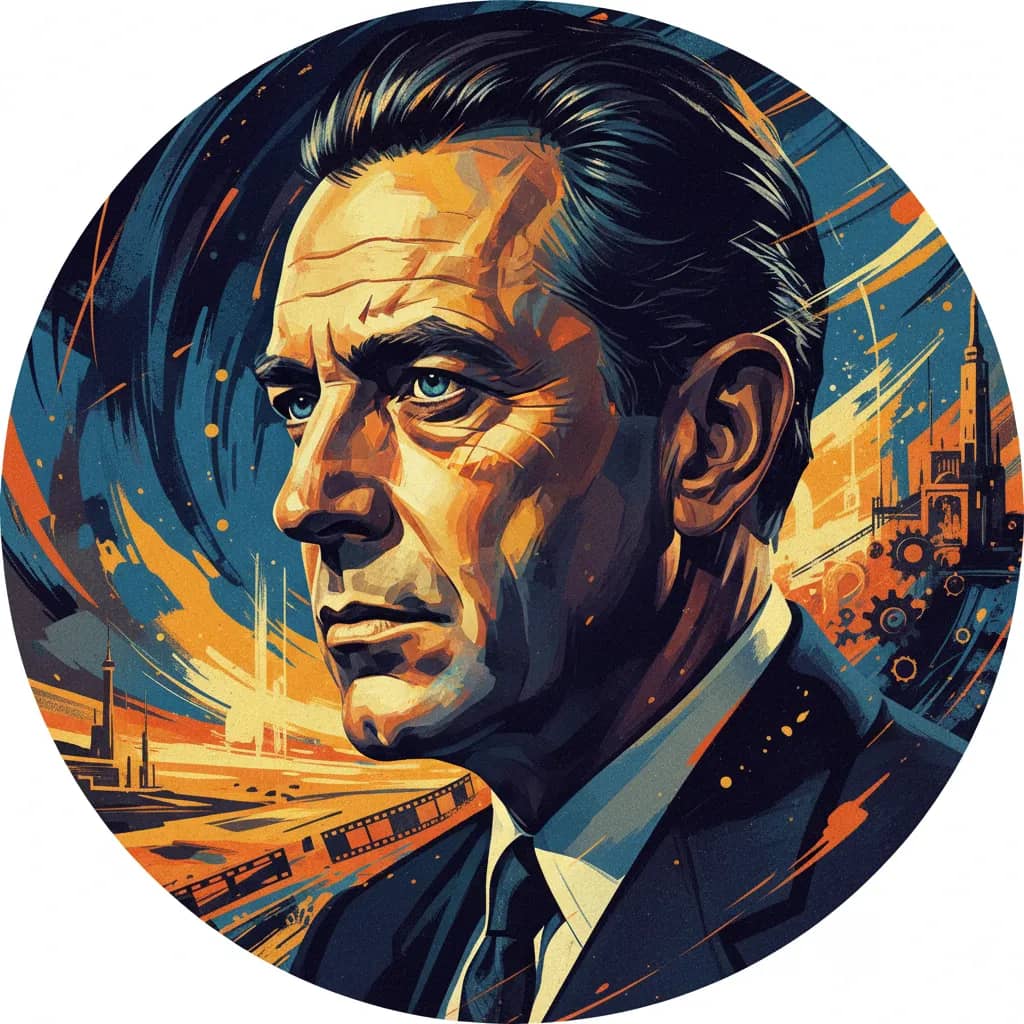
David Lean was a visionary British film director known for his epic storytelling, meticulous attention to detail, and sweeping cinematography. His directorial career spanned over five decades, leaving an indelible mark on the world of cinema. Lean's films often explored themes of love, war, and human resilience, set against the backdrop of historical and exotic locales. One of Lean's most celebrated works is "Lawrence of Arabia" (1962), a sprawling epic that garnered widespread acclaim for its breathtaking desert landscapes and compelling portrayal of T.E. Lawrence's journey. The film's grand scale and innovative use of widescreen technology solidified Lean's reputation as a master of visual storytelling. "The Bridge on the River Kwai" (1957) further showcased Lean's ability to craft compelling narratives within the war genre, earning him widespread accolades, including seven Academy Awards, including Best Director. Lean's directorial style was characterized by his ability to seamlessly blend intimate character-driven stories with grand historical backdrops. His attention to detail and penchant for capturing the human experience amidst larger-than-life settings set him apart as a director with a unique vision. "Brief Encounter" (1945) exemplifies Lean's mastery in depicting the complexities of human emotions within the constraints of societal norms, while "Doctor Zhivago" (1965) delved into the tumultuous romance amidst the backdrop of the Russian Revolution. With "A Passage to India" (1984), Lean continued to showcase his prowess in adapting literary works to the silver screen, bringing to life E.M. Forster's novel with his signature grandeur and emotional depth. His films have left an enduring impact on cinema, influencing generations of filmmakers and captivating audiences with their timeless storytelling and visual splendor. David Lean's legacy as a director continues to inspire and resonate with cinephiles and aspiring filmmakers alike, cementing his status as a true luminary of the silver screen. In summary, David Lean's directorial career is a testament to his unparalleled ability to craft visually stunning narratives that transcend time and genre. His films remain a testament to his enduring legacy as a director who pushed the boundaries of cinematic storytelling, leaving an indelible mark on the history of cinema. Lean's unique vision, meticulous craftsmanship, and ability to evoke powerful emotions through his work solidify his place as one of the most influential directors in the annals of film history.
David Leitch
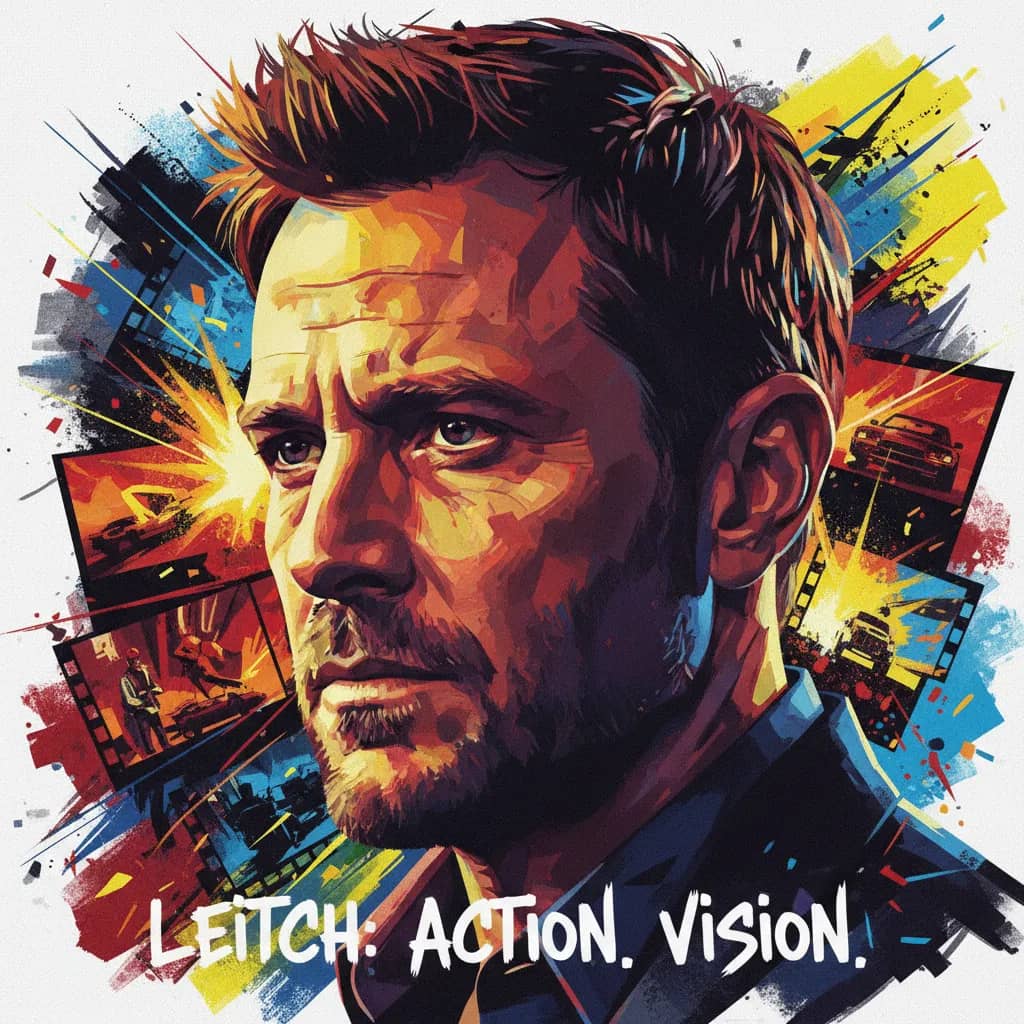
David Leitch is a renowned film director known for his exhilarating action sequences and stylish storytelling. With a background in stunt work and coordinating, Leitch's directorial style is characterized by his meticulous attention to detail and penchant for crafting visually stunning and adrenaline-pumping action scenes. His filmography boasts an impressive array of high-octane blockbusters, including "Deadpool 2" (2018), "Fast & Furious Presents: Hobbs & Shaw" (2019), "Atomic Blonde" (2017), and the upcoming "Bullet Train" (2022). Leitch's directorial debut with "Atomic Blonde" immediately established him as a force to be reckoned with in the action genre. Known for his ability to seamlessly blend intense action with compelling storytelling, Leitch's films often feature complex characters navigating high-stakes situations against a backdrop of breathtaking set pieces. His work on "Deadpool 2" and "Hobbs & Shaw" further solidified his reputation as a master of blockbuster entertainment, with his keen eye for choreography and dynamic camera work elevating the action genre to new heights. One of Leitch's recurring themes is the exploration of the human spirit amidst chaos and adversity. His films often delve into the psychology of his characters, showcasing their resilience and determination in the face of overwhelming odds. This thematic depth, combined with his signature kinetic action, has garnered Leitch a dedicated fan base and critical acclaim. Leitch's impact on cinema is undeniable, as he continues to push the boundaries of action filmmaking while captivating audiences worldwide. His unique vision and ability to infuse heart-pounding action with compelling storytelling have cemented his status as a sought-after director in the industry. With "Bullet Train" on the horizon, audiences can expect Leitch to once again deliver a thrilling and immersive cinematic experience that showcases his unparalleled talent for crafting adrenaline-fueled spectacles. In summary, David Leitch's directorial career is defined by his masterful command of action cinema, with a distinct flair for storytelling and character development. His films stand as a testament to his unparalleled skill in creating visually stunning and emotionally resonant experiences, solidifying his status as a visionary director in the realm of blockbuster filmmaking.

David Leveaux
David Leveaux is a talented director known for his work in theater and film. With a career spanning decades, Leveaux has made a name for himself by bringing thought-provoking narratives to the screen, often delving into historical and wartime themes. His notable film, "The Exception" (2016), is a captivating blend of drama, romance, and war, showcasing Leveaux's ability to craft compelling stories set against the backdrop of significant historical events. Leveaux's directorial style is characterized by its attention to detail and emotional depth. He has a keen eye for capturing the complexities of human relationships, often infusing his films with a sense of intimacy and vulnerability. In "The Exception," Leveaux skillfully weaves together a romantic narrative within the tumultuous setting of World War II, demonstrating his ability to balance grand historical events with the personal struggles of his characters. Throughout his career, Leveaux has shown a propensity for exploring themes of love, duty, and moral conflict, often set against the backdrop of war. His films often delve into the human experience during times of upheaval, offering audiences a window into the emotional and psychological impact of historical events. "The Exception" serves as a prime example of Leveaux's commitment to exploring the complexities of love and loyalty in the midst of war, earning him acclaim for his nuanced approach to storytelling. Leveaux's impact on cinema lies in his ability to bring lesser-known historical narratives to the forefront, shedding light on the personal stories that unfold within broader historical contexts. His dedication to capturing the human experience in times of crisis has resonated with audiences, cementing his reputation as a director with a unique vision and a profound understanding of the human condition. As he continues to evolve as a filmmaker, audiences can anticipate further thought-provoking narratives and impactful storytelling from this accomplished director.