Director Names Starting with C
Showing 121-132 out of 218

Christian Rivers
Christian Rivers is a New Zealand-born director renowned for his visionary approach to filmmaking. He initially made a name for himself as a visual effects artist and storyboard illustrator, working alongside acclaimed director Peter Jackson on The Lord of the Rings and The Hobbit trilogies. Rivers' directorial debut came with the 2018 action-adventure fantasy film Mortal Engines, which showcased his distinctive directorial style and earned him widespread recognition in the industry. In Mortal Engines, Rivers demonstrated his proficiency in crafting visually stunning and immersive cinematic experiences. His directorial style is characterized by a seamless blend of intricate world-building, high-octane action sequences, and compelling storytelling. The film's post-apocalyptic setting and visually striking steampunk aesthetic exemplify Rivers' penchant for creating rich, fantastical universes that captivate audiences. Rivers' directorial debut with Mortal Engines marked a significant milestone in his career, solidifying his position as a director with a distinct creative vision. The film's ambitious scope and visually arresting sequences underscore Rivers' commitment to pushing the boundaries of cinematic storytelling. His ability to seamlessly integrate cutting-edge visual effects with compelling narratives has set him apart as a director with a keen eye for spectacle and innovation. Throughout his career, Rivers has consistently demonstrated a proclivity for exploring themes of resilience, heroism, and the resilience of the human spirit in the face of adversity. His directorial approach often delves into the complexities of human nature and the enduring quest for hope in the midst of turmoil. With Mortal Engines, Rivers showcased his ability to infuse larger-than-life narratives with emotional depth and thematic resonance, cementing his status as a director capable of delivering thought-provoking and visually stunning cinematic experiences. Christian Rivers' directorial debut with Mortal Engines heralded the arrival of a filmmaker with a distinctive voice and an unwavering commitment to pushing the boundaries of storytelling. His visionary approach to world-building, coupled with his adeptness at crafting exhilarating action sequences, has positioned him as a director to watch in the realm of fantasy and adventure cinema. As he continues to chart new territories in filmmaking, Rivers' impact on the industry is poised to endure, leaving an indelible mark on the cinematic landscape for years to come.

Christian Schwochow
Christian Schwochow is a German film director known for his thought-provoking and visually stunning works that delve into the complexities of human nature and societal dynamics. His latest directorial venture, "Munich: The Edge of War" (2021), exemplifies his knack for bringing historical narratives to life with a contemporary sensibility. Schwochow's directorial style is characterized by meticulous attention to detail, striking cinematography, and a keen understanding of character psychology. In "Munich: The Edge of War," Schwochow masterfully captures the tension and political intrigue leading up to World War II, showcasing his ability to blend historical accuracy with compelling storytelling. The film serves as a testament to his commitment to exploring pivotal moments in history through a cinematic lens, resonating with audiences on both an emotional and intellectual level. Schwochow's filmography boasts a diverse range of genres, including biography, drama, and history, showcasing his versatility as a director. His body of work often delves into themes of power dynamics, personal identity, and the impact of historical events on individual lives. Notable films such as "November Child" (2008) and "West" (2013) have garnered critical acclaim for their evocative storytelling and nuanced character development, cementing Schwochow's reputation as a director with a keen eye for human emotion and societal commentary. Throughout his career, Schwochow has made significant contributions to the world of cinema, earning accolades for his ability to infuse historical narratives with contemporary relevance. His distinct directorial vision and commitment to storytelling have left an indelible mark on the film industry, inspiring audiences and fellow filmmakers alike. As Christian Schwochow continues to push boundaries and challenge conventions in his work, his impact on cinema remains a testament to the enduring power of storytelling through the lens of a visionary director.
Christian Volckman
Christian Volckman is a French director known for his groundbreaking work in the realm of animation, particularly in the film "Renaissance" (2006). Volckman's directorial style is characterized by his innovative use of motion capture technology to create a visually stunning and immersive experience for audiences. His meticulous attention to detail and commitment to pushing the boundaries of animation has established him as a visionary in the industry. "Renaissance" marked Volckman's directorial debut and made a significant impact on the world of animation and sci-fi cinema. The film's striking black-and-white visuals, coupled with a gripping narrative set in a futuristic Paris, showcased Volckman's ability to seamlessly blend action and science fiction elements with a noir aesthetic. The result was a visually arresting and intellectually stimulating film that captivated audiences and critics alike. One of Volckman's recurring themes is the exploration of the human condition within futuristic and dystopian settings. His films often delve into the complexities of human emotion and morality against the backdrop of advanced technology and societal upheaval. This thematic depth, coupled with his innovative approach to animation, has solidified Volckman's reputation as a director with a unique and thought-provoking vision. Volckman's impact on cinema extends beyond his directorial achievements. His pioneering use of motion capture technology in "Renaissance" paved the way for a new wave of animated filmmaking, inspiring filmmakers to explore the possibilities of this technique in creating visually stunning and immersive worlds. As a result, Volckman's contributions have left an indelible mark on the animation genre and continue to influence the next generation of filmmakers. In conclusion, Christian Volckman's career is defined by his unwavering commitment to pushing the boundaries of animation and storytelling. His directorial style, characterized by visually striking imagery and thought-provoking narratives, has cemented his status as a visionary in the industry. With "Renaissance" as a testament to his talent and innovation, Volckman's impact on cinema is undeniable, and his contributions continue to shape the landscape of animated filmmaking.

Christian Zübert
Christian Zübert is a prominent German director known for his captivating storytelling and keen eye for blending humor with compelling narratives. His breakthrough film, "Lammbock" (2001), immediately put him on the map as a director to watch. This comedy-crime film, which follows the misadventures of two stoner friends who operate a pizza delivery service as a front for their marijuana business, showcased Zübert's ability to infuse dark humor with genuine emotional depth. The film's success established Zübert as a director with a distinct voice in the industry. Zübert's directorial style is characterized by his adeptness at capturing the complexities of human relationships and the human experience. His films often delve into the intricacies of friendship, love, and personal growth, while maintaining a lighthearted and comedic tone. Zübert's storytelling is marked by a refreshing blend of wit, heart, and social commentary, making his films resonate with audiences on a profound level. In addition to "Lammbock," Zübert has continued to leave his mark on German cinema with a string of critically acclaimed films. His directorial efforts have consistently garnered praise for their sharp dialogue, memorable characters, and thought-provoking themes. Zübert's work reflects a deep understanding of the human condition, and his ability to infuse even the most challenging topics with humor and humanity is a testament to his skill as a director. Zübert's impact on cinema lies in his unwavering commitment to crafting stories that entertain, challenge, and inspire. His unique blend of comedy and drama has set him apart as a director capable of eliciting genuine emotion while keeping audiences thoroughly entertained. As he continues to create thought-provoking and entertaining films, Christian Zübert remains a director whose work is eagerly anticipated by cinephiles and casual moviegoers alike.

Christine Crokos
Christine Crokos is a dynamic and multi-talented filmmaker known for her compelling storytelling and visually stunning directorial style. Her notable work includes the 2018 film "Pimp," a powerful and gritty drama that delves into the underground world of urban sex work. With a keen eye for detail and an unflinching approach to storytelling, Crokos brings a raw authenticity to her films that captivates audiences and challenges societal norms. In "Pimp," Crokos explores the complex relationships and struggles of characters navigating a world filled with danger, love, and survival. Her directorial style is characterized by a bold and unapologetic approach, fearlessly tackling sensitive subject matter with empathy and insight. Through her unique vision, Crokos sheds light on the human experience and the resilience of individuals facing adversity, drawing audiences into the emotional depths of her characters' journeys. Crokos' work often centers on themes of empowerment, identity, and the human spirit, creating a signature blend of raw emotion and unflinching honesty. Her impact on cinema is felt through her dedication to amplifying underrepresented voices and shedding light on marginalized communities, using her platform to spark meaningful conversations and evoke empathy in her audiences. As a visionary director, Christine Crokos continues to push boundaries and challenge conventions, leaving an indelible mark on the film industry. Her commitment to authenticity and her fearless exploration of the human experience make her a standout talent in the world of cinema, and her work serves as a testament to the power of storytelling to provoke thought and inspire change. With a promising career ahead, Crokos is poised to continue shaping the landscape of film with her unique perspective and unwavering dedication to amplifying diverse narratives.
Christine Jeffs
Christine Jeffs is a New Zealand-born film director known for her distinct visual style and intimate storytelling. With a career spanning over two decades, Jeffs has made a significant mark in the world of cinema with her emotionally resonant films. Her directorial debut came with "Rain" (2001), a critically acclaimed coming-of-age drama that showcased her keen eye for capturing the complexities of human relationships. However, it was with "Sylvia" (2003) that Jeffs garnered international attention. The biographical drama, starring Gwyneth Paltrow and Daniel Craig, explored the turbulent life of poet Sylvia Plath, demonstrating Jeffs' ability to delve into the psyche of her characters with sensitivity and depth. In "Sunshine Cleaning" (2008), Jeffs demonstrated her versatility by helming this offbeat comedy-drama with a stellar cast including Amy Adams and Emily Blunt. The film, which follows two sisters who start a crime scene clean-up business, showcased Jeffs' ability to infuse poignant moments with touches of humor, solidifying her reputation as a director capable of navigating diverse genres with finesse. Jeffs' directorial style is characterized by her meticulous attention to detail, evocative visuals, and a profound understanding of human emotions. Her films often explore themes of self-discovery, resilience, and the complexities of familial relationships, resonating with audiences on a deeply personal level. Throughout her career, Christine Jeffs has left an indelible impact on cinema with her ability to craft visually stunning narratives that resonate on an emotional level. Her films have garnered critical acclaim and accolades, solidifying her status as a director with a unique and compelling vision. Jeffs' work continues to inspire aspiring filmmakers and captivate audiences with its authenticity and emotional depth. With a penchant for capturing the human experience in all its intricacies, Christine Jeffs stands as a luminary in the world of cinema, leaving an enduring legacy through her remarkable body of work.

Christoffer Boe
Christoffer Boe is a Danish director known for his distinctive style and unique approach to storytelling. After studying at the National Film School of Denmark, Boe burst onto the international film scene with his debut feature, "Reconstruction" (2003), which won the esteemed Camera d'Or at the Cannes Film Festival. This early success established Boe as a visionary filmmaker with a penchant for intricately woven narratives and visually striking storytelling. Boe's directorial style is characterized by a blend of psychological depth, intricate plot structures, and a keen eye for visual composition. His films often delve into the human psyche, exploring themes of identity, memory, and the nature of reality. Boe's meticulous attention to detail and his ability to craft thought-provoking narratives have earned him a reputation as a director with a distinct and captivating cinematic vision. In 2018, Boe directed "Journal 64," a gripping crime, mystery, and thriller film based on the best-selling book by Jussi Adler-Olsen. The film follows detective Carl Mørck as he investigates a series of mysterious disappearances and uncovers dark secrets hidden within the pages of a journal. Boe's expert direction brought the suspenseful and intricate story to life, earning critical acclaim and further solidifying his reputation as a master storyteller. Boe's impact on cinema extends beyond his individual films, as he has consistently pushed the boundaries of traditional storytelling and challenged audiences to engage with narratives in new and innovative ways. His commitment to crafting emotionally resonant and intellectually stimulating films has made him a revered figure in the world of international cinema. With a career defined by bold creativity and a dedication to cinematic excellence, Christoffer Boe continues to captivate audiences with his unique vision and unparalleled storytelling prowess.
Christophe Barratier
Christophe Barratier is a French film director known for his captivating storytelling and visually stunning films. With a background in music, his directorial style often incorporates a deep appreciation for music and its ability to evoke emotion and drive narratives. Barratier's notable filmography includes "Les Choristes" (2004), also known as "The Chorus" (2004), a heartwarming drama that garnered widespread acclaim for its touching portrayal of a music teacher's impact on troubled students in a boarding school. The film's success firmly established Barratier as a master of weaving music into the fabric of his storytelling, earning him international recognition and critical acclaim. Barratier's directorial style is characterized by his meticulous attention to detail and ability to create emotionally resonant narratives. His films often explore themes of redemption, hope, and the transformative power of music, resonating with audiences on a profound level. "Les Choristes" showcased Barratier's gift for capturing the human experience through music, as he seamlessly integrated musical performances into the film's narrative, elevating the storytelling to a transcendent level. The impact of Barratier's work on cinema is undeniable, as he has contributed to a resurgence of interest in musical dramas and brought attention to the power of music in storytelling. His films have left an indelible mark on audiences, inspiring a new generation of filmmakers to explore the intersection of music and narrative in their work. Barratier's ability to craft emotionally compelling stories has solidified his reputation as a visionary director with a unique ability to transport audiences into the worlds he creates on screen. In summary, Christophe Barratier's directorial career has been defined by his exceptional talent in blending music and storytelling to create deeply moving and unforgettable cinematic experiences. His commitment to exploring the transformative power of music and its ability to connect people on a profound level has established him as a true visionary in the world of cinema. As he continues to captivate audiences with his unique directorial style, Barratier's impact on the film industry is sure to endure for years to come.

Christophe Gans
Christophe Gans is a French film director known for his visually stunning and immersive storytelling. His unique directorial style blends elements of horror, action, and drama, creating a distinctive cinematic experience for audiences. Gans is celebrated for his meticulous attention to detail, striking visuals, and ability to transport viewers into rich and atmospheric worlds. One of Gans' most notable films is "Brotherhood of the Wolf" (2001), a historical action-adventure that captivated audiences with its blend of martial arts, mystery, and period drama. The film showcased Gans' ability to seamlessly integrate different genres and create a compelling narrative with breathtaking visuals. "Silent Hill" (2006), based on the popular video game series, further demonstrated Gans' talent for crafting immersive and terrifying worlds, earning him a reputation as a master of atmospheric horror. Throughout his career, Gans has explored recurring themes such as the intersection of mythology and reality, the duality of human nature, and the power of visuals to convey emotion and narrative. His films often feature strong, multidimensional characters and delve into the darker aspects of human experience, offering thought-provoking insights within the framework of genre storytelling. Gans' impact on cinema is significant, as he has consistently pushed the boundaries of visual storytelling and demonstrated a keen understanding of audience engagement. His ability to weave compelling narratives with stunning imagery has solidified his status as a visionary director with a distinct and influential voice in the world of filmmaking. Gans' films continue to resonate with audiences and fellow filmmakers, cementing his legacy as a director who has left an indelible mark on the cinematic landscape.

Christophe Lourdelet
Christophe Lourdelet is a highly talented director and animator, known for his exceptional work in the animation genre. His most notable films include "Sing" (2016) and its highly anticipated sequel "Sing 2" (2021). Lourdelet has made a significant impact on the film industry through his innovative directorial style and his ability to bring captivating stories to life through animation. Lourdelet's directorial style is characterized by his keen attention to detail, vibrant storytelling, and his ability to create emotionally resonant narratives that appeal to audiences of all ages. In "Sing," Lourdelet masterfully combined elements of comedy, music, and family dynamics to deliver a heartwarming and entertaining film that garnered widespread acclaim. His unique vision and directorial approach have set him apart as a leading force in the animation genre. Notably, Lourdelet's films often explore themes of perseverance, the power of music, and the importance of following one's dreams. Through his storytelling, he has managed to instill valuable life lessons and inspire audiences with his uplifting and relatable narratives. His ability to infuse his films with humor, heart, and memorable characters has solidified his reputation as a director with a distinct and impactful voice in cinema. Lourdelet's contributions to the animation genre have been nothing short of remarkable, as he continues to push the boundaries of storytelling and visual artistry. His work has resonated with audiences worldwide, earning critical acclaim and commercial success. With "Sing 2" on the horizon, Lourdelet's influence on the animation landscape is set to grow even further, solidifying his status as a visionary director whose films leave a lasting impression on audiences. In conclusion, Christophe Lourdelet's directorial career is defined by his exceptional storytelling abilities, his unique directorial style, and his profound impact on the animation genre. With a remarkable filmography and a promising future ahead, Lourdelet's contributions to cinema are testament to his talent and vision as a director. His ability to create immersive, emotionally resonant narratives through animation has positioned him as a trailblazer in the industry, and his work will undoubtedly continue to captivate audiences for years to come.
Christopher Cain
Christopher Cain is a distinguished film director known for his versatile storytelling and a diverse range of directorial styles. With a career spanning several decades, Cain has made a significant impact on the film industry, showcasing his ability to helm various genres with finesse. His notable films include "Young Guns" (1988), an action-packed Western drama that garnered widespread acclaim and solidified Cain's reputation as a director capable of delivering thrilling and emotionally resonant narratives. Additionally, "Gone Fishin'" (1997) showcased his comedic prowess, blending humor with crime elements to create a lighthearted yet compelling cinematic experience. In "The Principal" (1987), Cain delved into the realm of action, crime, and drama, further showcasing his directorial range and ability to navigate complex narratives. Cain's directorial style is characterized by his adeptness in capturing the essence of diverse genres, demonstrating a keen understanding of storytelling techniques and visual aesthetics. His films often feature gripping narratives, dynamic character development, and immersive cinematography, drawing audiences into the worlds he constructs on screen. Furthermore, Cain's ability to infuse his projects with emotional depth and thematic resonance has solidified his status as a director capable of evoking powerful responses from viewers. Thematically, Cain's films often explore themes of camaraderie, resilience, and the human experience, showcasing a profound understanding of interpersonal dynamics and the complexities of human nature. His work reflects a deep appreciation for authentic storytelling, often delving into the intricacies of relationships and the triumph of the human spirit in the face of adversity. Christopher Cain's contributions to cinema have left an indelible mark, with his directorial prowess and ability to transcend genre boundaries earning him a revered status in the industry. His unique vision and dedication to crafting compelling narratives have resonated with audiences worldwide, solidifying his place as a director capable of delivering captivating and thought-provoking films across various genres. As a versatile storyteller, Christopher Cain continues to leave an enduring legacy, inspiring future generations of filmmakers with his unparalleled directorial acumen.
Christopher Caldwell
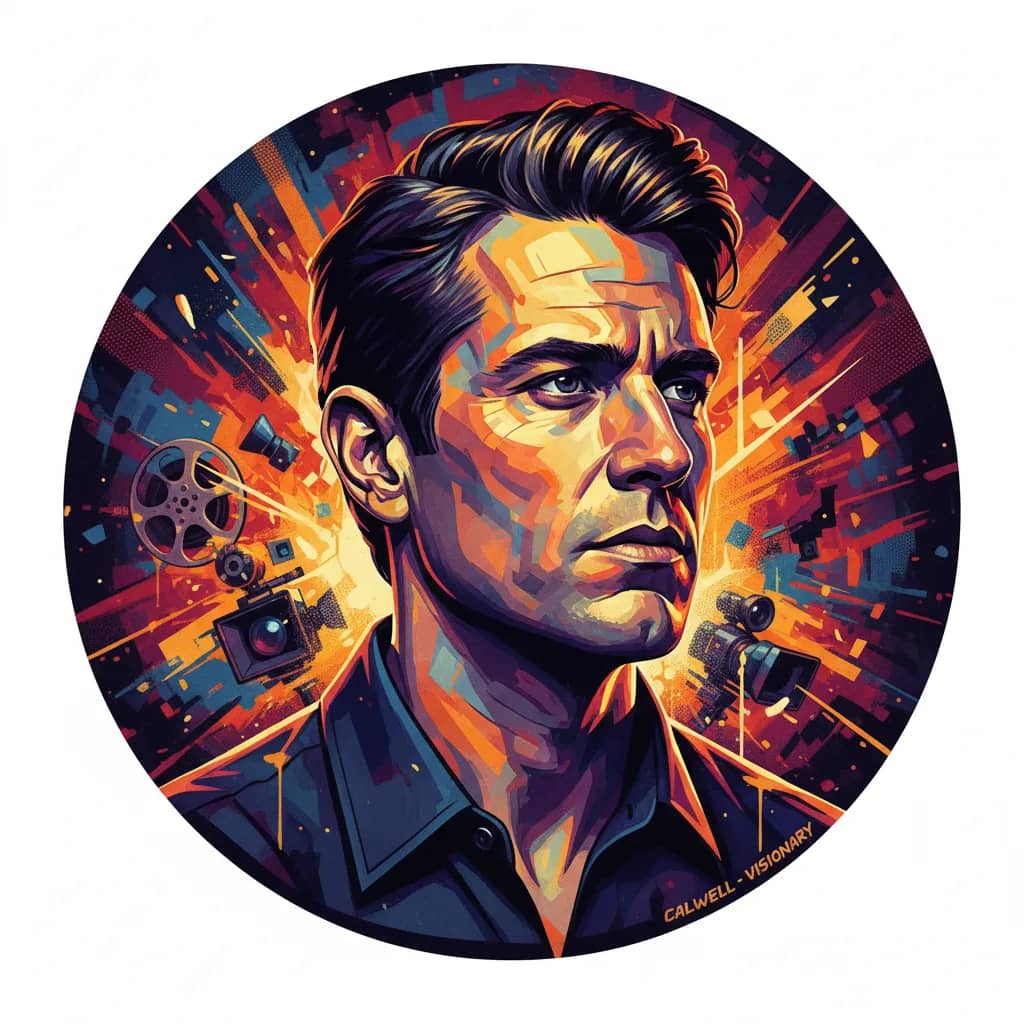
Christopher Caldwell is a visionary director known for his unique blend of adventure, drama, and sci-fi elements in his films. His notable work includes the 2018 film "Prospect," which captivated audiences with its immersive storytelling and stunning visuals. Caldwell's directorial style is characterized by his ability to intricately weave together compelling narratives with visually striking cinematography, creating an immersive experience for viewers. "Prospect" stands as a testament to Caldwell's ability to transport audiences to otherworldly settings while maintaining a deep focus on character-driven storytelling. The film's exploration of human nature in the face of adversity and the unknown reflects Caldwell's recurring themes of resilience, exploration, and the human spirit. His directorial approach often delves into the psychological and emotional depths of his characters, offering a profound and thought-provoking cinematic experience. Caldwell's impact on cinema lies in his adeptness at pushing the boundaries of traditional genre conventions, infusing his films with a sense of originality and depth. His work has garnered critical acclaim for its ability to resonate with audiences on both an emotional and intellectual level. Caldwell's unique vision and storytelling prowess have solidified his position as a director to watch in the industry, with his films serving as a testament to his innovative approach to filmmaking. In summary, Christopher Caldwell's directorial career is marked by a commitment to crafting visually stunning, emotionally resonant films that push the boundaries of traditional genre storytelling. With "Prospect," he has established himself as a director with a distinct voice and a penchant for immersive, thought-provoking narratives. Caldwell's contribution to cinema extends beyond mere entertainment, as his films offer audiences a glimpse into the complexities of the human experience within the backdrop of captivating and otherworldly settings.