Director Names Starting with C
Showing 109-120 out of 218
Chris Sanders
Chris Sanders is a visionary film director known for his unique blend of heartwarming storytelling, vibrant animation, and memorable characters. Sanders rose to prominence with his directorial debut, "Lilo & Stitch" (2002), a beloved animated film that showcased his ability to infuse humor and emotion into a compelling narrative. The film's success solidified Sanders' reputation as a director with a keen understanding of family dynamics and the power of friendship, themes that would continue to resonate throughout his career. In 2013, Sanders directed "The Croods," a visually stunning animated feature that captivated audiences with its imaginative world-building and endearing characters. The film's seamless combination of action, adventure, and humor highlighted Sanders' versatility as a director, earning critical acclaim and commercial success. His ability to create immersive and relatable stories has made him a sought-after director in the animation genre. Sanders' directorial prowess extended beyond animation with his 2020 film, "The Call of the Wild." This live-action adventure-drama showcased his ability to bring classic literature to life on the big screen, further showcasing his range as a director. Through his diverse filmography, Sanders has demonstrated a consistent commitment to crafting narratives that resonate with audiences of all ages, solidifying his status as a director with a distinct and endearing style. Sanders' impact on cinema extends beyond his individual films, as his work has influenced a new generation of filmmakers and storytellers. His ability to infuse warmth, humor, and relatable characters into his films has set a high standard for animated and live-action storytelling. Sanders continues to inspire and entertain audiences with his signature blend of heart, humor, and adventure, leaving an indelible mark on the world of cinema. In conclusion, Chris Sanders' directorial career is defined by his ability to create captivating and emotionally resonant films that transcend genre boundaries. His unique vision and storytelling prowess have left a lasting impact on animation and live-action cinema, earning him a well-deserved place among the most influential directors of his generation. Whether through his animated masterpieces or live-action ventures, Sanders' directorial legacy is a testament to the enduring power of heartfelt storytelling and imaginative filmmaking.
Chris Shadley
Chris Shadley is a talented film director known for his work in the crime, drama, and horror genres. With a keen eye for storytelling and a penchant for creating gripping narratives, Shadley has made a mark in the industry with his unique directorial style. His notable film "Nine Dead" (2009) showcases his ability to craft intense and suspenseful experiences for audiences, firmly establishing him as a director to watch. Shadley's directorial style is characterized by its immersive and atmospheric qualities, drawing viewers into the worlds he creates on screen. He skillfully utilizes tension and suspense to keep audiences on the edge of their seats, delivering visceral and impactful cinematic experiences. With "Nine Dead," Shadley demonstrated his ability to handle complex narratives and deliver a compelling visual language that resonates with audiences. Throughout his career, Shadley has explored recurring themes such as the human psyche under extreme circumstances, moral dilemmas, and the darker aspects of human nature. His films often delve into the depths of the human experience, challenging audiences to confront their fears and innermost desires. Shadley's directorial approach brings a thought-provoking and introspective dimension to his work, elevating it beyond mere entertainment. In the realm of cinema, Shadley has made a significant impact by contributing to the evolution of the crime, drama, and horror genres. His ability to infuse his films with gripping narratives and evocative visuals has earned him a dedicated fan base and critical acclaim. Shadley's unique vision and commitment to pushing creative boundaries have solidified his position as a director who continues to shape the landscape of contemporary filmmaking. As he continues to explore new storytelling frontiers, audiences can anticipate more groundbreaking work from this visionary director.
Christian Alvart
Christian Alvart is a German film director known for his work in the horror, mystery, and thriller genres. With a career spanning over two decades, Alvart has made a significant impact on cinema with his unique directorial style and thematic exploration. One of his notable works is "Case 39" (2009), a chilling horror film that delves into the complexities of adoption and the supernatural. The film showcases Alvart's ability to create tension and psychological unease, establishing him as a master of the genre. In the same year, Alvart directed "Pandorum" (2009), an action-packed science fiction horror that takes audiences on a thrilling journey aboard a spaceship. The film exhibits Alvart's adeptness at combining elements of horror, mystery, and high-stakes action, solidifying his reputation as a versatile director with a keen eye for creating captivating cinematic experiences. His ability to seamlessly blend different genres while maintaining a consistent tone has set him apart in the industry. Alvart's directorial style is characterized by meticulous attention to detail, immersive storytelling, and a penchant for exploring the darker aspects of human nature. His films often feature intense and suspenseful narratives, coupled with striking visual imagery that keeps audiences on the edge of their seats. Alvart's recurring themes revolve around the human psyche, the unknown, and the complexities of fear, showcasing his fascination with delving into the depths of human emotions and the unexplored realms of the mind. As a director, Alvart has made significant contributions to the horror and thriller genres, earning acclaim for his ability to create atmospheric and thought-provoking films. His unique vision and storytelling prowess have left an indelible mark on cinema, inspiring audiences and fellow filmmakers alike. With a diverse filmography and a penchant for pushing boundaries, Christian Alvart continues to be a prominent figure in the world of genre filmmaking, leaving a lasting legacy with his impactful directorial work. Overall, Christian Alvart's career as a director is defined by his ability to captivate audiences with compelling narratives, atmospheric visuals, and a deep understanding of the human experience. His films have solidified his status as a visionary director with a penchant for crafting immersive and emotionally resonant cinematic experiences. As his career continues to evolve, Alvart remains a notable figure in the film industry, consistently pushing the boundaries of genre filmmaking and leaving a lasting impact on audiences worldwide.
Christian Carion
Christian Carion is a French director known for his emotionally charged and historically inspired films. His directorial style is characterized by a keen attention to detail, evocative storytelling, and a deep exploration of human emotions. Carion's most notable film to date is "Joyeux Noël" (2005), a powerful drama set during World War I that depicts the famous Christmas truce of 1914. This film not only showcased Carion's ability to bring historical events to life on the screen but also highlighted his talent for weaving together multiple narratives and creating poignant, thought-provoking cinema. In "Joyeux Noël," Carion delves into themes of humanity, compassion, and the futility of war, establishing himself as a director with a profound understanding of complex human experiences. His ability to blend historical accuracy with deeply moving storytelling has solidified his reputation as a director capable of delivering impactful and resonant narratives. Carion's recent film "My Son" (2021) further demonstrates his versatility as a director, as he delves into the crime, drama, and mystery genres. This film showcases his ability to captivate audiences with compelling characters and intricate plots while maintaining a strong emotional core. With "My Son," Carion continues to prove his ability to navigate diverse storytelling landscapes while staying true to his thematic explorations of human nature and societal dynamics. Christian Carion's impact on cinema lies in his dedication to crafting films that not only entertain but also provoke deep reflection and emotional resonance. His unique vision and ability to bring historical events to life on the screen have cemented his status as a director with a distinct voice and a commitment to storytelling that transcends boundaries. As he continues to explore new genres and narratives, Christian Carion remains a director to watch, consistently pushing the boundaries of cinema and leaving a lasting impression on audiences worldwide.
Christian Ditter
Christian Ditter is a German film director known for his work in the romantic comedy genre. With a keen eye for capturing the complexities of human relationships, Ditter crafts heartwarming and relatable stories that resonate with audiences worldwide. His directorial style is characterized by a delicate balance of humor and poignancy, creating films that are not only entertaining but also emotionally resonant. One of Ditter's notable works is "Love, Rosie" (2014), a charming romantic comedy that follows the lifelong friendship and love story between two best friends, played by Lily Collins and Sam Claflin. The film showcases Ditter's ability to infuse lighthearted moments with genuine emotional depth, making it a beloved addition to the romantic comedy genre. In 2016, Ditter directed "How to Be Single," a comedy-drama that explores the complexities of modern dating and relationships. Starring Dakota Johnson and Rebel Wilson, the film delves into themes of self-discovery, friendship, and the pursuit of happiness. Ditter's adept storytelling and skillful direction shine through in this ensemble piece, as he captures the intricacies of love and independence in a refreshingly authentic manner. Throughout his career, Ditter has demonstrated a knack for portraying the intricacies of human connection, often exploring themes of friendship, love, and self-discovery. His films resonate with audiences for their relatable characters and heartfelt narratives, showcasing his ability to capture the essence of human emotions on screen. Christian Ditter's impact on cinema lies in his ability to breathe new life into the romantic comedy genre, infusing it with authenticity and depth. His unique vision and storytelling prowess have cemented his status as a director capable of delivering heartfelt and entertaining films that leave a lasting impression on audiences. As Ditter continues to craft engaging stories that tug at the heartstrings, his contribution to the world of cinema remains both significant and enduring.
Christian Duguay
Christian Duguay is a Canadian film director known for his work in action, adventure, and science fiction genres. With a career spanning over three decades, Duguay has made a mark in the industry with his distinct directorial style and compelling storytelling. One of his notable films is "The Art of War" (2000), a gripping action thriller starring Wesley Snipes. Duguay's adept handling of high-octane action sequences and intricate plotlines in the film showcased his ability to create tension and excitement on screen. In addition to "The Art of War," Duguay gained recognition for his work on "Screamers" (1995), a science fiction horror film set in a dystopian future. The movie's chilling atmosphere and thought-provoking themes of technology and humanity demonstrated Duguay's skill in blending genres to deliver a compelling cinematic experience. Throughout his career, Duguay has exhibited a penchant for exploring the intersection of technology, society, and human nature, often infusing his films with thought-provoking concepts and visually stunning imagery. Duguay's directorial style is characterized by his ability to seamlessly blend action, suspense, and philosophical undertones, captivating audiences with his immersive storytelling. His films often delve into the complexities of human behavior and the moral implications of technological advancements, reflecting a deep understanding of the human psyche and societal dynamics. Duguay's impact on cinema lies in his ability to infuse genre films with substance, elevating them beyond mere entertainment to provoke introspection and critical thinking. As a director, Christian Duguay has left an indelible mark on the film industry through his dynamic storytelling and visionary approach to filmmaking. His ability to craft compelling narratives within the framework of action, adventure, and science fiction genres has solidified his position as a director with a unique vision and a lasting influence on the cinematic landscape. With a diverse filmography that showcases his versatility and creativity, Duguay continues to captivate audiences with his thought-provoking narratives and visually striking compositions.
Christian Duurvoort
Christian Duurvoort is a Dutch film director known for his distinct visual style and thought-provoking storytelling. With a keen eye for detail and a penchant for exploring the darker sides of human nature, Duurvoort has made a name for himself in the world of cinema. His notable film "Trash" (2014) stands as a testament to his directorial prowess, seamlessly blending elements of adventure, crime, and drama to create a riveting cinematic experience. Duurvoort's directorial style is characterized by its raw and gritty realism, capturing the complexities of human emotions and relationships in a visceral manner. He is unafraid to delve into challenging subject matters, infusing his films with a sense of urgency and authenticity that resonates with audiences. "Trash" exemplifies his ability to craft multi-layered narratives that grip viewers from start to finish, showcasing his adeptness at weaving together intricate storylines while maintaining a palpable sense of tension. Throughout his career, Duurvoort has displayed a penchant for exploring themes of morality, survival, and the human condition. His films often delve into the depths of human psyche, offering a candid examination of societal issues and the ethical dilemmas faced by his characters. This thematic depth, coupled with his compelling visual storytelling, has cemented Duurvoort as a director with a distinct voice and a penchant for pushing the boundaries of traditional cinematic storytelling. In the realm of contemporary cinema, Christian Duurvoort's contributions stand as a testament to the power of a director who fearlessly embraces the complexities of the human experience. His films serve as a mirror to society, challenging viewers to confront uncomfortable truths while offering a captivating and immersive viewing experience. With "Trash" and his body of work, Duurvoort has left an indelible mark on cinema, earning recognition for his ability to craft compelling narratives that resonate on both an emotional and intellectual level. As a director unafraid to tackle challenging subject matters with unflinching honesty, Duurvoort continues to shape the landscape of modern filmmaking with his unique vision and unwavering commitment to storytelling.
Christian E. Christiansen
Christian E. Christiansen is a Danish film director known for his work in the drama, horror, and thriller genres. His most notable film to date is "The Roommate" (2011), a psychological thriller that garnered attention for its intense and suspenseful storytelling. Christiansen's directorial style is characterized by his ability to create tension and immerse audiences in a gripping narrative, often exploring the darker aspects of human psychology. In "The Roommate," Christiansen showcased his knack for building a foreboding atmosphere and keeping viewers on the edge of their seats. His keen understanding of pacing and visual storytelling allowed him to deliver a film that left a lasting impression on the audience. Christiansen's directorial approach often delves into the complexities of interpersonal relationships and the psychological motivations behind characters' actions, adding depth and intrigue to his films. Throughout his career, Christiansen has demonstrated a penchant for delving into the psychological depths of his characters, often blurring the lines between reality and illusion. His films frequently explore themes of obsession, identity, and the human psyche, captivating audiences with their psychological complexity. Christiansen's unique vision and ability to craft compelling narratives have made him a noteworthy figure in the realm of psychological thrillers, leaving a lasting impact on the genre. With "The Roommate," Christiansen solidified his status as a director capable of delivering gripping and thought-provoking films that resonate with audiences. His contributions to cinema have not only enriched the psychological thriller genre but have also showcased his talent for creating immersive and haunting cinematic experiences. Christiansen's directorial career continues to intrigue and captivate audiences, solidifying his reputation as a director with a distinct and compelling vision.
Christian Gudegast
Christian Gudegast is a highly versatile director whose impactful work in the film industry has made him a force to be reckoned with. With his impressive directorial debut in the action-packed crime drama "Den of Thieves" (2018), Gudegast firmly established himself as a director with a keen eye for intense and gripping storytelling. His directorial style is characterized by a seamless blend of high-stakes action, complex characters, and a gritty, realistic portrayal of the criminal underworld. "Den of Thieves" stands as a testament to Gudegast's ability to create tension-filled narratives that keep audiences on the edge of their seats. The film, which stars Gerard Butler and 50 Cent, delves into the lives of an elite unit of the Los Angeles County Sheriff's Department and a notorious gang of bank robbers, leading to a thrilling game of cat and mouse. Gudegast's meticulous attention to detail and masterful execution of action sequences set him apart as a director who knows how to deliver heart-pounding entertainment while also delving deep into the complexities of human nature. One of Gudegast's recurring themes is the exploration of morality and the blurred lines between law enforcement and criminality. His films often delve into the psychological and emotional motivations of his characters, creating a multi-dimensional portrayal of both heroes and antiheroes. His impact on cinema is undeniable, as he continues to push the boundaries of the action-crime genre, infusing it with a raw and authentic sensibility that resonates with audiences. Christian Gudegast's unique vision and bold storytelling have solidified his position as a director to watch in the industry. His commitment to crafting compelling narratives and his ability to extract riveting performances from his cast members set him apart as a true auteur. As he continues to make his mark on the cinematic landscape, audiences can eagerly anticipate more thrilling and thought-provoking work from this visionary filmmaker.

Christian Molina
Christian Molina is a Spanish filmmaker known for his bold and provocative storytelling in the realm of drama and romance. With a career spanning over a decade, Molina has made a significant impact on cinema through his distinct directorial style and thought-provoking narratives. His notable film "Diary of a Nymphomaniac" (2008) garnered attention for its unapologetic exploration of female sexuality and desire, establishing Molina as a director unafraid to delve into taboo subjects with sensitivity and honesty. Molina's directorial style is characterized by an unflinching exploration of human emotions and desires, often delving into the complexities of relationships and personal identity. His films are known for their intimate and raw portrayal of characters, drawing audiences into the emotional landscapes of his protagonists. Molina's keen eye for detail and his ability to capture the nuances of human interactions have earned him a reputation as a director who fearlessly pushes boundaries while maintaining a deep empathy for his characters. "Diary of a Nymphomaniac" stands as a testament to Molina's ability to tackle controversial themes with grace and authenticity. The film's exploration of female sexuality and the societal stigmas surrounding it sparked conversations and challenged traditional narratives, cementing Molina's place as a director unafraid to confront societal taboos through the lens of compelling storytelling. Molina's work has contributed to the broadening of perspectives within the film industry, opening doors for more inclusive and diverse narratives to take center stage. In a cinematic landscape often dominated by formulaic storytelling, Molina's commitment to authenticity and emotional depth sets him apart as a director with a unique vision. His exploration of human intimacy and the complexities of desire has left an indelible mark on cinema, inspiring audiences and fellow filmmakers alike. As Christian Molina continues to carve his path in the world of cinema, his dedication to crafting evocative narratives promises to shape the future of storytelling on screen.
Christian Nyby
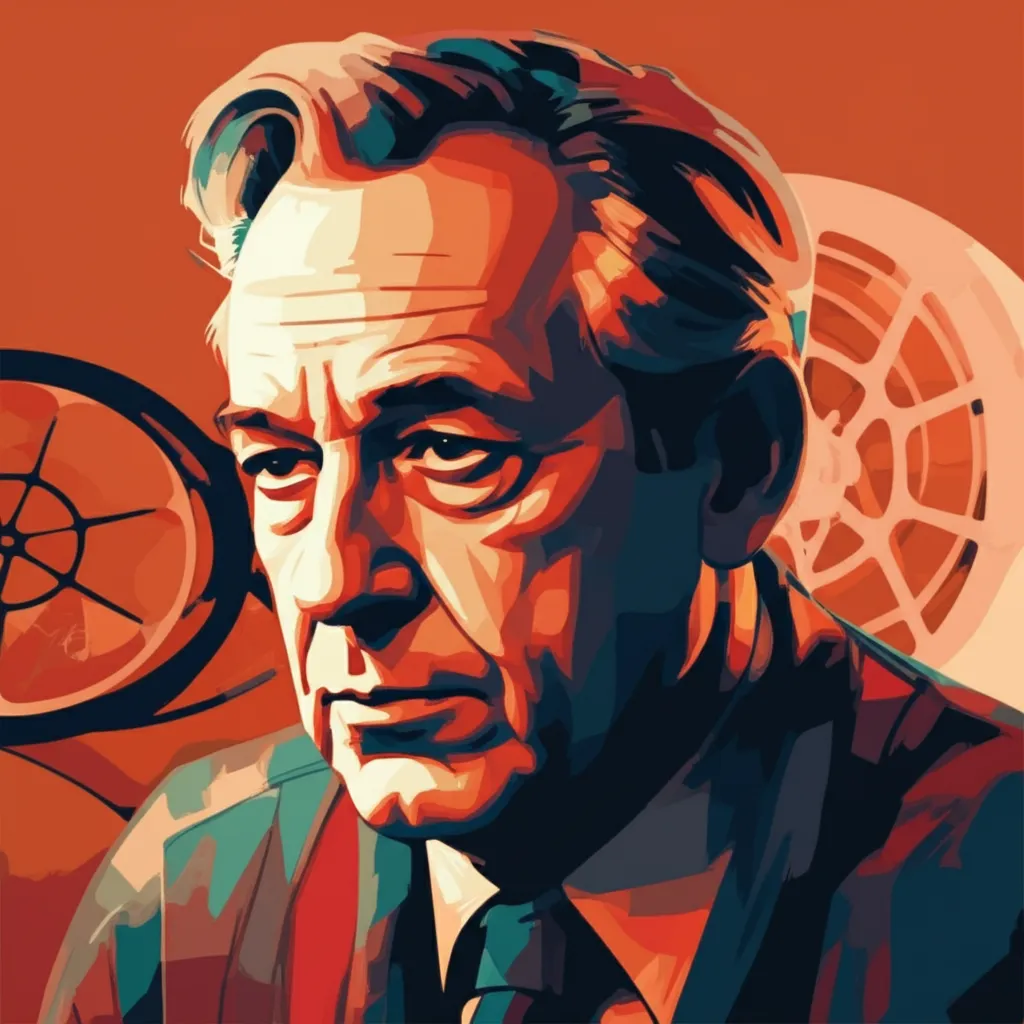
Christian Nyby was an American film director best known for his work in the science fiction and horror genres. His most notable film is "The Thing from Another World" (1951), a classic horror and sci-fi film that has stood the test of time. Nyby's directorial style is marked by his ability to create intense atmospheres and build suspense, keeping audiences on the edge of their seats throughout his films. He was known for his precise and efficient approach to filmmaking, often focusing on the technical aspects of his craft to deliver gripping and visually stunning narratives. "The Thing from Another World" remains a landmark film in the horror and sci-fi genres, showcasing Nyby's adeptness at creating tension and fear through atmospheric storytelling and skillful direction. The film's impact on cinema cannot be overstated, as it set a new standard for the genre and inspired countless future filmmakers. Nyby's ability to blend horror and science fiction elements while maintaining a sense of realism and urgency has solidified his place in cinematic history. Throughout his career, Nyby often explored themes of fear, the unknown, and the human condition, delving into the depths of human psyche and the complexities of the universe. His films often featured strong, dynamic characters facing unimaginable challenges, adding depth and emotional resonance to his narratives. Nyby's contributions to the horror and sci-fi genres have left an indelible mark on cinema, influencing generations of filmmakers and leaving a lasting legacy that continues to inspire and captivate audiences to this day. In conclusion, Christian Nyby's directorial career is a testament to his unparalleled vision and impact on the film industry. His ability to craft compelling and immersive narratives, coupled with his mastery of suspense and atmosphere, has established him as a pioneer in the horror and sci-fi genres. His legacy lives on through his timeless films, which continue to resonate with audiences and filmmakers alike, cementing his status as a true visionary in the world of cinema.
Christian Petzold
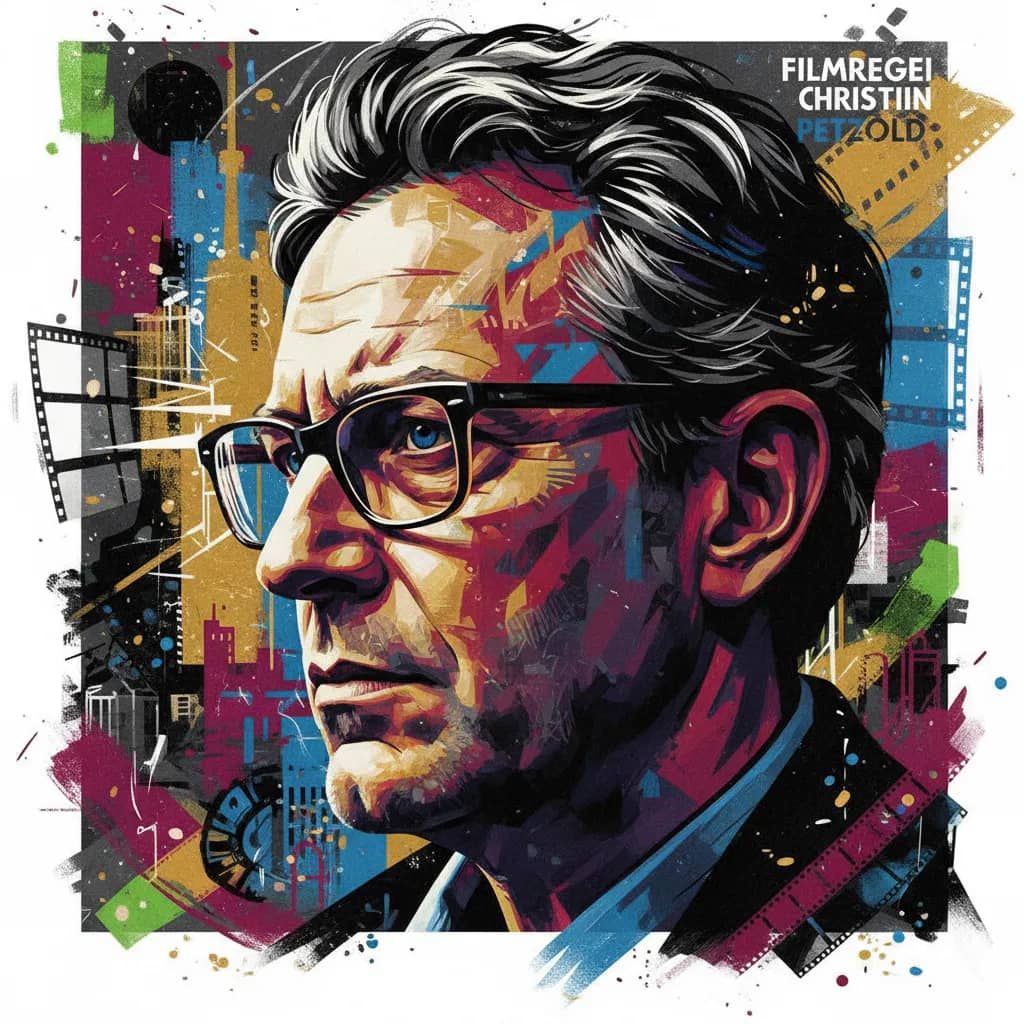
Christian Petzold is a German film director known for his thought-provoking and emotionally resonant works that often explore themes of identity, trauma, and the human condition. With a career spanning decades, Petzold has become a prominent figure in contemporary European cinema, creating a distinctive body of work characterized by his unique directorial style and storytelling prowess. One of Petzold's most acclaimed films is "Phoenix" (2014), a gripping drama set in post-World War II Germany that follows a disfigured concentration camp survivor who undergoes facial reconstruction surgery and returns to Berlin to find her husband. The film's haunting exploration of personal and collective memory, as well as its powerful performances and evocative cinematography, cemented Petzold's reputation as a masterful storyteller with a keen eye for historical and psychological depth. Another notable work in Petzold's filmography is "Barbara" (2012), a taut drama set in 1980s East Germany that centers on a female doctor's attempts to escape to the West. The film showcases Petzold's ability to infuse his narratives with political and social commentary while maintaining a focus on human relationships and moral dilemmas. In "Transit" (2018), Petzold delves into the realm of speculative fiction, adapting Anna Seghers' novel to create a haunting, timely exploration of displacement and existential uncertainty. The film's seamless blend of historical and contemporary themes, coupled with Petzold's trademark visual elegance and narrative precision, further solidified his standing as a visionary director unafraid to challenge genre conventions. Petzold's directorial style is characterized by his meticulous attention to detail, nuanced characterizations, and a penchant for crafting atmospheric, emotionally resonant narratives. His films often feature morally complex protagonists navigating turbulent historical or social landscapes, grappling with questions of identity, memory, and personal agency. Through his body of work, Christian Petzold has made a significant impact on contemporary cinema, earning accolades from critics and audiences alike for his compelling storytelling and thematic depth. His unique vision and unwavering commitment to exploring the complexities of the human experience have firmly established him as a leading voice in European filmmaking, and his contributions continue to inspire and captivate cinephiles around the world.