Director Names Starting with B
Showing 13-24 out of 201

Barnaby Thompson
Barnaby Thompson is a British film director and producer known for his work in the comedy and family genre. He made his directorial debut with the 2007 film "St. Trinian's," a modern adaptation of the classic British comedy franchise. Thompson's directorial style is characterized by a lighthearted and comedic approach, often infusing his films with a sense of irreverent humor and whimsical charm. "St. Trinian's" exemplifies Thompson's ability to capture the spirit of irreverent comedy while delivering a story with heart and relatability, making it a hit with audiences of all ages. Thompson's noteworthy contribution to cinema lies in his adeptness at creating films that resonate with both children and adults. His films often feature a blend of slapstick humor, witty dialogue, and endearing characters, making them appealing to a wide audience demographic. The success of "St. Trinian's" cemented Thompson's reputation as a director capable of crafting entertaining and commercially successful family-friendly films. In addition to his directorial work, Thompson has also made significant contributions as a producer, further solidifying his influence in the entertainment industry. His collaborative efforts in producing films have allowed him to bring a diverse range of stories to the screen, showcasing his versatility and commitment to delivering high-quality entertainment. Thompson's impact on cinema can be seen in his ability to infuse his films with a distinctive blend of humor and heart, creating an enduring appeal that resonates with audiences worldwide. His directorial debut with "St. Trinian's" marked the beginning of a career dedicated to bringing laughter and joy to the big screen, and his work continues to leave a lasting impression on the comedy and family film landscape. As Thompson's career evolves, audiences can anticipate more delightful and entertaining films that showcase his unique vision and storytelling prowess.

Barry Battles
Barry Battles is a dynamic filmmaker known for his work in action, comedy, and crime genres. His most notable film to date is "The Baytown Outlaws" (2012), a high-octane action-comedy that showcases Battles' distinctive directorial style. With a penchant for blending adrenaline-pumping action sequences with sharp humor and compelling crime narratives, Battles has carved out a niche for himself in the industry. Battles' directorial style is characterized by a bold and kinetic approach to storytelling, often punctuated by stylized action set pieces and a gritty, no-holds-barred aesthetic. His films are known for their fusion of visceral action with offbeat humor, creating an electrifying viewing experience that resonates with audiences. "The Baytown Outlaws" exemplifies Battles' ability to infuse traditional genre tropes with a fresh and irreverent energy, resulting in a film that is as riotously entertaining as it is visually arresting. Notable themes that recur throughout Battles' body of work include the exploration of unconventional family dynamics, the pursuit of justice in morally ambiguous landscapes, and the juxtaposition of heightened action with dark comedy. These thematic undercurrents contribute to the distinctiveness of Battles' directorial voice and have solidified his reputation as a filmmaker unafraid to push boundaries and defy genre conventions. Battles' impact on cinema lies in his ability to inject a sense of exhilarating unpredictability into his films, keeping audiences on the edge of their seats while eliciting genuine laughter. His work reflects a keen understanding of audience sensibilities and a commitment to delivering unapologetically entertaining cinema. As Battles continues to expand his directorial repertoire, his contributions to the action, comedy, and crime genres are sure to leave an indelible mark on the cinematic landscape.

Barry Cook
Barry Cook is a highly acclaimed film director known for his exceptional work in the animation genre. With a career spanning several decades, Cook has left an indelible mark on the world of cinema with his unique directorial style and innovative storytelling. His notable films include "Walking with Dinosaurs 3D" (2013) and "Arthur Christmas" (2011), both of which showcase his remarkable talent for bringing captivating stories to life through animation. Cook's directorial style is characterized by a meticulous attention to detail and a deep understanding of storytelling through visual mediums. His ability to create immersive and visually stunning worlds has garnered widespread acclaim, making him a sought-after director in the animation industry. Cook's films often feature a perfect blend of adventure, humor, and heart, captivating audiences of all ages with their universal appeal. One of Cook's most notable contributions to cinema is his ability to infuse animated films with complex themes and emotional depth. His work often explores the power of imagination, the importance of family, and the triumph of the human spirit, resonating with audiences on a profound level. Through his storytelling, Cook has demonstrated a keen understanding of the human experience, using animation as a powerful tool for conveying profound messages and evoking genuine emotions. In addition to his directorial prowess, Cook has made a significant impact on the animation industry, inspiring a new generation of filmmakers with his innovative approach to storytelling and visual artistry. His commitment to pushing the boundaries of animation and creating unforgettable cinematic experiences has solidified his legacy as a visionary director whose influence will be felt for years to come. As a master storyteller and visual artist, Barry Cook continues to captivate audiences with his unparalleled creativity and boundless imagination, cementing his status as a true trailblazer in the world of animation. In conclusion, Barry Cook's directorial career is defined by his exceptional ability to craft immersive and emotionally resonant animated films. With a remarkable body of work that continues to inspire and enchant audiences, Cook's impact on cinema is undeniable. His unique directorial style, recurring themes of imagination and family, and unwavering commitment to pushing the boundaries of animation have solidified his reputation as a visionary filmmaker whose contributions to the art form will endure for generations to come.

Barry Jenkins
Barry Jenkins is an acclaimed filmmaker known for his emotionally resonant storytelling, visually stunning cinematography, and masterful direction. His directorial career took off with the release of "Moonlight" in 2016, a groundbreaking coming-of-age drama that garnered widespread critical acclaim and won the Academy Award for Best Picture. Jenkins' sensitive portrayal of the protagonist's journey to self-discovery, coupled with his distinct visual style and intimate approach to storytelling, marked him as a visionary director with a unique ability to capture the human experience on screen. Following the success of "Moonlight," Jenkins continued to solidify his reputation as a director to watch with "If Beale Street Could Talk" in 2018. Based on James Baldwin's novel, the film showcased Jenkins' signature blend of poetic realism and profound emotional depth. His meticulous attention to detail, coupled with his ability to elicit powerful performances from his cast, further cemented his status as a director with a keen understanding of the complexities of human relationships and societal issues. Jenkins' directorial style is characterized by his use of evocative imagery, nuanced character development, and a keen sense of empathy for his subjects. His films often explore themes of identity, love, and resilience, while also shedding light on the challenges faced by marginalized communities. Jenkins' commitment to authentic representation and his ability to infuse his narratives with profound empathy have made him a trailblazer in contemporary cinema, inspiring a new generation of filmmakers to tell stories that are both deeply personal and universally resonant. Barry Jenkins' impact on cinema extends beyond his individual films, as he has become a leading voice in the push for greater diversity and inclusion in the industry. Through his work and advocacy, Jenkins has opened doors for underrepresented voices and reshaped the cinematic landscape, proving that storytelling can be a powerful force for social change. As he continues to push boundaries and challenge conventions, Jenkins remains a visionary director whose body of work will undoubtedly stand the test of time, leaving an indelible mark on the history of film.
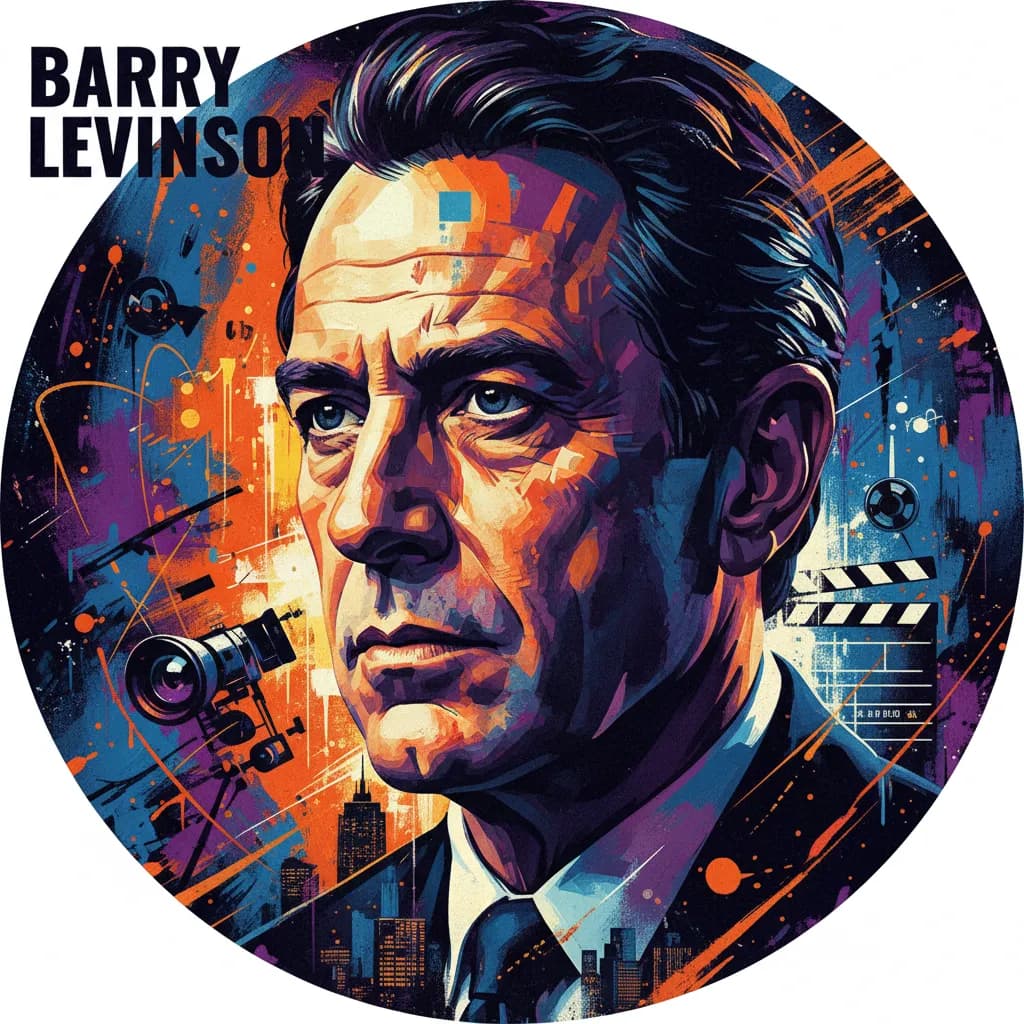
Barry Levinson
Barry Levinson is an esteemed film director known for his diverse body of work spanning several genres. With a career that has spanned decades, he has left an indelible mark on cinema with his unique directorial style and impactful storytelling. From his early successes to his more recent endeavors, Levinson has consistently brought a distinct vision to the screen, earning critical acclaim and audience admiration. Levinson's filmography boasts a wide array of genres, including crime dramas, comedies, biographical films, and thrillers. His notable films include "Rain Man," a poignant drama that earned him an Academy Award for Best Director, and "Good Morning, Vietnam," a biographical comedy-drama that showcased his ability to blend humor with deep emotional resonance. "The Natural" stands out as a classic sports drama, while "Wag the Dog" demonstrates his adeptness at satirical political commentary. Levinson's directorial style is characterized by his keen attention to character development and storytelling. He has a remarkable ability to infuse his films with authenticity and emotional depth, allowing audiences to connect with the characters on a profound level. His films often explore themes of resilience, human connection, and the complexities of the human experience, resonating with viewers on a universal level. In addition to his directorial endeavors, Levinson's impact on cinema extends to his exploration of societal issues and human behavior. His films often delve into the intricacies of relationships and the human psyche, offering thought-provoking narratives that challenge audiences to contemplate the world around them. Whether through gripping crime dramas or lighthearted comedies, Levinson's work leaves a lasting impression, solidifying his status as a visionary director. Barry Levinson's contributions to film have left an enduring legacy, influencing aspiring filmmakers and captivating audiences worldwide. His ability to traverse various genres while maintaining his distinct directorial voice speaks to his versatility and creative prowess. As a master storyteller, Levinson continues to inspire and entertain, cementing his place as a revered figure in the world of cinema.

Barry Skolnick
Barry Skolnick is a British film director known for his work in the comedy, crime, and drama genres. His most notable film, "Mean Machine" (2001), solidified his reputation as a director with a keen eye for storytelling and a unique approach to character-driven narratives. Skolnick's directorial style is characterized by its ability to seamlessly blend humor, tension, and emotional depth. His films often feature complex characters navigating morally ambiguous situations, and he has a knack for infusing his narratives with a sense of raw authenticity. Skolnick's keen understanding of human nature allows him to create compelling stories that resonate with audiences on a profound level. "Mean Machine" stands as a testament to Skolnick's directorial prowess, as it expertly weaves together elements of comedy and drama within the confines of a gritty prison setting. The film's success lies in Skolnick's ability to balance the intensity of the sports drama with moments of lighthearted humor, resulting in a captivating and entertaining viewing experience. Throughout his career, Skolnick has displayed a consistent ability to explore the complexities of human behavior and the dynamics of interpersonal relationships. His films often delve into the themes of redemption, camaraderie, and the resilience of the human spirit, showcasing his commitment to crafting narratives that resonate with universal truths. Barry Skolnick's impact on cinema lies in his ability to infuse his films with an authentic and relatable quality that transcends genre boundaries. His unique vision and storytelling prowess have cemented his status as a director to watch, and his contributions to the world of film continue to inspire and captivate audiences worldwide.

Barry Sonnenfeld
Barry Sonnenfeld is a renowned filmmaker known for his distinct style and creative vision, bringing an innovative approach to the world of cinema. With a diverse filmography that spans across various genres, Sonnenfeld has made a lasting impact on the industry. His directorial debut came with "The Addams Family" in 1991, a darkly comedic and visually striking adaptation of the classic TV series. Its success led to the equally captivating sequel, "Addams Family Values" in 1993, showcasing Sonnenfeld's talent for blending humor with a touch of macabre. Sonnenfeld's directorial style is characterized by his keen eye for visual storytelling and his ability to infuse humor into a wide range of genres. His collaborations with actors and his penchant for creating quirky, offbeat characters are evident throughout his filmography. Notable films such as "Men in Black" (1997) and its sequel "Men in Black II" (2002) exemplify his talent for seamlessly blending action, comedy, and science fiction, resulting in box office successes and a lasting cultural impact. Recurring themes in Sonnenfeld's work include the exploration of unconventional families, eccentric personalities, and the juxtaposition of the ordinary with the extraordinary. His films often incorporate elements of the bizarre and the fantastical, contributing to his reputation as a director with a penchant for the whimsical and the absurd. "Wild Wild West" (1999) and "Get Shorty" (1995) further demonstrate his ability to infuse humor and creativity into action and crime genres, showcasing his versatility as a director. Barry Sonnenfeld's contributions to cinema have left an indelible mark, with his distinctive style and imaginative storytelling captivating audiences worldwide. His ability to seamlessly blend genres and create visually stunning narratives has solidified his status as a visionary director. With a career spanning decades and a diverse array of films to his name, Sonnenfeld continues to be a celebrated figure in the world of filmmaking, leaving an enduring legacy that has shaped the landscape of modern cinema.
Barry W. Blaustein
Barry W. Blaustein is a seasoned film director with a distinctive flair for blending comedy with poignant social commentary. His directorial career has been marked by a commitment to telling stories that entertain and provoke thought simultaneously. Blaustein's notable film, "The Ringer" (2005), is a prime example of his directorial style, seamlessly interweaving humor with the exploration of societal perceptions of disability and inclusion. Blaustein's directorial style is characterized by his ability to infuse humor with empathy, often using comedy as a vehicle to shed light on important social issues. "The Ringer" stands as a testament to his adeptness at creating heartfelt, yet humorous narratives. Blaustein's dedication to presenting complex themes in an accessible and entertaining manner has garnered him a dedicated following and critical acclaim. Throughout his career, Blaustein has consistently explored themes of inclusivity, the human experience, and the power of resilience. His films often feature underdog protagonists navigating through life's challenges, resonating with audiences on a deeply emotional level. Blaustein's unique ability to balance humor with sincerity has greatly impacted the landscape of comedy and sports films, making a lasting impression on cinema. Barry W. Blaustein's directorial contributions have left an indelible mark on the film industry, reshaping the way audiences engage with comedic storytelling. His distinct directorial style and commitment to addressing meaningful social themes have solidified his status as a trailblazer in the world of comedy and sports films. With a career marked by impactful storytelling and a unique vision, Blaustein continues to inspire and entertain audiences with his thought-provoking and humorous directorial work.

Bart Freundlich
Bart Freundlich is a talented film director known for his distinctive directorial style and unique storytelling approach. With a career spanning several decades, Freundlich has made a significant impact on cinema with his thought-provoking films and diverse range of genres. Notable for his ability to blend comedy, romance, and drama, Freundlich's directorial style is characterized by his keen insight into human relationships and emotions. One of Freundlich's notable works is "The Rebound" (2009), a heartwarming romantic comedy that showcases his knack for capturing the complexities of modern relationships. Featuring a stellar cast and lighthearted humor, the film resonates with audiences through its authentic portrayal of love and personal growth. Freundlich's adept direction in "The Rebound" solidifies his reputation as a director with a keen understanding of human dynamics and emotional depth. In addition to his work in romantic comedies, Freundlich has also ventured into the action-adventure genre with "Catch That Kid" (2004). Demonstrating his versatility as a director, Freundlich infuses the film with exhilarating sequences and witty humor, creating an entertaining and engaging cinematic experience for audiences of all ages. His ability to seamlessly transition between genres underscores his versatility and creative vision as a director. Freundlich's films often explore themes of love, resilience, and the human experience, showcasing his commitment to portraying authentic and relatable stories on the screen. His directorial approach emphasizes character-driven narratives and genuine emotions, allowing audiences to connect with the compelling journeys of his protagonists. With a distinct directorial voice and a penchant for crafting compelling narratives, Bart Freundlich continues to leave an indelible mark on cinema, inspiring audiences with his profound storytelling and artistic vision.

Bart Layton
Bart Layton is a British filmmaker known for his captivating storytelling and innovative approach to blending documentary and narrative filmmaking. He made a splash in the film industry with his directorial debut, "The Imposter" (2012), a gripping documentary that blurred the lines between truth and fiction. Layton's directorial style is marked by his ability to seamlessly intertwine real-life interviews, reenactments, and cinematic storytelling, creating a dynamic and immersive viewing experience. In 2018, Layton solidified his reputation as a visionary director with the critically acclaimed film "American Animals." This electrifying crime drama, based on a true story, follows the audacious heist of rare books from a university library. The film garnered praise for Layton's masterful direction, as he deftly navigated between the perspectives of the young perpetrators and the real-life individuals involved in the heist. "American Animals" showcased Layton's skill in delving into the complexities of human behavior, moral ambiguity, and the blurred boundaries between reality and fiction. Layton's work often explores themes of identity, perception, and the subjective nature of truth, resonating with audiences on a profound level. His films challenge conventional storytelling techniques, pushing the boundaries of cinematic form and content. This innovative approach has left an indelible mark on cinema, inspiring a new generation of filmmakers to push the envelope and embrace unconventional narrative structures. With his distinct directorial voice and penchant for thought-provoking storytelling, Bart Layton continues to leave an indelible mark on the film industry. His ability to blend documentary and fiction in a compelling and seamless manner has earned him a dedicated following and critical acclaim. As he continues to push the boundaries of cinematic storytelling, audiences eagerly anticipate Layton's future projects, knowing that each film will offer a unique and immersive journey into the human experience.

Bartosz M. Kowalski
Bartosz M. Kowalski is a Polish film director known for his distinct vision and unique contributions to the horror and fantasy genres. His notable film "Nobody Sleeps in the Woods Tonight" (2020) garnered international attention for its gripping storytelling and visually stunning cinematography. Kowalski's directorial style is characterized by a masterful blend of suspense, horror, and mystery, creating an immersive cinematic experience for audiences. With "Nobody Sleeps in the Woods Tonight," Kowalski has solidified his reputation as a visionary director with a keen understanding of the human psyche and an innate ability to elicit fear and unease. The film's success has cemented Kowalski's status as a rising talent in the horror genre, and his influence on contemporary cinema is undeniable. Kowalski's directorial approach often delves into themes of isolation, survival, and the supernatural, capturing the audience's imagination and evoking a deep sense of dread. His storytelling prowess and visually arresting compositions have set a new standard for horror and fantasy filmmaking, earning him accolades and acclaim from critics and audiences alike. As a director, Bartosz M. Kowalski has made a significant impact on the film industry, pushing boundaries and redefining the horror genre with his distinctive style and storytelling prowess. His ability to evoke a visceral response from audiences and craft compelling narratives has solidified his position as a director to watch in the coming years. With "Nobody Sleeps in the Woods Tonight," Kowalski has proven himself as a formidable force in the world of genre filmmaking, and his future projects are highly anticipated by cinephiles and industry insiders alike.

Basil Dearden
Basil Dearden was a prominent British film director known for his diverse body of work that spanned various genres and themes. He began his career in the 1940s and quickly made a name for himself with his distinct directorial style and storytelling prowess. His most notable film, "Dead of Night" (1945), a groundbreaking Horror-Drama anthology, solidified his reputation as a director capable of delivering compelling and thought-provoking narratives. Dearden's directorial style was characterized by a keen attention to detail, nuanced character development, and a knack for creating tension and suspense. His films often delved into social issues, and he was unafraid to tackle controversial topics, such as racial prejudice and sexuality, at a time when such themes were considered taboo in mainstream cinema. His ability to blend gripping storytelling with social commentary set him apart as a visionary director with a unique perspective. Throughout his career, Dearden directed a wide range of films across multiple genres, including crime dramas, thrillers, and comedies. His versatility as a director allowed him to explore different storytelling techniques and visual styles, showcasing his adaptability and creative range. Notable films beyond "Dead of Night" include "Victim" (1961), a groundbreaking thriller that addressed homosexuality, and "The League of Gentlemen" (1960), a classic heist film that remains a benchmark in the genre. Dearden's films often revolved around themes of morality, justice, and the complexities of human nature. He had a knack for creating morally ambiguous characters and situations, infusing his narratives with layers of depth and complexity. His work had a lasting impact on cinema, influencing a generation of filmmakers and contributing to the evolution of British cinema. Dearden's legacy as a director is defined by his bold storytelling, social relevance, and unwavering commitment to pushing the boundaries of conventional filmmaking. In conclusion, Basil Dearden was a visionary director whose impact on cinema is immeasurable. His ability to craft compelling narratives, tackle societal taboos, and explore the human condition set him apart as a trailblazer in the world of film. His legacy continues to inspire filmmakers and audiences alike, cementing his place as a pioneering force in British cinema.