Director Names Starting with A
Showing 277-288 out of 342
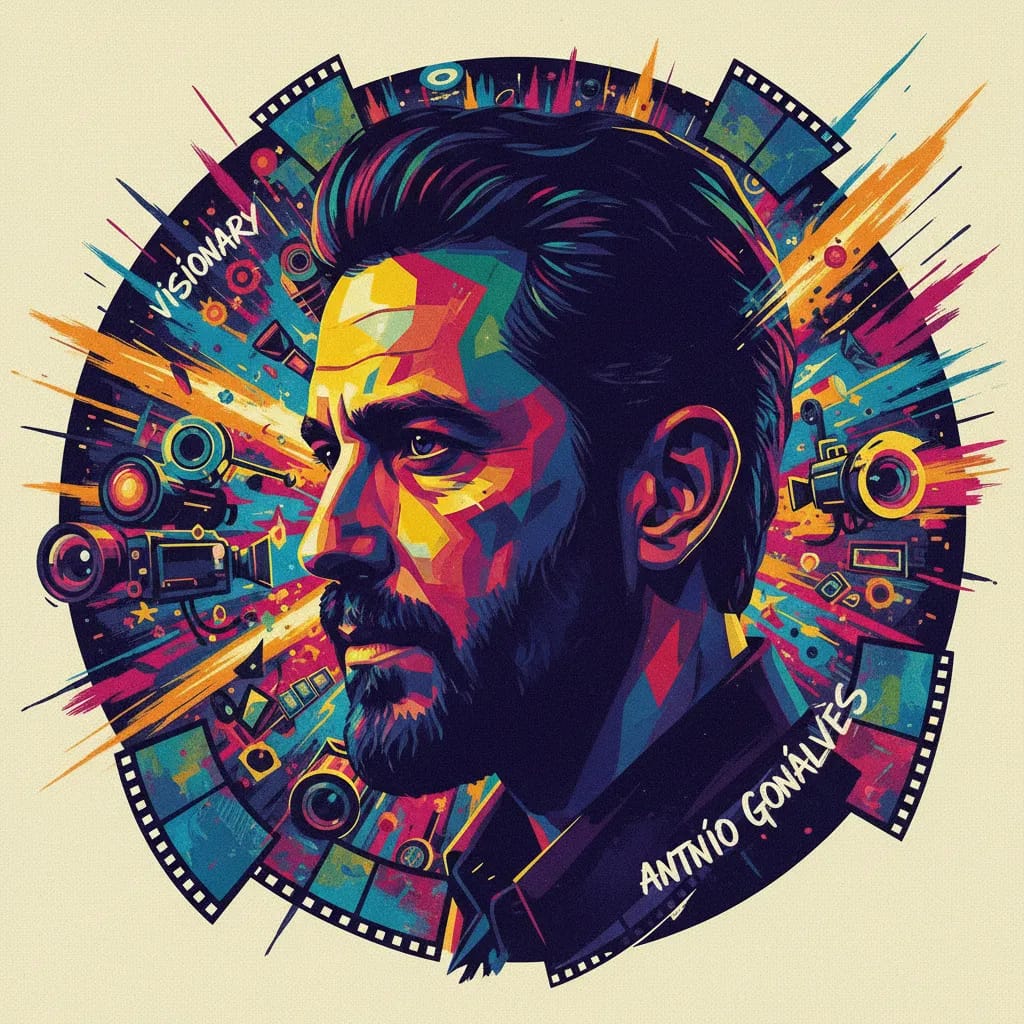
António Gonçalves
António Gonçalves is a Portuguese film director known for his distinct vision and artistry in the horror genre. With a career spanning several decades, Gonçalves has left an indelible mark on cinema with his unique directorial style and thought-provoking storytelling. His filmography includes the acclaimed horror film "Verónica" (2010), which stands as a testament to his ability to elicit genuine fear and suspense from audiences. Gonçalves' directorial style is characterized by his meticulous attention to atmospheric details and his skillful use of tension-building techniques. His films often delve into the psychological and supernatural realms, immersing viewers in a world of palpable dread and unease. "Verónica" exemplifies Gonçalves' mastery of the horror genre, as he weaves a haunting narrative that lingers long after the credits roll. Notable for his explorations of fear, trauma, and the unknown, Gonçalves' recurring themes resonate with audiences on a profound level. His ability to tap into primal fears and universal anxieties sets him apart as a director with a keen understanding of the human psyche. Through his work, Gonçalves has established himself as a visionary storyteller whose films transcend the confines of traditional horror, offering audiences a glimpse into the darker recesses of the human experience. Gonçalves' impact on cinema is undeniable, as he has contributed to the evolution of the horror genre with his innovative approach to storytelling and visual composition. His films have garnered critical acclaim and have solidified his reputation as a director with a unique and compelling voice. As audiences continue to seek out visceral and immersive cinematic experiences, Gonçalves' influence on the genre is sure to endure, leaving an indelible mark on the landscape of horror cinema.
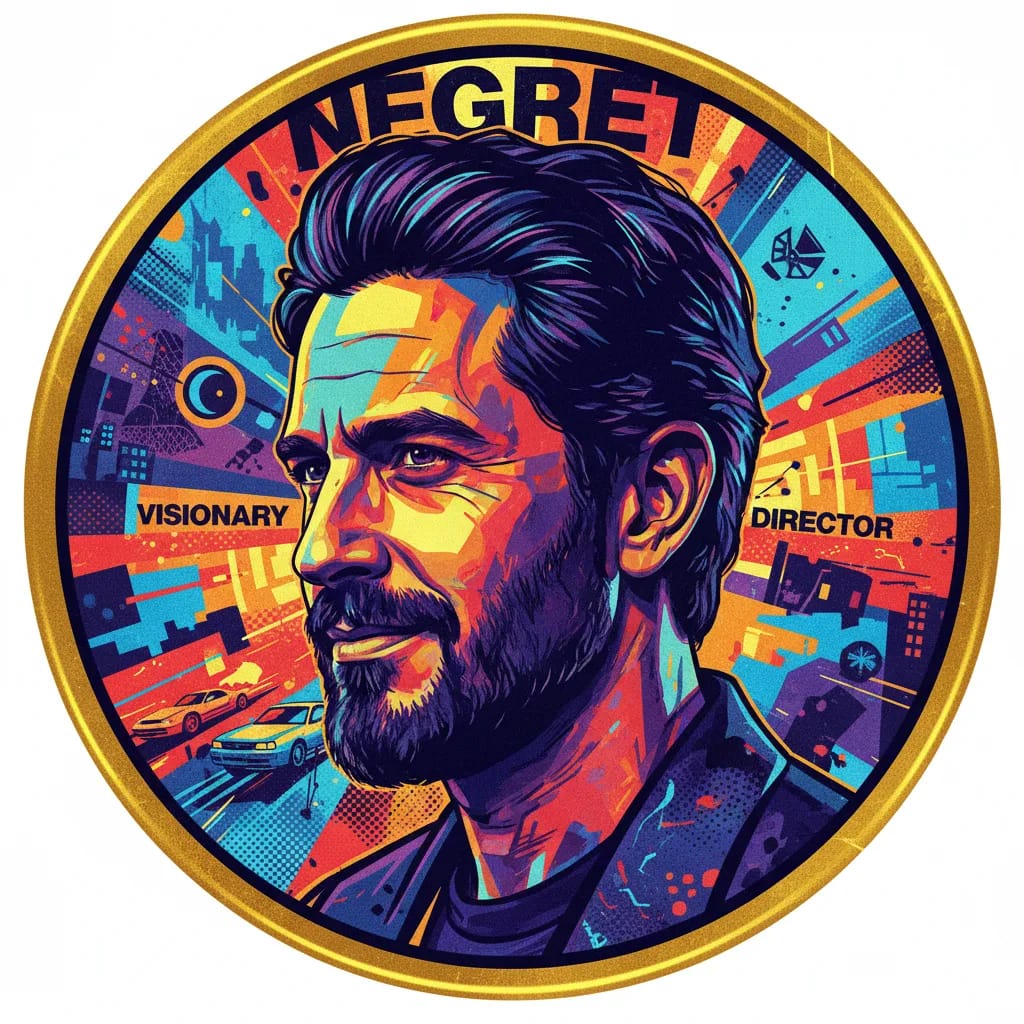
Antonio Negret
Antonio Negret is a talented film director known for his work in the action, adventure, and crime genres. His notable film "Overdrive" (2017) showcases his prowess in creating high-octane, adrenaline-pumping cinema that keeps audiences on the edge of their seats. Negret's directorial style is marked by his ability to seamlessly blend fast-paced action sequences with intricate storytelling, creating an immersive experience for viewers. With "Overdrive," Negret's keen eye for capturing breathtaking car chases and intense heist sequences solidified his reputation as a director with a flair for crafting visually stunning and pulse-pounding films. His ability to infuse the screen with dynamic energy and excitement has made him a sought-after director in the action genre. Throughout his career, Negret has been drawn to themes of brotherhood, betrayal, and redemption, often exploring the dynamics of complex relationships within the framework of high-stakes scenarios. His films often feature morally ambiguous characters navigating treacherous landscapes, adding depth and nuance to the action-packed narratives. Negret's impact on cinema lies in his ability to deliver heart-pounding entertainment while maintaining a strong emphasis on character development and storytelling. His dedication to pushing the boundaries of action cinema has garnered him a dedicated fan base and critical acclaim. In conclusion, Antonio Negret's directorial career is characterized by his commitment to delivering visually striking, adrenaline-fueled films that leave a lasting impression on audiences. With "Overdrive" as a testament to his directorial prowess, Negret continues to be a driving force in the action genre, captivating viewers with his unique vision and storytelling expertise.
Anton Yelchin
Anton Yelchin, known primarily for his acting, made his directorial debut with the film "Porto" in 2016. This lesser-known gem showcased Yelchin's talent as a filmmaker and gave audiences a glimpse of his unique directorial style. Tragically, Yelchin's promising directorial career was cut short due to his untimely death, but his impact on cinema is undeniable. In "Porto," Yelchin displayed a distinct directorial style characterized by intimate storytelling, nuanced performances, and a keen eye for capturing raw emotions. The film's non-linear narrative and evocative visuals demonstrated Yelchin's willingness to experiment with form and structure, marking him as a director unafraid to push artistic boundaries. Yelchin's directorial debut, "Porto," was a poignant portrayal of love and human connection, showcasing his ability to explore complex emotions with sensitivity and depth. The film's rich visual language and atmospheric storytelling reflected Yelchin's keen understanding of cinematic storytelling, cementing his status as a promising new voice in the industry. While Yelchin's directorial career was tragically brief, "Porto" stands as a testament to his talent and potential as a filmmaker. His unique vision and ability to capture the essence of human experience through the lens of cinema left an indelible mark on the film industry. Although his directorial legacy remains limited to a single feature, Yelchin's impact on cinema continues to resonate with audiences and industry professionals alike. In conclusion, Anton Yelchin's directorial career may have been tragically short-lived, but his contribution to cinema is significant. "Porto" serves as a testament to his unique directorial style and artistic sensibilities, leaving a lasting impression on the industry. Yelchin's ability to convey profound emotions and human experiences through his directorial work solidifies his legacy as a talented filmmaker whose potential was tragically cut short.
Antony Hoffman
Antony Hoffman burst onto the Hollywood scene with his directorial debut, "Red Planet" in 2000. This action-packed sci-fi thriller showcased Hoffman's unique directorial style, blending heart-pounding action with thought-provoking science fiction elements. The film received praise for its stunning visual effects and immersive world-building, establishing Hoffman as a visionary director with a knack for creating captivating cinematic experiences. Hoffman's directorial approach is characterized by his meticulous attention to detail and his ability to seamlessly blend cutting-edge visual effects with compelling storytelling. "Red Planet" exemplifies his penchant for creating immersive and visually stunning worlds, setting the stage for his future contributions to the science fiction genre. Notable for its intense action sequences and exploration of humanity's relationship with technology and the unknown, "Red Planet" remains a testament to Hoffman's ability to craft compelling narratives within the realm of science fiction. His directorial vision has left a lasting impact on the genre, inspiring audiences and future filmmakers alike. Throughout his career, Hoffman has demonstrated a commitment to pushing the boundaries of visual storytelling and creating cinematic experiences that captivate audiences. His directorial contributions continue to resonate with fans of science fiction and action cinema, solidifying his status as a director with a distinct and influential voice in the industry. Antony Hoffman's directorial career is defined by his ability to transport audiences to otherworldly realms while delivering pulse-pounding action and thought-provoking themes. With "Red Planet," he established himself as a director with a unique vision and a lasting impact on the world of cinema. As audiences eagerly anticipate his future projects, Hoffman's legacy as a visionary director continues to shine brightly in the realm of science fiction filmmaking.
Ant Timpson
Ant Timpson is a New Zealand film director renowned for his distinctive approach to storytelling and his knack for blending genres. His most notable film to date is "Come to Daddy" (2019), a darkly comedic horror-mystery that showcases his ability to subvert audience expectations and deliver a truly unique cinematic experience. Timpson's directorial style is characterized by his fearless exploration of the human psyche, often delving into the darkest corners of the human experience while infusing his work with a darkly comedic edge. "Come to Daddy" exemplifies Timpson's penchant for crafting narratives that blur the lines between genres, seamlessly blending elements of comedy, horror, and mystery to create a film that defies categorization. The film's success lies in Timpson's ability to infuse it with a sense of unpredictability and tension, keeping audiences on the edge of their seats while also eliciting nervous laughter. This ability to navigate the complexities of human emotion and experience is a hallmark of Timpson's directorial approach. Throughout his career, Timpson has exhibited a keen interest in exploring themes of familial dysfunction, existential dread, and the absurdity of human existence. His films often confront audiences with uncomfortable truths, challenging them to confront the darker aspects of humanity while also finding moments of levity within the darkness. This juxtaposition of the macabre and the comedic has become a trademark of Timpson's work, setting him apart as a director unafraid to push boundaries and challenge audience expectations. Timpson's impact on cinema lies in his ability to carve out a unique niche within the industry, offering audiences a fresh perspective on storytelling and genre. His willingness to defy conventions and blend disparate elements has earned him a dedicated following of fans who appreciate his willingness to take risks and explore the uncharted territory of human experience. As Timpson continues to push the boundaries of genre filmmaking, his influence on the industry is sure to endure, cementing his status as a director with an uncompromising vision and a commitment to pushing the medium to new and unexpected places.
Anubhav Sinha
Anubhav Sinha is a highly acclaimed Indian film director known for his thought-provoking storytelling and ability to tackle socially relevant themes with a keen cinematic eye. With a diverse filmography that spans across multiple genres, Sinha has consistently delivered impactful and engaging narratives that have resonated with audiences and critics alike. In 2018, Sinha garnered widespread praise for his directorial work in "Mulk," a powerful drama that delved into the complex issues of religious intolerance and societal prejudices. The film showcased Sinha's adeptness at navigating sensitive subjects with nuance and empathy, establishing him as a director unafraid to confront challenging realities through his art. Sinha's directorial style is characterized by a compelling blend of gripping storytelling, compelling character development, and a strong emphasis on social commentary. His ability to seamlessly weave together intricate narratives while maintaining a firm grip on the emotional core of his characters has set him apart as a director with a distinct voice in the industry. One of Sinha's most notable works includes "Article 15," a gripping crime drama that shed light on the pervasive caste-based discrimination in India. The film received widespread acclaim for its unflinching portrayal of social injustices and showcased Sinha's commitment to shedding light on pertinent societal issues through the medium of cinema. Sinha's impact on Indian cinema extends beyond his individual films, as he has consistently demonstrated a dedication to pushing the boundaries of storytelling and challenging the status quo. His directorial prowess has not only earned him accolades within the industry but has also sparked critical conversations around the themes and issues he fearlessly addresses in his films. With an impressive repertoire that includes the action-packed "Ra.One," the poignant "Thappad," and the upcoming historical drama "Bheed," Anubhav Sinha continues to carve a unique space for himself in the world of filmmaking, leaving an indelible mark through his distinctive directorial vision and unwavering commitment to creating cinema that resonates on a profound and thought-provoking level.

Anubhuti Kashyap
Anubhuti Kashyap is an Indian film director known for her unique storytelling and directorial style. With her recent film "Doctor G" (2022), a comedy-drama that has garnered critical acclaim, she has solidified her position as a director with a fresh perspective in Indian cinema. Kashyap's directorial approach often blends humor with poignant drama, creating films that resonate with audiences on an emotional level while also delivering thought-provoking narratives. In "Doctor G," Kashyap showcases her ability to infuse humor into serious subject matters, tackling societal issues with a light-hearted touch. Her directorial style often incorporates a mix of sharp wit, relatable characters, and a keen observation of human behavior, making her films both entertaining and insightful. This unique blend of comedy and drama has become a hallmark of Kashyap's directorial work, setting her apart in the Indian film industry. With "Doctor G," Anubhuti Kashyap continues to explore themes of societal norms, gender dynamics, and human relationships, demonstrating her commitment to portraying authentic and relatable stories on screen. Her ability to dive into these complex themes with a refreshing and nuanced approach has garnered her a dedicated following and critical acclaim. Anubhuti Kashyap's impact on Indian cinema is evident through her ability to challenge traditional storytelling conventions and bring a fresh perspective to the screen. Her films have resonated with audiences, sparking important conversations while also entertaining and engaging viewers. As she continues to carve her path as a director, Kashyap's unique vision and contributions to cinema are sure to leave a lasting impression on the industry, making her a director to watch in the years to come.
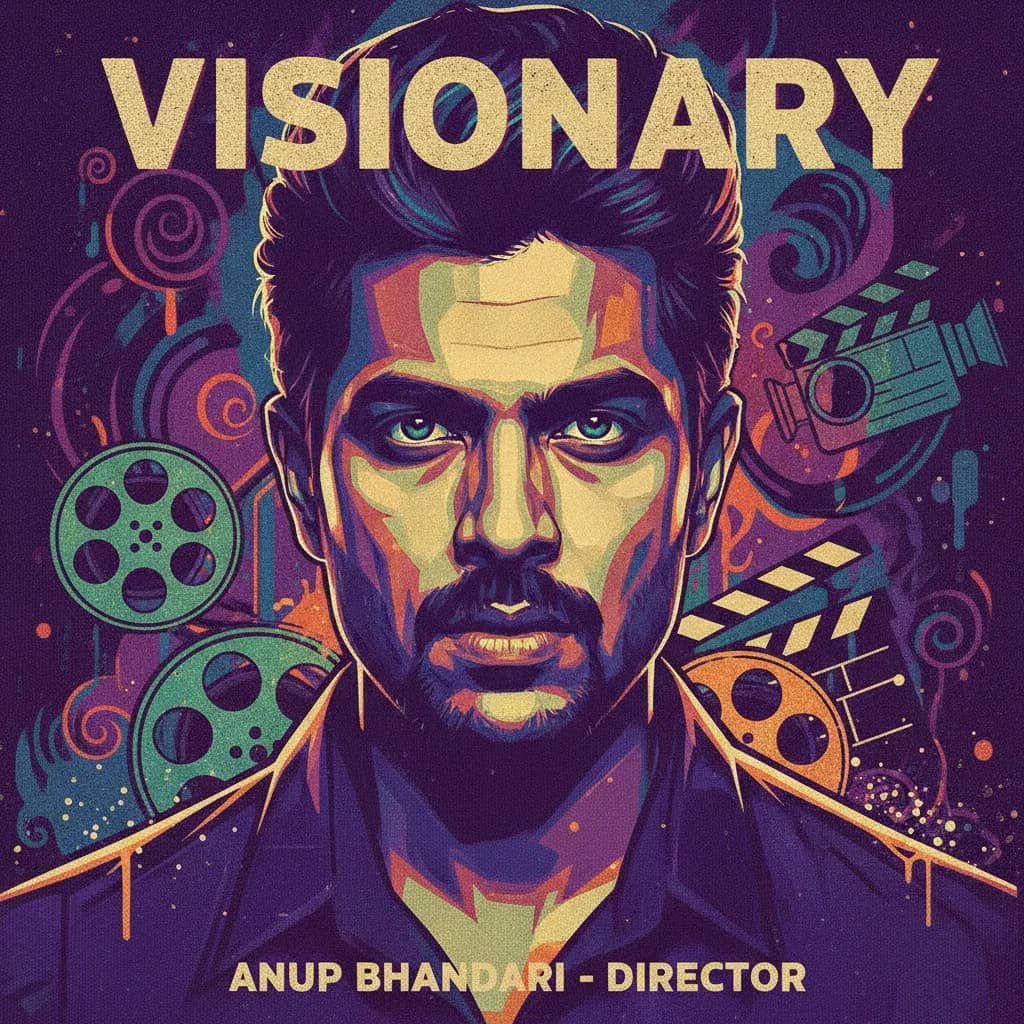
Anup Bhandari
Anup Bhandari is a visionary filmmaker known for his distinct directorial style and captivating storytelling. With a keen eye for mystery, thriller, action, and drama, Bhandari has left an indelible mark on the Indian film industry. His notable works include "RangiTaranga" (2015) and the highly anticipated "Vikrant Rona" (2022). "RangiTaranga" marked Bhandari's directorial debut and quickly garnered widespread acclaim for its gripping narrative and atmospheric storytelling. The film, a mystery-thriller, showcased Bhandari's adeptness at creating immersive cinematic experiences that captivate audiences. His meticulous attention to detail and ability to build suspense have solidified his reputation as a masterful storyteller. With "Vikrant Rona," Bhandari ventures into the realm of action, crime, and drama, signaling a bold expansion of his directorial repertoire. Anticipation surrounding the film is palpable, as audiences eagerly await Bhandari's signature blend of compelling characters, intricate plotlines, and stunning visuals. His commitment to pushing boundaries and crafting genre-defying narratives has positioned him as a trailblazer in contemporary cinema. Bhandari's films often explore themes of intrigue, human complexity, and the interplay between light and darkness. His unique vision and ability to seamlessly intertwine genres have garnered him a dedicated following and critical acclaim. Through his work, Bhandari continues to redefine storytelling in Indian cinema, leaving an enduring impact on the industry. In conclusion, Anup Bhandari's directorial career is characterized by an unwavering commitment to pushing creative boundaries and delivering immersive, thought-provoking experiences. His ability to seamlessly navigate across genres while maintaining a distinct directorial voice sets him apart as a visionary filmmaker. As he continues to captivate audiences with his storytelling prowess, Bhandari's influence on cinema is poised to endure for years to come.
Anurag Basu
Anurag Basu is a prolific Indian filmmaker known for his distinct directorial style and ability to seamlessly blend genres in his films. His career began in television, where he gained recognition for his work on popular soap operas before transitioning to the big screen. Basu's filmography boasts an impressive array of diverse and critically acclaimed films, showcasing his versatility and innovative storytelling. One of Basu's most notable works is "Barfi!" (2012), a heartwarming romantic comedy that garnered widespread acclaim for its touching narrative and exceptional performances. The film's unconventional storytelling and visually stunning cinematography solidified Basu's reputation as a visionary director with a keen eye for capturing human emotions on screen. "Barfi!" also marked a significant departure from traditional Bollywood conventions, earning Basu accolades for his refreshing approach to storytelling. In "Life in a Metro" (2007), Basu delved into the complexities of urban life, weaving together multiple narratives to explore the intricacies of relationships and human connections. The film's poignant portrayal of modern-day dilemmas resonated with audiences and critics alike, further establishing Basu as a director with a penchant for thought-provoking storytelling and nuanced character development. Basu's foray into the realm of action and adventure came with "Jagga Jasoos" (2017), a visually stunning and whimsical musical that showcased his ability to infuse elements of fantasy and spectacle into his storytelling. The film's innovative approach to narrative structure and genre blending highlighted Basu's commitment to pushing the boundaries of traditional filmmaking, solidifying his status as a trailblazing director in the Indian film industry. In "Ludo" (2020), Basu once again displayed his mastery of intertwining multiple storylines within a cohesive narrative, creating a darkly comedic crime caper that captivated audiences with its unpredictable twists and turns. The film's seamless amalgamation of humor, suspense, and emotional depth underscored Basu's unique directorial voice and his ability to craft compelling stories across diverse genres. Anurag Basu's impact on Indian cinema extends beyond his individual films, as he has consistently challenged cinematic norms and redefined storytelling conventions. His ability to seamlessly blend genres, evoke powerful performances from his actors, and craft visually captivating narratives has solidified his position as a visionary director with a lasting influence on the landscape of contemporary filmmaking. With a penchant for pushing artistic boundaries and a commitment to storytelling innovation, Basu continues to
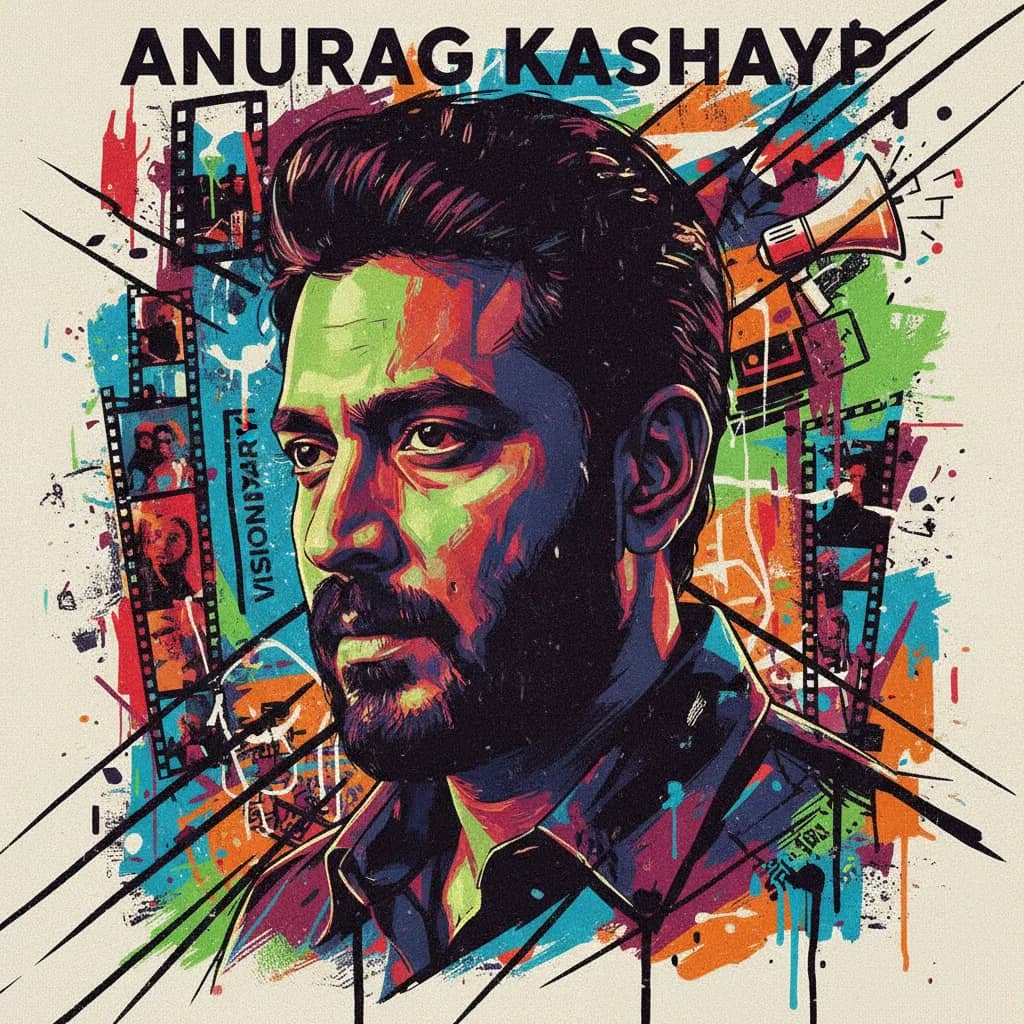
Anurag Kashyap
Anurag Kashyap is a visionary Indian film director known for his bold and gritty storytelling, pushing the boundaries of cinema with his unapologetic and realistic portrayal of society. With a career spanning over two decades, Kashyap has established himself as a trailblazer in the Indian film industry, earning both critical acclaim and a dedicated fan base. His directorial style is characterized by raw and intense narratives, often delving into the underbelly of society and exploring the complexities of human nature. Kashyap's filmography boasts a diverse range of impactful and thought-provoking films. "Gangs of Wasseypur" (2012) is arguably his magnum opus, a sweeping epic that spans generations, blending elements of action, comedy, and crime to create a compelling saga of power, revenge, and family dynamics. "Dev.D" (2009) reimagines the classic novel "Devdas" with a contemporary twist, delving into themes of love, addiction, and self-destruction. "Black Friday" (2004) stands as a haunting and unflinching portrayal of the 1993 Bombay bombings, showcasing Kashyap's ability to tackle real-life events with unparalleled authenticity. Central to Kashyap's body of work are recurring themes of societal upheaval, moral ambiguity, and the human psyche. His films often confront taboo subjects and challenge conventional norms, offering a stark reflection of the complexities within Indian society. Kashyap's unyielding commitment to authenticity and his willingness to explore the darker aspects of human behavior have left an indelible mark on Indian cinema, inspiring a new wave of filmmakers to fearlessly tackle controversial subjects. Anurag Kashyap's impact on cinema extends far beyond his directorial accomplishments. He has been instrumental in nurturing and promoting emerging talent, serving as a mentor and producer for a new generation of filmmakers. His dedication to independent and unconventional storytelling has reshaped the landscape of Indian cinema, earning him a reputation as a maverick auteur who fearlessly challenges the status quo. With his latest film "Dobaaraa" (2022), Kashyap continues to push the boundaries of storytelling, cementing his legacy as a visionary director whose influence will resonate for years to come.

Anurag Singh
Anurag Singh is an esteemed Indian film director known for his impactful storytelling and visually stunning cinematic style. With a career spanning over a decade, Singh has made a significant mark on the industry with his ability to seamlessly blend action, drama, and historical elements in his films. His most notable work includes the 2019 epic war film "Kesari," which solidified his position as a director with a keen eye for historical narratives. Singh's directorial style is characterized by his masterful command of storytelling, often delving into the complexities of human emotions and the resilience of the human spirit in the face of adversity. His films are known for their gripping narrative arcs, breathtaking visuals, and meticulous attention to historical details, making them a compelling viewing experience for audiences. "Kesari," in particular, stands as a testament to Singh's directorial prowess, as he expertly brought to life the awe-inspiring true story of the Battle of Saragarhi. The film not only showcased Singh's ability to craft intense and emotionally charged battle sequences but also highlighted his dedication to honoring the historical events and the individuals involved. Through his direction, Singh effectively conveyed the valor and sacrifice of the soldiers, leaving a lasting impact on audiences and critics alike. Throughout his career, Singh has exhibited a penchant for exploring themes of bravery, patriotism, and the indomitable human spirit, which have become recurring motifs in his body of work. His ability to infuse historical narratives with contemporary relevance has earned him a reputation as a director who brings compelling stories to the forefront of Indian cinema. Anurag Singh's contributions to cinema have left an indelible mark, with "Kesari" serving as a testament to his directorial prowess and storytelling acumen. His unique vision and commitment to bringing untold stories to the silver screen have solidified his status as a director to watch, and his future projects are eagerly anticipated by audiences and critics alike.

Anusha Rizvi
Anusha Rizvi is an Indian film director known for her remarkable debut feature, "Peepli Live" (2010), which seamlessly blends comedy and drama to shed light on the harsh realities of rural India. Rizvi's directorial style is characterized by her ability to infuse poignant social commentary with a touch of humor, creating a compelling and thought-provoking cinematic experience. "Peepli Live" garnered critical acclaim for its incisive portrayal of the media's sensationalism and the complex dynamics of poverty and politics in rural settings. Rizvi's directorial debut marked a significant contribution to Indian cinema, as it provided a platform for marginalized narratives and shed light on pressing social issues. The film's success solidified Rizvi's reputation as a director with a keen eye for storytelling and a commitment to addressing pertinent societal issues. Rizvi's ability to navigate sensitive subjects with nuance and wit has made her a distinctive voice in the Indian film industry. Notable for her astute observation of the human condition and her ability to juxtapose humor and pathos, Rizvi's work often delves into the complexities of rural life, the struggles of the disenfranchised, and the impact of media sensationalism on society. Her directorial approach is marked by a deep understanding of her subjects, and she has a knack for eliciting authentic performances from her actors. Rizvi's impact on Indian cinema is underscored by her unwavering dedication to amplifying underrepresented voices and shedding light on social injustices. Her directorial debut, "Peepli Live," remains a testament to her ability to craft compelling narratives that resonate with audiences while offering a poignant commentary on the state of contemporary society. As a director, Rizvi continues to be a trailblazer, using her craft to provoke meaningful conversations and challenge societal norms through the lens of her unique storytelling sensibilities.