Director Names Starting with A
Showing 265-276 out of 342
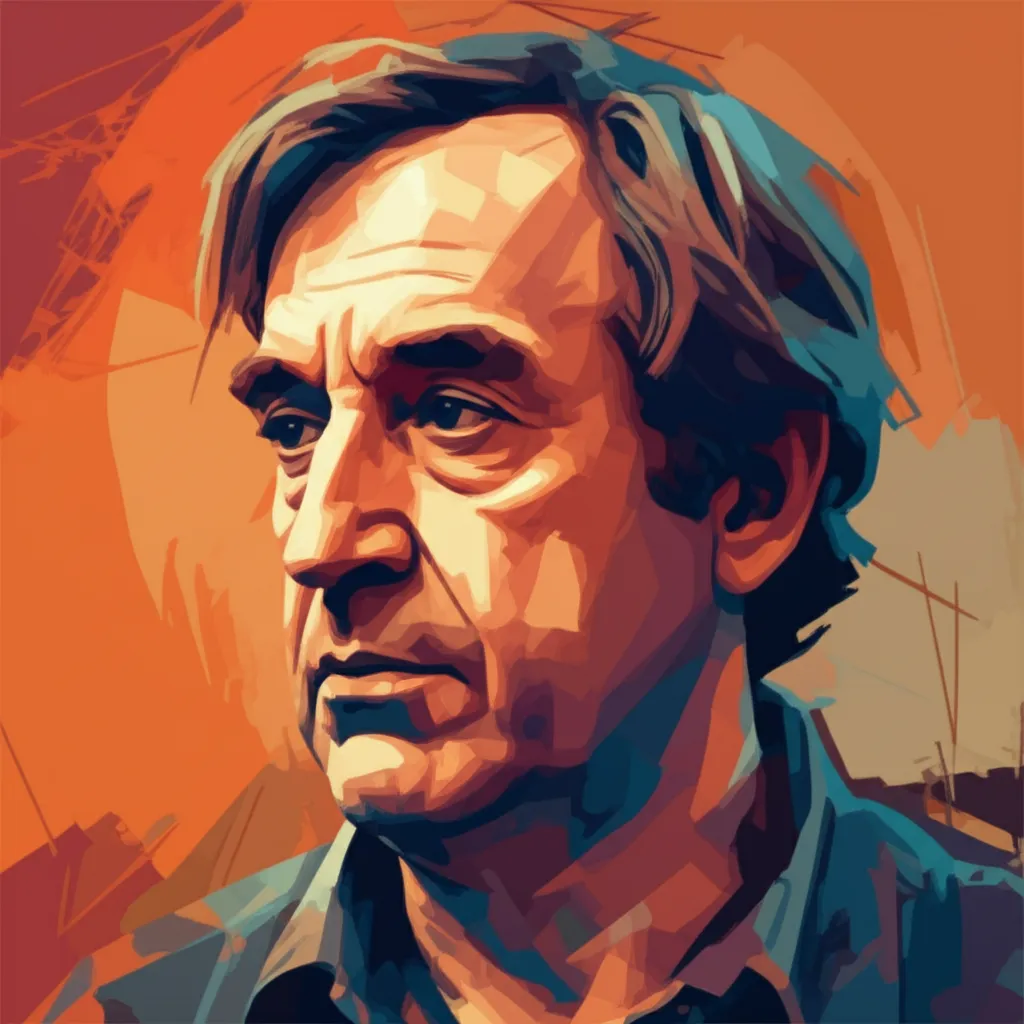
Anthony Minghella
Anthony Minghella was a British film director and screenwriter known for his exceptional storytelling prowess and visually stunning cinematography. He made a significant impact on cinema with his distinct directorial style and ability to bring compelling narratives to life on the screen. Minghella's films often delved into complex human emotions, relationships, and the effects of war and adversity on individuals, making his work resonate with audiences worldwide. One of Minghella's most notable works is "The English Patient" (1996), a sweeping romantic drama set against the backdrop of World War II. The film received critical acclaim and won nine Academy Awards, including Best Director for Minghella, solidifying his status as a masterful filmmaker. His adeptness at intertwining intricate character dynamics with historical settings and poignant storytelling became a hallmark of his directorial approach. In "The Talented Mr. Ripley" (1999), Minghella demonstrated his versatility by helming a gripping crime thriller filled with psychological tension and moral ambiguity. The film showcased his ability to craft multifaceted characters and maintain a sense of suspense throughout the narrative. Minghella's directorial vision was further showcased in "Cold Mountain" (2003), an epic adventure drama that captivated audiences with its sweeping landscapes and emotionally charged storytelling. Throughout his career, Minghella's films frequently explored themes of love, loss, and the human spirit's resilience in the face of adversity. His directorial style often emphasized rich visual imagery, nuanced performances, and a keen attention to detail, which contributed to the enduring impact of his work on the cinematic landscape. Minghella's untimely passing in 2008 left a void in the film industry, but his contributions continue to inspire aspiring filmmakers and captivate audiences with their enduring emotional depth and cinematic artistry.

Anthony Perkins
Anthony Perkins is best known for his iconic role as Norman Bates in Alfred Hitchcock's Psycho, but he also made a mark as a director with his work on Psycho III. Perkins' directorial style in Psycho III is characterized by a keen understanding of suspense, psychological depth, and a masterful control of visual storytelling. His filmography as a director may be limited, but his impact on the horror genre is undeniable. In Psycho III, Perkins brings his characteristically eerie and atmospheric touch to the screen, creating a palpable sense of dread that permeates every frame. His directorial approach marries the psychological complexity of his acting with a keen visual sensibility, resulting in a film that is both chilling and thought-provoking. His ability to elicit genuine fear from the audience while delving into the intricate workings of the human mind is a testament to his directorial prowess. Perkins' notable film, Psycho III, continues the legacy of the original Psycho, exploring themes of identity, trauma, and the blurred lines between sanity and madness. His directorial vision is marked by a deep understanding of the human psyche, as well as a willingness to push the boundaries of traditional horror storytelling. His impact on cinema lies in his ability to craft a film that is both terrifying and introspective, leaving a lasting impression on audiences and influencing the genre for years to come. While Perkins' directorial career may have been brief, his contributions to the horror genre are enduring. His unique vision and directorial style continue to inspire filmmakers, and his legacy as both an actor and a director cements his rightful place in the annals of cinematic history. Psycho III stands as a testament to Perkins' directorial talent, showcasing his ability to craft a truly haunting and unforgettable film that remains a standout in the horror genre.

Anthony Russo
Anthony Russo, alongside his brother Joe Russo, has become a prominent figure in the film industry, known for his exceptional directorial skills and ability to craft compelling narratives across various genres. The Russo brothers are recognized for their work on several high-profile projects, with a particular focus on the superhero genre. Their directorial debut, "Welcome to Collinwood" (2002), showcased their early talent for blending comedy and crime elements. However, it was their involvement in the Marvel Cinematic Universe that propelled them to international acclaim. The Russo brothers' impact on cinema is most notably exemplified through their work on the Marvel films, including "Captain America: The Winter Soldier" (2014), "Captain America: Civil War" (2016), "Avengers: Infinity War" (2018), and "Avengers: Endgame" (2019). Their directorial style is characterized by a seamless integration of action, drama, and character-driven storytelling, which has resonated with audiences globally. Their ability to balance larger-than-life spectacle with emotional depth has redefined the superhero genre and set new standards for blockbuster filmmaking. In addition to their superhero epics, the Russo brothers have also ventured into other genres, such as comedy and crime, as seen in "You, Me and Dupree" (2006) and the recent crime drama "Cherry" (2021). This demonstrates their versatility as filmmakers and their willingness to explore diverse storytelling avenues. Their filmography reflects a recurring theme of human resilience and the complexities of moral choices, evident in both their superhero narratives and character-driven dramas. The Russo brothers' impact on cinema extends beyond their individual films, as they have played a pivotal role in shaping the interconnected Marvel Cinematic Universe and influencing the direction of modern blockbuster filmmaking. Their unique vision and ability to deliver compelling, emotionally resonant narratives within the framework of commercial entertainment have solidified their status as influential directors in the industry. As they continue to expand their creative horizons with upcoming projects like "The Gray Man" (2022), audiences can anticipate further groundbreaking contributions from the Russo brothers.
Anthony Scott Burns
Anthony Scott Burns is a Canadian filmmaker known for his unique blend of fantasy, horror, and mystery genres. His directorial debut came with the segment "Father’s Day" in the horror anthology "Holidays" (2016). Burns' work is characterized by its haunting visuals, atmospheric storytelling, and a keen ability to tap into primal fears. His distinct directorial style sets him apart in the industry, as he infuses his films with a sense of foreboding and surrealism that leaves a lasting impact on audiences. In "Holidays," Burns showcases his knack for creating a sense of unease and tension, using striking visuals and unsettling narratives to immerse viewers in a world where the line between reality and nightmare blurs. His directorial approach often revolves around exploring the darker aspects of human nature, delving into themes of fear, loss, and the unknown. This thematic exploration, coupled with his visually arresting style, has solidified Burns as a director with a penchant for crafting gripping and thought-provoking stories. With "Holidays," Burns made a notable entry into the film industry, leaving a lasting impression with his segment that resonated with horror and fantasy enthusiasts. His work reflects a directorial vision that challenges conventional storytelling and taps into the subconscious, offering audiences a cinematic experience that lingers long after the credits roll. Through his contributions to the genre, Burns has carved out a niche for himself as a director who fearlessly explores the depths of human psyche, consistently pushing the boundaries of traditional filmmaking. In the realm of cinema, Anthony Scott Burns stands out as a visionary director who brings a unique perspective to storytelling. His commitment to creating visually arresting narratives, coupled with his exploration of profound themes, has left an indelible mark on the industry. As he continues to evolve as a filmmaker, audiences can anticipate more boundary-pushing work from Burns, cementing his status as a director to watch in the realms of fantasy, horror, and mystery.
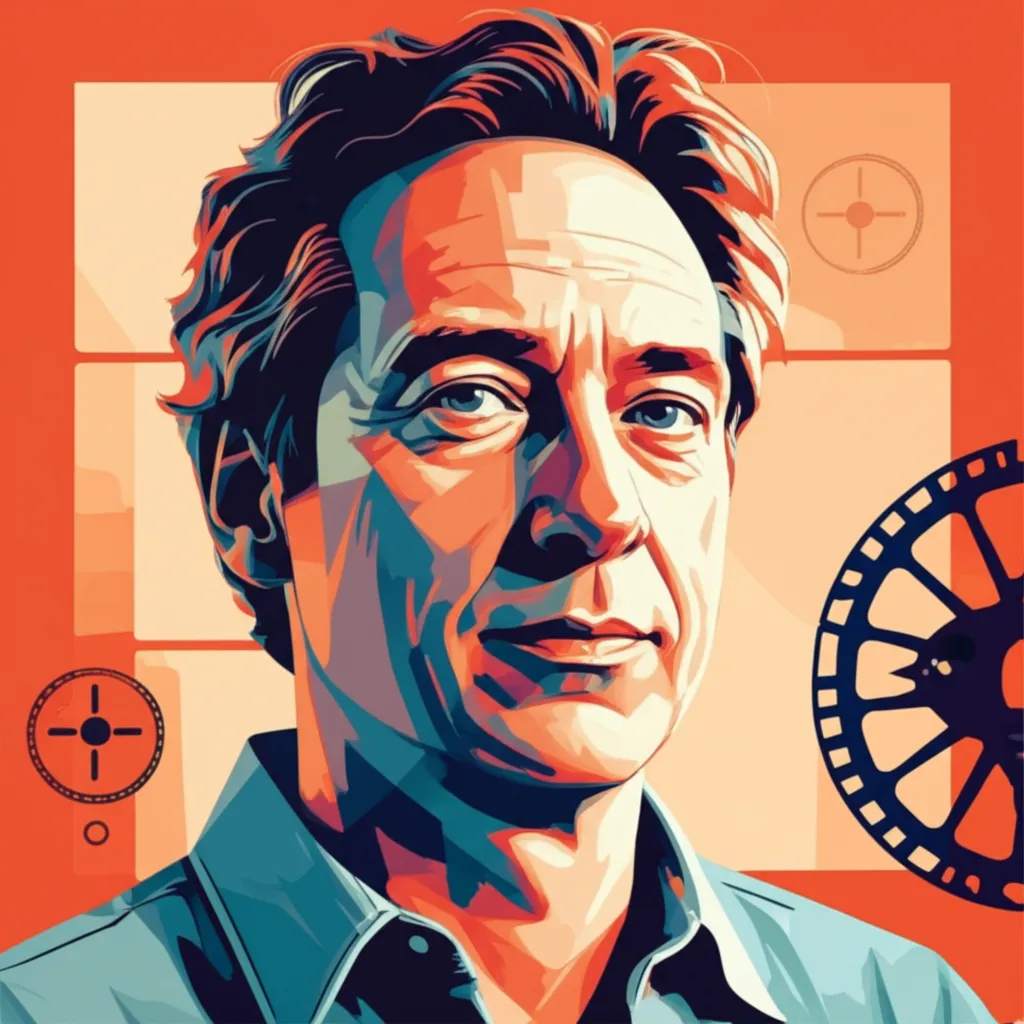
Anthony Stacchi
Anthony Stacchi is a renowned director known for his exceptional work in animation. He made his mark on the film industry with his directorial debut, "The Boxtrolls" in 2014. The movie, a delightful blend of animation, adventure, and comedy, showcased Stacchi's unique directorial style and creative vision. Stacchi's directorial approach is characterized by his ability to infuse whimsy, humor, and heart into his films, captivating audiences of all ages. His meticulous attention to detail and storytelling prowess has solidified his status as a visionary director in the world of animation. "The Boxtrolls" marked a significant milestone in Stacchi's career, earning critical acclaim and delighting audiences worldwide. The film's success further solidified Stacchi's reputation as a director with a distinct creative voice. Stacchi's films often explore themes of friendship, resilience, and the triumph of the underdog, resonating with viewers on a profound emotional level. His ability to infuse depth and nuance into his storytelling sets him apart as a director with a profound understanding of the human experience. Stacchi's impact on cinema extends beyond his individual films, as he has contributed to the evolution of animation as an art form. His innovative approach to storytelling and animation techniques has pushed the boundaries of what can be achieved in the medium, inspiring a new generation of animators and filmmakers. Stacchi's commitment to excellence and his unwavering dedication to his craft have left an indelible mark on the film industry, cementing his legacy as a visionary director. In conclusion, Anthony Stacchi's directorial career is defined by his unparalleled creativity, storytelling prowess, and commitment to pushing the boundaries of animation. His film "The Boxtrolls" stands as a testament to his ability to craft compelling narratives that resonate with audiences on a profound level. As a director, Stacchi continues to shape the landscape of animation, leaving an enduring impact on cinema and inspiring future generations of filmmakers.
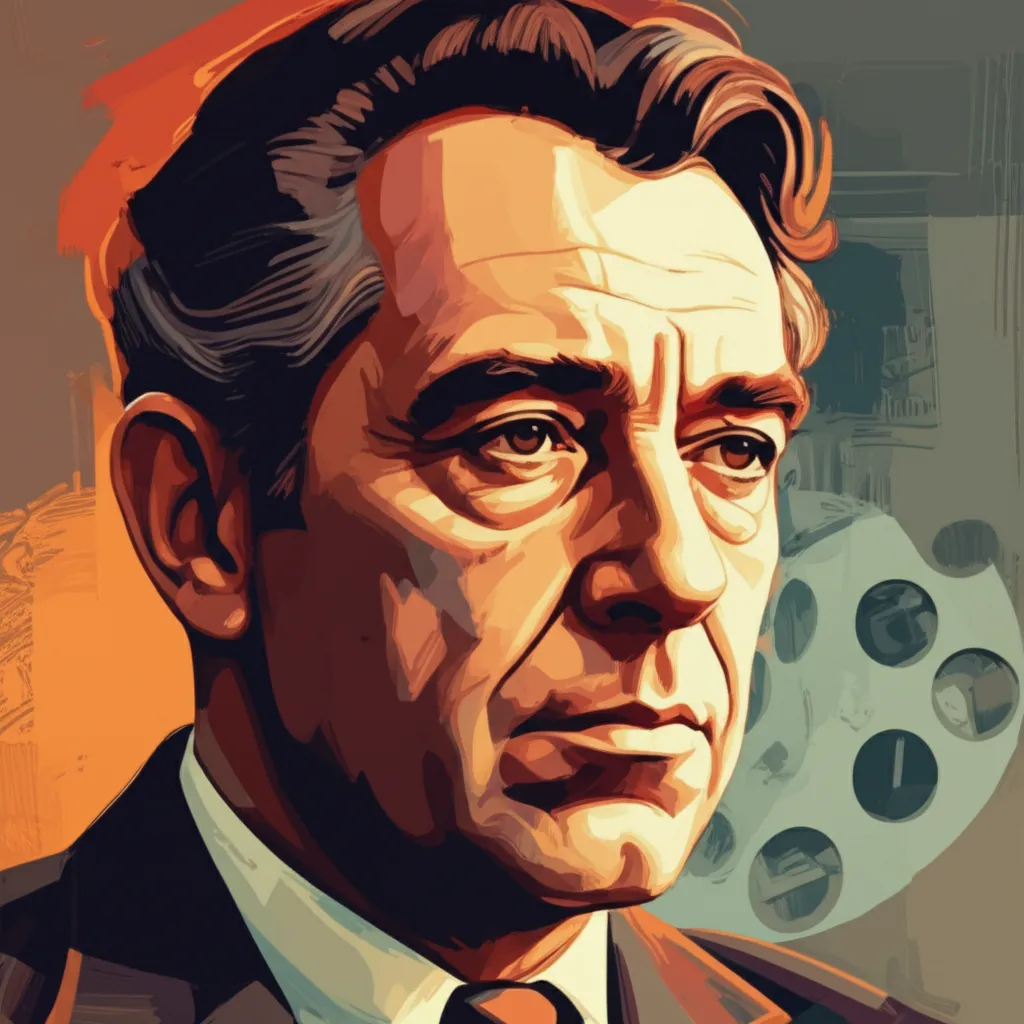
Anthony Veiller
Anthony Veiller was a film director known for his impactful contributions to the world of cinema. His notable work includes the 1943 film "The Battle of Britain," which showcased his ability to blend action, drama, and historical themes into a compelling narrative. Veiller's directorial style was characterized by his attention to detail, meticulous storytelling, and a keen eye for capturing the human experience within historical contexts. His knack for bringing historical events to life on the silver screen solidified his reputation as a director with a unique vision and a profound impact on the industry. "The Battle of Britain" stands as a testament to Veiller's directorial prowess, as he skillfully depicted the intense aerial battles and the human resilience during the pivotal moments of World War II. His ability to infuse historical accuracy with gripping storytelling cemented the film as a classic in the war genre. Veiller's directorial approach often revolved around capturing the human spirit amidst historical turmoil, showcasing his recurring theme of resilience, bravery, and the human experience in the face of adversity. Veiller's impact on cinema extends beyond his individual films, as his work paved the way for future directors to explore historical narratives with a deep sense of authenticity and emotional resonance. His dedication to meticulous research and compelling storytelling set a standard for historical dramas, influencing subsequent filmmakers to delve into the complexities of historical events with depth and nuance. In conclusion, Anthony Veiller's directorial legacy is marked by his ability to bring historical events to life with authenticity and emotional depth. His film "The Battle of Britain" stands as a testament to his unique vision and impact on the war genre, solidifying his place in cinematic history as a director who masterfully depicted the human experience within historical contexts. Veiller's contributions continue to inspire filmmakers to explore the richness of history with a profound understanding of the human spirit, leaving an indelible mark on the world of cinema.

Anthony Waller
Anthony Waller is a British film director known for his work in the comedy, fantasy, and horror genres. His most notable film is "An American Werewolf in Paris," released in 1997. Waller's directorial style is characterized by his ability to blend comedy, fantasy, and horror elements to create unique and engaging cinematic experiences. His films often feature a mix of dark humor, supernatural elements, and visually striking imagery, showcasing his versatility as a director. "An American Werewolf in Paris" stands as Waller's most recognizable work, a follow-up to John Landis's classic horror-comedy "An American Werewolf in London." Waller's take on the werewolf mythology injected a fresh dose of humor and modernity into the franchise, earning praise for its innovative approach to the genre. The film's success solidified Waller's reputation as a director capable of breathing new life into established film concepts while delivering a visually captivating and entertaining experience. Throughout his career, Waller has demonstrated a penchant for exploring the intersection of comedy and horror, infusing his films with a distinct blend of lightheartedness and macabre elements. His unique vision has left an indelible mark on the horror-comedy genre, influencing subsequent directors and contributing to the evolution of cinematic storytelling. Waller's ability to craft narratives that seamlessly weave together disparate genres has established him as a director with a keen understanding of audience engagement and entertainment. In the realm of cinema, Anthony Waller's contributions have expanded the boundaries of the horror-comedy genre, showcasing the enduring appeal of blending humor and supernatural themes. His skillful direction and inventive storytelling have left an enduring impact on audiences and fellow filmmakers alike, cementing his status as a visionary director with a distinct creative voice. As the film industry continues to evolve, Waller's unique approach to genre-blending and storytelling ensures his enduring relevance in the pantheon of visionary directors.
Antoine Fuqua
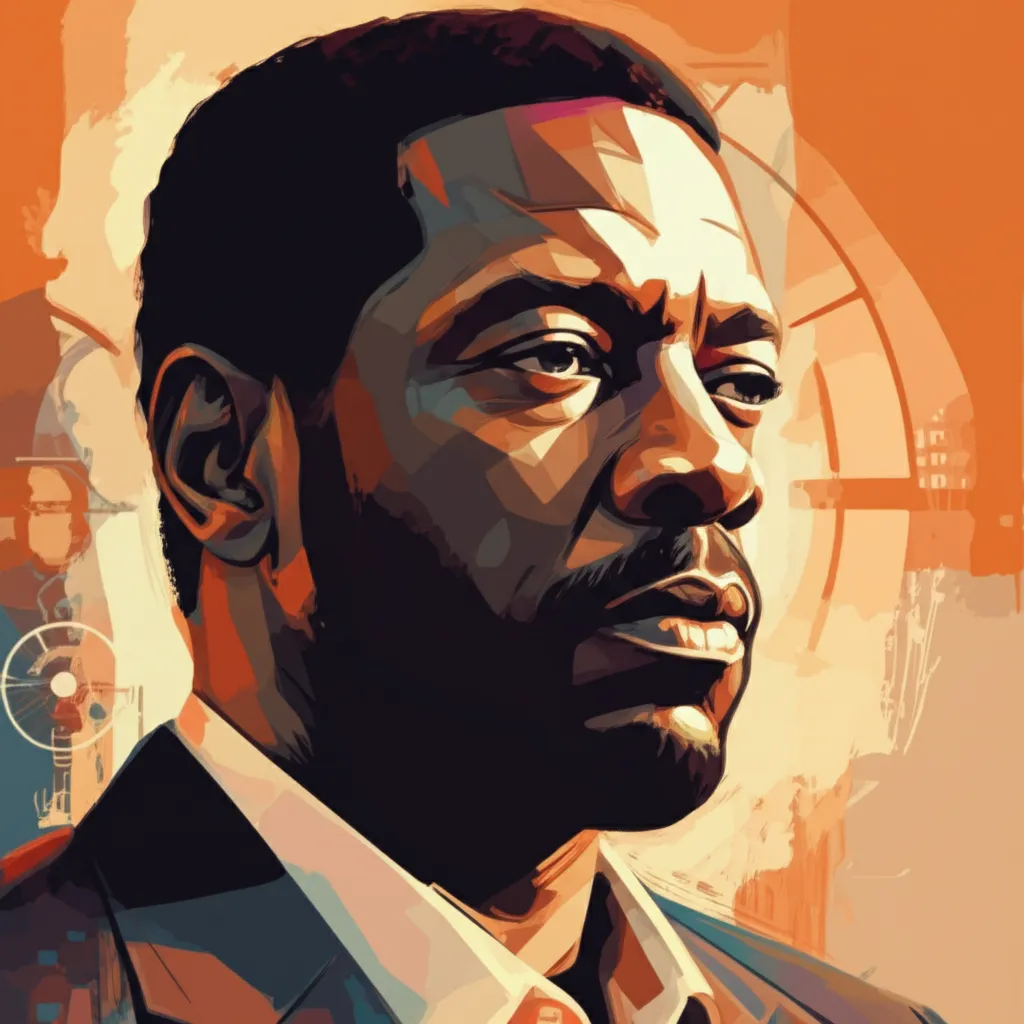
Antoine Fuqua is a prolific director known for his gripping, action-packed films that have captivated audiences worldwide. His directorial style is characterized by intense, high-octane action sequences and compelling storytelling. Fuqua's notable films showcase his ability to seamlessly blend genres, from crime thrillers to action-packed dramas, demonstrating his versatility and creative range. One of Fuqua's most significant contributions to cinema is his ability to infuse social commentary and thought-provoking themes into his action-oriented films. "Training Day" (2001), for which Fuqua earned an Academy Award nomination for Best Director, delves into the corrupt underbelly of law enforcement, exploring moral ambiguity and ethical dilemmas. This film not only solidified Fuqua's status as a director to watch but also left a lasting impact on the crime thriller genre. Fuqua's filmography also includes "The Equalizer" (2014) and its sequel, "The Equalizer 2" (2018), which showcase his penchant for creating compelling narratives anchored by complex characters in morally ambiguous worlds. Furthermore, "Olympus Has Fallen" (2013) and "Shooter" (2007) highlight Fuqua's ability to craft high-stakes, adrenaline-fueled action sequences, solidifying his reputation as a master of the action genre. In addition to his action-packed films, Fuqua has also ventured into historical dramas with "King Arthur" (2004) and is set to make a significant impact with the upcoming film "Emancipation" (2022), a highly anticipated action-thriller that promises to further showcase his directorial prowess. With a filmography that spans a wide range of genres and themes, Antoine Fuqua continues to leave an indelible mark on cinema, captivating audiences with his unique vision and cinematic storytelling. In summary, Antoine Fuqua's directorial career is defined by his ability to create compelling, socially relevant films that seamlessly blend intense action with thought-provoking narratives. His impact on cinema is undeniable, as he continues to push boundaries and challenge audiences with his dynamic storytelling and visually arresting action sequences. Fuqua's films stand as a testament to his creative vision, cementing his status as a director who has left an enduring mark on the world of filmmaking.
Anton Corbijn
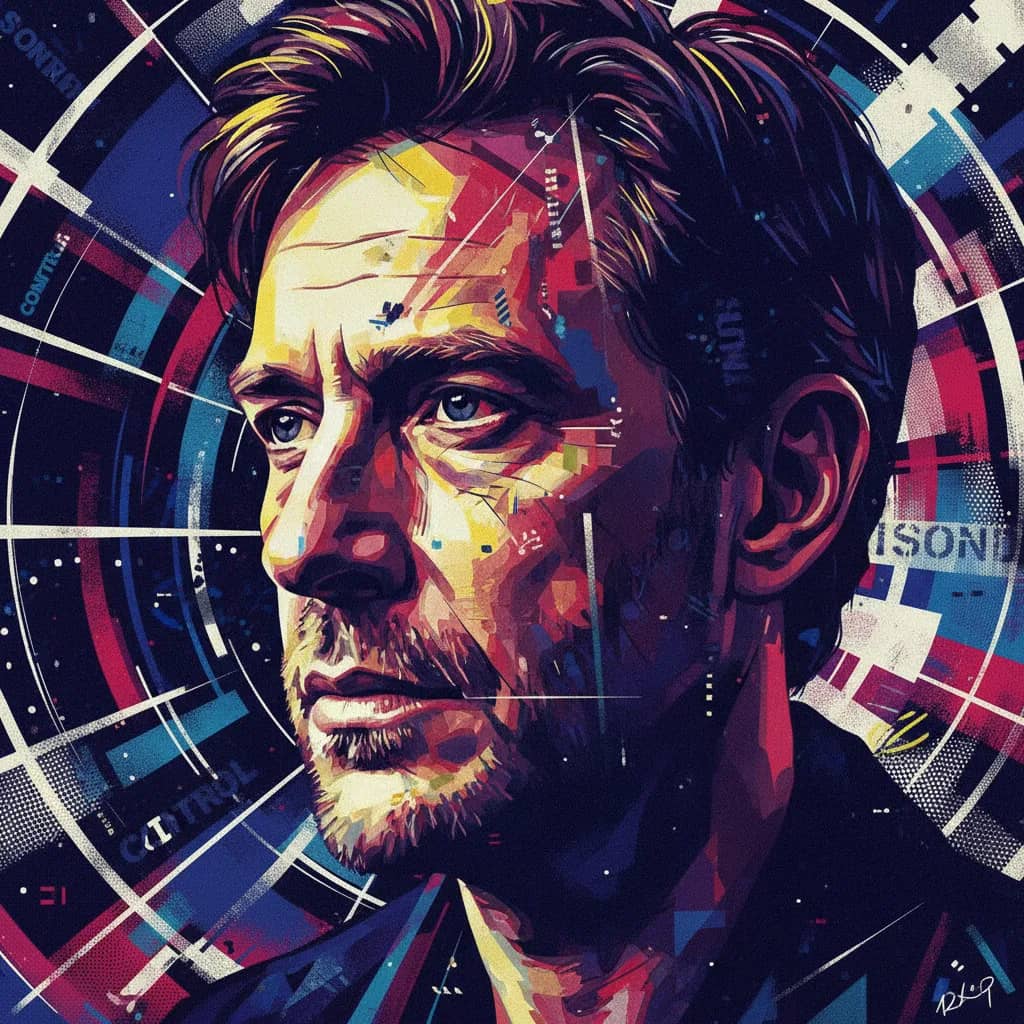
Anton Corbijn is a renowned Dutch film director and photographer known for his unique visual style and distinct directorial approach. With a career spanning over several decades, Corbijn has made a significant impact on the film industry, particularly through his notable films such as "Control" (2007), "A Most Wanted Man" (2014), and "The American" (2010). His directorial style is characterized by a meticulous attention to detail, striking cinematography, and a profound exploration of complex, often enigmatic characters. "Control" stands as one of Corbijn's most celebrated works, a biographical film depicting the life of Joy Division's lead singer, Ian Curtis. The movie received widespread critical acclaim for its evocative portrayal of Curtis's tumultuous life, as well as for Corbijn's masterful direction and visually compelling storytelling. In "A Most Wanted Man," Corbijn demonstrated his adeptness at crafting intense, atmospheric thrillers, seamlessly blending elements of crime and drama while delving into moral ambiguity and political intrigue. "The American" further showcased Corbijn's versatility as a director, offering a slow-burning, introspective take on the action genre, with a focus on character depth and existential themes. Corbijn's directorial style often incorporates a moody, atmospheric aesthetic, capturing the essence of his subjects with a keen eye for visual storytelling. His films frequently explore themes of identity, alienation, and the human experience, often set against evocative backdrops that add depth and texture to the narrative. Through his distinctive visual language and introspective storytelling, Corbijn continues to leave an indelible mark on cinema, influencing a new generation of filmmakers and captivating audiences with his evocative, thought-provoking works. Anton Corbijn's contributions to film extend beyond his directorial endeavors, as his background as a renowned photographer has greatly influenced his visual approach to storytelling. His ability to capture the essence of his subjects through evocative imagery has translated seamlessly into his directorial work, elevating his films to a level of visual poetry that sets them apart. With a career marked by a consistent pursuit of artistic innovation and emotional resonance, Corbijn remains a singular talent in the world of cinema, leaving an enduring legacy that continues to inspire and captivate audiences worldwide.

Antonia Bird
Antonia Bird was a maverick British director known for her bold and visionary approach to filmmaking. With a career spanning over two decades, Bird left an indelible mark on the world of cinema. She was known for fearlessly tackling challenging and thought-provoking subject matter, often with a distinct blend of dark humor, social commentary, and emotional depth. Her directorial style was marked by a keen sense of visual storytelling and a knack for capturing the raw and visceral aspects of human experiences. One of Bird's most notable works is "Ravenous" (1999), a genre-bending film that defies easy categorization. Blending elements of adventure, drama, and horror, "Ravenous" showcases Bird's ability to subvert audience expectations and deliver a truly original cinematic experience. The film's dark and twisted narrative, coupled with Bird's unique directorial vision, solidified her reputation as a fearless storyteller unafraid to push the boundaries of conventional filmmaking. Throughout her career, Bird consistently tackled challenging and socially relevant themes, often exploring issues such as societal marginalization, identity, and the human condition. Her willingness to confront uncomfortable truths and delve into the complexities of human nature set her apart as a director unafraid to explore the darker aspects of the human experience. Bird's work resonated with audiences and critics alike, earning her a reputation as a director with a distinctive and uncompromising voice. Antonia Bird's impact on cinema extends beyond her individual films. Her legacy lies in her ability to challenge and provoke, using the medium of film to shed light on the often overlooked aspects of human existence. Through her unique directorial style and unflinching exploration of challenging themes, Bird left an indelible mark on the world of cinema, inspiring future generations of filmmakers to fearlessly pursue their artistic visions. In conclusion, Antonia Bird's career as a director was marked by a fearless and uncompromising approach to storytelling. Through her notable film "Ravenous" and a body of work that consistently pushed the boundaries of conventional filmmaking, Bird cemented her legacy as a visionary director with a profound impact on cinema. Her willingness to confront challenging themes and delve into the darker aspects of the human experience set her apart as a director with a distinctive and uncompromising voice, leaving an indelible mark on the world of cinema.
Antonin Baudry
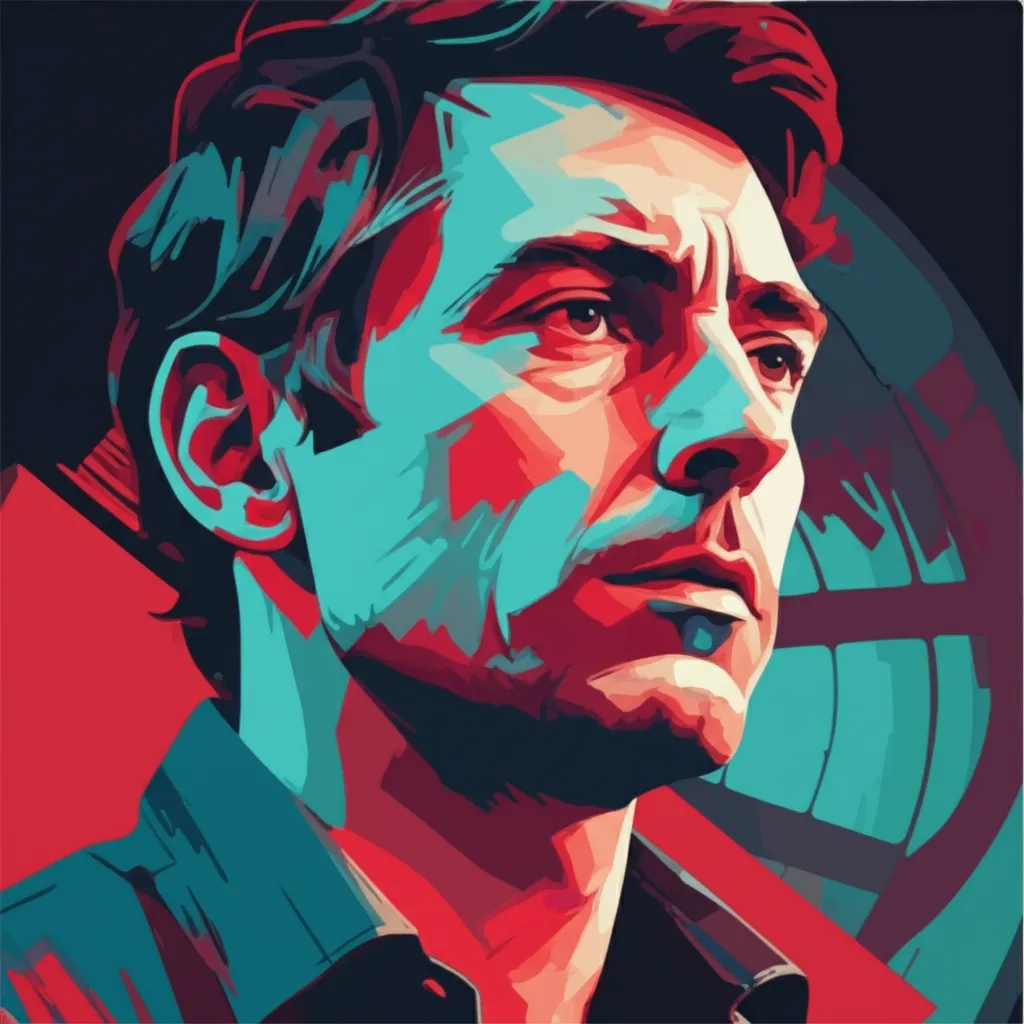
Antonin Baudry, also known as Abel Lanzac, is a prominent figure in the film industry, recognized for his directorial prowess and storytelling finesse. Baudry's directorial debut came in 2019 with the action-thriller "The Wolf's Call," which garnered widespread acclaim for its gripping narrative and intense visual style. His directorial style is characterized by a meticulous attention to detail, immersive storytelling, and a penchant for creating high-stakes, adrenaline-fueled cinema. "The Wolf's Call" stands as a testament to Baudry's ability to craft compelling narratives within the action-thriller genre. The film masterfully weaves together elements of suspense, strategic maneuvering, and pulse-pounding sequences, showcasing Baudry's adeptness at creating a taut and immersive cinematic experience. Baudry's directorial vision is marked by a keen understanding of pacing and tension, resulting in a film that keeps audiences on the edge of their seats from start to finish. Throughout his career, Baudry has exhibited a penchant for exploring themes of power dynamics, human resilience, and the complexities of moral decision-making within high-pressure situations. His films often delve into the psychological and emotional toll of intense conflict, offering a nuanced portrayal of the human experience amidst extraordinary circumstances. Baudry's directorial oeuvre reflects a commitment to crafting stories that resonate on a profound level, transcending the boundaries of traditional genre conventions. As a director, Antonin Baudry has made a significant impact on cinema through his adept navigation of high-stakes narratives and his ability to captivate audiences with visceral, emotionally resonant storytelling. With "The Wolf's Call," Baudry has solidified his status as a visionary filmmaker capable of delivering gripping, adrenaline-fueled cinema that leaves a lasting impression. As he continues to shape his directorial career, audiences can anticipate further innovative contributions from Baudry, cementing his position as a formidable force in the realm of action-thriller filmmaking.
Antonio Campos
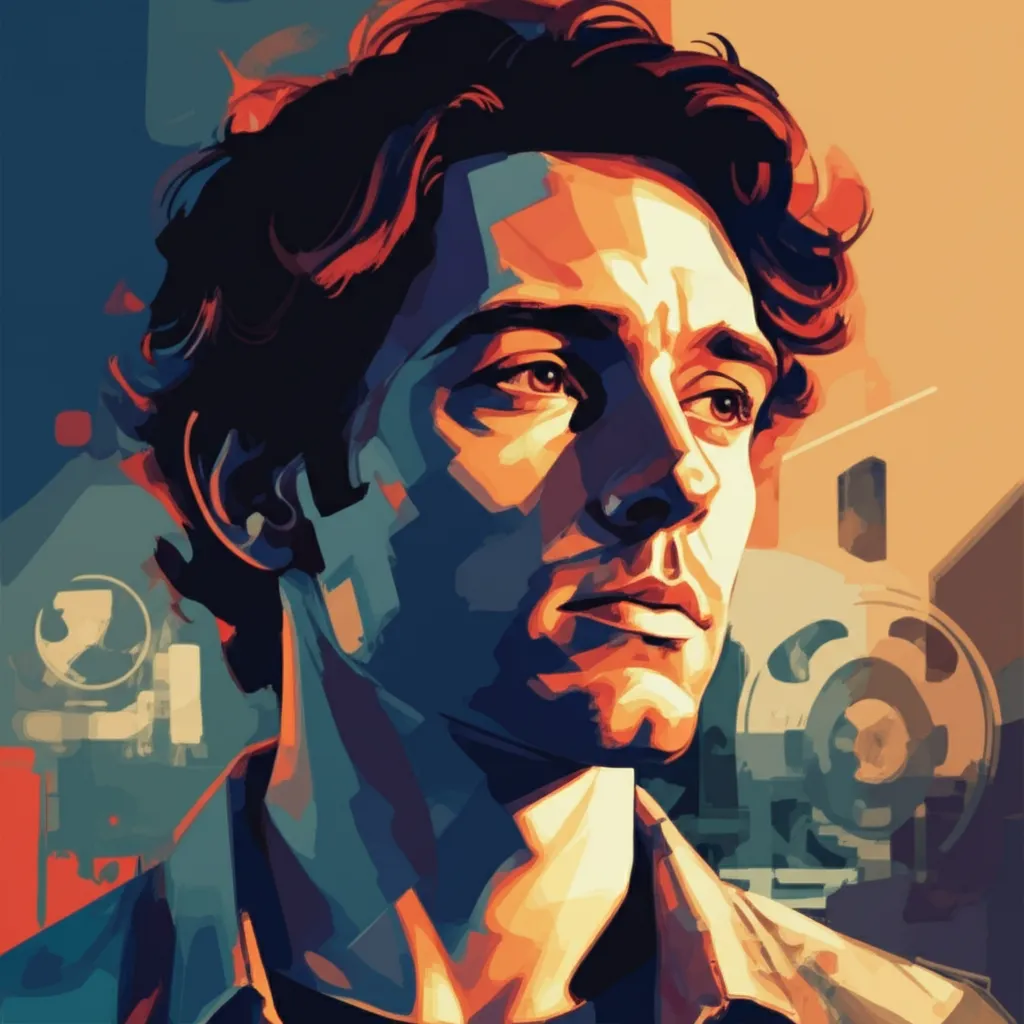
Antonio Campos is a trailblazing director known for his captivating storytelling and gripping narratives. With a career spanning nearly two decades, Campos has made a significant impact on the world of cinema. His directorial style is characterized by its raw intensity, immersive atmosphere, and thought-provoking exploration of human nature. Campos' ability to delve into the darker aspects of the human psyche sets him apart as a visionary filmmaker. One of Campos' most notable films is "The Devil All the Time" (2020), a riveting crime drama that showcases his prowess in creating tension and psychological depth. Set in a post-war America, the film weaves together a complex narrative of intertwined lives and the pervasive influence of corruption and violence. Campos' masterful direction brings the characters' internal struggles to life, making "The Devil All the Time" a compelling and haunting cinematic experience. Throughout his career, Campos has consistently explored themes of morality, power dynamics, and the complexities of human relationships. His films often confront the audience with uncomfortable truths, challenging societal norms and shedding light on the darker facets of humanity. This unflinching approach has earned Campos a reputation as a director unafraid to push boundaries and provoke introspection. Campos' impact on cinema extends beyond his individual films, as he has contributed to shaping the landscape of contemporary filmmaking. His commitment to authentic storytelling and uncompromising vision has inspired a new generation of directors to fearlessly tackle challenging subject matter. By fearlessly confronting the human condition, Campos has solidified his place as a director whose work resonates deeply with audiences and fellow filmmakers alike. In conclusion, Antonio Campos is a visionary director whose films leave a lasting impression on viewers. Through his distinct directorial style, exploration of profound themes, and unyielding commitment to authentic storytelling, Campos has cemented his status as a driving force in modern cinema. As audiences eagerly anticipate his future projects, it is clear that Antonio Campos will continue to shape the industry with his uncompromising vision and unparalleled storytelling prowess.