Tokyo Story
1953DramaDirected by Yasujirô Ozu
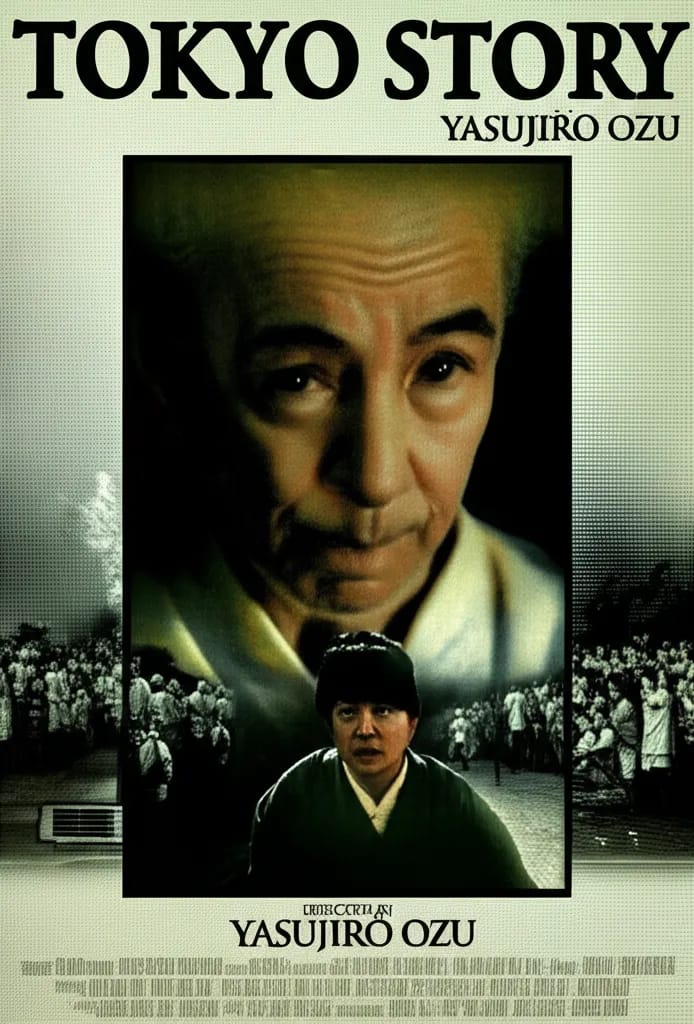
AI-generated for entertainment purposes only
Own & Stream
Synopsis
"Tokyo Story" is a timeless Japanese drama directed by Yasujirô Ozu that follows an elderly couple, Tomi and Shukichi, as they journey from their rural village to Tokyo to visit their adult children. Upon arriving, they realize that their busy offspring are preoccupied with their own lives, leaving little time for their parents. As the couple navigates the complexities of familial relationships and generational divides, they come to understand the inevitable passage of time and the bittersweet nature of life. Featuring a stellar cast including Setsuko Hara, Chishû Ryû, Sô Yamamura, and Chieko Higashiyama, "Tokyo Story" beautifully captures the quiet moments of everyday life and the profound emotional depth of human connections. Through Ozu's signature minimalist style and poignant storytelling, the film explores themes of aging, loss, and the search for meaning in a rapidly changing world. Released in 1953, "Tokyo Story" remains a cinematic masterpiece that continues to resonate with audiences worldwide for its universal themes and profound insights into the human experience.
This synopsis is generated with AI assistance for entertainment purposes only. For official information, please refer to the movie's official sources.
Find Books Inspired by Tokyo Story
We've pre-filled the search so you can instantly explore related novels, tie-ins, and thrillers — just hit Find Books!
TML Review
TopMovieList exclusive verdict🏆
Must-Watch Masterpiece
🏆 A must-watch film that excels in all aspects of filmmaking. This cinematic achievement delivers an unforgettable experience.
Movie Details
- Release Year
- 1953
- Runtime
- 2h 17m
- Genre
- MPAA Rating
- Not Rated
Ratings & Box Office
- TML Score
- 89/100
- IMDb
- 8.1/10
- Metascore
- 100.0/100
- Box Office
- N/A
Collectibles & Reads
Director

Main Cast
4 cast members


F.A.Q.
Q:What unique filmmaking technique did Yasujirô Ozu use in Tokyo Story that differed from conventional cinema?
A:
Yasujirô Ozu employed a technique known as the 'tatami shot' in Tokyo Story, where the camera is positioned low, at the height of someone sitting on a tatami mat, giving a unique perspective that adds intimacy and a sense of being present in the room with the characters.
Q:How did the casting of Setsuko Hara in Tokyo Story contribute to its emotional depth?
A:
Setsuko Hara's casting in Tokyo Story was pivotal as her previous roles had established her as a symbol of post-war resilience and optimism. Her performance in Tokyo Story, portraying generational conflicts and familial duty, resonated deeply with audiences, enhancing the film's emotional impact.
Q:What impact did Tokyo Story have on international cinema, particularly in influencing other directors?
A:
Tokyo Story had a profound influence on international cinema, particularly noted by its high placement in the Sight & Sound critics' polls over the years. Directors like Wim Wenders and Martin Scorsese have cited Ozu's work as a major artistic inspiration, affecting their narrative style and cinematic approach.
The FAQ section is generated with AI assistance for entertainment purposes only. For official information, please refer to the movie's official sources.
Trivia
🎬Despite its now-celebrated status, Tokyo Story was not released in the United States until 1972, nearly two decades after its original release in Japan.
💡The film subtly references the post-WWII era in Japan through its set designs and props, such as the Western-style clothes worn by younger characters, symbolizing the cultural shifts occurring at the time.
🎯Ozu's decision to use mostly static shots with no camera movement was a deliberate choice to reflect the unchanging nature of family life and the inevitability of aging, themes central to the film.
The trivia section is generated with AI assistance for entertainment purposes only. For official information, please refer to the movie's official sources.