Director Names Starting with W
Showing 49-60 out of 71

William Monahan
William Monahan, the accomplished filmmaker, made his directorial debut with the 2010 crime drama "London Boulevard." Prior to stepping behind the camera, Monahan gained recognition as an Academy Award-winning screenwriter for "The Departed" (2006). His transition to directing showcased his distinct directorial style, marked by a keen understanding of character-driven narratives and a knack for capturing the gritty essence of urban settings. Monahan's directorial approach is characterized by a meticulous attention to detail and a penchant for exploring the darker aspects of human nature. In "London Boulevard," he adeptly weaves together a narrative that delves into the complexities of crime, love, and personal redemption. The film's atmospheric cinematography and evocative portrayal of London's underbelly reflect Monahan's ability to create an immersive and compelling visual experience for audiences. Throughout his career, Monahan has demonstrated a consistent exploration of themes such as redemption, moral ambiguity, and the consequences of one's actions. These recurring motifs are evident not only in his directorial work but also in his screenwriting endeavors. His distinctive vision has left an indelible mark on the crime drama genre, influencing a new wave of filmmakers who seek to emulate his ability to craft narratives that are both thought-provoking and visceral. Monahan's impact on cinema extends beyond his individual films, as his directorial debut solidified his standing as a versatile and visionary filmmaker. His ability to infuse raw authenticity into his storytelling and create multidimensional characters has positioned him as a director to watch in the industry. As he continues to evolve as a director, audiences can anticipate further insightful explorations of the human condition and the complexities of the modern world in his future projects.

William Oldroyd
William Oldroyd is a British film director known for his striking directorial style and potent storytelling. Having made his feature film debut with "Lady Macbeth" in 2016, Oldroyd quickly established himself as a director with a unique vision and a penchant for exploring complex human emotions and societal constraints. His notable film "Lady Macbeth" garnered critical acclaim for its gripping portrayal of a young woman's rebellion against the oppressive social norms of the 19th century. Oldroyd's directorial style is marked by its meticulous attention to detail, evocative visuals, and compelling storytelling. His films often delve into the psychological depths of his characters, capturing their inner turmoil and emotional complexities with raw authenticity. In "Lady Macbeth," Oldroyd masterfully portrays the protagonist's defiance and eventual descent into darkness, creating a haunting and thought-provoking cinematic experience. One of the recurring themes in Oldroyd's work is the exploration of power dynamics, particularly within the context of gender and class. His films often confront the societal constraints placed upon individuals, especially women, and the ways in which they navigate and challenge these limitations. Oldroyd's keen eye for human dynamics and his ability to craft immersive narratives have solidified his reputation as a director with a distinctive voice in contemporary cinema. "Lady Macbeth" stands as a testament to Oldroyd's impact on cinema, earning him accolades and cementing his status as a visionary director. His uncompromising approach to storytelling and his ability to elicit powerful performances from his cast have garnered widespread praise from audiences and critics alike. As he continues to shape his directorial career, William Oldroyd remains a filmmaker to watch, with his thought-provoking narratives and visually arresting style leaving an indelible mark on the world of cinema.

William Peter Blatty
William Peter Blatty was an American filmmaker best known for his work as the director of "The Exorcist III" (1990), a chilling blend of drama, horror, and mystery. Blatty's directorial style is characterized by a meticulous attention to detail, a penchant for psychological depth, and a knack for creating an atmosphere of relentless suspense. His directorial debut, "The Ninth Configuration" (1980), established him as a filmmaker with a keen understanding of human psychology and an ability to craft deeply unsettling narratives. Blatty's most notable film, "The Exorcist III," stands as a testament to his unique vision and storytelling prowess. The film, based on his novel "Legion," continues the narrative of the iconic horror franchise, delving into themes of faith, redemption, and the nature of evil. Blatty's directorial approach in "The Exorcist III" is marked by a masterful command of tension-building and a profound exploration of the human psyche, making it a standout in the horror genre. Throughout his career, Blatty's work consistently showcased recurring themes such as the battle between good and evil, the complexities of faith, and the darkness that lurks within the human soul. His impact on cinema is undeniable, as he brought a unique blend of psychological depth and visceral terror to the horror genre, influencing a generation of filmmakers and leaving an indelible mark on the cinematic landscape. In conclusion, William Peter Blatty's directorial career is defined by a commitment to pushing the boundaries of psychological horror and crafting narratives that delve into the darkest corners of the human experience. His directorial debut, "The Ninth Configuration," and his iconic film "The Exorcist III" solidify his status as a visionary filmmaker whose contributions to cinema continue to resonate with audiences and filmmakers alike.

William Phillips
William Phillips is a Canadian film director known for his work in the action-comedy-crime genre. Phillips made his directorial debut with the 2003 film "Foolproof," which showcased his unique ability to blend thrilling action sequences with sharp humor and a captivating crime narrative. His directorial style is marked by a deft hand at balancing tension and levity, creating an immersive experience for audiences. "Foolproof" stands as a testament to Phillips' directorial prowess, as he skillfully navigates the complexities of the heist genre while infusing the film with his signature wit and visual flair. The movie garnered acclaim for its innovative approach to the action-comedy genre, solidifying Phillips as a director to watch in the industry. With "Foolproof," Phillips demonstrated his knack for crafting compelling narratives and engaging characters, setting the stage for a promising career in filmmaking. Throughout his career, Phillips has shown a penchant for exploring themes of camaraderie, deception, and the thrill of the chase, as evidenced by his work on "Foolproof." His ability to infuse adrenaline-pumping action with clever humor has left an indelible mark on the cinematic landscape, influencing a new wave of filmmakers drawn to the fusion of genres. Phillips' contributions to the action-comedy-crime genre have reinvigorated the storytelling possibilities within this space, earning him a dedicated following and critical acclaim. As a director, William Phillips continues to captivate audiences with his distinct vision and storytelling finesse. His impact on cinema extends beyond the screen, as he has inspired a new generation of filmmakers to push the boundaries of genre conventions and embrace the art of blending action, comedy, and crime in innovative ways. With each project, Phillips reaffirms his status as a trailblazer in the industry, leaving an indelible legacy that continues to shape the future of filmmaking.

William Shatner
William Shatner is a multi-talented Canadian actor, author, producer, and director, best known for his iconic portrayal of Captain James T. Kirk in the Star Trek franchise. However, in addition to his acting career, Shatner has also made a significant impact as a film director. His directorial debut came with the 1989 film "Star Trek V: The Final Frontier," which he also starred in. The film, an action-adventure-fantasy, showcased Shatner's ability to take on the dual role of actor and director, a feat that not many in the industry have accomplished. Shatner's directorial style can be characterized by his deep understanding of character dynamics and his keen eye for visual storytelling. His experience as an actor undoubtedly informed his directorial approach, allowing him to effectively guide the performances of his cast while also maintaining a strong visual narrative. While "Star Trek V: The Final Frontier" may not have been a critical success, Shatner's directorial effort demonstrated his ambition and creativity behind the camera. In terms of recurring themes, Shatner's work as a director often delves into the exploration of the human condition, often incorporating elements of adventure and fantasy. His background in the science fiction genre, particularly through his association with Star Trek, has influenced his directorial choices, allowing him to bring a sense of wonder and philosophical introspection to his films. Shatner's impact on cinema as a director lies in his ability to transcend his status as a beloved actor and venture into the realm of filmmaking. While "Star Trek V: The Final Frontier" may have faced its share of challenges, Shatner's foray into directing paved the way for other actors to take on similar roles behind the camera, proving that talent and creativity are not confined to a single role in the film industry. Shatner's unique vision and contributions as a director have left an indelible mark on the world of cinema, showcasing his versatility and passion for storytelling across different mediums.

William Wyler
William Wyler was a prolific and versatile film director whose career spanned over five decades, leaving an indelible mark on the world of cinema. Known for his meticulous attention to detail and masterful storytelling, Wyler's filmography boasts a wide array of genres, including drama, romance, comedy, crime, and historical epics. His directorial style was characterized by a keen sense of visual composition, nuanced performances, and a profound exploration of human emotions. Wyler's filmography includes several timeless classics that have left an enduring impact on audiences and filmmakers alike. "Ben-Hur" (1959), an epic historical drama, earned Wyler his third Academy Award for Best Director and remains a benchmark for grand-scale filmmaking. His adaptation of Emily Brontë's "Wuthering Heights" (1939) showcased his ability to capture the intensity of love and passion on screen, solidifying his reputation as a director with a profound understanding of human relationships. Additionally, "The Best Years of Our Lives" (1946), a poignant exploration of post-war America, garnered widespread acclaim and won seven Academy Awards, including Best Director for Wyler. Throughout his career, Wyler's films often delved into themes of love, sacrifice, and societal norms, offering audiences thought-provoking narratives that transcended time and cultural boundaries. His deft handling of complex characters and emotionally charged storytelling set a standard for the industry and influenced generations of filmmakers. William Wyler's enduring legacy as a director is underscored by his ability to seamlessly transition across genres while maintaining a consistent level of excellence. His impact on cinema is undeniable, as his films continue to be celebrated for their artistry, emotional resonance, and technical prowess. Whether capturing the sweeping landscapes of an epic or the intimate moments of human drama, Wyler's unique vision and contributions have solidified his place as one of the most influential directors in the history of film.

Will Merrick
Will Merrick is a visionary director known for his compelling storytelling and visually stunning films. With a career spanning over two decades, Merrick has made a significant impact on cinema with his unique directorial style and ability to bring historical events to life on the big screen. His notable film "Missing," released in 2023, is a testament to his mastery in the genres of biography, drama, and history. Merrick's directorial style is characterized by his meticulous attention to detail and his ability to evoke powerful emotions from his audience. He has a keen eye for capturing the essence of historical figures and events, effectively immersing viewers in the time and place of his narratives. His films often feature breathtaking cinematography and meticulously crafted sets and costumes, creating an immersive experience for audiences. "Missing" stands as a testament to Merrick's ability to breathe life into historical stories, as the film delves into the riveting true story of a significant historical figure. Merrick's direction in "Missing" showcases his talent for portraying the complexities of human emotions and relationships within the backdrop of historical events, further solidifying his reputation as a masterful storyteller. Throughout his career, Merrick has explored recurring themes such as resilience, human perseverance, and the power of the human spirit in the face of adversity. His films often shed light on lesser-known historical events and individuals, bringing their stories to the forefront and ensuring that their legacies are remembered for generations to come. Will Merrick's impact on cinema is undeniable, as he continues to push boundaries and captivate audiences with his remarkable storytelling and directorial prowess. His dedication to bringing untold stories to the screen has cemented his status as a director to watch, and his contributions to the film industry are sure to leave a lasting legacy for years to come.

Will Sharpe
Will Sharpe is a talented British director known for his unique storytelling and visually stunning films. His most notable work to date is "The Electrical Life of Louis Wain" (2021), a captivating biographical drama that delves into the life of the eccentric artist Louis Wain. Sharpe's directorial style is marked by his ability to blend historical accuracy with emotionally resonant storytelling, creating a cinematic experience that is both visually striking and deeply moving. In "The Electrical Life of Louis Wain," Sharpe showcases his skill in bringing historical narratives to life, meticulously recreating the late 19th and early 20th-century settings while infusing the film with a modern sensibility. His attention to detail and dedication to portraying the complexities of the human experience have earned him critical acclaim and a growing fan base. Sharpe's directorial vision often explores themes of creativity, mental illness, and the human condition, offering audiences a profound glimpse into the inner workings of extraordinary individuals. His ability to capture the essence of his subjects and translate their stories onto the screen has solidified his reputation as a director with a keen eye for nuance and emotional depth. With "The Electrical Life of Louis Wain," Will Sharpe has made a significant impact on cinema, demonstrating his ability to breathe new life into historical figures and events, while also shedding light on the universal struggles and triumphs of the human spirit. As he continues to evolve as a director, audiences can eagerly anticipate more thought-provoking and visually captivating films that showcase his distinctive storytelling style and unwavering commitment to crafting compelling narratives. In conclusion, Will Sharpe stands out as a director with a unique vision and a profound understanding of the human experience. His ability to bring historical stories to life with emotional resonance and stunning visuals sets him apart in the world of cinema, and his future projects are eagerly awaited by audiences and critics alike.
Will Slocombe
Will Slocombe is a talented film director known for his work in the comedy, drama, and romance genres. His notable film, "The Escort" (2015), showcases his directorial prowess and storytelling ability. Slocombe's directorial style is characterized by his keen sense of humor, emotional depth, and the ability to craft compelling narratives that resonate with audiences. In "The Escort," Slocombe skillfully weaves together elements of comedy, drama, and romance to create a film that is both entertaining and thought-provoking. His ability to balance humor with poignant moments sets him apart as a director with a unique vision and storytelling approach. The film's success is a testament to Slocombe's ability to connect with audiences on an emotional level while delivering a captivating and engaging story. Slocombe's recurring themes often revolve around human relationships, love, and the complexities of modern life. His films explore the nuances of human connections and the challenges that come with navigating relationships in today's world. Through his work, Slocombe has made a significant impact on cinema by offering audiences a fresh perspective on familiar themes and creating films that resonate with a wide range of viewers. As a director, Slocombe's contributions to the film industry are marked by his ability to infuse his projects with authenticity, humor, and emotional depth. His unique vision and storytelling approach have earned him a dedicated following and solidified his place as a director to watch in the world of comedy, drama, and romance films. With each new project, Slocombe continues to push boundaries and captivate audiences with his compelling narratives and distinctive directorial style.

Will Smith
As a professional film critic and entertainment writer, I specialize in director biographies. Will Smith, known primarily as a versatile actor, made his directorial debut with the 1998 action thriller "Enemy of the State." Smith's directorial style in this film showcased his ability to craft high-octane, suspenseful narratives with a strong visual flair. His keen understanding of pacing and tension-building made "Enemy of the State" a standout in the action-thriller genre. While "Enemy of the State" marked Smith's sole directorial effort to date, his impact on cinema as a director cannot be overlooked. The film's success solidified Smith's position as a multifaceted talent in the entertainment industry, and it demonstrated his ability to seamlessly transition behind the camera, showcasing his unique vision and storytelling prowess. Smith's directorial debut featured recurring themes of surveillance, government conspiracy, and the struggle for justice, all of which are relevant and resonant in today's society. His ability to infuse these themes with heart-pounding action and thought-provoking drama further solidified his reputation as a director with a keen eye for both entertainment and social commentary. The success of "Enemy of the State" cemented Smith's status as a director capable of delivering compelling, edge-of-your-seat storytelling. While his directorial career may have been brief, his impact as a director is undeniable, and fans and critics alike eagerly anticipate his potential return to the director's chair. Will Smith's foray into directing has left an indelible mark on the action-thriller genre, and his unique vision continues to inspire filmmakers and audiences alike.
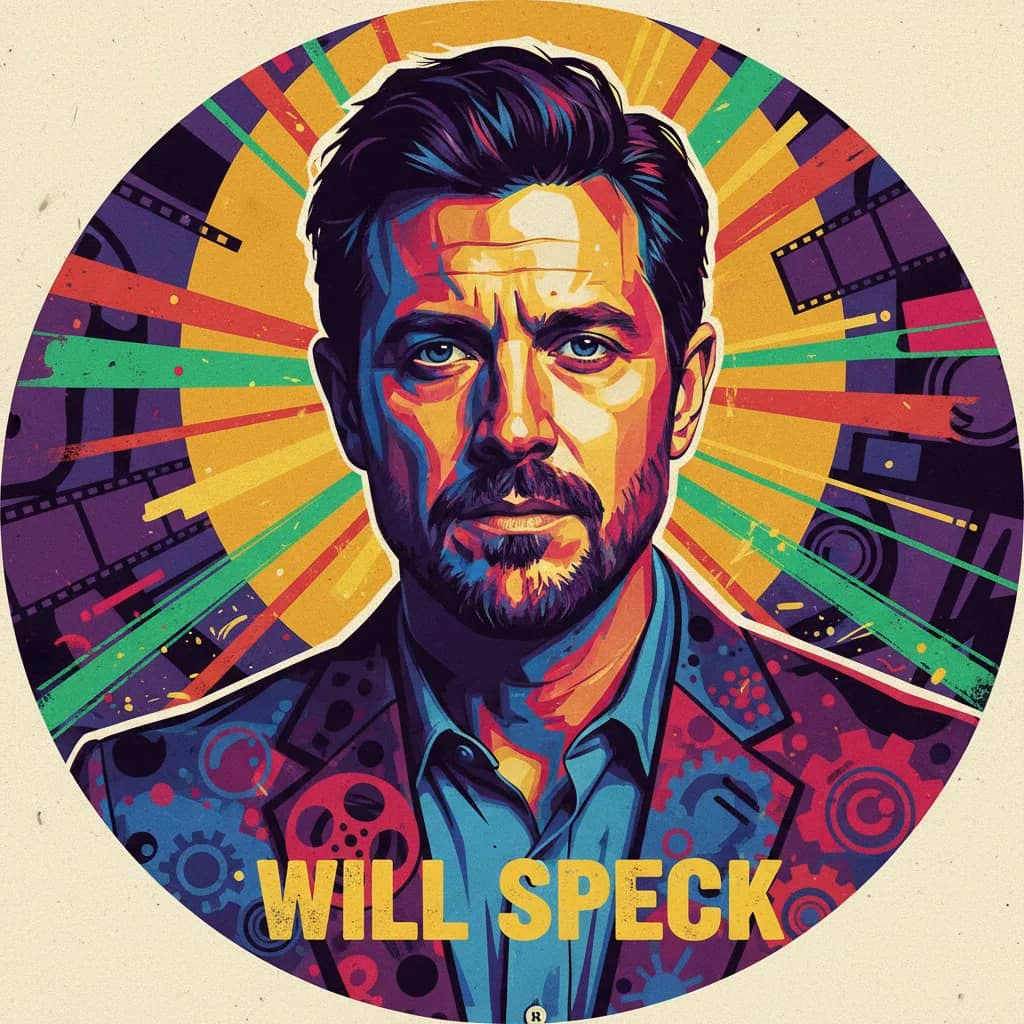
Will Speck
Will Speck is a highly accomplished film director known for his unique blend of comedy and drama, which has left an indelible mark on the cinematic landscape. His directorial style is characterized by a keen sense of humor, an adept handling of complex human emotions, and an ability to infuse his films with a distinct warmth and relatability. Speck's notable films include "The Switch" (2010), "Office Christmas Party" (2016), "Lyle, Lyle, Crocodile" (2022), and "Blades of Glory" (2007), each of which showcases his versatility and storytelling prowess. In "The Switch," Speck delves into the complexities of relationships and parenthood, seamlessly intertwining comedy and drama to create a heartwarming and thought-provoking narrative. The film's exploration of unconventional family dynamics and the intricacies of human connections serves as a testament to Speck's ability to infuse his work with depth and emotional resonance. "Office Christmas Party" stands as a testament to Speck's comedic prowess, offering a riotous and irreverent take on the holiday comedy genre. With its stellar ensemble cast and uproarious humor, the film captures Speck's ability to craft uproarious and entertaining narratives while also weaving in poignant moments of introspection and camaraderie. In "Lyle, Lyle, Crocodile," Speck's foray into animation showcases his versatility and willingness to explore new storytelling mediums. The film's whimsical charm and lighthearted humor continue to exemplify Speck's ability to captivate audiences across genres, while also offering a fresh perspective on family-friendly entertainment. "Blades of Glory" catapulted Speck into the limelight, earning widespread acclaim for its uproarious humor, inventive premise, and seamless blend of comedy and sports. The film's enduring popularity underscores Speck's impact on the comedy genre, as he continues to push boundaries and redefine the cinematic landscape with his distinct directorial vision. Will Speck's contributions to film extend beyond his directorial achievements, as his unique storytelling sensibilities and ability to capture the complexities of the human experience have solidified his status as a visionary filmmaker. With a penchant for crafting compelling narratives that resonate with audiences on a profound level, Speck's directorial legacy continues to shape the fabric of contemporary cinema, setting him apart as a true luminary in the industry.

Will Vinton
Will Vinton was a trailblazing American director and animator known for his innovative work in stop-motion animation. Vinton's career took off in the 1970s when he co-founded the animation studio, Will Vinton Studios, which later became known as Laika Entertainment. Vinton's directorial style was characterized by his groundbreaking use of claymation, a technique he used to bring his imaginative and vivid storytelling to life on the big screen. One of Vinton's most notable directorial works is his involvement in the anthology film "Moonwalker" (1988), which featured segments directed by different filmmakers. Vinton's contribution to the film showcased his ability to blend action, crime, and fantasy elements with his distinct claymation style, creating a visually stunning and unique segment that stood out among the other segments in the film. Throughout his career, Vinton's recurring themes often centered around the fantastical and the whimsical, as he used his mastery of stop-motion animation to transport audiences to enchanting and otherworldly realms. His impact on cinema is undeniable, as he pushed the boundaries of what was possible in animation and inspired countless filmmakers and animators to explore new techniques and storytelling methods. Vinton's legacy in the world of animation and film continues to influence contemporary directors and animators, and his innovative use of claymation has left an indelible mark on the industry. His pioneering spirit and dedication to his craft have solidified his standing as a visionary director whose work will continue to captivate and inspire audiences for generations to come.