Director Names Starting with M
Showing 61-72 out of 362

Margarethe von Trotta
Margarethe von Trotta is a German film director who has made a significant impact on cinema with her thought-provoking and visually stunning films. Throughout her career, she has established herself as a prominent figure in the world of cinema, known for her unique directorial style and powerful storytelling. Von Trotta's films often explore complex and compelling characters, delving deep into their inner conflicts and the sociopolitical landscapes that surround them. One of her most notable works, "Hannah Arendt" (2012), exemplifies von Trotta's directorial prowess. This biographical drama delves into the life of the influential philosopher Hannah Arendt, exploring her controversial coverage of the Adolf Eichmann trial and her concept of the "banality of evil." Von Trotta's meticulous attention to detail and her ability to capture the essence of her characters make this film a standout in her filmography. Throughout her career, von Trotta has showcased a recurring theme of strong, independent female protagonists. Her films often depict the struggles and triumphs of women in various societal contexts, shedding light on their resilience and determination. This thematic focus has solidified von Trotta's reputation as a feminist filmmaker, contributing to the diversification of perspectives in cinema. Von Trotta's impact on cinema extends beyond her directorial work, as she has been a trailblazer for female filmmakers in the industry. Her distinct storytelling style and unwavering commitment to exploring complex themes have inspired a new generation of directors. Von Trotta's contributions to cinema have not only expanded the narrative possibilities within the medium but also paved the way for greater representation and inclusivity in filmmaking. In conclusion, Margarethe von Trotta's directorial career is defined by her unwavering commitment to telling captivating stories and her dedication to portraying the multifaceted experiences of women. Her films continue to resonate with audiences, leaving a lasting impression with their profound narratives and compelling characters. Von Trotta stands as a pioneering figure in the world of cinema, and her influence on the industry is a testament to her enduring impact as a director.
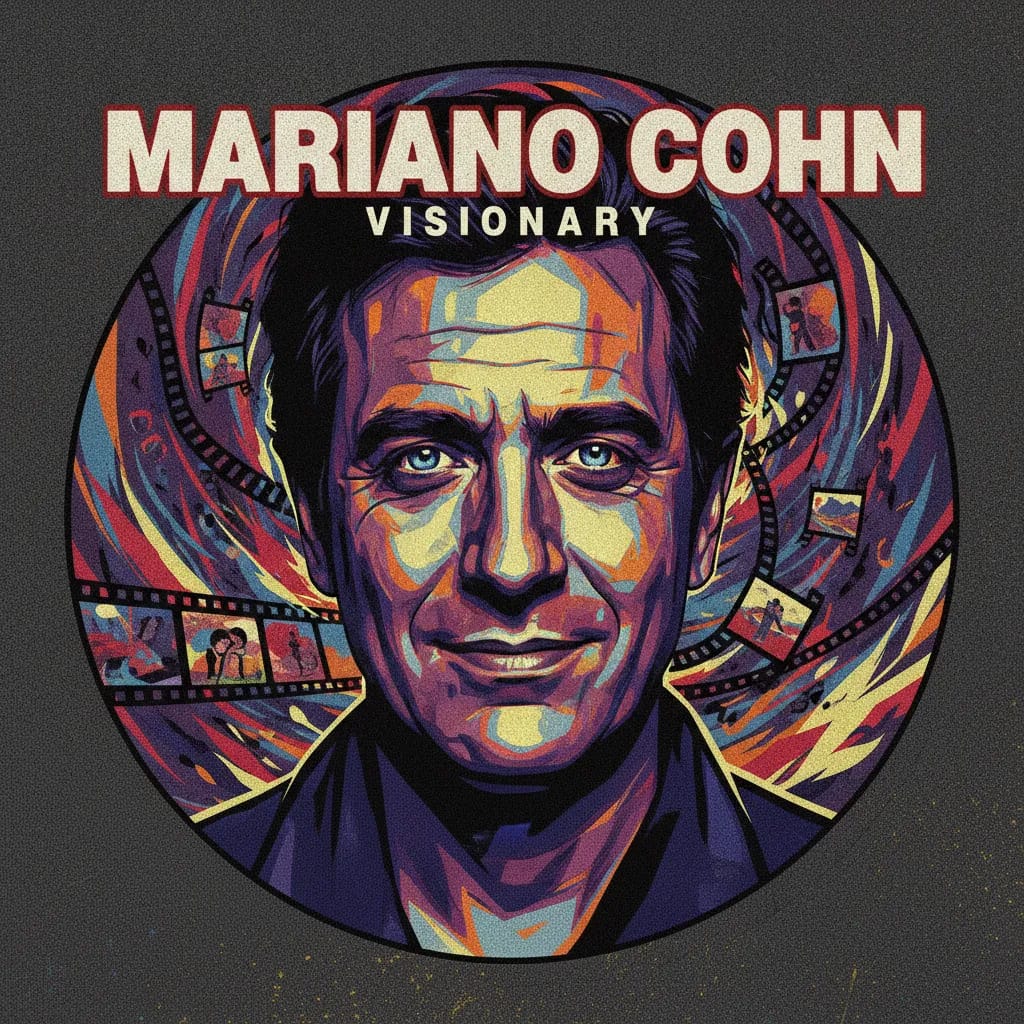
Mariano Cohn
Mariano Cohn is a renowned Argentine film director known for his unique blend of comedy and drama, which has captivated audiences and critics alike. His directorial style is marked by a keen attention to human behavior and societal dynamics, often exploring the complexities of human relationships and the absurdities of everyday life. With a career spanning over two decades, Cohn has left an indelible mark on the world of cinema, creating thought-provoking and emotionally resonant films that have garnered international acclaim. One of Cohn's most notable films is "The Distinguished Citizen" (2016), a dark comedy-drama that follows the story of a Nobel Prize-winning writer who returns to his hometown, only to be confronted with the idiosyncrasies and challenges of small-town life. The film delves into themes of identity, fame, and the contrast between urban and rural life, showcasing Cohn's ability to infuse humor with deep introspection. "The Distinguished Citizen" received widespread praise, earning several awards, including the Best Actor award at the Venice Film Festival. In 2021, Cohn further solidified his reputation with "Official Competition," a satirical comedy-drama that offers a behind-the-scenes look at the cutthroat world of filmmaking. The film cleverly explores the ego clashes and power struggles that arise during the production of a movie, offering a witty commentary on the film industry itself. Cohn's sharp wit and astute observations shine through in "Official Competition," cementing his status as a visionary director with a knack for blending humor and social commentary. Cohn's impact on cinema extends beyond his individual films, as he has consistently challenged traditional storytelling conventions and pushed the boundaries of genre. His films often confront societal norms and expectations, offering incisive critiques of contemporary culture while maintaining a lighthearted and entertaining approach. Cohn's ability to navigate the complexities of human nature and societal dynamics has earned him a dedicated following and established him as a director whose work transcends geographical and cultural boundaries. Overall, Mariano Cohn's directorial career is characterized by a commitment to crafting compelling narratives that resonate with audiences on a profound level. His films stand as a testament to his ability to seamlessly blend humor with poignant social commentary, creating a body of work that continues to inspire and provoke thought. As a visionary director, Cohn has made an indelible mark on the world of cinema, and his contributions are sure to be celebrated for
Maria Schrader
Maria Schrader is a renowned German film director and actress known for her unique directorial style and thought-provoking storytelling. With a career that spans over two decades, Schrader has made a significant impact on the international film industry. Her directorial work often delves into complex human emotions and relationships, offering a fresh and insightful perspective on contemporary issues. Schrader's directorial style is characterized by its nuanced approach to storytelling, blending drama, history, and romance to create compelling narratives. Her attention to detail, coupled with her ability to evoke powerful performances from her actors, has earned her critical acclaim and a dedicated following. Schrader's films often explore the complexities of human nature, delving into themes such as identity, love, and societal norms. One of Schrader's notable directorial works is "I'm Your Man" (2021), a thought-provoking comedy-drama that challenges traditional notions of love and relationships through the lens of artificial intelligence. The film garnered widespread praise for its innovative storytelling and Schrader's adept direction, solidifying her reputation as a visionary filmmaker. Additionally, her latest directorial venture, "She Said" (2022), further demonstrates her ability to tackle historical subjects with sensitivity and depth, cementing her status as a versatile director capable of handling diverse genres. Schrader's impact on cinema extends beyond her individual films, as she continues to push boundaries and defy genre conventions. Her body of work reflects a commitment to storytelling that is both intellectually stimulating and emotionally resonant, establishing her as a leading voice in contemporary cinema. With an impressive filmography and a reputation for delivering captivating narratives, Maria Schrader remains a director to watch, with each new project adding to her legacy as a pioneering filmmaker.

Marielle Heller
Marielle Heller is an accomplished film director known for her unique ability to bring complex, emotional stories to life on the screen. Her directorial style is characterized by an empathetic and nuanced approach to storytelling, often delving into the inner lives of her characters with sensitivity and insight. Heller's notable films showcase her versatility and range, spanning genres such as biography, drama, comedy, and romance. In "The Diary of a Teenage Girl" (2015), Heller made her directorial debut with a coming-of-age comedy-drama that garnered critical acclaim for its raw and honest portrayal of adolescence and sexuality. The film marked Heller as a director unafraid to tackle challenging and thought-provoking subject matter with authenticity and depth. Heller's directorial prowess was further showcased in "Can You Ever Forgive Me?" (2018), a biographical comedy-drama that earned widespread praise for its sharp wit, compelling performances, and astute exploration of literary forgery. Her adeptness in navigating the complexities of human behavior and relationships solidified her reputation as a director with a keen eye for emotional resonance and narrative depth. In "A Beautiful Day in the Neighborhood" (2019), Heller demonstrated her ability to infuse biographical drama with warmth and poignancy, delivering a heartfelt portrayal of the beloved TV personality Fred Rogers. Her skillful direction brought depth and authenticity to the story, elevating the film beyond a traditional biopic and cementing her status as a director capable of crafting profoundly moving cinematic experiences. Heller's impact on cinema lies in her unwavering commitment to storytelling that resonates on a profound emotional level. Her films consistently explore themes of self-discovery, human connection, and the complexities of personal identity, inviting audiences to engage with the universal experiences and emotions that define the human condition. With her distinctive vision and unwavering dedication to authentic storytelling, Marielle Heller continues to leave an indelible mark on the world of cinema, shaping the landscape of contemporary filmmaking with her artistry and insight.

Marie Pillet
Marie Pillet is a French film director known for her unique blend of comedy, drama, and romance in her works. Her notable film "Two Days in New York" (2012) showcases her distinct directorial style, which has made her a standout figure in the industry. Pillet's films often explore the complexities of human relationships, cultural clashes, and the humor found in everyday life, making her a master at capturing the intricacies of human emotions on screen. In "Two Days in New York," Pillet's directorial prowess shines through as she deftly navigates the narrative with a balance of wit, heart, and relatability. Her ability to infuse humor into emotionally charged moments and create authentic character dynamics has cemented her status as a director with a keen understanding of human nature. Pillet's works often feature strong, multi-dimensional female characters, adding a refreshing perspective to her storytelling. Pillet's impact on cinema lies in her ability to create films that resonate with audiences on a deeply personal level. Her recurring themes of love, family, and cultural identity have struck a chord with viewers worldwide, earning her a dedicated following. Through her work, Pillet has contributed to the diversification of storytelling in cinema and has paved the way for more inclusive and authentic narratives to take center stage. Overall, Marie Pillet's directorial career is marked by her compelling storytelling, nuanced character development, and her ability to infuse her films with a delightful blend of humor and heart. As she continues to captivate audiences with her distinct vision, Pillet remains a director to watch, with her contributions leaving an indelible mark on the world of cinema.
Mario Bava
Mario Bava is a legendary Italian director known for his influential work in the horror and thriller genres. With a career spanning several decades, Bava's filmography includes iconic titles such as "Black Sunday" (1960), "Black Sabbath" (1963), "A Bay of Blood" (1971), and "Blood and Black Lace" (1964). His directorial style is characterized by atmospheric visuals, striking use of color, and a keen eye for creating tension and suspense. Bava's impact on cinema is immeasurable, particularly within the horror genre. "Black Sunday" is often cited as one of the most influential horror films of all time, with its gothic imagery and chilling storytelling setting the standard for subsequent horror directors. "Black Sabbath" further solidified Bava's reputation as a master of horror, showcasing his ability to weave together multiple eerie tales into a cohesive and spine-tingling anthology. Recurring themes in Bava's work include the exploration of human fear, the supernatural, and the macabre. His films often delve into the darker aspects of human nature, while his visual flair creates an immersive and haunting experience for audiences. Bava's influence can be seen in the work of contemporary horror directors, as his innovative techniques and storytelling continue to inspire new generations of filmmakers. Bava's unique vision and contributions to film have left an indelible mark on the horror genre, with his films standing as timeless classics that continue to captivate and terrify audiences. Mario Bava's legacy as a visionary director and master of horror ensures that his work will be celebrated and studied for generations to come.
Mario Miscione
Mario Miscione is a talented filmmaker whose unique directorial style has made a significant impact on the horror and mystery genres. His most notable film, "Circle" (2015), showcases his ability to create tension and suspense while delving into the depths of human psychology. Miscione's directorial approach is characterized by a careful balance of atmospheric storytelling, thought-provoking themes, and visually striking compositions. His films often explore the darker aspects of human nature, drawing audiences into a world of psychological terror and moral ambiguity. "Circle" stands as a testament to Miscione's directorial prowess, as it expertly weaves together elements of drama, horror, and mystery to create a truly immersive and unsettling experience. The film's premise, which revolves around a group of strangers forced to make life-and-death decisions, perfectly encapsulates Miscione's recurring themes of human behavior under extreme circumstances. His meticulous attention to detail and ability to build palpable tension throughout the narrative have solidified his reputation as a director with a keen understanding of the human psyche. Miscione's impact on cinema lies in his ability to push the boundaries of traditional genre conventions, offering audiences a fresh perspective on storytelling within the horror and mystery genres. His films are marked by their thought-provoking narratives and compelling character dynamics, which have resonated with both critics and audiences alike. Miscione's unique vision and his commitment to exploring the complexities of the human experience continue to position him as a director to watch in the world of genre filmmaking. Overall, Mario Miscione's directorial career is defined by his unwavering commitment to crafting immersive, thought-provoking narratives that leave a lasting impression on viewers. His ability to blend elements of horror, mystery, and drama with a keen understanding of human behavior sets him apart as a director with a distinct and compelling voice in the industry. As he continues to push the boundaries of genre filmmaking, Miscione's impact on cinema is sure to endure, solidifying his status as a visionary director with an undeniable talent for storytelling.
Mario Monicelli
Mario Monicelli was an influential Italian film director known for his groundbreaking contributions to the world of cinema. Born in Viareggio, Italy in 1915, Monicelli's directorial career spanned over six decades, during which he left an indelible mark on the film industry. Renowned for his exceptional comedic timing and insightful social commentary, Monicelli's directorial style often blended humor with sharp observations of human nature and societal issues. One of his most celebrated works, "Big Deal on Madonna Street" (1958), exemplifies Monicelli's comedic genius and directorial finesse. This classic comedy-crime film is a testament to Monicelli's ability to craft engaging narratives while simultaneously offering astute social critiques. It remains a beloved and influential piece of cinema, showcasing Monicelli's unique ability to blend humor with poignant storytelling. Throughout his career, Monicelli frequently explored themes of class struggle, morality, and the complexities of human relationships. His films often depicted the struggles of the working class with empathy and humor, shedding light on the human condition in a way that resonated with audiences worldwide. Monicelli's distinctive directorial approach, marked by a keen eye for detail and a deep understanding of human nature, cemented his status as a visionary filmmaker. Monicelli's impact on cinema extended beyond his directorial prowess, as he played a crucial role in shaping the Italian neorealism movement and influencing generations of filmmakers. His contributions to the art of storytelling and his ability to infuse humor with social commentary have left an enduring legacy in the world of cinema. Mario Monicelli's unparalleled vision and storytelling prowess continue to inspire filmmakers and captivate audiences, solidifying his place as a cinematic icon. In conclusion, Mario Monicelli's directorial career is a testament to his unparalleled talent and profound impact on the film industry. With a distinguished filmography and a unique directorial style, he remains an influential figure whose contributions continue to shape the landscape of cinema. His ability to blend humor with astute social commentary and his insightful exploration of the human experience have solidified his legacy as a visionary director, leaving an indelible mark on the history of film.
Mario Van Peebles
Mario Van Peebles is a prolific and versatile film director who has made a significant impact on the entertainment industry. Known for his dynamic storytelling and distinctive directorial style, Van Peebles has a diverse filmography that spans various genres, showcasing his ability to tackle action, drama, and historical narratives with equal finesse. His notable directorial works include "USS Indianapolis: Men of Courage" (2016) and "New Jack City" (1991), both of which have left an indelible mark on cinema. Van Peebles' directorial style is characterized by his adeptness at crafting compelling narratives that resonate with audiences on an emotional and intellectual level. He skillfully weaves together intense action sequences with deep, thought-provoking drama, creating a cinematic experience that is both thrilling and profound. His keen attention to detail and ability to elicit powerful performances from his cast members have solidified his reputation as a director with a distinct and captivating vision. Notably, "USS Indianapolis: Men of Courage" delves into a gripping and harrowing historical narrative, showcasing Van Peebles' commitment to bringing important stories to the forefront of cinema. His ability to infuse historical events with raw emotion and authenticity sets him apart as a director with a keen understanding of the human experience and a dedication to honoring the past through film. "New Jack City," a seminal work in the crime drama genre, exemplifies Van Peebles' talent for portraying the complexities of urban life and the human condition. The film's enduring impact on popular culture and its exploration of societal issues attest to Van Peebles' ability to create thought-provoking and influential cinema. Mario Van Peebles' directorial contributions have significantly enriched the cinematic landscape, and his unwavering commitment to storytelling and social commentary continues to inspire and captivate audiences. His unique vision and dedication to pushing creative boundaries make him a director to watch, and his legacy in film remains a testament to his enduring impact on the industry.
Mari Selvaraj
Mari Selvaraj is a talented and visionary Indian film director known for his thought-provoking storytelling and impactful directorial style. He made his directorial debut with the critically acclaimed film "Pariyerum Perumal" in 2018. The film, a powerful drama, received widespread praise for its raw portrayal of caste discrimination and its impact on individuals. Selvaraj's adept handling of complex social issues and his ability to evoke empathy from his audience garnered him immense respect within the industry. In 2021, Mari Selvaraj further solidified his reputation with the release of "Karnan", a gripping action drama that delves into societal injustices and the struggle for equality. The film, starring Dhanush, received widespread acclaim for its intense storytelling, powerful performances, and visually striking cinematography. Selvaraj's directorial prowess was evident in his ability to create emotionally resonant narratives while also showcasing intense action sequences, establishing him as a director with a versatile range. Selvaraj's directorial style is characterized by his unflinching approach to addressing societal issues and his skillful storytelling that seamlessly intertwines social commentary with compelling narratives. His films often explore themes of oppression, resilience, and the human spirit's capacity for resistance in the face of adversity. Through his work, Selvaraj has made a significant impact on Indian cinema, sparking important conversations and shedding light on marginalized communities' struggles. Mari Selvaraj's contributions to cinema have not only showcased his directorial talent but have also propelled him to the forefront of a new wave of filmmakers dedicated to creating socially relevant and emotionally impactful storytelling. His ability to infuse his films with authenticity and raw emotion has garnered him a dedicated fan base and positioned him as a director to watch in the industry. As he continues to push boundaries and challenge societal norms through his work, Mari Selvaraj's influence on cinema is sure to endure for years to come.

Marius Holst
Marius Holst is a Norwegian film director known for his compelling storytelling and visually stunning films. With a career spanning over three decades, Holst has made a significant impact on the international film scene. His most notable work includes the critically acclaimed film "King of Devil's Island" (2010), a powerful drama set in a notorious boys' reformatory school in Norway. Holst's directorial style is characterized by his meticulous attention to detail and his ability to create immersive and emotionally charged narratives. His films often delve into the complexities of human relationships and the struggle for justice in the face of adversity. "King of Devil's Island" exemplifies his directorial prowess, with its gripping portrayal of the harsh realities faced by the young inmates and the moral dilemmas that unfold within the confines of the institution. Throughout his career, Holst has demonstrated a penchant for exploring themes of rebellion, resilience, and the pursuit of freedom. His films often shine a light on marginalized or oppressed characters, offering a poignant reflection on societal issues. In "King of Devil's Island," Holst masterfully captures the tension and camaraderie among the boys as they navigate the oppressive regime, showcasing his ability to evoke empathy and provoke thought. Holst's impact on cinema extends beyond his directorial achievements, as he has contributed to the enrichment of the cinematic landscape with his thought-provoking narratives and evocative visual style. His work has garnered international recognition and has solidified his reputation as a director with a distinct and powerful voice in the world of cinema. Marius Holst's directorial career is a testament to his unwavering commitment to bringing compelling stories to the screen and his ability to captivate audiences with his unique vision. As a director, he continues to inspire and provoke audiences with his thought-provoking narratives and visually striking storytelling, cementing his legacy as a visionary filmmaker in the global film industry.
Marjane Satrapi
Marjane Satrapi is a versatile and visionary director whose work has left an indelible mark on the world of cinema. Born in Iran and based in France, Satrapi is best known for her bold and unconventional storytelling style, which often blends genres and defies traditional cinematic conventions. Her directorial debut came with the critically acclaimed animated film "Persepolis" (2007), which she co-directed with Vincent Paronnaud. This adaptation of her own graphic novel received widespread acclaim for its poignant and powerful portrayal of a young girl's coming-of-age amidst the backdrop of the Iranian Revolution. Satrapi's directorial style is characterized by its fearlessness in tackling complex and often taboo subjects, as well as its seamless blend of humor, drama, and social commentary. Her film "The Voices" (2014) showcased her ability to navigate different genres, as she delved into the realms of comedy, crime, and horror with a unique and darkly comedic twist. The film's exploration of mental illness and the nature of reality demonstrated Satrapi's willingness to push boundaries and challenge audience expectations. In 2019, Satrapi directed "Radioactive," a biographical drama that explored the life and legacy of pioneering scientist Marie Curie. This film further demonstrated Satrapi's ability to navigate diverse subject matter with sensitivity and depth, as she brought Curie's story to life with a compelling blend of romance, drama, and historical significance. Satrapi's recurring themes often revolve around personal and societal struggles, as well as the resilience of the human spirit in the face of adversity. Throughout her career, Satrapi has made a significant impact on cinema by fearlessly addressing complex themes and pushing the boundaries of storytelling. Her unique vision and ability to seamlessly blend genres have set her apart as a director unafraid to challenge conventions and delve into the depths of the human experience. As she continues to create thought-provoking and boundary-pushing films, Marjane Satrapi remains a trailblazing force in the world of cinema, leaving an indelible mark on the medium with her singular directorial voice.