Director Names Starting with J
Showing 517-528 out of 539

Julius Avery
Julius Avery is an Australian film director known for his distinctive blend of action, horror, and drama, creating visually striking and intense cinematic experiences. Avery's directorial style is characterized by his ability to seamlessly fuse genre elements, resulting in compelling and dynamic storytelling. His films often feature high-octane action sequences, immersive atmospheres, and thought-provoking narratives, captivating audiences with their visceral impact. Avery's breakout film, "Son of a Gun" (2014), marked his directorial debut and showcased his adeptness at crafting gripping crime dramas. The film, starring Ewan McGregor and Brenton Thwaites, received critical acclaim for its taut storytelling and intense performances, solidifying Avery's reputation as a director to watch. In 2018, Avery's "Overlord" further demonstrated his prowess, combining the adrenaline-pumping thrills of a war film with the terror of a supernatural horror, earning widespread praise for its innovative approach to genre blending. In 2022, Avery helmed "Samaritan," a compelling action-drama infused with fantastical elements, showcasing his versatility as a director adept at navigating diverse cinematic landscapes. His upcoming project, "The Pope's Exorcist" (2023), delves into the realm of horror and thriller, promising to further expand his directorial repertoire and push creative boundaries. Avery's films often explore themes of heroism, survival, and the human psyche in the face of extraordinary circumstances, resonating with audiences on a deep emotional level. His visionary approach to storytelling and his ability to infuse genre conventions with fresh perspectives have left an indelible mark on contemporary cinema, earning him a well-deserved reputation as a visionary director with a distinct and impactful cinematic voice. With each new project, Julius Avery continues to push the boundaries of genre filmmaking, solidifying his status as a director whose work defies categorization and captivates audiences worldwide.

Julius Onah
Julius Onah is an acclaimed Nigerian-American filmmaker known for his thought-provoking narratives and visually stunning directorial style. With a background in both film and theater, Onah has made his mark in the industry with a distinct blend of drama, mystery, and thriller elements, showcasing his versatility and storytelling prowess. In 2018, Onah gained widespread recognition for his work on the science fiction horror film "The Cloverfield Paradox." This high-stakes, action-packed film, part of the Cloverfield anthology, highlighted Onah's ability to create tension-filled scenes and masterfully build suspense, solidifying his reputation as a director capable of seamlessly blending genres. In 2019, Onah continued to captivate audiences with his directorial finesse in "Luce," a gripping drama that delves into complex themes of identity, privilege, and morality. Through his nuanced storytelling and compelling character development, Onah demonstrated his keen understanding of human psychology and societal dynamics, cementing his status as an insightful and socially conscious filmmaker. Onah's directorial style is characterized by his meticulous attention to detail, evocative visual storytelling, and a penchant for exploring the depths of human behavior. His films often grapple with existential questions, moral ambiguity, and the complexities of interpersonal relationships, showcasing his ability to provoke introspection and spark meaningful dialogue among viewers. With each project, Onah continues to push the boundaries of conventional storytelling, infusing his work with cultural relevance and a profound exploration of the human experience. As he continues to make his mark in the industry, Julius Onah stands as a visionary director whose innovative approach to filmmaking promises to leave a lasting impact on cinema and inspire future generations of storytellers. In conclusion, Julius Onah's directorial career is defined by his ability to craft compelling narratives that resonate on a profound level, earning him a well-deserved place among the most talented and visionary directors of his generation. His unique perspective, thematic depth, and stylistic flair have solidified his position as a trailblazer in the world of cinema, and audiences eagerly anticipate his future contributions to the art of storytelling on the silver screen.

Julius Renomeron Jr.
Julius Renomeron Jr. is a Filipino film director known for his unique blend of comedy and drama, often delving into poignant social commentary. Renomeron's notable film "Heist School" (2018) showcases his directorial style, which expertly balances humor and heartfelt storytelling. His films often explore the complexities of human relationships and societal issues, resonating with audiences on a profound level. Renomeron's directorial approach is characterized by its ability to seamlessly weave together humor and drama, creating a nuanced and emotionally resonant narrative. His keen eye for capturing authentic human experiences has solidified his reputation as a director with a distinct voice in the industry. Renomeron's films often feature a strong ensemble cast, allowing for rich character development and compelling performances that draw viewers into the heart of the story. In "Heist School," Renomeron masterfully navigates themes of ambition, friendship, and the pursuit of dreams, all set against the backdrop of a heist plot. The film's success lies in Renomeron's ability to infuse a lighthearted caper with genuine emotion, making it a standout in the comedy-drama genre. Renomeron's impact on cinema is evident in his ability to create films that entertain while also offering thought-provoking insights into the human experience. Renomeron's directorial vision has contributed to the diversification of Filipino cinema, offering audiences a refreshing take on storytelling that resonates both locally and internationally. His ability to infuse humor with depth has made him a notable figure in the film industry, and his work continues to garner critical acclaim and audience appreciation. As Renomeron's career continues to evolve, his unique directorial style and commitment to crafting compelling narratives are sure to leave a lasting impact on cinema for years to come.
Juliusz Machulski
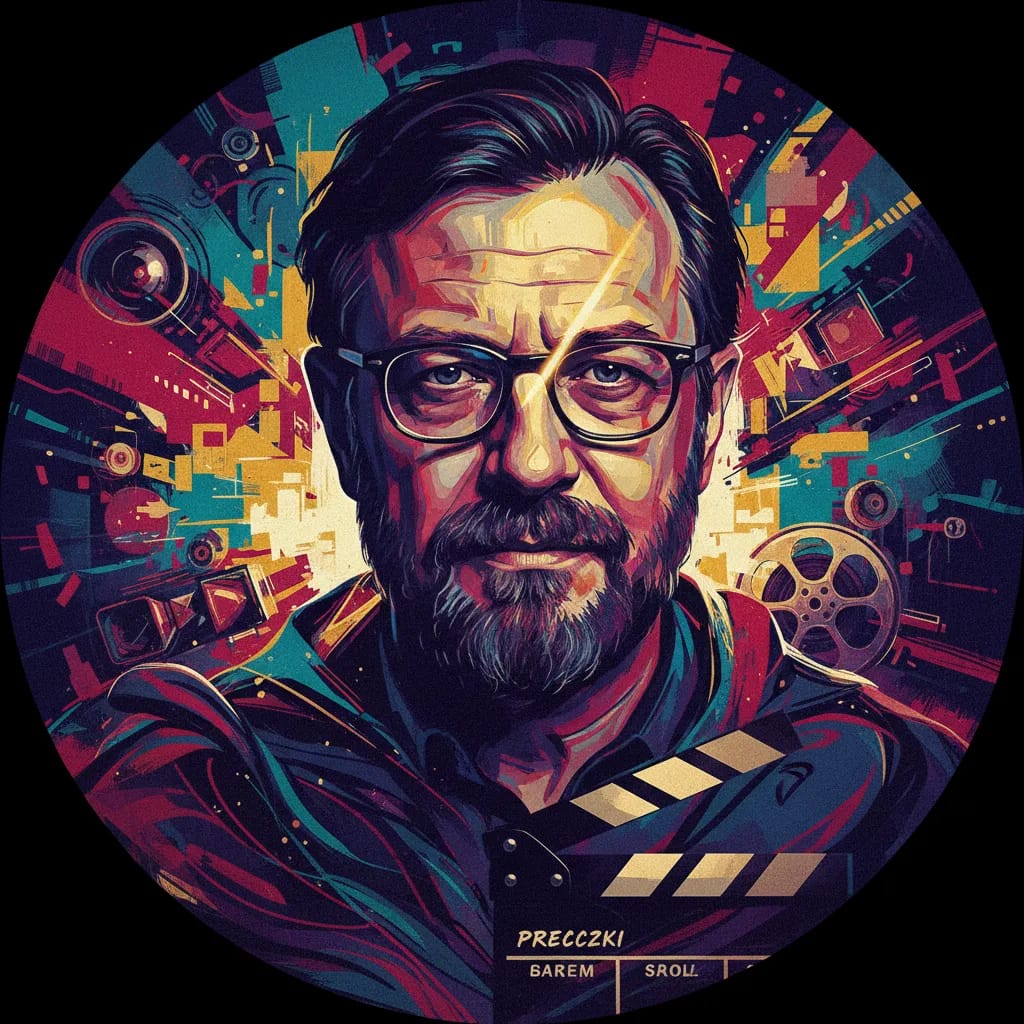
Juliusz Machulski is a renowned Polish film director known for his distinctive blend of adventure, comedy, and science fiction elements. His groundbreaking work has left an indelible mark on the global cinematic landscape, with "Sexmission" (1984) standing as a testament to his directorial prowess. Machulski's films often showcase a unique wit, sharp humor, and thought-provoking social commentary, making him a standout figure in the industry. "Sexmission" (1984) catapulted Machulski into the spotlight, capturing audiences with its innovative storytelling and imaginative narrative. The film's seamless fusion of adventure, comedy, and sci-fi established Machulski as a visionary director capable of pushing the boundaries of genre conventions. His ability to infuse humor into thought-provoking themes set him apart as a director with a distinct and captivating style. Machulski's filmography is a testament to his versatility and creativity, with each project offering a fresh perspective on the human condition while entertaining audiences. His films often delve into themes of societal critique, human relationships, and the absurdity of everyday life, resonating with viewers on a profound level. Machulski's directorial style is characterized by a keen sense of visual storytelling, dynamic pacing, and a knack for creating immersive cinematic experiences. With "Sexmission" as a cornerstone of his career, Machulski has cemented his legacy as a trailblazing director whose impact on cinema continues to reverberate. His ability to seamlessly intertwine adventure, comedy, and sci-fi has influenced a new generation of filmmakers, inspiring them to explore unconventional storytelling methods and genre-bending narratives. Machulski's contributions to the film industry have earned him a well-deserved place among the pantheon of visionary directors, with his work leaving an indelible imprint on the art of storytelling through film.

Jun Falkenstein
Jun Falkenstein is a highly talented and accomplished film director, best known for her work in animation. Her most notable film to date is "The Tigger Movie" (2000), a heartwarming animated feature that melds adventure and comedy to bring the beloved characters of the Hundred Acre Wood to life. Falkenstein's directorial style is characterized by her ability to infuse her films with warmth, humor, and a deep emotional resonance that resonates with audiences of all ages. Her keen understanding of storytelling and her exceptional ability to bring animated characters to life has solidified her reputation as a director with a unique vision and a distinct voice in the industry. Falkenstein's work on "The Tigger Movie" showcased her knack for crafting narratives that are both entertaining and emotionally resonant. Her ability to infuse her characters with depth and humanity has made her a sought-after director in the world of animation. Her filmography may be relatively small, but her impact on the industry is significant, as "The Tigger Movie" remains a cherished classic for audiences worldwide. In her directorial career, Falkenstein has exhibited a recurring theme of celebrating the power of friendship, the importance of self-discovery, and the enduring magic of childhood. Her films often explore the complexities of relationships and the universal themes of love, acceptance, and belonging. Falkenstein's films have left an indelible mark on the animation landscape, inspiring a generation of filmmakers and enchanting audiences with their timeless storytelling. Jun Falkenstein's contributions to cinema have been profound, as she has proven herself to be a director with a distinctive vision and a gift for bringing animated worlds to life with heart and soul. Her ability to craft stories that resonate across generations has solidified her as a director to watch in the world of animation, and her impact on the industry is sure to endure for years to come. In summary, Jun Falkenstein's directorial career is defined by her ability to create animated films that are not only visually stunning but also emotionally rich and thematically resonant. Her work on "The Tigger Movie" exemplifies her unique talent for storytelling and her ability to connect with audiences on a profound level. With her distinct directorial style and unwavering commitment to crafting compelling narratives, Falkenstein has left an indelible mark on the animation landscape and has cemented her status as a directorial force to be reckoned with.

Jung Bum-shik
Jung Bum-shik is a South Korean film director who has made a significant impact on the horror genre with his unique directorial style and storytelling prowess. He is best known for his work on the 2018 horror film "Gonjiam: Haunted Asylum," which garnered widespread acclaim for its spine-chilling atmosphere and innovative found-footage approach. Bum-shik's directorial style is characterized by a keen attention to detail and a masterful command of tension and suspense. His ability to create an immersive and unsettling atmosphere has solidified his reputation as a standout talent in the world of horror cinema. Through his precise use of cinematography and sound design, Bum-shik has demonstrated a remarkable ability to elicit genuine fear and unease from audiences, making him a formidable force in the genre. "Gonjiam: Haunted Asylum" stands as a testament to Bum-shik's directorial prowess, showcasing his ability to craft a truly terrifying cinematic experience. The film's success not only solidified Bum-shik's standing as a director to watch but also cemented his influence on the global horror landscape. In his work, Bum-shik often explores themes of fear, the unknown, and the supernatural, delving into the darkest recesses of the human psyche. His films invite audiences to confront their deepest fears, offering a chilling and thought-provoking exploration of the macabre. Bum-shik's ability to tap into primal fears and create a sense of dread has earned him a dedicated following among horror enthusiasts and critics alike. Jung Bum-shik's impact on cinema extends beyond his individual films, as he has contributed to the evolution of the horror genre and inspired a new generation of filmmakers. His unique vision and unwavering commitment to delivering gripping and unsettling narratives have positioned him as a trailblazer in the world of horror cinema, ensuring that his legacy will endure for years to come.

Jung Byung-gil
Jung Byung-gil is a South Korean film director known for his intense and visually stunning action films. With a career spanning over a decade, Jung has made a significant impact on the action genre, captivating audiences with his dynamic storytelling and breathtaking choreography. His directorial style is characterized by a seamless blend of high-octane action sequences, gripping narratives, and striking visuals, establishing him as a master of the adrenaline-fueled thriller. In 2012, Jung Byung-gil made a powerful debut with "Confession of Murder," a gripping action-crime thriller that garnered widespread acclaim for its relentless pacing and visceral action set pieces. The film's success solidified Jung's reputation as a director with a penchant for crafting exhilarating and suspenseful narratives, setting the stage for his future endeavors. However, it was Jung's 2017 film "The Villainess" that truly propelled him into the international spotlight. This action-packed drama captivated audiences and critics alike, earning accolades for its innovative cinematography, complex characters, and relentless, pulse-pounding action sequences. "The Villainess" showcased Jung's ability to push the boundaries of the action genre, seamlessly weaving together a gripping story with jaw-dropping stunt work and fight choreography, firmly establishing him as a visionary director with an unparalleled flair for kinetic storytelling. Jung Byung-gil's films often explore themes of vengeance, redemption, and the complexities of human nature, delving deep into the psyche of his characters while delivering heart-stopping action. His directorial prowess has left an indelible mark on the world of cinema, inspiring a new wave of filmmakers and captivating audiences with his distinct visual style and narrative depth. Jung's commitment to pushing the envelope and delivering immersive, high-energy experiences has cemented his status as a trailblazing director, and his work continues to resonate with action aficionados and cinephiles worldwide.

Jun'ichi Fujise
Jun'ichi Fujisawa, better known as Jun'ichi Fujise, is a Japanese film director celebrated for his work in the anime industry. With a career spanning several decades, Fujise has made significant contributions to the world of animation, particularly in the genres of Drama and Family. His most notable film to date is "I Want to Eat Your Pancreas" (2018), a poignant and heart-wrenching anime that captivated audiences with its emotionally charged narrative. Fujise's directorial style is characterized by a delicate balance of emotional depth and visually stunning imagery. His ability to infuse raw, human emotions into his animated characters sets him apart as a director with a keen understanding of storytelling and character development. "I Want to Eat Your Pancreas" serves as a prime example of Fujise's ability to evoke genuine empathy from his audience through the medium of animation. In terms of recurring themes, Fujise often explores the complexities of human relationships, the fragility of life, and the beauty of fleeting moments. His keen focus on the emotional landscapes of his characters has resonated deeply with audiences, solidifying his reputation as a director capable of crafting profoundly moving narratives. Fujise's impact on cinema extends beyond his individual films, as he has played a pivotal role in advancing the prominence of anime in mainstream global cinema. His work has helped elevate the perception of anime as a legitimate and emotionally resonant art form, garnering critical acclaim and attracting a wider, more diverse audience to the genre. Overall, Jun'ichi Fujise's unique vision and his ability to imbue his animated films with profound emotional depth have firmly established him as a director of considerable influence in the world of animation. His contributions to the medium have not only enriched anime as an art form but have also left an indelible mark on cinema as a whole.

Jun'ichi Satô
Jun'ichi Satô is a visionary Japanese film director celebrated for his contributions to the animation genre. With a career spanning several decades, Satô has left an indelible mark on cinema through his unique directorial style, captivating storytelling, and visually stunning creations. His impressive filmography includes the critically acclaimed "A Whisker Away" (2020), a captivating animated feature that showcases Satô's exceptional talent for weaving compelling narratives that resonate with audiences of all ages. Satô's directorial style is distinguished by its meticulous attention to detail, vivid imagery, and emotionally resonant storytelling. His films often explore themes of self-discovery, the complexities of human emotions, and the enduring power of love and friendship. Through his remarkable storytelling abilities, Satô has crafted a body of work that transcends cultural boundaries and continues to captivate audiences worldwide. Notably, "A Whisker Away" stands as a testament to Satô's prowess as a director, as he expertly brings to life a heartwarming tale of a young girl who transforms into a cat to get closer to her crush. The film's breathtaking animation, coupled with Satô's adept direction, highlights his ability to infuse depth and poignancy into his storytelling, making it a memorable addition to his illustrious filmography. Satô's impact on cinema extends beyond his individual films, as he has played a pivotal role in shaping the landscape of animated storytelling. Through his commitment to pushing creative boundaries and exploring the human experience through animation, Satô has inspired a new generation of filmmakers and continues to be revered by audiences and industry peers alike. In conclusion, Jun'ichi Satô's directorial career is a testament to his unparalleled talent, creative vision, and enduring impact on the world of cinema. As a master storyteller and visionary director, Satô's contributions to the animation genre have solidified his legacy as an iconic filmmaker, leaving an indelible mark on the medium and inspiring countless creators to follow in his footsteps.

Junpei Mizusaki
Junpei Mizusaki is a Japanese film director known for his innovative and visually stunning work in the realm of animation. His most notable film to date is "Batman Ninja" (2018), a unique take on the iconic DC Comics character that fuses traditional Japanese aesthetics with cutting-edge animation techniques. Mizusaki's directorial style is characterized by a bold and dynamic approach to storytelling, as well as a keen eye for blending different artistic influences to create visually striking and thematically rich narratives. "Batman Ninja" stands as a testament to Mizusaki's ability to push the boundaries of animation and deliver a fresh take on familiar characters. The film's seamless fusion of traditional Japanese art and modern animation technologies has garnered widespread acclaim and solidified Mizusaki's reputation as a visionary director with an unparalleled ability to breathe new life into well-established franchises. His work on "Batman Ninja" has not only demonstrated his mastery of the medium but also showcased his unique perspective on storytelling and visual aesthetics. Mizusaki's directorial oeuvre often explores themes of identity, heroism, and the collision of disparate cultures, all of which are evident in "Batman Ninja." His films are characterized by a bold and unapologetic approach to storytelling, where he fearlessly incorporates elements of both Eastern and Western culture to create a truly global cinematic experience. Mizusaki's impact on cinema lies in his ability to transcend cultural boundaries and deliver films that resonate with audiences worldwide, cementing his status as a director whose work transcends traditional genre and cultural constraints. With "Batman Ninja," Junpei Mizusaki has firmly established himself as a director with a distinct and visionary approach to animation. His ability to blend disparate influences and create visually arresting narratives has set him apart as a true innovator in the world of animation, and his work continues to inspire and captivate audiences around the globe. As he continues to expand his directorial repertoire, Mizusaki's unique vision and contributions to film are sure to leave an indelible mark on the cinematic landscape for years to come.

Justin Baldoni
Justin Baldoni is a talented filmmaker known for his emotionally charged and heartfelt storytelling. He made his feature directorial debut with the 2019 film "Five Feet Apart," a poignant drama that captivated audiences with its tender portrayal of young love amidst the challenges of cystic fibrosis. This success was followed by his 2020 film "Clouds," a touching biographical drama that celebrates the life of Zach Sobiech, a young musician who battled cancer with optimism and resilience. These films showcase Baldoni's ability to infuse his work with genuine emotion and sincerity, drawing viewers into the intimate worlds of his characters. Baldoni's directorial style is marked by his ability to explore the complexities of human relationships with sensitivity and authenticity. His films delve into the profound emotional connections that bind people together, often navigating themes of love, loss, and the resilience of the human spirit. Through his keen directorial eye, Baldoni crafts narratives that resonate deeply with audiences, offering a compelling blend of heartrending drama and uplifting moments of hope. With "Five Feet Apart" and "Clouds," Baldoni has left an indelible mark on cinema, demonstrating a commitment to telling stories that inspire and uplift. His films have garnered critical acclaim for their emotional impact and powerful performances, solidifying his reputation as a director with a keen understanding of the human experience. Baldoni's unique vision and dedication to authentic storytelling have made him a notable force in the industry, and his work continues to resonate with audiences around the world. As Baldoni's career continues to evolve, he remains a director to watch, with a distinctive ability to bring poignant narratives to the screen. His contributions to the film industry have not only enriched the cinematic landscape but have also touched the hearts of viewers, solidifying his status as a director with a profound understanding of the human condition. With each new project, Baldoni's unique voice and directorial prowess promise to leave a lasting impact on the world of cinema.

Justin Benson
Justin Benson is a visionary filmmaker known for his unique blend of drama, horror, and science fiction elements in his directorial works. With a distinctive directorial style that seamlessly combines genre-bending storytelling with emotional depth, Benson has made a significant impact on the contemporary cinema landscape. His filmography includes critically acclaimed titles such as "Resolution" (2012), "Spring" (2014), "The Endless" (2017), and "Synchronic" (2019), each of which showcases his prowess in crafting thought-provoking narratives that push the boundaries of traditional genre conventions. Benson's directorial style is characterized by his ability to seamlessly intertwine disparate genres, creating films that defy easy categorization. His films often blend elements of horror, mystery, and drama, with a strong emphasis on character-driven storytelling and immersive world-building. This unique approach has garnered Benson a dedicated following and critical acclaim for his ability to subvert audience expectations while delivering compelling and emotionally resonant narratives. Notable for his recurring themes of existential dread, the nature of reality, and the complexities of human relationships, Benson's films are marked by their philosophical underpinnings and layered storytelling. His ability to infuse genre elements with deep emotional resonance has set him apart as a director with a distinct and compelling voice in contemporary cinema. Benson's impact on cinema lies in his ability to challenge and redefine genre boundaries, offering audiences a fresh and innovative perspective on familiar tropes. His films have garnered widespread praise for their originality, and his work has been lauded for its ability to captivate and engage audiences across diverse genres. As a director, Benson continues to push the boundaries of storytelling, cementing his status as a trailblazer in the realm of genre filmmaking. In conclusion, Justin Benson's directorial career is distinguished by his unique vision, innovative storytelling, and his ability to create immersive and emotionally resonant cinematic experiences. With a filmography that defies easy categorization and a distinctive directorial style that challenges genre conventions, Benson has made a significant impact on contemporary cinema. His ability to craft compelling narratives that blend disparate genres while delving into profound existential themes has solidified his status as a visionary director with a lasting influence on the film industry.