Director Names Starting with J
Showing 37-48 out of 539

James Cox
James Cox is a visionary director known for his compelling storytelling and visually striking films. With a career spanning several decades, Cox has made a significant impact on cinema with his distinct directorial style and thought-provoking narratives. His notable films include "Wonderland" (2003), a riveting crime drama based on the infamous Wonderland murders, and "Billionaire Boys Club" (2018), a gripping biographical thriller that delves into the high-stakes world of wealth and deception. Cox's directorial style is characterized by his ability to immerse audiences in the complex and often dark realms of human behavior. He has a knack for bringing true stories to life on the silver screen, infusing them with palpable tension and emotional depth. Through his meticulous attention to detail and evocative cinematography, Cox crafts films that resonate long after the credits roll. One of Cox's recurring themes is the exploration of the human psyche under extreme circumstances, often delving into the motivations and consequences of criminal behavior. His films are known for their unflinching portrayal of complex characters and the moral ambiguity that surrounds them. Cox's storytelling prowess lies in his ability to navigate the murky waters of morality, leaving audiences introspective and emotionally invested in the characters' journeys. Cox's impact on cinema is undeniable, as he continues to push boundaries and challenge conventional storytelling norms. His films have garnered critical acclaim for their raw authenticity and immersive storytelling, cementing his reputation as a director with a unique vision and a profound understanding of the human experience. With a keen eye for capturing the essence of his subjects, Cox remains a trailblazer in the realm of directorial prowess, captivating audiences and leaving an indelible mark on the cinematic landscape.

James Dearden
James Dearden is a British film director known for his work in the crime, drama, and history genres. His notable filmography includes "Rogue Trader" (1999), a gripping exploration of the true story of Nick Leeson, a rogue trader who brought down Barings Bank. Dearden's directorial style is characterized by a keen attention to detail, a flair for storytelling, and a knack for creating intense, character-driven narratives. In "Rogue Trader," Dearden skillfully navigates the complexities of financial crime and human psychology, crafting a compelling narrative that delves into the moral dilemmas and personal struggles of the protagonist. His ability to capture the tension and intrigue of real-life events sets him apart as a director with a penchant for bringing true stories to life on the big screen. Throughout his career, Dearden has explored themes of ambition, deception, and the consequences of individual actions within larger societal structures. His films often delve into the moral ambiguity of human behavior and the impact of personal choices on the world around us. This thematic depth, coupled with his adept storytelling techniques, has solidified his reputation as a director capable of delivering thought-provoking and emotionally resonant cinema. Dearden's impact on cinema lies in his ability to infuse his films with a sense of authenticity and emotional depth, drawing audiences into the moral quandaries and ethical dilemmas faced by his characters. His work serves as a testament to the power of storytelling in shedding light on the complexities of human nature and the societal forces that shape our lives. As a director, Dearden continues to leave a lasting impression on audiences with his compelling narratives and thought-provoking explorations of real-world events.

James DeMonaco
James DeMonaco is an American film director best known for his work on the highly successful "The Purge" film series. DeMonaco's directorial style is characterized by his ability to blend elements of horror, sci-fi, and action, creating intense and thought-provoking cinematic experiences. His films often explore societal issues and the darker aspects of human nature, making them both thrilling and socially relevant. DeMonaco's breakthrough came with the release of "The Purge" in 2013, a dystopian horror-thriller set in a future America where crime is legal for one night each year. The film was a commercial success and received praise for its unique concept and tense atmosphere. DeMonaco continued to expand the franchise with "The Purge: Anarchy" in 2014 and "The Purge: Election Year" in 2016, further exploring the consequences of a night of lawlessness and the political implications of the annual purge. Notable for his ability to craft high-concept, adrenaline-fueled narratives, DeMonaco's films often tackle themes of class warfare, morality, and the consequences of unchecked power. His work has resonated with audiences and critics alike, solidifying his reputation as a director with a distinct and compelling vision. DeMonaco's impact on cinema lies in his ability to create thought-provoking entertainment that challenges audiences to confront uncomfortable truths about society and human behavior. In addition to his work on "The Purge" series, DeMonaco has also demonstrated versatility by working on other projects, showcasing his ability to navigate different genres and storytelling approaches. With a dedicated fan base and a track record of delivering gripping, socially conscious cinema, James DeMonaco continues to be a prominent figure in the world of genre filmmaking, leaving an indelible mark on the industry with his thought-provoking and thrilling directorial work.
James Fargo
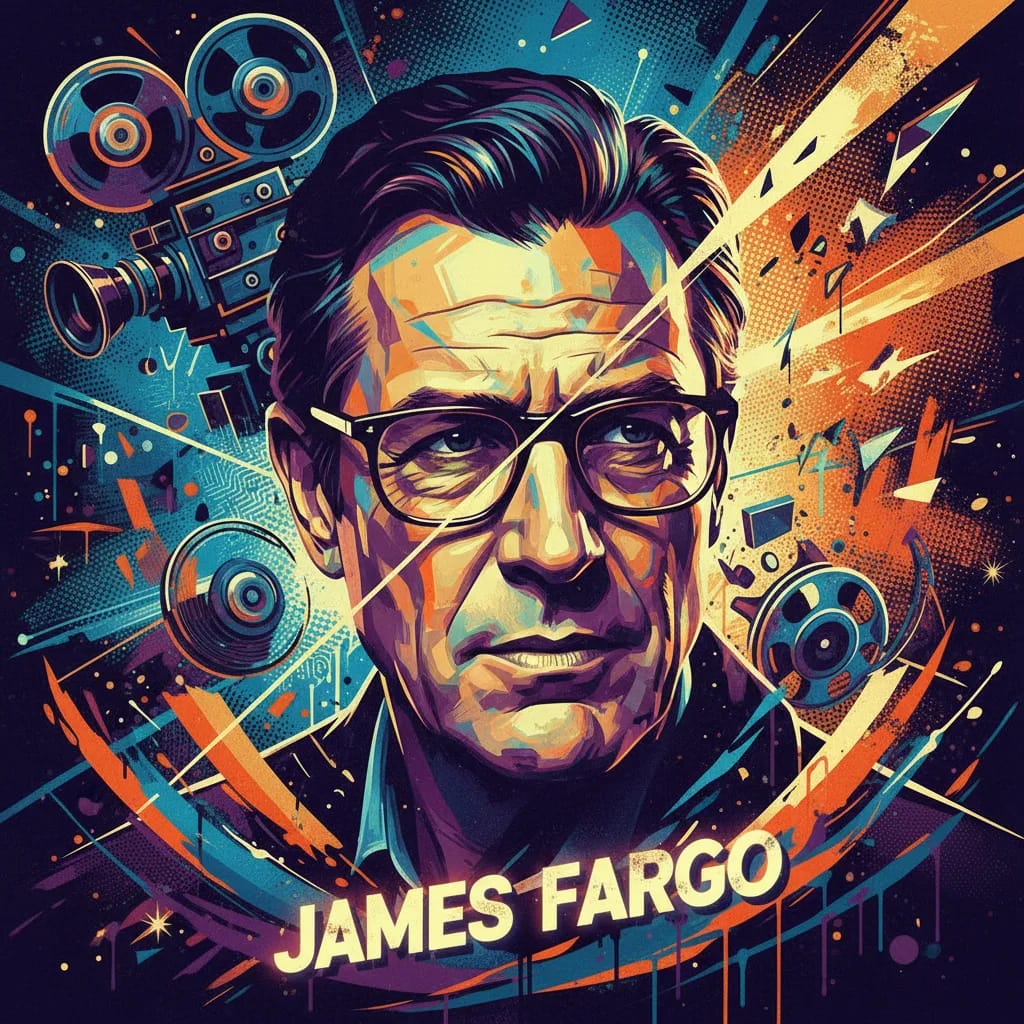
James Fargo is an American film director best known for his work in the action and comedy genres. With a career spanning several decades, Fargo has left an indelible mark on cinema with his distinct directorial style and memorable films. Fargo's directorial debut came with the 1976 action-crime thriller "The Enforcer," starring Clint Eastwood as Inspector 'Dirty' Harry Callahan. The film was a commercial success and showcased Fargo's ability to craft tense and thrilling action sequences. His adept handling of the genre solidified his reputation as a director with a knack for creating high-octane, pulse-pounding cinema. In 1978, Fargo achieved further acclaim with "Every Which Way But Loose," a comedy-action film starring Clint Eastwood as a trucker and his pet orangutan, Clyde. The movie was a massive hit, becoming one of the highest-grossing films of the year. Fargo's seamless blend of humor and action in this film demonstrated his versatility as a director and his ability to connect with audiences on an emotional level. Throughout his career, Fargo has displayed a penchant for combining action with humor, creating a signature style that sets his films apart. His films often feature charismatic lead characters, exhilarating car chases, and a healthy dose of comedic moments. Fargo's ability to entertain audiences while delivering compelling storytelling has firmly established him as a master of action-comedy cinema. James Fargo's contributions to the film industry have had a lasting impact on the action and comedy genres. His films continue to be celebrated for their entertainment value and enduring appeal, solidifying his legacy as a director who has left an indelible mark on cinema. With a career marked by commercial success and critical acclaim, Fargo's unique vision and directorial prowess continue to inspire and influence filmmakers and audiences alike.

James Foley
James Foley is a versatile film director known for his compelling work in various genres, including crime, drama, thriller, and romance. Throughout his career, he has demonstrated a keen eye for storytelling and a distinctive directorial style that has left a lasting impact on cinema. Foley's filmography includes a diverse range of projects, such as "Confidence" (2003), "Fifty Shades Darker" (2017), "At Close Range" (1986), "The Corruptor" (1999), "Glengarry Glen Ross" (1992), "The Chamber" (1996), "Who's That Girl" (1987), "Perfect Stranger" (2007), and "Fear" (1996). Foley's directorial style is characterized by a gritty and intense approach that delves deep into the complexities of human nature. He has a talent for creating suspenseful and emotionally charged narratives, often infusing his films with a sense of urgency and tension. Foley's ability to bring out raw, authentic performances from his actors is a testament to his directorial prowess, and his films are known for their gripping storytelling and strong character development. One of Foley's most notable films is "Glengarry Glen Ross" (1992), an intense exploration of the cutthroat world of real estate sales, which garnered critical acclaim for its powerful performances and sharp dialogue. The film's success solidified Foley's reputation as a skilled director capable of tackling challenging and thought-provoking subject matter. Additionally, his work on "Fifty Shades Darker" (2017) showcased his ability to breathe life into a highly anticipated adaptation, navigating the delicate balance between sensuality and drama with finesse. Throughout his career, Foley has explored recurring themes of moral ambiguity, power dynamics, and the darker aspects of human behavior. His films often delve into the complexities of interpersonal relationships and the blurred lines between good and evil, making them thought-provoking and emotionally resonant experiences for audiences. James Foley's impact on cinema lies in his ability to craft compelling narratives that resonate with viewers on a deep emotional level. His unique vision and directorial expertise have made him a respected figure in the film industry, and his contributions continue to influence and inspire aspiring filmmakers and audiences alike.

James Franco
James Franco is a multi-talented artist who has made a name for himself as an actor, writer, and director in the film industry. His directorial debut, "The Disaster Artist" (2017), is a biographical comedy-drama that garnered critical acclaim and showcased his ability to blend humor with poignant storytelling. Franco's directorial style often delves into the human experience, exploring the complexities of relationships and the pursuit of dreams. His work behind the camera is characterized by a raw and authentic approach that connects with audiences on a deep emotional level. "The Disaster Artist" stands as Franco's most notable directorial work, offering a behind-the-scenes look at the making of the cult classic film "The Room" and the eccentricities of its enigmatic director, Tommy Wiseau. The film received widespread praise for Franco's adept direction and his commitment to capturing the essence of passion and creativity in the face of adversity. Through this film, Franco showcased his ability to infuse humor and heart into real-life narratives, solidifying his reputation as a director with a keen eye for human emotion and resilience. Throughout his career, Franco has demonstrated a penchant for exploring the human psyche, often delving into the complexities of identity, ambition, and the pursuit of artistic expression. His films frequently revolve around characters who grapple with their inner demons while navigating the challenges of self-discovery. Franco's directorial contributions have left an indelible mark on cinema by offering audiences a unique perspective on the human condition and the power of perseverance. In conclusion, James Franco's directorial prowess has cemented his status as a multifaceted filmmaker with a distinctive vision and an unwavering commitment to storytelling. His directorial debut, "The Disaster Artist," serves as a testament to his ability to breathe life into compelling narratives, infusing them with humor, heart, and thought-provoking themes. Franco's impact on cinema lies in his ability to craft emotionally resonant stories that resonate with audiences, making him a director to watch for his future contributions to the art of filmmaking.

James Frawley
James Frawley was an American film and television director known for his versatile and impactful contributions to the entertainment industry. With a career spanning over five decades, Frawley left an indelible mark with his distinct directorial style and ability to seamlessly navigate between genres. One of his most notable directorial achievements came with "The Muppet Movie" (1979), a beloved adventure-comedy film that captured the hearts of audiences worldwide. Frawley's directorial style was characterized by his adeptness at blending humor, heart, and adventure, creating films that resonated with viewers of all ages. "The Muppet Movie" exemplifies his ability to infuse fantastical storytelling with genuine emotion, showcasing his talent for bringing larger-than-life characters to the screen in a way that feels relatable and authentic. His direction of the film helped solidify the enduring legacy of the Muppets and their impact on popular culture. Throughout his career, Frawley displayed a penchant for crafting narratives that celebrated the power of imagination, friendship, and the triumph of the human spirit. His work often featured themes of camaraderie, resilience, and the pursuit of dreams, resonating with audiences on a profound level. Frawley's dedication to storytelling that embraced both whimsy and depth cemented his status as a visionary director capable of captivating audiences with his imaginative storytelling. Frawley's impact on cinema extends beyond his directorial prowess, as he played a pivotal role in shaping the landscape of family-friendly entertainment. Through his work, he demonstrated a keen understanding of how to engage audiences of all ages, leaving an indelible impression on the world of family-oriented cinema. His ability to infuse his films with humor, heart, and timeless appeal solidified his status as a director whose contributions continue to inspire and entertain audiences to this day. James Frawley's legacy as a director is marked by his ability to transport audiences to enchanting worlds while instilling in them a profound sense of wonder and joy.

James Gartner
James Gartner is a celebrated film director known for his work in the biographical, drama, and sports genres. His most notable film, "Glory Road" (2006), remains a testament to his directorial prowess and storytelling finesse. Gartner's directorial style is characterized by a keen attention to detail, emotional depth, and an ability to capture the human spirit in the face of adversity. His films often delve into the triumph of the human spirit, making him a master of inspirational storytelling. "Glory Road" stands as Gartner's magnum opus, depicting the true story of the 1966 Texas Western Miners basketball team, led by coach Don Haskins, who made history by starting the first all-black lineup in the NCAA championship. The film not only showcases Gartner's ability to craft compelling sports narratives but also highlights his adeptness in portraying the social and racial tensions of the era. His meticulous direction and profound understanding of the subject matter resulted in a film that resonated deeply with audiences and critics alike. Gartner's recurring themes often revolve around underdog stories, the power of teamwork, and the resilience of the human spirit. His films are known for their ability to uplift and inspire, as he deftly weaves together themes of perseverance and determination. Gartner's impact on cinema lies in his ability to humanize larger-than-life stories, making them relatable and emotionally resonant for audiences of all backgrounds. As a director, Gartner's unique vision has left an indelible mark on the film industry, particularly within the realm of sports biopics. His ability to infuse his films with heart, authenticity, and a timeless relevance has solidified his status as a master storyteller. Gartner's contributions to cinema continue to inspire aspiring filmmakers and audiences alike, cementing his legacy as a director with a profound understanding of the human experience and an unparalleled ability to bring real-life stories to the silver screen.

James Gray
James Gray is a renowned American film director known for his compelling storytelling and visually stunning cinematic style. With a career spanning over two decades, Gray has left an indelible mark on the film industry with his thought-provoking narratives and immersive directorial approach. His filmography features a diverse range of genres, including drama, adventure, biography, romance, and crime, showcasing his versatility as a filmmaker. One of Gray's most notable works is "The Lost City of Z" (2016), a captivating adventure biopic that received widespread critical acclaim for its breathtaking visuals and gripping storytelling. The film exemplifies Gray's penchant for exploring the human spirit and the pursuit of discovery, as well as his ability to transport audiences to immersive and exotic settings. Additionally, "Ad Astra" (2019) stands as a testament to Gray's directorial prowess, offering a thought-provoking blend of adventure, drama, and mystery set in the vastness of space. Throughout his career, Gray has consistently delved into themes of love, family dynamics, and the complexities of human relationships, infusing his films with emotional depth and authenticity. His directorial style is characterized by meticulous attention to detail, nuanced character development, and a keen sense of visual storytelling, drawing viewers into the intricacies of his narratives. Furthermore, Gray's impact on cinema extends beyond his individual films, as he has contributed to the evolution of storytelling techniques and has inspired a new generation of filmmakers to push boundaries and explore the human experience through the art of filmmaking. With upcoming projects such as "Armageddon Time" (2022), James Gray continues to captivate audiences and cement his legacy as a visionary director. His commitment to pushing artistic boundaries and crafting compelling narratives ensures that his influence on the film industry will endure for years to come, solidifying his status as a masterful storyteller and a driving force in contemporary cinema. Keywords: James Gray, film director, The Lost City of Z, Ad Astra, directorial style, cinema, filmmaker, Armageddon Time, storytelling, human experience, visionary director

James Griffiths
James Griffiths is a talented British film director known for his work in the comedy genre, with a particular inclination towards heartwarming romance and sports-themed narratives. His most notable film to date is "Cuban Fury" (2014), a delightful blend of comedy, romance, and sport. Griffiths' directorial style is characterized by his ability to infuse humor with genuine emotion, creating films that resonate with audiences on a personal level. In "Cuban Fury," Griffiths showcases his adeptness at blending physical comedy with genuine heartfelt moments, capturing the essence of the protagonist's journey to win the heart of his love interest through salsa dancing. The film's lighthearted tone, witty dialogue, and infectious energy reflect Griffiths' skill in crafting endearing narratives that appeal to a wide audience. One of Griffiths' recurring themes is the celebration of human resilience and the triumph of the underdog. His films often revolve around characters who overcome personal obstacles and societal expectations, resonating with viewers through their relatable struggles and eventual triumphs. Through his work, Griffiths has made a significant impact on the comedy genre by infusing it with genuine emotion and relatable characters, elevating the genre beyond mere laughs to resonate with deeper human experiences. Griffiths' unique vision as a director lies in his ability to seamlessly blend comedy with romance and sports, creating films that offer a multifaceted viewing experience. His contributions to cinema include bringing a fresh perspective to the comedy genre, infusing it with warmth, authenticity, and a genuine sense of joy. As he continues to expand his directorial repertoire, audiences can look forward to more heartwarming and entertaining stories that showcase Griffiths' distinctive directorial style and storytelling prowess.

James Gunn
James Gunn is a prolific director known for his unique blend of genre-bending films that seamlessly combine elements of comedy, action, and adventure. Gunn's career took off with the release of "Slither" in 2006, a horror-comedy that showcased his penchant for blending humor with visceral thrills. The film's success established Gunn as a director to watch, setting the stage for his future contributions to the industry. In 2010, Gunn's directorial prowess was further solidified with "Super," a darkly comedic take on the superhero genre. The film's offbeat humor and subversion of traditional superhero tropes demonstrated Gunn's ability to infuse familiar genres with his distinct directorial style. However, it was Gunn's foray into the Marvel Cinematic Universe with "Guardians of the Galaxy" in 2014 that truly catapulted him into the mainstream spotlight. The film's winning combination of action, adventure, and irreverent humor resonated with audiences and critics alike, cementing Gunn's reputation as a visionary director. Gunn continued to leave an indelible mark on the superhero genre with the release of "Guardians of the Galaxy Vol. 2" in 2017, further showcasing his knack for delivering visually stunning spectacles with heart and humor. His ability to seamlessly blend action-packed sequences with poignant character development has set him apart as a director capable of delivering blockbuster entertainment with depth and emotional resonance. In 2021, Gunn ventured into the DC Extended Universe with "The Suicide Squad," once again demonstrating his prowess for infusing ensemble action films with his signature blend of humor and heart. With the highly anticipated "Guardians of the Galaxy Vol. 3" slated for release in 2023, Gunn's impact on the cinematic landscape is undeniable, as he continues to push the boundaries of genre filmmaking with his distinctive directorial vision. Overall, James Gunn's directorial style is marked by his ability to inject humor and humanity into diverse genres, from horror to superhero blockbusters. His films consistently showcase a blend of irreverent humor, visually stunning action, and compelling character dynamics, making him a trailblazing director whose impact on cinema reverberates across genres and audiences. Keywords: James Gunn, director, filmography, Slither, Super, Guardians of the Galaxy, The Suicide Squad, directorial style, impact on cinema, superhero genre, visionary director

James Ivory
James Ivory, the renowned American film director, is celebrated for his exquisite storytelling and visually stunning adaptations of literary classics. With a career spanning several decades, Ivory has left an indelible mark on cinema through his distinctive directorial style and profound influence on the industry. His filmography is characterized by an unparalleled ability to capture the emotional depth of his characters and bring timeless narratives to life on the silver screen. Ivory's directorial style is marked by a meticulous attention to detail, evocative cinematography, and a focus on the complexities of human relationships. His films often explore themes of love, class dynamics, and societal norms, offering audiences a poignant and thought-provoking cinematic experience. Notable for his collaborations with producer Ismail Merchant and screenwriter Ruth Prawer Jhabvala, Ivory has consistently delivered visually stunning and emotionally resonant works of art. Among Ivory's most notable films is "The Remains of the Day" (1993), a poignant drama that delves into the complexities of loyalty and missed opportunities. "Howards End" (1992) stands as another masterpiece, a compelling exploration of social class and family dynamics set against the backdrop of Edwardian England. "A Room with a View" (1985) showcases Ivory's ability to bring literary classics to life, capturing the essence of E.M. Forster's novel with unparalleled grace and elegance. Throughout his career, Ivory has demonstrated an unparalleled ability to adapt literary works to the screen, breathing new life into timeless stories and captivating audiences with his unique directorial vision. His impact on cinema is undeniable, as he has consistently delivered films that resonate with both critics and audiences alike, earning numerous accolades and awards for his contributions to the art of filmmaking. In conclusion, James Ivory's directorial career is a testament to his unwavering commitment to storytelling and his ability to bring literary masterpieces to the screen with unparalleled artistry. His films continue to stand the test of time, captivating new generations of cinephiles and cementing his legacy as a visionary director with an enduring impact on cinema.