Director Names Starting with J
Showing 349-360 out of 539

John Mackenzie
John Mackenzie was a versatile British film director known for his impactful contributions to the crime, thriller, and mystery genres. With a career spanning several decades, Mackenzie's directorial style was marked by a distinct ability to capture the gritty realism of urban life while infusing his films with intense drama and suspense. One of his most notable works is "The Long Good Friday" (1980), which exemplifies his adeptness at creating atmospheric crime dramas. The film, starring Bob Hoskins and Helen Mirren, is celebrated for its gripping narrative, powerful performances, and gritty portrayal of the criminal underworld in London. Mackenzie's keen eye for detail and his skillful direction brought the complexities of the characters and their morally ambiguous world to life, leaving a lasting impact on the crime genre. In 1987, Mackenzie further showcased his directorial prowess with "The Fourth Protocol," a gripping thriller that delves into the realm of espionage and political intrigue. Starring Michael Caine and Pierce Brosnan, the film is a testament to Mackenzie's ability to craft taut, suspenseful narratives that keep audiences on the edge of their seats. His meticulous attention to storytelling and character development solidified his reputation as a director capable of delivering compelling and thought-provoking cinema. Mackenzie's films often explored themes of power, corruption, and the human condition, offering audiences a window into the darker aspects of society. His work remains influential, inspiring a generation of filmmakers and leaving an indelible mark on the crime and thriller genres. Mackenzie's legacy as a director is defined by his commitment to authenticity and his ability to immerse audiences in the complex and morally ambiguous worlds he depicted on screen. His films continue to resonate with audiences, cementing his status as a visionary director whose impact on cinema endures.

John Maclean
John Maclean is a British director known for his distinctive vision and impactful storytelling. His notable filmography includes the critically acclaimed "Slow West" (2015), a compelling blend of action, adventure, and drama. Maclean's directorial style is marked by a meticulous attention to detail, evocative visuals, and a profound exploration of human emotions within the context of the Western genre. "Slow West" stands as a testament to Maclean's directorial prowess, offering a fresh take on the classic Western narrative. The film masterfully weaves together stunning cinematography, compelling characters, and a richly atmospheric setting, showcasing Maclean's ability to infuse the genre with a contemporary sensibility. His directorial approach is characterized by a nuanced understanding of character dynamics, a keen eye for visual storytelling, and a deft handling of emotional depth. Maclean's directorial oeuvre often explores themes of loneliness, redemption, and the human condition, drawing audiences into introspective and thought-provoking cinematic experiences. His work reflects a deep appreciation for the power of visual storytelling, as well as a commitment to pushing the boundaries of conventional genre tropes. With "Slow West," Maclean has left an indelible mark on the world of cinema, demonstrating his ability to craft compelling narratives that resonate with audiences on a profound level. In the realm of contemporary cinema, John Maclean's directorial contributions have been celebrated for their ability to breathe new life into classic genres while maintaining a distinct, singular vision. His meticulous attention to detail, evocative storytelling, and profound exploration of human emotions have cemented his status as a director to watch. As audiences eagerly anticipate his future projects, it is clear that John Maclean's impact on cinema will continue to be felt for years to come.

John Madden
John Madden is a renowned British film director known for his diverse range of works spanning various genres. He first gained widespread acclaim with his 1997 film "Mrs. Brown," a captivating biography-drama that delved into the relationship between Queen Victoria and her Scottish servant. This successful debut set the stage for Madden's illustrious career, characterized by his ability to seamlessly navigate between different genres and storytelling styles. Madden's directorial style is marked by a keen attention to character development and an immersive approach to storytelling. His filmography boasts an impressive array of genre-spanning works, such as the romantic drama "Shakespeare in Love," for which Madden earned widespread recognition and an Academy Award for Best Director. His ability to infuse historical narratives with emotional depth and compelling storytelling has set him apart as a versatile and accomplished director. Notable films in Madden's oeuvre include "Proof," a thought-provoking drama that explores themes of mathematics, mental illness, and family dynamics, as well as "The Best Exotic Marigold Hotel" and its sequel, which highlight Madden's adeptness at crafting heartwarming and humorous narratives centered on aging and self-discovery. Additionally, his directorial contributions to "Killshot," "The Debt," "Captain Corelli's Mandolin," "Operation Mincemeat," and "Miss Sloane" further showcase his versatility in tackling themes ranging from espionage and war to crime and political intrigue. Madden's impact on cinema lies in his ability to transcend genre boundaries and deliver compelling narratives that resonate with audiences on a deeply human level. His films often explore complex interpersonal relationships, historical events, and societal issues, showcasing a directorial vision that is both thought-provoking and emotionally resonant. With a career spanning decades and a diverse body of work that continues to captivate audiences, John Madden remains a formidable force in the world of filmmaking, leaving an indelible mark on the cinematic landscape with his unique storytelling prowess and directorial finesse.

John Mathew Matthan
John Mathew Matthan is an Indian film director known for his impactful and thought-provoking work in the Hindi film industry. Matthan's most notable film, "Sarfarosh" (1999), is a gripping action thriller that solidified his reputation as a director with a keen eye for storytelling and character development. With a focus on tackling social issues and political themes, Matthan's directorial style emphasizes realism and authenticity, drawing audiences into the intricacies of his narratives. "Sarfarosh" stands as a testament to Matthan's ability to seamlessly blend action, drama, and suspense while delving into the complexities of the human experience. The film follows the journey of an honest and determined police officer as he confronts the challenges of combating terrorism, showcasing Matthan's adeptness at crafting intense and emotionally charged cinematic experiences. Matthan's directorial approach often incorporates a deep exploration of societal issues and the human condition, underscoring the impact of his films beyond mere entertainment. His work reflects a commitment to addressing pertinent social and political concerns, resonating with audiences on a profound level. Through his nuanced storytelling and meticulous attention to detail, Matthan has left an indelible mark on Indian cinema, influencing a generation of filmmakers and setting a high standard for cinematic excellence. With "Sarfarosh," John Mathew Matthan has etched his name in the annals of Indian cinema, showcasing his ability to create films that transcend genre boundaries and resonate with audiences on a universal level. His directorial prowess, coupled with his dedication to addressing pertinent societal issues, has cemented his status as a visionary filmmaker. Matthan's impact on cinema extends beyond the screen, as he continues to inspire and influence emerging talents, leaving an enduring legacy in the world of filmmaking.

John Maybury
John Maybury is a British film director known for his distinctive visual style and thought-provoking storytelling. With a career spanning several decades, Maybury has left an indelible mark on cinema with his unique approach to filmmaking. His notable films include "The Jacket" (2005), a gripping blend of drama, fantasy, and mystery, and "The Edge of Love" (2008), a poignant biographical drama set against the backdrop of romance. Maybury's directorial style is characterized by his innovative use of visuals and his ability to delve into the human psyche. Known for his visually striking compositions and atmospheric cinematography, Maybury's films often explore complex themes such as identity, memory, and the surreal aspects of human experience. His keen eye for detail and his willingness to push the boundaries of traditional storytelling have earned him a devoted following among cinephiles. In "The Jacket," Maybury's adept handling of the film's surreal elements and his ability to navigate between different time periods showcase his directorial prowess. The film's seamless blending of drama, fantasy, and mystery is a testament to Maybury's skill in crafting a compelling narrative that resonates with audiences. Similarly, "The Edge of Love" demonstrates Maybury's ability to capture the emotional depth of his characters and the complexities of their relationships, all set against the backdrop of historical events. Maybury's impact on cinema lies in his ability to challenge cinematic conventions and offer audiences a fresh perspective on storytelling. His recurring themes of love, loss, and the human condition are woven into the fabric of his films, creating a rich tapestry of emotional depth and visual splendor. With a career marked by innovation and a commitment to pushing the boundaries of the medium, John Maybury continues to be a trailblazing force in the world of filmmaking. In conclusion, John Maybury's directorial career is a testament to his unwavering commitment to creating visually arresting and emotionally resonant cinema. His films stand as a testament to his unique vision and his ability to captivate audiences with his thought-provoking storytelling. As a director, Maybury has left an indelible mark on cinema, and his contributions continue to inspire and influence filmmakers around the world.

John McNaughton
John McNaughton is a distinguished American film director known for his bold and unflinching approach to storytelling. With a career spanning several decades, McNaughton has garnered acclaim for his diverse filmography, which encompasses a wide range of genres. He made a significant impact on the industry with his directorial debut, "Henry: Portrait of a Serial Killer" (1986), a chilling and disturbing portrayal of a psychopathic killer. This film quickly established McNaughton as a director unafraid to explore the darker aspects of human nature, setting the tone for his future work. In "Henry: Portrait of a Serial Killer," McNaughton showcased his signature directorial style, characterized by raw, gritty visuals and an unflinching portrayal of violence. This uncompromising approach to storytelling earned him widespread recognition and solidified his status as a filmmaker willing to push boundaries. McNaughton's ability to delve into the complexities of the human psyche and depict the disturbing depths of the human condition has set him apart as a director with a unique and uncompromising vision. McNaughton continued to make waves in the industry with films like "Mad Dog and Glory" (1993), a dark comedy-drama that further showcased his versatility as a director. His ability to seamlessly navigate between genres while maintaining a consistent thematic depth has made him a revered figure in the world of cinema. Additionally, "Wild Things" (1998) highlighted McNaughton's adeptness at crafting compelling and suspenseful narratives within the crime and mystery genres, further cementing his reputation as a director capable of delivering captivating and thought-provoking cinema. Throughout his career, McNaughton's films have often explored themes of morality, human nature, and the complexities of the human experience, delving into the darker recesses of the human psyche with unapologetic honesty. His work has left an indelible mark on the film industry, inspiring a generation of filmmakers and captivating audiences with his fearless storytelling. John McNaughton's enduring legacy as a visionary director continues to resonate with cinephiles and remains a testament to the profound impact of his contributions to the art of filmmaking.

John McPhail
John McPhail is a Scottish film director known for his unique blend of comedy, horror, and musical elements in his work. His most notable film to date is "Anna and the Apocalypse" (2017), a genre-bending zombie musical that quickly gained a cult following. McPhail's directorial style is characterized by his ability to seamlessly merge different genres, creating a fresh and innovative cinematic experience. His films often feature a distinct visual flair and a strong emphasis on storytelling through music and song. "Anna and the Apocalypse" showcases McPhail's talent for creating a harmonious fusion of horror and comedy, punctuated by catchy musical numbers. The film's success lies in McPhail's ability to balance the lightheartedness of a musical with the tension and scares of a zombie apocalypse, demonstrating his versatility as a director. McPhail's approach to storytelling is marked by a deep understanding of character dynamics, allowing the audience to connect with the protagonists on an emotional level amidst the chaos unfolding on screen. One of the recurring themes in McPhail's work is the celebration of individuality and resilience in the face of adversity. His films often feature characters who defy stereotypes and societal norms, navigating their way through extraordinary circumstances with courage and determination. Through his storytelling, McPhail sheds light on the human experience, often using humor and music as powerful tools to convey profound messages. McPhail's impact on cinema lies in his ability to push boundaries and defy genre conventions, breathing new life into well-established film genres. His distinct directorial voice has garnered him a dedicated fan base and solidified his reputation as a visionary filmmaker. As he continues to carve his path in the film industry, John McPhail's unique vision and contributions are sure to leave an indelible mark on the world of cinema.
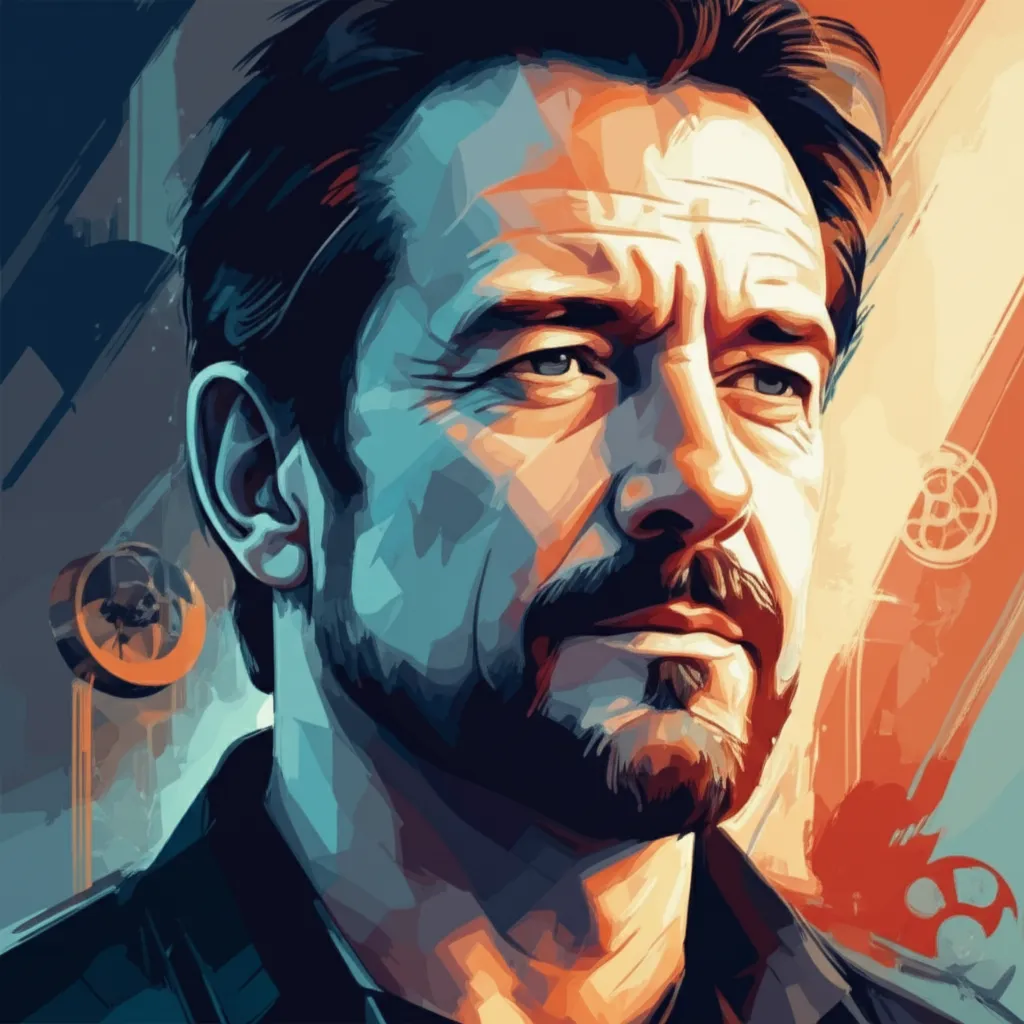
John McTiernan
John McTiernan is a renowned film director known for his exceptional contribution to the action and adventure genres. With an illustrious career spanning several decades, McTiernan has left an indelible mark on cinema with his distinctive directorial style and ability to create high-octane, adrenaline-pumping films. His filmography includes iconic titles such as "Die Hard" (1988), "Predator" (1987), "The Hunt for Red October" (1990), "Last Action Hero" (1993), and "Die Hard: With a Vengeance" (1995), among others. McTiernan's directorial style is characterized by his masterful command of suspense, intense action sequences, and dynamic storytelling. His films often feature complex characters navigating high-stakes situations, coupled with breathtaking visuals and meticulous attention to detail. McTiernan's ability to create palpable tension and deliver exhilarating thrills has solidified his reputation as a visionary director in the action genre. One of McTiernan's most notable works, "Die Hard," redefined the action genre and remains a benchmark for exhilarating, edge-of-your-seat filmmaking. The film's impact on popular culture and its enduring legacy are a testament to McTiernan's directorial prowess. Additionally, "Predator" showcased his ability to seamlessly blend action with science fiction, resulting in a cult classic that continues to captivate audiences. Recurring themes in McTiernan's films include resilience in the face of adversity, the human capacity for heroism, and the relentless pursuit of survival. His ability to infuse these themes into gripping narratives has resonated with audiences worldwide and cemented his status as a pioneering director in the realm of action cinema. McTiernan's influence on the action and adventure genres is undeniable, as his films have set the standard for heart-pounding excitement and compelling storytelling. His unparalleled vision and cinematic artistry have left an indelible impact on the industry, inspiring future generations of filmmakers and captivating audiences with his unparalleled directorial legacy.
John Michael McDonagh
John Michael McDonagh is an Irish film director known for his unique blend of dark comedy, crime, and drama. With a distinct directorial style, McDonagh has gained a reputation for crafting thought-provoking narratives with a sharp wit and a keen eye for social commentary. His filmography includes "War on Everyone" (2016), "The Guard" (2011), and "Calvary" (2014), each showcasing his ability to infuse genre films with depth and complexity. In "War on Everyone," McDonagh delivers a raucous action-comedy that subverts the buddy cop genre, incorporating his trademark dark humor and irreverent take on law enforcement. "The Guard" solidified McDonagh's status as a director to watch, with its offbeat humor and compelling characters set against the backdrop of a crime thriller. "Calvary" delves into darker territory, exploring themes of faith, morality, and redemption within a small Irish community, demonstrating McDonagh's versatility in navigating complex, emotionally resonant narratives. McDonagh's directorial style is characterized by sharp, witty dialogue, morally ambiguous characters, and a knack for blending genres to create compelling, multi-layered storytelling. His films often confront societal issues and moral dilemmas, challenging audiences to consider the complexities of human nature. McDonagh's work has made a significant impact on cinema, earning him a devoted following and critical acclaim for his ability to infuse genre films with depth and substance. Throughout his career, McDonagh has consistently delivered films that defy categorization, offering a fresh perspective on familiar genres and pushing the boundaries of storytelling. With his distinctive voice and uncompromising approach to filmmaking, McDonagh continues to be a leading figure in contemporary cinema, shaping the landscape with his thought-provoking narratives and bold directorial vision.

John Milius
John Milius is a renowned American film director, screenwriter, and producer known for his bold and distinctive style that often explores themes of masculinity, heroism, and the human condition. Born in 1944, Milius rose to prominence in the 1970s and 1980s as a prominent figure in the New Hollywood movement, leaving an indelible mark on the action and adventure genres. His most notable film, "Conan the Barbarian" (1982), solidified his reputation as a director with a keen eye for epic storytelling and larger-than-life characters. Milius' directorial style is characterized by his unapologetic embrace of grandiose narratives and visceral action sequences. His films often feature rugged, larger-than-life protagonists who grapple with primal conflicts, set against visually stunning backdrops. "Conan the Barbarian" perfectly encapsulates Milius' directorial prowess, as he masterfully brought Robert E. Howard's iconic sword-and-sorcery character to life with a mix of raw power and mythic grandeur. In addition to "Conan the Barbarian," Milius' directorial and screenwriting credits include influential films such as "Apocalypse Now" (1979) and "Red Dawn" (1984), which further underscore his impact on the cinematic landscape. Throughout his career, Milius has consistently explored themes of heroism, honor, and the struggle between civilization and primal instincts, leaving an enduring imprint on the action and adventure genres. Milius' contributions to cinema have been profound, as he has influenced countless filmmakers with his unflinching storytelling and larger-than-life characters. His visionary approach to filmmaking has left an indelible legacy, inspiring a new generation of directors to push the boundaries of storytelling and visual spectacle. Milius' enduring impact on the action and adventure genres cements his status as a director whose bold vision continues to resonate with audiences and filmmakers alike. In conclusion, John Milius stands as a towering figure in the world of cinema, renowned for his distinctive directorial style and unyielding commitment to crafting captivating, larger-than-life narratives. His filmography, including the iconic "Conan the Barbarian," serves as a testament to his enduring influence on the action and adventure genres, solidifying his status as a true visionary in the realm of filmmaking. Milius' bold storytelling and thematic depth have left an indelible mark on
John Moore
John Moore is a film director known for his expertise in crafting high-octane action and thrilling drama on the big screen. With a career spanning several decades, Moore has left an indelible mark on the action genre. His filmography boasts a diverse range of films, including "A Good Day to Die Hard" (2013), "Behind Enemy Lines" (2001), "Max Payne" (2008), "I.T." (2016), and "Flight of the Phoenix" (2004). Throughout his career, Moore has showcased a penchant for creating visually stunning and adrenaline-pumping cinematic experiences, earning him a reputation as a master of action-packed storytelling. Moore's directorial style is characterized by his ability to seamlessly blend heart-stopping action sequences with compelling character-driven narratives. His films often feature breathtaking aerial shots, intense combat scenes, and pulse-pounding chase sequences, captivating audiences with their visceral energy. Moore's keen eye for detail and mastery of visual storytelling have solidified his status as a visionary director in the action genre. Notable for his exploration of themes such as bravery in the face of adversity, the human cost of warfare, and the complexities of moral dilemmas, Moore infuses his films with thought-provoking elements that elevate them beyond mere spectacle. With "Behind Enemy Lines," Moore demonstrated his ability to depict the harrowing realities of war while "Max Payne" showcased his talent for delving into the dark underbelly of crime and corruption. Moore's impact on cinema lies in his ability to consistently deliver high-quality, audience-pleasing entertainment that resonates with fans of the action genre. His films have influenced a new generation of filmmakers, inspiring them to push the boundaries of what is possible within the realm of action-packed storytelling. As Moore continues to leave his mark on the industry, his legacy as a director who redefined the action genre is firmly secured. With his unique vision and unparalleled skill, John Moore remains a force to be reckoned with in the world of filmmaking.

John M. Stahl
John M. Stahl, a prominent figure in the Golden Age of Hollywood, left an indelible mark on cinema with his distinctive directorial style, which seamlessly blended drama, film-noir, and romance. Stahl's career was defined by his ability to craft emotionally resonant narratives and vibrant characters, making his films timeless classics that continue to captivate audiences. His most notable work, "Leave Her to Heaven" (1945), stands as a testament to his storytelling prowess and directorial finesse. Stahl's directorial approach was characterized by his keen eye for exploring the complexities of human relationships and the emotional turmoil that often accompanies them. His films often delved into the darker aspects of human nature, incorporating elements of psychological depth and moral ambiguity, which became hallmarks of his signature style. "Leave Her to Heaven" exemplifies Stahl's adeptness at infusing a gripping narrative with intense emotional depth, creating a film that remains a touchstone in the annals of cinema. Throughout his career, Stahl's films frequently explored themes of love, obsession, and the intricacies of the human psyche, showcasing his ability to imbue his work with profound emotional resonance. His adept handling of complex characters and morally ambiguous situations set him apart as a director with a distinct and compelling vision. Stahl's impact on cinema reverberates through his masterful storytelling and his ability to elicit powerful performances from his cast, cementing his legacy as a director of unparalleled skill and artistry. John M. Stahl's contributions to the film industry endure as a testament to his enduring legacy, with "Leave Her to Heaven" serving as a prime example of his directorial prowess. His ability to navigate the complexities of human emotion and interpersonal dynamics solidified his status as a visionary filmmaker, leaving an indelible mark on the cinematic landscape. Stahl's directorial legacy continues to inspire filmmakers and captivate audiences, ensuring his esteemed place in the pantheon of cinematic greats.