Director Names Starting with J
Showing 301-312 out of 539
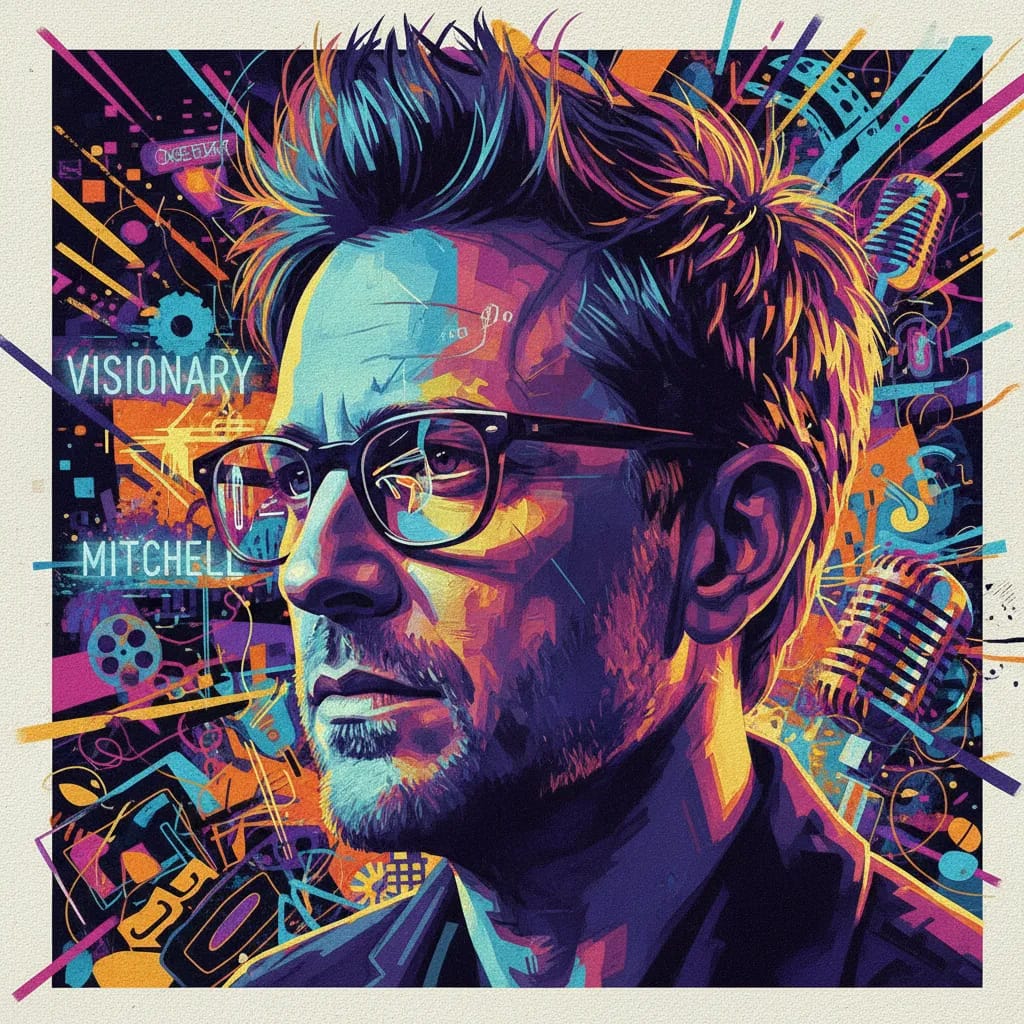
John Cameron Mitchell
John Cameron Mitchell is a visionary film director known for his unique storytelling and boundary-pushing approach to cinema. With a career spanning over two decades, Mitchell has established himself as a maverick filmmaker who fearlessly explores themes of identity, sexuality, and human connection. His directorial style is characterized by a raw and unapologetic honesty, as well as a deep understanding of the human experience. One of Mitchell's most iconic works is "Hedwig and the Angry Inch" (2001), a groundbreaking musical comedy-drama that garnered widespread acclaim for its bold narrative and electrifying musical performances. The film's exploration of gender identity and the search for self-acceptance resonated deeply with audiences and cemented Mitchell's reputation as a director unafraid to tackle taboo subjects with sensitivity and nuance. In "Shortbus" (2006), Mitchell continued to push the boundaries of cinematic storytelling, delving into the lives of a diverse group of New Yorkers as they navigate love, sex, and relationships. The film's unflinching portrayal of human sexuality and intimacy challenged societal norms and solidified Mitchell's status as a fearless auteur unafraid to confront the complexities of human desire. With "How to Talk to Girls at Parties" (2017), Mitchell once again demonstrated his versatility as a director, infusing the film with his trademark blend of humor, music, and romance. The film's whimsical narrative and visually stunning aesthetic showcased Mitchell's ability to transport audiences to imaginative and otherworldly realms, further solidifying his reputation as a director with a distinct and captivating vision. In "Rabbit Hole" (2010), Mitchell shifted gears to deliver a poignant and emotionally resonant drama that delved into the complexities of grief and loss. The film's sensitive exploration of the human experience earned critical acclaim and showcased Mitchell's ability to navigate diverse genres while maintaining his signature directorial voice. John Cameron Mitchell's impact on cinema extends far beyond his individual films, as he has consistently challenged societal norms and pushed the boundaries of storytelling, making him a trailblazer in the industry. With a fearless and unapologetic approach to filmmaking, Mitchell continues to inspire audiences and fellow filmmakers alike, cementing his legacy as a visionary director whose work will continue to resonate for generations to come.
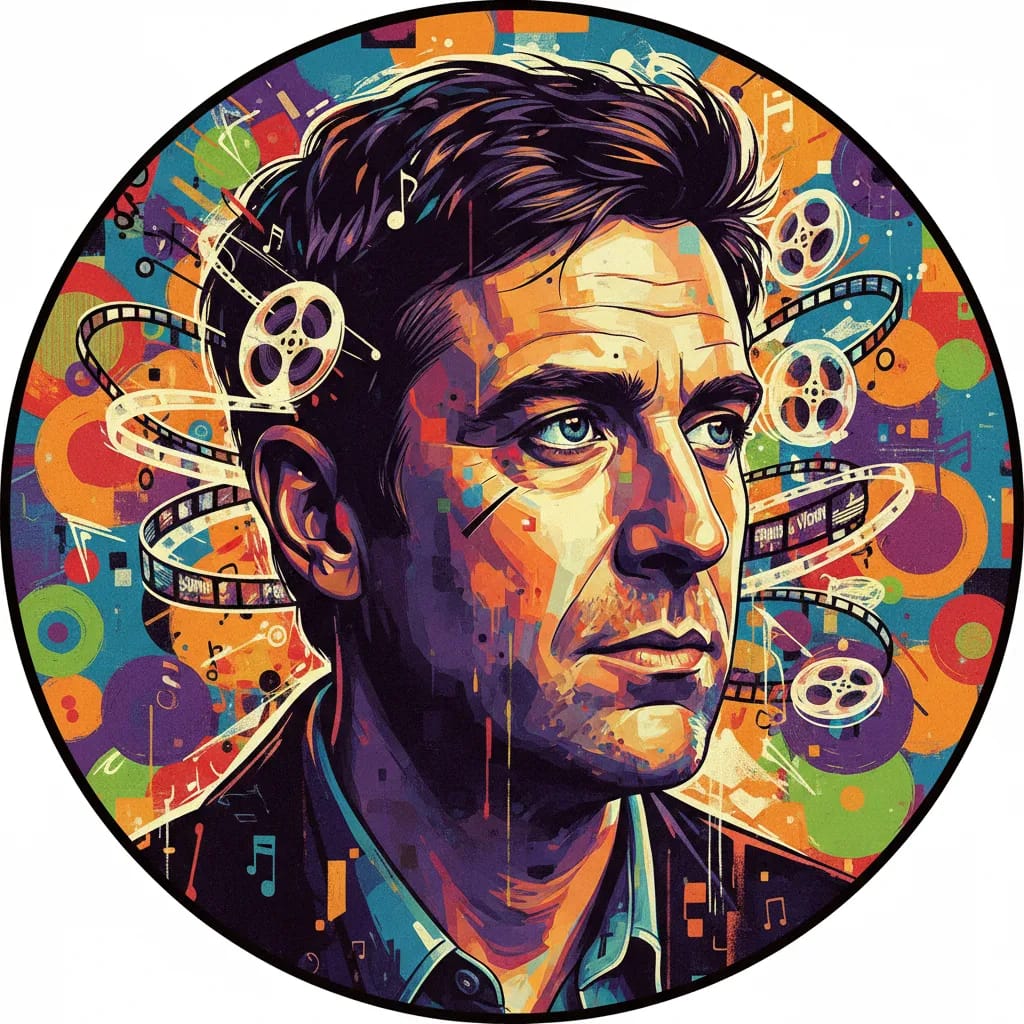
John Carney
John Carney is an Irish director known for his distinctive style and emotionally resonant storytelling. His career took off with the critically acclaimed film "Once" (2007), a low-budget musical drama that captivated audiences with its raw performances and soul-stirring music. Carney's directorial approach in "Once" drew praise for its intimate, naturalistic style and ability to evoke genuine emotion. The film's success paved the way for Carney to further explore the intersection of music and storytelling in his subsequent works. In "Begin Again" (2013), Carney continued to showcase his penchant for blending music and narrative, delivering a heartwarming tale of second chances and the transformative power of music. The film's vibrant soundtrack and authentic performances garnered widespread acclaim, solidifying Carney's reputation as a director with a keen ability to capture the emotional nuances of his characters' journeys. Carney's ability to infuse his films with a sense of heartfelt sincerity has resonated with audiences, establishing him as a leading voice in the realm of music-infused cinema. Carney's directorial prowess reached new heights with "Sing Street" (2016), a coming-of-age comedy-drama that charmed audiences with its infectious energy and nostalgic 1980s backdrop. The film's exploration of youthful creativity and the transcendent force of music further underscored Carney's skill in crafting poignant, music-driven narratives that resonate on a deeply personal level. With "Sing Street," Carney demonstrated his ability to infuse his films with a distinct blend of humor, heart, and infectious musicality, cementing his status as a master storyteller with a unique directorial voice. Throughout his career, Carney has consistently demonstrated a commitment to delving into the emotional core of his characters and using music as a powerful storytelling tool. His films often center on themes of resilience, creative expression, and the universal language of music, offering audiences a glimpse into the profound impact of human connection. Carney's directorial vision continues to leave an indelible mark on cinema, inspiring audiences with his evocative storytelling and unwavering dedication to capturing the transformative power of music on screen.

John Carpenter
John Carpenter is a legendary director known for his groundbreaking contributions to the horror, sci-fi, and action genres. His career took off with his 1974 directorial debut "Dark Star," a blend of comedy and sci-fi that showcased his unique vision and storytelling prowess. Carpenter's directorial style is characterized by his masterful use of suspense, tension-building techniques, and innovative visual storytelling. His keen ability to create immersive atmospheres and capture the essence of fear has solidified his status as a genre-defining filmmaker. Carpenter's filmography is replete with iconic classics that have left an indelible mark on cinema. His 1978 masterpiece "Halloween" revolutionized the horror genre, introducing audiences to the chilling character of Michael Myers and setting the standard for slasher films. "The Thing" (1982) and "The Fog" (1980) further showcased Carpenter's mastery of horror, with their taut narratives and spine-tingling suspense. In the realm of science fiction, "Escape from New York" (1981) and "Starman" (1984) demonstrated his versatility and ability to craft compelling stories in diverse settings. Recurring themes in Carpenter's work include the exploration of societal fears, the struggle for survival in adverse circumstances, and the complexities of human nature when faced with the unknown. His films often delve into the psychological aspects of terror, making them resonate deeply with audiences. Additionally, Carpenter's distinct use of music, often composing the scores for his own films, has become a defining feature of his work, further enhancing the immersive experience for viewers. John Carpenter's impact on cinema is immeasurable, with his films continuing to inspire and influence generations of filmmakers. His ability to create enduring, atmospheric worlds and his mastery of the art of suspense have solidified his place as a true auteur in the world of filmmaking. Carpenter's unique vision and contributions have left an indelible mark on the horror, sci-fi, and action genres, making him a revered figure in the history of cinema.

John Carroll Lynch
John Carroll Lynch is an accomplished American actor, known for his powerful performances in films like Fargo, Zodiac, and The Founder. In 2017, Lynch made his directorial debut with the critically acclaimed film Lucky, a poignant comedy-drama that showcased his ability to capture the human experience with sensitivity and depth. Lynch's directorial style in Lucky is characterized by its deliberate pacing, allowing the audience to immerse themselves in the emotional journey of the protagonist, played by the legendary Harry Dean Stanton. The film delicately explores themes of mortality, existentialism, and the search for meaning in life, all of which are handled with a rare blend of humor and introspection. Lynch's directorial approach is marked by a keen attention to character development and an emphasis on authentic, unembellished storytelling. Lucky stands as a testament to Lynch's ability to infuse his work with profound emotional resonance. The film received widespread acclaim for its honest portrayal of the human condition and its celebration of life's complexities. Lynch's directorial debut firmly established him as a formidable talent behind the camera, with a distinct ability to create thought-provoking narratives that resonate with audiences on a deeply personal level. Lynch's impact on cinema is evident in his commitment to crafting stories that challenge and inspire viewers. His directorial debut serves as a testament to his dedication to exploring the human experience with nuance and authenticity, cementing his status as a filmmaker whose work is both introspective and universally relatable. As he continues to expand his directorial repertoire, Lynch's unique vision and storytelling prowess are sure to leave an indelible mark on the world of cinema.

John Cassavetes
John Cassavetes was a trailblazing American film director who revolutionized independent cinema with his raw, unflinching portrayals of human emotion and relationships. Born in 1929, Cassavetes initially found success as an actor, but it was his directorial efforts that truly cemented his legacy in the annals of film history. Known for his intense, character-driven narratives and naturalistic approach, Cassavetes' directorial style was characterized by its improvisational nature and deeply intimate storytelling. One of Cassavetes' most iconic works is "A Woman Under the Influence" (1974), a searing exploration of mental illness and its impact on a working-class family. The film's unscripted dialogue and emotionally charged performances set a new standard for realism in cinema and earned Cassavetes critical acclaim. Another noteworthy title in his filmography is "Faces" (1968), a groundbreaking drama that delves into the complexities of modern relationships and societal expectations. With its innovative use of handheld camera work and unvarnished performances, "Faces" solidified Cassavetes' reputation as a maverick director unafraid to challenge cinematic conventions. Throughout his career, Cassavetes consistently tackled themes of alienation, identity, and the human condition, often shining a spotlight on marginalized individuals and the struggles they face. His films were celebrated for their unapologetic honesty and refusal to adhere to traditional storytelling structures. Cassavetes' impact on cinema extended far beyond his directorial work, as he paved the way for future generations of independent filmmakers to embrace a more personal, idiosyncratic approach to storytelling. Cassavetes' oeuvre also includes the crime thriller "Gloria" (1980), the introspective "Opening Night" (1977), and the gritty "The Killing of a Chinese Bookie" (1976), all of which further exemplify his commitment to unearthing the complexities of human experience. His influence can be felt in the works of contemporary directors who continue to push the boundaries of cinematic storytelling and prioritize emotional authenticity above all else. John Cassavetes' enduring legacy as a visionary director and pioneer of independent cinema cements his status as a true icon of the art form.

John Cleese
John Cleese is a multifaceted talent who has made a significant impact on the entertainment industry as a director, writer, and actor. While best known for his work in comedy, Cleese has also left an indelible mark as a director. His most renowned directorial effort is the 1988 film "A Fish Called Wanda," a comedy-crime caper that showcases his sharp wit and distinctive style. Cleese's directorial approach is characterized by a blend of sharp humor, clever dialogue, and memorable characters. His films often feature a combination of physical comedy and intellectual humor, creating a unique and engaging experience for audiences. Cleese's ability to infuse his films with both hilarity and insight into the human condition has made him a beloved figure in the world of comedy. "A Fish Called Wanda" stands as a testament to Cleese's directorial prowess, earning critical acclaim and commercial success. The film's seamless blend of humor, suspense, and romance has solidified its status as a timeless classic. Cleese's adept direction brought out the best in the film's ensemble cast, resulting in unforgettable performances and a memorable cinematic experience. Throughout his career, Cleese has explored recurring themes such as the absurdity of human behavior, the complexities of relationships, and the comedic potential of everyday life. His keen observational skills and ability to find humor in the mundane have helped shape his directorial style and set him apart as a visionary filmmaker. In the realm of cinema, John Cleese's contributions as a director have left an enduring legacy, inspiring future generations of filmmakers and entertainers. His unique vision and commitment to storytelling have cemented his status as a revered figure in the entertainment industry, and his directorial work continues to captivate audiences around the world.
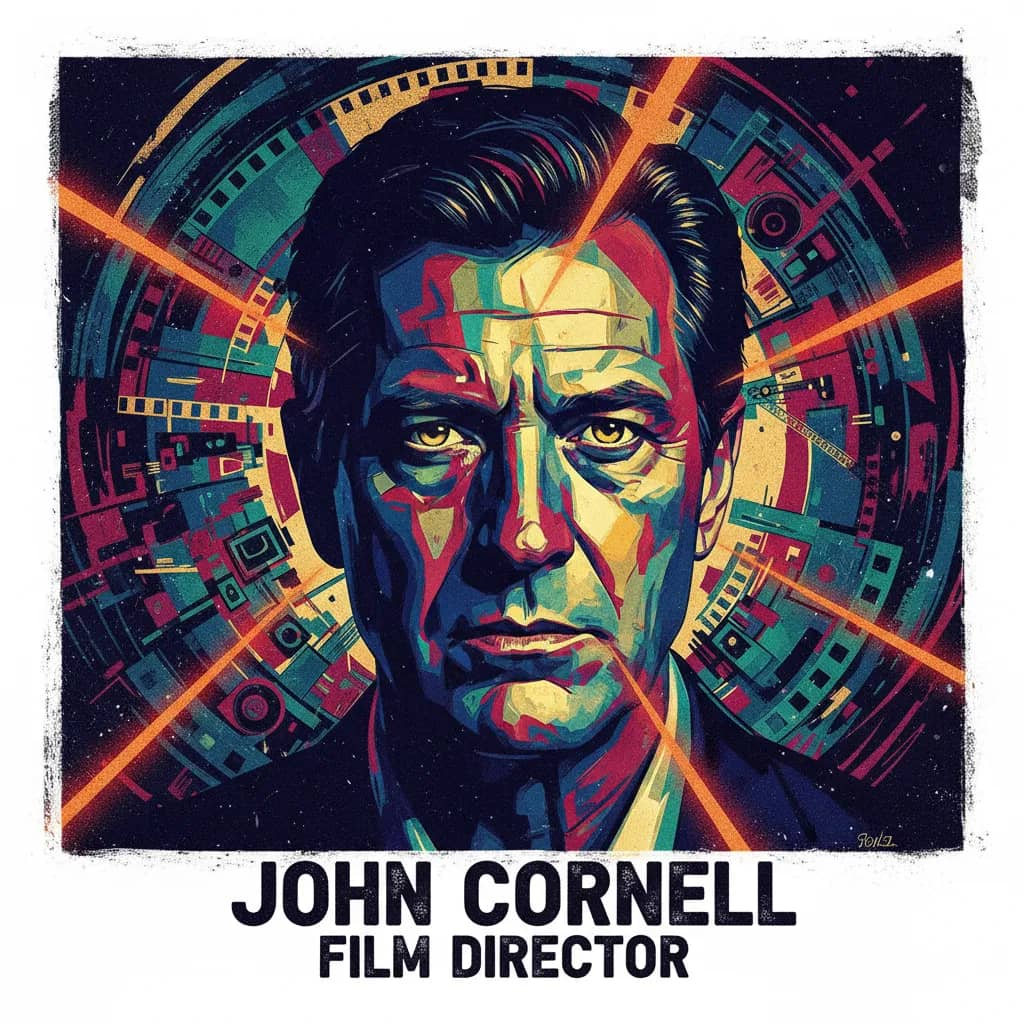
John Cornell
John Cornell was an influential Australian director, best known for his work on the hit film "Crocodile Dundee II" (1988). Born in Kalgoorlie, Western Australia, Cornell began his career as a filmmaker, making a significant impact on the Australian film industry. Cornell's directorial style is characterized by his ability to blend action, adventure, and comedy, creating films with mass appeal that resonate with audiences worldwide. "Crocodile Dundee II" stands as Cornell's most notable directorial achievement. The film, a sequel to the immensely popular "Crocodile Dundee," further solidified Cornell's reputation as a director capable of delivering high-octane action alongside laugh-out-loud comedy. His ability to capture the essence of the Australian outback and its colorful characters added depth and authenticity to his films, setting him apart in the industry. Throughout his career, Cornell's work often centered on themes of adventure, humor, and the triumph of the human spirit in the face of adversity. His films showcased the beauty of the Australian landscape while delving into the nuances of its culture and its people. Cornell's impact on cinema is undeniable, as he played a pivotal role in bringing Australian storytelling to a global audience, paving the way for other Australian directors to gain recognition on the international stage. In the realm of action-comedy, John Cornell's visionary approach and storytelling prowess left an indelible mark on the film industry. His ability to craft narratives that resonated with audiences of all ages cemented his status as a director with a keen understanding of the human experience. Cornell's legacy endures through his cinematic contributions, and his work continues to inspire a new generation of filmmakers seeking to capture the magic of storytelling on the silver screen.

John Crowley
John Crowley is an accomplished film director known for his diverse range of work, including compelling dramas, crime thrillers, and romantic tales. With a keen eye for capturing raw emotion and human complexity, Crowley has cemented his reputation as a versatile filmmaker with a distinct directorial style. His ability to interweave gripping narratives with nuanced character development has earned him acclaim in the industry. One of Crowley's most notable works is "Brooklyn" (2015), a poignant romantic drama set in the 1950s, which garnered widespread praise for its evocative storytelling and captivating performances. The film masterfully delves into themes of identity, love, and belonging, showcasing Crowley's talent for creating immersive and emotionally resonant cinematic experiences. Additionally, "Boy A" (2007) stands out as a thought-provoking drama that explores the complexities of redemption and societal reintegration, demonstrating Crowley's penchant for addressing profound moral dilemmas on the silver screen. Throughout his career, Crowley has exhibited a penchant for delving into the human psyche, often portraying characters grappling with internal conflicts and moral ambiguity. His directorial approach is characterized by a careful balance of introspection and external forces, resulting in films that resonate deeply with audiences. "Closed Circuit" (2013) underscores Crowley's adeptness at crafting intense, suspenseful narratives within the crime and mystery genres, further showcasing his directorial versatility. With the release of "The Goldfinch" (2019), Crowley continued to showcase his ability to translate complex narratives to the screen, adapting the Pulitzer Prize-winning novel into a visually stunning and emotionally charged drama. His meticulous attention to detail and ability to elicit compelling performances from his cast have solidified his position as a director who consistently delivers impactful and thought-provoking cinema. In the world of film, John Crowley stands as a directorial powerhouse, known for his ability to seamlessly navigate across genres while infusing each project with his distinctive artistic sensibilities. His contributions to cinema have left an indelible mark, captivating audiences and critics alike with his compelling storytelling and profound exploration of the human experience. As Crowley continues to shape the landscape of contemporary cinema, his legacy as an influential and visionary filmmaker remains firmly established.

John Curran
John Curran is an accomplished film director known for his distinctive storytelling style and ability to bring compelling narratives to the screen. With a diverse filmography that spans various genres, Curran has made a significant impact on the world of cinema. His notable works include "Stone" (2010), a gripping drama and thriller starring Robert De Niro and Edward Norton, "Tracks" (2013), an adventure and biography film that follows a woman's solo trek across the Australian desert, "Chappaquiddick" (2017), a riveting historical drama depicting the infamous incident involving Ted Kennedy, and "The Painted Veil" (2006), a poignant drama and romance set in 1920s China. Curran's directorial style is characterized by his ability to delve deep into the emotional and psychological layers of his characters, while also capturing the breathtaking beauty of the landscapes in which his stories unfold. His films often explore themes of human resilience, moral dilemmas, and the complexities of interpersonal relationships, offering audiences a thought-provoking and immersive cinematic experience. Throughout his career, Curran has demonstrated a keen eye for detail and a nuanced approach to storytelling, earning him a reputation as a director with a unique vision. His ability to bring real-life events to the screen with authenticity and sensitivity has not only resonated with audiences but has also solidified his status as a filmmaker with a profound understanding of human nature. Curran's contributions to film have left an indelible mark on the industry, showcasing his versatility and skill in bringing compelling narratives to life. His ability to seamlessly navigate between different genres while maintaining the integrity of his storytelling has established him as a director to watch. With a keen focus on character-driven narratives and evocative visuals, John Curran continues to captivate audiences and cement his legacy as a masterful storyteller in the world of cinema.

John Dahl
John Dahl is a highly acclaimed film director known for his captivating storytelling and compelling characters. With a diverse filmography spanning various genres, Dahl has made a significant impact on cinema, showcasing his exceptional talent for crafting intense and gripping narratives. His directorial style is characterized by a keen eye for detail, a focus on character-driven plots, and a mastery of tension-building techniques, all of which contribute to the distinctiveness of his work. One of Dahl's most notable films is "The Last Seduction" (1994), a gripping crime drama that received widespread critical acclaim for its taut storytelling and standout performances. The film exemplifies Dahl's ability to create complex, morally ambiguous characters and maintain a palpable sense of intrigue throughout. Another standout in Dahl's filmography is "Joy Ride" (2001), a thrilling action mystery that showcases his skill in building suspense and delivering heart-pounding sequences. Dahl's recurring themes often revolve around morally ambiguous characters, high-stakes situations, and the exploration of human nature under pressure. His films are characterized by their intense, edge-of-your-seat storytelling and the nuanced portrayal of complex protagonists. Throughout his career, Dahl has left an indelible mark on cinema, earning a reputation as a director with a unique vision and a penchant for crafting engaging, thought-provoking narratives. His ability to infuse tension and intrigue into a wide range of genres, from crime and drama to romance and comedy, has solidified his status as a versatile and influential filmmaker. In summary, John Dahl's directorial career is defined by his exceptional storytelling prowess, distinctive directorial style, and the lasting impact of his films on the cinematic landscape. With a filmography that boasts a diverse array of genres and compelling narratives, Dahl continues to be celebrated for his unique contributions to the art of filmmaking.

John Duigan
John Duigan is an Australian film director known for his exceptional storytelling and distinctive directorial style. With a career spanning several decades, Duigan has left an indelible mark on the film industry with his thought-provoking and visually captivating works. His notable films include "Head in the Clouds" (2004), a compelling drama set against the backdrop of World War II, and "Sirens" (1994), a comedic drama exploring art, sensuality, and societal norms. Duigan's directorial style is characterized by his ability to seamlessly blend compelling narratives with visually stunning cinematography. His films often feature complex characters grappling with profound emotional and societal issues, and he has a keen eye for capturing the intricacies of human relationships. Duigan's adeptness at portraying multifaceted characters and their inner conflicts sets him apart as a director with a profound understanding of human nature and its complexities. Throughout his career, Duigan has explored recurring themes such as love, passion, and the human experience, often in the context of historical or cultural settings. His films delve into the complexities of love and war, while also delving into the tension between societal expectations and individual freedom. Duigan's nuanced approach to storytelling has garnered him critical acclaim and a dedicated following of cinephiles who appreciate his unique perspective on universal themes. John Duigan's impact on cinema extends beyond his individual works, as he has contributed to the enrichment of film culture through his thought-provoking narratives and visually arresting storytelling. His ability to create immersive cinematic experiences that resonate with audiences on a profound level has solidified his reputation as a visionary director. Duigan's body of work continues to inspire and captivate audiences, cementing his legacy as a director whose contributions to film are both enduring and influential. In conclusion, John Duigan's directorial career is defined by his ability to craft compelling narratives that resonate with audiences on an emotional and intellectual level. With a keen focus on the complexities of human relationships and the human experience, Duigan has established himself as a director with a unique vision and a profound impact on the world of cinema. His films continue to stand the test of time, captivating audiences with their timeless themes and visually striking storytelling.

John Erick Dowdle
John Erick Dowdle is an American director known for his contributions to the horror, thriller, and action genres. His directorial style is marked by a penchant for creating intense, suspenseful atmospheres that captivate audiences. Dowdle's films often explore the darker aspects of human nature, delving into themes of fear, survival, and the supernatural. One of Dowdle's notable works is "Devil" (2010), a horror-mystery-thriller that takes place almost entirely in a confined space—the setting of an elevator. This film showcases Dowdle's ability to build tension and suspense within a limited setting, demonstrating his skill in creating an atmosphere of claustrophobia and paranoia. "Quarantine" (2008), a horror-sci-fi-thriller, further exemplifies Dowdle's talent for crafting high-stakes, pulse-pounding narratives within the horror genre. In "As Above, So Below" (2014), Dowdle ventured into the found-footage subgenre, blending horror, mystery, and thriller elements with the historical backdrop of the catacombs beneath Paris. This film demonstrates his ability to incorporate real-world locations and history into his storytelling, adding depth and authenticity to the narrative. Dowdle's "No Escape" (2015) showcases his versatility as a director, as he transitions into the action-thriller genre. The film follows an American family caught in the midst of a political uprising in a foreign country, highlighting Dowdle's ability to create high-stakes, adrenaline-fueled scenarios while maintaining a focus on character development and emotional resonance. With a filmography that spans horror, thriller, and action, John Erick Dowdle has made a significant impact on cinema by consistently delivering films that push the boundaries of genre conventions. His unique vision and ability to evoke visceral reactions from audiences have solidified his status as a director to watch in the realm of suspenseful, immersive storytelling. Dowdle's films continue to resonate with viewers, cementing his place as a filmmaker who fearlessly explores the depths of human experience through the lens of thrilling, gripping narratives.