Director Names Starting with J
Showing 253-264 out of 539

Joachim Rønning
Joachim Rønning is a Norwegian film director known for his visually stunning and captivating storytelling. With a career spanning over two decades, Rønning has made a name for himself in the world of action, adventure, and fantasy films. His directorial style is characterized by his ability to seamlessly blend thrilling action sequences with emotionally resonant storytelling, resulting in films that leave a lasting impact on audiences. One of Rønning's most notable works is "Kon-Tiki" (2012), a riveting biographical adventure film that follows the journey of the legendary explorer Thor Heyerdahl as he crosses the Pacific Ocean on a balsa wood raft. The film received widespread critical acclaim and earned an Academy Award nomination for Best Foreign Language Film, showcasing Rønning's talent for bringing real-life stories to the big screen with authenticity and grandeur. In 2017, Rønning took on the helm of "Pirates of the Caribbean: Dead Men Tell No Tales," the fifth installment in the beloved franchise. His adeptness at helming large-scale productions was evident in the film's breathtaking visuals and exhilarating action sequences, solidifying his status as a director capable of handling blockbuster spectacles while infusing them with depth and character-driven storytelling. Rønning's penchant for crafting visually stunning fantasy worlds was further demonstrated in "Maleficent: Mistress of Evil" (2019), the sequel to the reimagining of the classic fairy tale. With a keen eye for detail and a flair for creating enchanting landscapes, Rønning brought a fresh and visually striking perspective to the fantasy genre, captivating audiences with his imaginative vision. Throughout his career, Rønning has exhibited a recurring theme of exploring the triumph of the human spirit in the face of adversity, often rooted in historical or mythical narratives. His meticulous attention to historical accuracy and his ability to infuse larger-than-life stories with genuine human emotion have made him a respected and influential director in the industry. Joachim Rønning's contributions to cinema have left an indelible mark, demonstrating his ability to transport audiences to mesmerizing worlds while grounding his films in relatable and compelling human experiences.

Joachim Trier
Joachim Trier is a Norwegian film director known for his distinctive storytelling style and thought-provoking films that explore the complexities of human emotions and relationships. With a career spanning over a decade, Trier has established himself as a prominent figure in contemporary cinema, earning critical acclaim for his compelling narratives and visually striking filmmaking. His filmography includes notable works such as "Reprise" (2006), "The Worst Person in the World" (2021), "Thelma" (2017), "Oslo, August 31st" (2011), and "Louder Than Bombs" (2015). Trier's directorial style is characterized by a keen focus on character-driven storytelling, nuanced performances, and evocative cinematography. He has a penchant for delving into the inner workings of his protagonists' minds, crafting narratives that are deeply introspective and emotionally resonant. His films often navigate themes of identity, existentialism, and the human experience, offering audiences a profound and thought-provoking cinematic journey. Notable for his ability to seamlessly blend genres, Trier has proven his versatility as a director, effortlessly transitioning between drama, comedy, romance, and elements of fantasy and horror. His film "The Worst Person in the World" received widespread acclaim for its refreshing take on the romantic comedy genre, showcasing Trier's ability to infuse a familiar narrative with depth and authenticity. Trier's impact on cinema lies in his ability to challenge traditional storytelling conventions and push the boundaries of cinematic expression. His work has garnered accolades at prestigious film festivals and has cemented his status as a visionary director with a distinctive voice in the global film landscape. As Trier continues to captivate audiences with his evocative storytelling and innovative approach to filmmaking, he remains a director to watch, with each new project eagerly anticipated by cinephiles and critics alike.

Joan Chen
Joan Chen is a multifaceted talent in the entertainment industry, widely recognized for her exceptional work as an actress and director. Born in Shanghai, China, Joan Chen made her directorial debut with the enchanting romantic drama "Autumn in New York" (2000), which captivated audiences with its poignant storytelling and emotional depth. Known for her ability to craft visually stunning narratives, Chen's directorial style is marked by a delicate balance of intimacy and grandeur, allowing audiences to immerse themselves fully in her characters' emotional journeys. "Autumn in New York" showcases Chen's adeptness at capturing the complexities of human relationships, as well as her keen eye for evocative imagery. The film's thematic exploration of love, loss, and the passage of time reflects Chen's recurring interest in the human experience and the profound impact of personal connections. Her directorial work is distinguished by its ability to evoke genuine emotion and resonate deeply with viewers, making her a standout figure in the realm of romantic dramas. Chen's impact on cinema extends beyond her directorial endeavors, as her illustrious career as an actress has also left an indelible mark on the industry. With a wealth of experience in front of the camera, she brings a unique perspective to her directorial projects, infusing them with a rich tapestry of emotions and nuanced performances. This seamless transition from acting to directing demonstrates Chen's versatility and depth as a storyteller, solidifying her status as a trailblazer in the world of filmmaking. Joan Chen's directorial debut with "Autumn in New York" heralded her as a formidable force behind the camera, showcasing her ability to craft compelling narratives that resonate with audiences on a profound level. With her distinct directorial style, thematic depth, and unwavering commitment to storytelling, Chen continues to be a revered figure in the cinematic landscape, leaving an indelible imprint on the art of filmmaking. As a visionary director with a unique ability to capture the intricacies of human emotions, Joan Chen's contributions to cinema are a testament to her enduring impact on the world of film.

Joanna Hogg
Joanna Hogg is a British filmmaker known for her unique and introspective approach to storytelling. Her directorial style is characterized by its quiet yet deeply profound exploration of human emotions and relationships. Hogg's films often delve into the complexities of everyday life, offering an unflinchingly honest portrayal of the human experience. Her work is marked by its raw authenticity and a keen eye for detail, making her a distinctive voice in contemporary cinema. One of Hogg's most notable films is "The Souvenir" (2019), a critically acclaimed drama that showcases her distinct directorial style. Set in the 1980s, the film follows a young film student who becomes romantically involved with a troubled man, leading to a tumultuous and transformative relationship. Hogg's keen attention to character development and nuanced storytelling shines through in "The Souvenir," as she delicately navigates the complexities of love, identity, and self-discovery. Throughout her career, Joanna Hogg has demonstrated a penchant for exploring the intricacies of human behavior and interpersonal dynamics. Her films often revolve around themes of memory, identity, and the passage of time, offering a deeply introspective look at the human psyche. Hogg's ability to evoke profound emotional resonance through her storytelling has solidified her reputation as a director with a keen understanding of the human condition. Hogg's impact on cinema lies in her uncompromising commitment to authenticity and emotional depth. Her films eschew conventional storytelling tropes in favor of a more contemplative and immersive approach, inviting audiences to engage with the rich complexities of her characters' inner lives. With "The Souvenir," Hogg has further cemented her status as a filmmaker who fearlessly confronts the complexities of human relationships and the universal experiences that shape our lives. In conclusion, Joanna Hogg's directorial career is defined by her unwavering dedication to crafting emotionally resonant narratives that delve into the depths of the human experience. Her films offer a thought-provoking and introspective exploration of relationships, memory, and self-discovery, marking her as a visionary director with a distinctive voice in contemporary cinema. Hogg's ability to capture the nuances of human emotion and interpersonal dynamics has left an indelible mark on the film industry, solidifying her as a director to watch in the evolving landscape of cinematic storytelling.
Joann Sfar
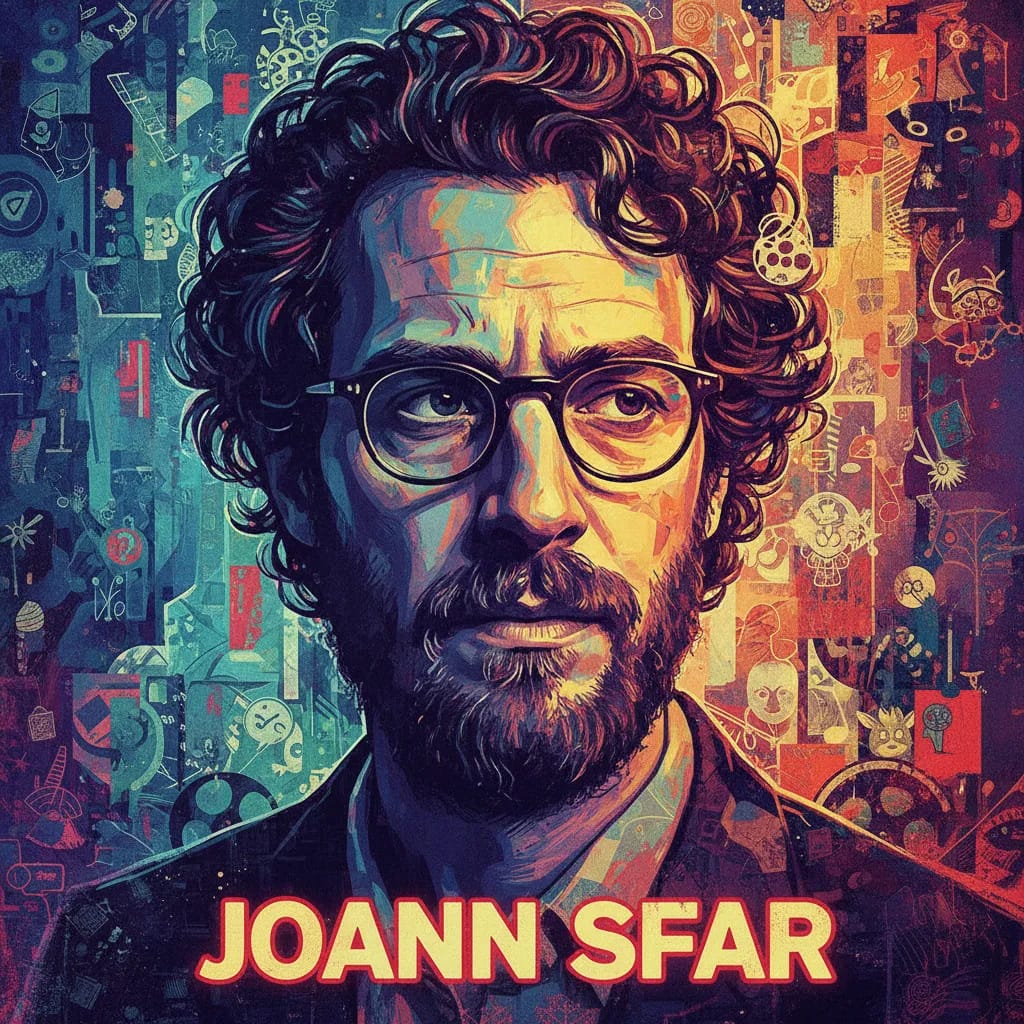
Joann Sfar is a renowned French director, known for his unique and imaginative approach to storytelling. With a background in graphic novels and illustrations, Sfar's directorial style is visually striking and deeply rooted in artistic expression. He made his directorial debut with the critically acclaimed film "Gainsbourg: A Heroic Life" in 2010, a biographical drama that chronicles the life and career of the iconic French singer-songwriter Serge Gainsbourg. This film showcased Sfar's ability to bring larger-than-life characters to the screen with a blend of creativity and emotional depth. Sfar's directorial style is characterized by his ability to infuse his films with a sense of whimsy and fantasy, often drawing inspiration from his background in graphic novels. His visual storytelling is rich with symbolism and metaphor, creating a captivating and immersive experience for audiences. In "Gainsbourg: A Heroic Life," Sfar skillfully weaves together elements of biography, drama, and music, capturing the essence of Gainsbourg's artistry and personal struggles. One of Sfar's notable contributions to cinema is his unique ability to blend genres and artistic mediums, seamlessly integrating elements of music, visual art, and compelling storytelling. His films often explore the complexities of human emotion, creativity, and the pursuit of artistic expression. Sfar's work has had a significant impact on the cinematic landscape, inspiring a new generation of filmmakers to embrace a more imaginative and multi-disciplinary approach to storytelling. Throughout his career, Sfar has demonstrated a keen interest in exploring the lives of iconic figures and the creative process, infusing his films with a sense of reverence for artistic vision and the human experience. His ability to breathe life into the stories of larger-than-life personalities while maintaining a deep sense of empathy and understanding sets him apart as a director with a distinctive and resonant voice in the world of cinema. Sfar's work continues to captivate audiences and influence the way in which biography, music, and visual art intersect on screen.
Joaquim Dos Santos
Joaquim Dos Santos is a visionary director renowned for his exceptional work in animation and action-adventure films. With a career spanning several decades, Dos Santos has made a significant impact on cinema through his distinct directorial style and innovative storytelling techniques. His directorial debut in the highly anticipated "Spider-Man: Across the Spider-Verse" (2023) promises to further solidify his reputation as a masterful filmmaker. Dos Santos is celebrated for his ability to infuse animated films with a compelling blend of action, adventure, and emotion. His keen eye for dynamic visuals and captivating storytelling has earned him a dedicated fan base and critical acclaim. He has a remarkable talent for creating immersive worlds and bringing beloved characters to life, making him a sought-after director in the animation genre. One of Dos Santos' most notable contributions to cinema is his influential work on "Spider-Man: Across the Spider-Verse." The highly anticipated sequel to the groundbreaking "Spider-Man: Into the Spider-Verse" (2018) has generated immense excitement, with Dos Santos' directorial prowess set to elevate the superhero genre to new heights. His distinct visual style and innovative approach to storytelling are expected to leave a lasting impression on audiences and fellow filmmakers alike. Throughout his career, Dos Santos has consistently explored themes of heroism, identity, and the power of resilience, resonating with audiences of all ages. His ability to infuse depth and emotional resonance into his films sets him apart as a director with a profound understanding of the human experience. Dos Santos' commitment to pushing the boundaries of animation and storytelling has cemented his status as a visionary filmmaker with a lasting impact on the industry. In conclusion, Joaquim Dos Santos' directorial career is marked by a remarkable ability to craft visually stunning and emotionally resonant films. With "Spider-Man: Across the Spider-Verse," Dos Santos is poised to further solidify his legacy as a director who has redefined the animation and action-adventure genres. His unique vision and unparalleled storytelling continue to captivate audiences and inspire future generations of filmmakers, making him a true luminary in the world of cinema.

Joby Harold
Joby Harold is a multi-talented filmmaker known for his work as a director, writer, and producer in the entertainment industry. His directorial debut came with the 2007 film "Awake," a gripping crime, drama, and mystery thriller that showcased his ability to create tension and suspense on screen. The film, which starred Hayden Christensen and Jessica Alba, was a testament to Harold's unique directorial style, characterized by his knack for building intense and immersive narratives that keep audiences on the edge of their seats. Harold's directorial work reflects a keen focus on storytelling and character development, as evidenced by the compelling performances and intricate plot twists in "Awake." His ability to blend genres and infuse his films with a sense of unpredictability has set him apart as a director with a distinct vision and a penchant for pushing creative boundaries. Through his work, Harold has demonstrated a commitment to delivering thought-provoking and emotionally resonant cinema that leaves a lasting impact on viewers. In addition to his directorial accomplishments, Harold has made significant contributions to the film industry as a writer and producer. His diverse skill set has allowed him to craft compelling narratives that captivate audiences and explore a wide range of themes and genres. His work reflects a deep understanding of the filmmaking process and a dedication to bringing original and evocative stories to the screen. Overall, Joby Harold's directorial career has been marked by a commitment to pushing the boundaries of storytelling and creating immersive cinematic experiences that resonate with audiences. His directorial debut "Awake" serves as a testament to his ability to craft gripping narratives and establish himself as a filmmaker with a unique and compelling vision. As he continues to make his mark on the industry, Harold's work is sure to leave a lasting impression on the world of cinema.
Jocelyn Moorhouse
Jocelyn Moorhouse is an Australian film director known for her unique blend of comedy, drama, and romance in her works. Her career has been highlighted by her ability to infuse her films with a distinct visual style and rich storytelling, making her a standout in the world of cinema. Her notable films, including "The Dressmaker" (2015) and "How to Make an American Quilt" (1995), have cemented her reputation as a director with a keen eye for storytelling and a knack for creating compelling narratives. Moorhouse's directorial style is characterized by her ability to seamlessly blend genres, as evident in "The Dressmaker," which effortlessly combines elements of comedy, drama, and Western. Her use of vibrant visuals and attention to detail has garnered widespread acclaim, setting her apart as a director with a strong artistic vision. Moorhouse's films often explore themes of identity, belonging, and the complexities of human relationships, adding depth and emotional resonance to her work. "The Dressmaker," in particular, showcased Moorhouse's ability to craft a visually stunning and emotionally impactful film that resonated with audiences worldwide. The film's success solidified her position as a director capable of delivering compelling and thought-provoking stories. Similarly, "How to Make an American Quilt" demonstrated Moorhouse's adeptness at capturing the intricacies of human emotions and relationships, further establishing her as a director with a keen understanding of the human experience. Moorhouse's impact on cinema is undeniable, as she has consistently delivered films that are both visually captivating and thematically rich. Her ability to infuse her work with a distinct blend of genres and her focus on exploring universal themes have earned her a dedicated following and critical acclaim. Moorhouse's unique vision and contributions to film have left an indelible mark on the industry, firmly establishing her as a director to watch and a true auteur in her own right.

Jodie Foster
Jodie Foster is a versatile and accomplished filmmaker whose career spans over five decades, during which she has made a significant impact on the film industry both as an actress and director. Foster's directorial style is marked by a keen understanding of human emotions and relationships, often delving into complex psychological and societal themes. Her keen directorial eye and ability to draw out compelling performances from her actors have made her a respected figure in Hollywood. Foster's directorial debut, "Little Man Tate" (1991), showcased her ability to sensitively explore the inner world of a child prodigy and the challenges he faces. The film was praised for its emotional depth and Foster's adept handling of the material. She further solidified her reputation as a director with "Home for the Holidays" (1995), a heartfelt comedy-drama that delves into the dynamics of a dysfunctional family during a Thanksgiving reunion. The film demonstrated Foster's ability to infuse humor with poignant observations about human relationships. In 2011, Foster directed "The Beaver," a thought-provoking drama that delves into themes of mental illness and the complexities of family dynamics. Her ability to tackle sensitive subjects with nuance and empathy was evident in this film, as she navigated the story with emotional depth and authenticity. Foster's most recent directorial effort, "Money Monster" (2016), is a gripping crime thriller that explores the power dynamics of the media and finance industries. The film showcased her adeptness at creating tension and suspense while weaving in social commentary. Throughout her directorial career, Foster has consistently demonstrated a commitment to telling compelling stories that resonate with audiences. Her films often explore themes of family, identity, and the human condition, and she has a knack for creating richly layered characters and thought-provoking narratives. Foster's impact on cinema as a director is undeniable, as she continues to contribute to the medium with her unique perspective and storytelling prowess. In conclusion, Jodie Foster has established herself as a formidable director with a distinct vision and a knack for delving into the complexities of human experience. Her directorial style is characterized by emotional depth, nuanced storytelling, and a keen understanding of human behavior. With a diverse body of work that spans various genres and themes, Foster has left an indelible mark on the film industry and continues to be a trailblazing force in cinema.

Jody Hill
Jody Hill is an American film director, writer, and producer known for his darkly comedic and often controversial storytelling. His directorial debut came with the 2006 film "The Foot Fist Way," a comedy that showcased his penchant for blending humor with raw, unapologetic characters. Hill's distinct directorial style is characterized by a no-holds-barred approach to exploring the darker aspects of human nature, often infused with moments of absurdity. In 2009, Hill further solidified his reputation with "Observe and Report," a black comedy that delves into the world of mall security and mental health. The film received mixed reviews but exemplified Hill's unflinching portrayal of flawed and morally ambiguous protagonists. Hill's films often revolve around antiheroes who grapple with their own insecurities and societal expectations, resulting in narratives that challenge traditional storytelling conventions. Notable for his collaboration with actor Danny McBride, Hill has carved a niche in the industry with his offbeat and confrontational storytelling. His films often tackle themes of masculinity, disillusionment, and the absurdity of everyday life, presenting them in a raw and unapologetic manner. Hill's impact on cinema lies in his ability to push boundaries and defy mainstream expectations, offering audiences a glimpse into the complex and often uncomfortable realities of human existence. While his filmography may be relatively small, Jody Hill's contributions to the industry have left an indelible mark. His unapologetically audacious approach to storytelling has earned him a dedicated following and a reputation as a director unafraid to challenge societal norms. As a pioneer of dark comedy, Hill continues to influence a new generation of filmmakers, proving that unflinching honesty and a willingness to confront taboo subjects can lead to compelling and thought-provoking cinema.
Joe Berlinger
Joe Berlinger is a distinguished film director known for his impactful work in the documentary and true crime genres. With a career spanning over three decades, Berlinger has made a name for himself as a versatile and influential director. He is particularly renowned for his ability to delve deep into the human psyche, often exploring the darker aspects of society and the human condition. Berlinger's directorial style is characterized by his adeptness at weaving together compelling narratives that are both thought-provoking and emotionally resonant. His keen eye for detail and his commitment to authenticity have led to the creation of some of the most gripping and immersive documentaries in the industry. Berlinger's notable films include the critically acclaimed "Extremely Wicked, Shockingly Evil and Vile" (2019), a biographical crime drama that delves into the life of notorious serial killer Ted Bundy. The film showcases Berlinger's ability to navigate complex and sensitive subject matter with finesse, offering audiences a nuanced and chilling portrayal of Bundy's crimes. Throughout his career, Berlinger has demonstrated a penchant for exploring themes of morality, justice, and the human capacity for both good and evil. His films often challenge societal norms and provoke introspection, compelling viewers to confront uncomfortable truths. Berlinger's impact on cinema is undeniable, as he has played a significant role in elevating the documentary genre to new heights of artistic and narrative excellence. In conclusion, Joe Berlinger's unique vision and unwavering dedication to storytelling have solidified his status as a pioneering force in the world of film direction. His ability to shed light on the darkest corners of humanity with empathy and insight sets him apart as a director of exceptional talent and influence. Berlinger's contributions to the film industry continue to inspire and captivate audiences, leaving an indelible mark on the cinematic landscape.
Joe Carnahan
Joe Carnahan is a dynamic director known for his gritty, action-packed films that captivate audiences with their intense storytelling and visually arresting sequences. His directorial style is characterized by a bold and unapologetic approach to storytelling, often delving into the darker aspects of human nature while infusing his work with high-octane action and suspense. Carnahan burst onto the scene with his directorial debut, "Narc" (2002), a crime drama that garnered critical acclaim for its raw and unflinching portrayal of police corruption and the toll it takes on the individuals involved. This film set the stage for Carnahan's reputation as a director unafraid to tackle complex and morally ambiguous themes. One of Carnahan's most notable films is "The A-Team" (2010), a big-budget action adventure that showcased his ability to seamlessly blend adrenaline-pumping set pieces with charismatic characters and humor. The film was a box office success and solidified Carnahan's position as a director capable of delivering crowd-pleasing entertainment without sacrificing depth and substance. In "Smokin' Aces" (2006), Carnahan demonstrated his knack for weaving together multiple narratives and eccentric characters in a frenetic and visually striking manner. This crime comedy showcased his ability to create a high-energy and stylized cinematic experience while maintaining a strong focus on character development and storytelling. Carnahan's recurring themes often revolve around the complexities of morality, the consequences of one's actions, and the resilience of the human spirit in the face of adversity. His films frequently explore the blurred lines between heroism and villainy, often challenging audiences to confront their own perceptions of right and wrong. Throughout his career, Joe Carnahan has made a significant impact on cinema by pushing the boundaries of genre filmmaking and delivering a distinctive blend of visceral action, compelling narratives, and memorable characters. His unique vision and uncompromising approach to storytelling have solidified his status as a director who continues to leave an indelible mark on the world of cinema. With each new project, Carnahan continues to captivate audiences and cement his reputation as a director with a bold and uncompromising creative vision.