Director Names Starting with J
Showing 181-192 out of 539
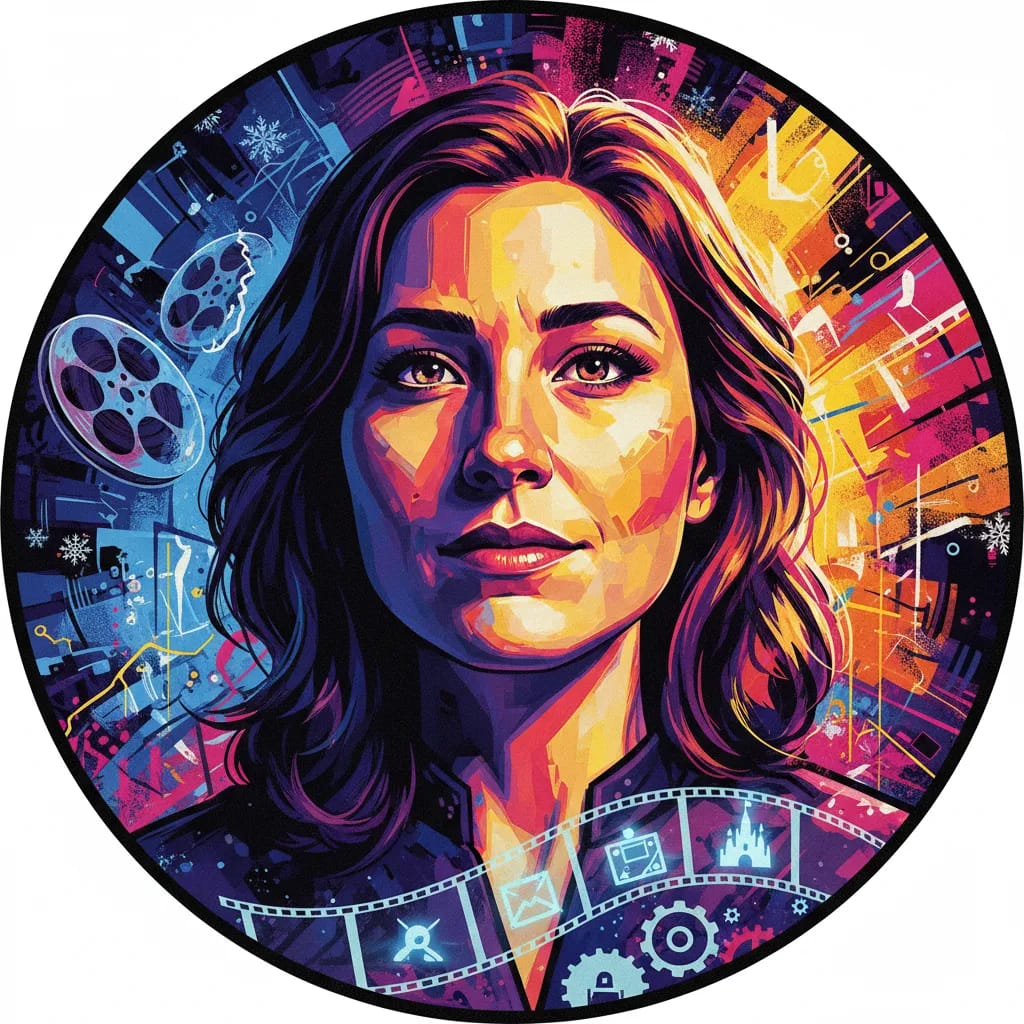
Jennifer Lee
Jennifer Lee is a trailblazing director and screenwriter known for her groundbreaking work in animated films. Her directorial debut came with the critically acclaimed "Frozen" in 2013, a film that not only redefined the Disney princess trope but also became a cultural phenomenon. Lee's storytelling prowess and ability to navigate complex emotional narratives were evident in "Frozen," which went on to win two Academy Awards, including Best Animated Feature. The success of the film solidified Lee's position as a visionary director with a talent for creating compelling and timeless stories. Lee's directorial style is characterized by her ability to infuse depth and emotion into animated storytelling, making her work resonate with audiences of all ages. Her directorial approach often intertwines elements of adventure, comedy, and heartfelt drama, creating a captivating cinematic experience that transcends the traditional boundaries of animated films. Her keen understanding of character development and thematic resonance is evident in her films, as she explores universal themes such as love, self-discovery, and the complexities of familial relationships. In 2019, Lee returned to the director's chair for the highly anticipated sequel, "Frozen II." The film further showcased her directorial prowess, as she expanded the world of Arendelle while delving deeper into the characters' inner struggles and growth. "Frozen II" continued the legacy of its predecessor, captivating audiences and critics alike with its mesmerizing animation, powerful music, and poignant storytelling. Lee's ability to create a seamless blend of visual artistry and emotional depth has established her as a visionary force in the world of animated filmmaking. Lee's impact on cinema extends beyond her directorial achievements, as she has also made significant contributions to the representation of women in the film industry. As the first female director of a Walt Disney Animation Studios feature film, Lee has shattered barriers and paved the way for aspiring female filmmakers. Her commitment to authentic storytelling and diverse representation has not only elevated the quality of animated films but has also inspired a new generation of storytellers to push boundaries and challenge conventions in the industry. In conclusion, Jennifer Lee's directorial career is a testament to her unparalleled creative vision and storytelling prowess. With her ability to infuse animated films with emotional depth, relatable characters, and universal themes, Lee has left an indelible mark on cinema. Her contributions to the medium, coupled with her trailblazing role as a female director, have cemented her legacy as a visionary filmmaker whose impact will continue to resonate for years to
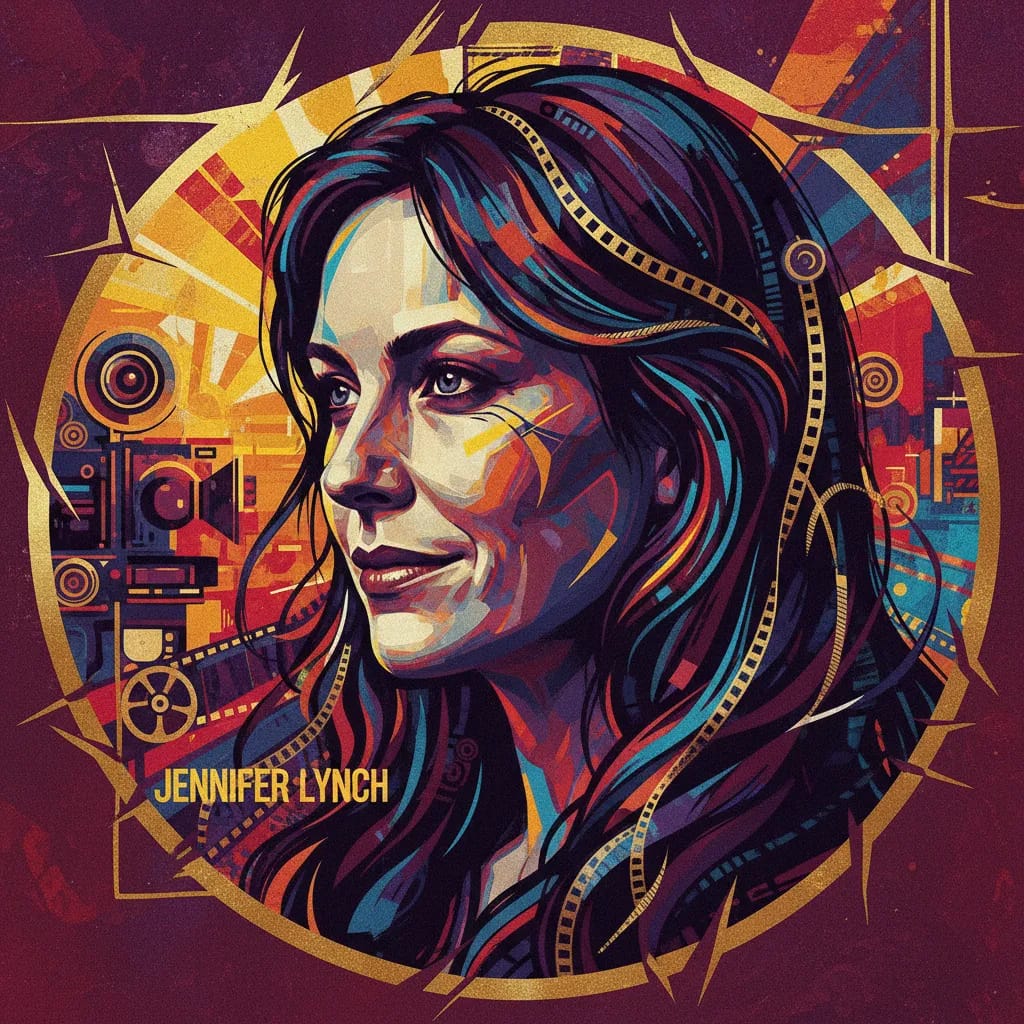
Jennifer Lynch
Jennifer Lynch, the acclaimed film director, has carved a unique niche for herself in the world of cinema with her distinct directorial style and thought-provoking storytelling. Lynch's notable films include "Chained" (2012), "Surveillance" (2008), and "Boxing Helena" (1993). Known for her bold and often controversial approach to filmmaking, Lynch has become synonymous with pushing boundaries and exploring the darker aspects of human nature. Lynch's directorial style is characterized by its unflinching portrayal of the human psyche, often delving into the realms of crime, drama, and horror. Her films are marked by their intense and visceral storytelling, with a keen focus on psychological depth and emotional resonance. Lynch's ability to create a sense of unease and tension is a testament to her skill as a director, captivating audiences with her evocative and haunting narratives. One of Lynch's most notable works, "Surveillance" (2008), showcases her talent for crafting gripping and suspenseful narratives. The film delves into the complexities of human behavior and the blurred lines between truth and perception, solidifying Lynch's reputation as a master storyteller. Additionally, "Boxing Helena" (1993) garnered widespread attention for its controversial subject matter and Lynch's fearless exploration of themes such as obsession and control, cementing her status as a director unafraid to tackle taboo subjects. Lynch's films often revolve around recurring themes such as power dynamics, the fragility of the human mind, and the consequences of unchecked desires. Her unapologetic exploration of these themes has left an indelible mark on cinema, challenging audiences to confront uncomfortable truths and grapple with the complexities of human nature. Lynch's impact on the film industry extends beyond her storytelling prowess, as she continues to inspire a new generation of filmmakers to fearlessly pursue their artistic vision. In conclusion, Jennifer Lynch's directorial career is a testament to her unwavering commitment to pushing the boundaries of storytelling and challenging societal norms. Her unique vision and unapologetic approach to filmmaking have solidified her status as a trailblazer in the industry, leaving an indelible mark on cinema. As she continues to captivate audiences with her thought-provoking narratives, Lynch remains a formidable force in the world of filmmaking, shaping the landscape of cinema for years to come.

Jennifer Westfeldt
Jennifer Westfeldt is an accomplished director known for her unique blend of comedy, drama, and romance in her films. Her most notable work is the 2011 film "Friends with Kids," which showcased her distinct directorial style and garnered critical acclaim. Westfeldt's directorial approach is characterized by her ability to infuse humor and heart into thought-provoking narratives, making her a standout figure in the film industry. In "Friends with Kids," Westfeldt delves into the complexities of modern relationships and parenthood, navigating the challenges and joys of balancing love and family. Her keen insight into human dynamics and her ability to craft authentic, relatable characters have solidified her reputation as a director with a keen understanding of the human experience. Westfeldt's films often explore the intricacies of interpersonal relationships, resonating with audiences on a profound emotional level. Throughout her career, Westfeldt has consistently demonstrated a penchant for portraying the complexities of adult friendships, love, and personal growth. Her directorial vision has left an indelible mark on cinema by offering audiences compelling storytelling that transcends traditional genre boundaries. By seamlessly blending humor with poignant moments, Westfeldt has carved out a niche for herself in the industry, earning acclaim for her ability to capture the complexities of human connection on screen. With "Friends with Kids," Westfeldt established herself as a director capable of delivering thought-provoking narratives that strike a chord with audiences. Her ability to infuse her films with emotional depth and authenticity has cemented her status as a director to watch. As she continues to shape her directorial career, Westfeldt's unique perspective and storytelling prowess are sure to leave an enduring impact on cinema, solidifying her legacy as a visionary filmmaker with a distinct voice.
Jennifer Yuh Nelson
Jennifer Yuh Nelson is a visionary director known for her exceptional work in the animation and action-adventure genres. With a career spanning over two decades, she has made significant contributions to cinema with her distinctive directorial style and storytelling prowess. Yuh Nelson's notable films include "Kung Fu Panda 2" (2011) and "The Darkest Minds" (2018), both of which showcase her ability to seamlessly blend visually stunning animation with compelling action and adventure narratives. In "Kung Fu Panda 2," Yuh Nelson demonstrated her talent for crafting immersive and emotionally resonant animated films. Her directorial approach brought depth to the characters and a captivating visual aesthetic to the screen, earning critical acclaim and commercial success. The film's seamless blend of heartwarming storytelling, breathtaking action sequences, and nuanced character development solidified Yuh Nelson's reputation as a director with a keen eye for detail and a deep understanding of the medium. "The Darkest Minds" marked Yuh Nelson's transition into live-action filmmaking, further showcasing her versatility and directorial acumen. The film's fusion of gripping action, compelling drama, and a thought-provoking narrative underscored Yuh Nelson's ability to captivate audiences across different genres. Her directorial style, characterized by an emphasis on character-driven storytelling and visually arresting cinematography, resonated with viewers and critics alike, establishing her as a director with a distinct and impactful cinematic voice. Yuh Nelson's recurring themes of resilience, self-discovery, and the triumph of the human spirit are woven throughout her filmography, reflecting her commitment to telling compelling stories that resonate on a profound and universal level. Her impact on cinema extends beyond her technical prowess, as she continues to inspire audiences and aspiring filmmakers with her innovative approach to storytelling and her dedication to pushing creative boundaries. Jennifer Yuh Nelson's contributions to animation and action-adventure filmmaking have left an indelible mark on the industry, cementing her legacy as a visionary director whose work continues to captivate and inspire audiences worldwide.

Jenny Gage
Jenny Gage is a talented director known for her work in the drama and romance genres. Her most notable film to date is "After" (2019), which garnered attention for its compelling storytelling and emotional depth. Gage's directorial style is characterized by a keen focus on character development and relationships, often delving into the complexities of love and personal growth. With "After," she brought to the screen a poignant and relatable portrayal of young love, resonating with audiences worldwide. Gage's directorial debut with "After" established her as a filmmaker with a distinct voice, capable of capturing the nuances of human emotions with authenticity and sensitivity. Her ability to create immersive and emotionally resonant narratives has earned her a dedicated following among fans of romantic dramas. Gage's work often explores the challenges and triumphs of young adulthood, portraying characters in a realistic and empathetic light. Throughout her career, Gage has demonstrated a talent for infusing her films with a sense of intimacy and emotional honesty, drawing viewers into the inner worlds of her characters. Her directorial approach has been praised for its ability to evoke genuine and heartfelt performances from her cast, allowing audiences to connect deeply with the stories unfolding on screen. Gage's impact on cinema lies in her ability to create films that resonate with audiences on a deeply personal level, offering compelling insights into the human experience. As Gage continues to evolve as a director, her contributions to the film industry are sure to leave a lasting impression. With her unique vision and storytelling prowess, she is poised to make an indelible mark on the world of cinema, captivating audiences with her heartfelt and emotionally charged narratives for years to come.
Jens Lien
Jens Lien is a Norwegian film director known for his distinctive and thought-provoking style, which has made a significant impact on the world of cinema. His most notable film, "The Bothersome Man" (2006), is a captivating blend of comedy, drama, and fantasy that showcases Lien's exceptional storytelling abilities and unique directorial vision. Lien's directorial style is characterized by its exploration of existential themes and the human condition, often portrayed through surreal and visually striking narratives. "The Bothersome Man" exemplifies his penchant for crafting thought-provoking and enigmatic stories that challenge conventional norms and offer a fresh perspective on life's complexities. The film's success brought international recognition to Lien, establishing him as a visionary director with a talent for creating immersive and unconventional cinematic experiences. Lien's films often revolve around themes of alienation, identity, and the absurdity of modern society, reflecting his deep introspection and philosophical inquiries. "The Bothersome Man" garnered critical acclaim for its innovative storytelling and was celebrated for its ability to captivate audiences with its surreal and enigmatic narrative. Lien's unique approach to blending genres and his ability to evoke emotional depth through his characters have solidified his reputation as a director with a distinct and compelling artistic voice. Lien's contribution to the world of cinema extends beyond his directorial prowess, as he continues to inspire and influence aspiring filmmakers with his inventive storytelling techniques and evocative visual style. His work serves as a testament to the power of cinema in challenging societal norms and provoking introspection, cementing his legacy as a visionary director with an indelible impact on the art of filmmaking.

Jen Soska
Jen Soska, alongside her twin sister Sylvia, has made a significant impact on the horror genre with their unique and unapologetic directorial style. The Canadian-born director first gained recognition with her breakout film "American Mary" in 2012. This psychological horror-drama captivated audiences with its visceral storytelling and unflinching exploration of body modification and societal norms. The Soska sisters' directorial approach is marked by a fearless and boundary-pushing vision that challenges conventional narratives and empowers marginalized voices within the genre. "American Mary" stands as a testament to Jen Soska's prowess in crafting compelling and thought-provoking narratives within the horror genre. The film's exploration of the human psyche and societal taboos showcased Soska's ability to delve into the darker aspects of human nature, all while infusing the story with a distinct visual style and engaging character development. Soska's directorial style often incorporates elements of body horror and psychological tension, creating an immersive and unsettling experience for audiences. Throughout her career, Jen Soska has demonstrated a penchant for tackling unconventional and daring subject matter, often shedding light on societal issues while embracing the macabre. Her films frequently delve into themes of identity, empowerment, and the human experience, all while subverting genre expectations and delivering captivating narratives. Soska's commitment to amplifying underrepresented voices and showcasing complex, multidimensional characters has solidified her status as a trailblazer in the horror genre. Jen Soska's impact on cinema extends beyond her directorial work, as she and her sister have become influential figures in the horror community, advocating for inclusivity and diversity within the genre. Their dedication to elevating marginalized voices and pushing the boundaries of horror storytelling has earned them a dedicated fan base and cemented their status as visionary directors with a lasting impact on the industry. As the Soska sisters continue to shape the landscape of horror cinema, Jen's directorial contributions serve as a testament to her unwavering commitment to fearlessly pushing the envelope and redefining the genre.
Jeong-beom Lee
Jeong-beom Lee is a South Korean director known for his gripping storytelling and intense action sequences. His breakthrough film, "Ajeossi" (2010), also known as "The Man from Nowhere," garnered widespread acclaim for its compelling narrative and powerful performances. Lee's directorial style is characterized by a masterful blend of action, crime, and drama, creating a visceral and emotionally resonant experience for audiences. "Ajeossi" cemented Lee's reputation as a visionary director with a keen eye for crafting compelling narratives and dynamic action sequences. The film's success propelled him into the international spotlight and solidified his position as a leading figure in South Korean cinema. Lee's directorial prowess lies in his ability to infuse his films with raw emotion and intense action, captivating audiences with his unique storytelling and visual flair. One of the recurring themes in Lee's work is the exploration of complex characters navigating morally ambiguous situations. His films often delve into the human psyche, depicting characters grappling with their inner demons while navigating high-stakes scenarios. This thematic depth, coupled with Lee's adept direction, has contributed to the enduring impact of his films on audiences and critics alike. Lee's contributions to cinema extend beyond his individual films, as he has played a pivotal role in shaping the action genre in South Korean cinema. His meticulous attention to detail and innovative approach to action choreography have influenced a new generation of filmmakers, leaving an indelible mark on the industry. In conclusion, Jeong-beom Lee's directorial career is defined by his unparalleled ability to craft gripping narratives, intense action sequences, and complex characters. His impact on cinema is undeniable, as he continues to push boundaries and elevate the action genre with his unique vision and storytelling prowess. With a filmography that resonates with audiences globally, Lee's legacy as a visionary director is sure to endure for years to come.
Jeremiah S. Chechik
Jeremiah S. Chechik is a Canadian film director known for his unique blend of comedy, drama, and romance in his work. Chechik burst onto the scene with his directorial debut, "National Lampoon's Christmas Vacation" in 1989, which quickly became a beloved holiday classic. His ability to infuse humor with heartwarming moments set the tone for his directorial style, capturing the essence of family dynamics and the chaos of the holiday season. This film solidified Chechik's reputation as a director with a keen eye for comedic timing and relatable storytelling. In 1993, Chechik continued to showcase his versatility with "Benny & Joon," a romantic comedy-drama that charmed audiences with its eccentric characters and offbeat romance. The film's whimsical and visually captivating style reflected Chechik's ability to create a world that felt both familiar and enchanting. His meticulous attention to detail and ability to elicit genuine emotions from his characters set "Benny & Joon" apart as a standout in his filmography. Chechik's directorial style often features a balance of heartfelt moments and comedic flair, capturing the complexities of human relationships with authenticity and warmth. His films often explore themes of family, love, and the beauty found in life's idiosyncrasies. Chechik's impact on cinema lies in his ability to craft stories that resonate with audiences on a personal level, infusing his films with a sense of nostalgia and sincerity. With a career spanning decades, Jeremiah S. Chechik continues to leave an indelible mark on the film industry through his unique vision and storytelling prowess. His contributions have enriched the cinematic landscape, offering audiences an escape into worlds filled with laughter, love, and the timeless magic of storytelling. Overall, Jeremiah S. Chechik's directorial career is defined by his ability to seamlessly blend comedy, drama, and romance, creating films that leave a lasting impression. His distinctive style and ability to capture the essence of human emotions have cemented his status as a director whose work resonates across generations. Chechik's impact on cinema is undeniable, and his films continue to be cherished for their endearing characters, heartfelt narratives, and timeless appeal.

Jeremiah Zagar
Jeremiah Zagar is a visionary filmmaker known for his distinctive directorial style and ability to craft emotionally resonant stories that delve into the intricacies of human relationships. With an impressive filmography that includes the 2022 hit "Hustle," Zagar has established himself as a prominent figure in the world of cinema. His directorial prowess shines through in his ability to seamlessly blend elements of comedy, drama, and sport, creating an immersive and captivating viewing experience for audiences. Zagar's directorial style is characterized by its raw authenticity and deeply empathetic approach to storytelling. His films often explore the complexities of human emotions and the nuances of interpersonal connections, drawing viewers into the inner worlds of his characters with profound depth and insight. This distinctive approach has garnered him widespread acclaim and cemented his reputation as a director with a keen understanding of the human condition. "Hustle" stands as a testament to Zagar's directorial talent, showcasing his ability to infuse a sports-centric narrative with layers of emotional depth and compelling character dynamics. Through his masterful direction, Zagar brings to life a story that transcends the traditional sports genre, offering a poignant exploration of ambition, perseverance, and the unbreakable bonds that unite people in pursuit of a common goal. Zagar's filmography reflects recurring themes such as resilience, self-discovery, and the power of human connection, all of which are skillfully woven into the fabric of his storytelling. His impact on cinema is undeniable, as he continues to push boundaries and challenge conventions, elevating the art of filmmaking with his distinct voice and unwavering commitment to authentic storytelling. In conclusion, Jeremiah Zagar's directorial career is marked by a remarkable ability to infuse his films with profound emotional resonance, captivating audiences with his unique vision and unwavering dedication to authentic storytelling. With "Hustle" and his body of work, Zagar has solidified his status as a director whose impact on cinema will undoubtedly endure for years to come.
Jeremy Brock
Jeremy Brock is a British film director, screenwriter, and producer known for his distinct blend of comedy and drama in his works. His notable directorial debut came with the 2006 film "Driving Lessons," which starred Rupert Grint and Julie Walters. The film tells the story of a shy teenager who forms an unlikely bond with an eccentric actress, exploring themes of self-discovery and unconventional friendships. Brock's directorial style is characterized by his ability to infuse humor and emotion into his storytelling, creating films that resonate with audiences on a profound level. Brock's directorial debut, "Driving Lessons," received critical acclaim for its heartfelt storytelling and strong performances. His adeptness at balancing comedic moments with poignant emotional beats has become a trademark of his directorial style. Brock's films often delve into the complexities of human relationships and the journey of self-discovery, capturing the nuances of everyday life with authenticity and warmth. In addition to his directorial work, Brock has made significant contributions to cinema as a screenwriter, with credits on films such as "The Last King of Scotland" and "Charlotte Gray." His storytelling prowess and ability to craft compelling narratives have cemented his reputation as a multifaceted talent in the film industry. With a keen eye for character-driven stories and a penchant for blending humor with pathos, Brock has left an indelible mark on the world of cinema. Jeremy Brock's directorial career has showcased his unique ability to create films that resonate with audiences through their emotional depth and relatable themes. His work continues to inspire and entertain, solidifying his status as a director with a distinctive vision and a lasting impact on the cinematic landscape. As a versatile filmmaker, Brock's contributions to the industry have elevated the art of storytelling, making him a revered figure in the world of film.
Jérémy Clapin
Jérémy Clapin is a visionary French director known for his unique blend of animation, drama, and fantasy in his films. With a career spanning over two decades, Clapin has made a significant impact on the world of cinema through his distinctive directorial style and thought-provoking storytelling. His notable film "I Lost My Body" (2019) garnered widespread acclaim and solidified his reputation as a masterful storyteller and visual artist. Clapin's directorial style is characterized by his ability to seamlessly blend different genres, creating emotionally resonant narratives that captivate audiences. His meticulous attention to detail and innovative use of animation techniques set him apart as a director with a keen eye for visual storytelling. "I Lost My Body" stands as a testament to Clapin's ability to infuse his films with a sense of wonder and introspection, leaving a lasting impression on viewers. One of Clapin's recurring themes is the exploration of human emotions and the complexities of life, often delving into the inner workings of the human mind. His films are known for their profound and thought-provoking narratives, which often challenge conventional storytelling norms and push the boundaries of visual storytelling. Through his work, Clapin has demonstrated a deep understanding of the human experience, creating films that resonate on a universal level. Clapin's impact on cinema extends beyond his individual films, as he has contributed to the evolution of animation as a storytelling medium. His innovative approach to animation has inspired a new generation of filmmakers and has earned him a dedicated following of fans and industry professionals alike. As a director, Clapin continues to push the boundaries of what animation can achieve, cementing his status as a trailblazer in the world of cinema. In conclusion, Jérémy Clapin is a director whose visionary approach to storytelling and animation has left an indelible mark on the film industry. With "I Lost My Body," Clapin has solidified his reputation as a director with a unique vision and a profound understanding of the human experience. His contributions to cinema have paved the way for a new era of animated storytelling, and his influence is sure to be felt for years to come.