Director Names Starting with I
Showing 13-24 out of 28

Indra Kumar
Indra Kumar is an acclaimed Indian film director known for his distinct directorial style that seamlessly blends humor, action, and drama. With a career spanning over three decades, Kumar has left an indelible mark on the Indian film industry through his unique storytelling and versatile approach to filmmaking. His notable works include "Ishq" (1997), "Dhamaal" (2007), and the highly anticipated "Thank God" (2022). Kumar's directorial style is characterized by his ability to infuse his films with a perfect balance of action, comedy, and drama, making them immensely entertaining for audiences of all ages. His films often feature a strong ensemble cast, witty dialogue, and high-energy sequences, showcasing his knack for creating engaging and lighthearted cinematic experiences. The director's ability to seamlessly blend various genres has garnered him a dedicated fan base and critical acclaim. "Ishq" (1997) stands as one of Kumar's most successful and beloved films, showcasing his prowess in crafting a compelling narrative that intertwines romance, comedy, and action. The film's enduring popularity and memorable performances cemented Kumar's reputation as a director with a keen understanding of audience preferences. "Dhamaal" (2007) further solidified Kumar's status as a master of comedy and action, earning widespread acclaim for its rib-tickling humor and exhilarating sequences. Throughout his career, Kumar has displayed a penchant for exploring themes of friendship, camaraderie, and the triumph of the human spirit. His films often celebrate the spirit of togetherness and the resilience of the human soul, resonating with audiences on a profound level. This recurring theme has contributed to the enduring appeal of his work and has cemented his status as a director with a deep understanding of human emotions and relationships. Indra Kumar's impact on the Indian film industry is undeniable, with his films leaving an indelible mark on popular culture. His ability to craft entertaining and emotionally resonant stories has earned him a revered status among audiences and industry peers alike. With the highly anticipated "Thank God" (2022) on the horizon, Kumar continues to captivate audiences with his unique vision and storytelling prowess, solidifying his legacy as a trailblazing director in Indian cinema.

Ingmar Bergman
Ingmar Bergman is widely regarded as one of the most influential and visionary directors in the history of cinema. Born in Sweden in 1918, Bergman's career spanned over six decades and left an indelible mark on the art of filmmaking. Known for his introspective and emotionally intense style, Bergman's films often delved into existential and psychological themes, exploring the complexities of the human experience. His filmography includes a diverse range of genres, from drama and romance to fantasy and horror, showcasing his versatility as a filmmaker. Bergman's directorial style is characterized by his meticulous attention to detail, evocative cinematography, and powerful performances from his actors. His films often feature brooding, atmospheric visuals and deeply introspective narratives that challenge viewers to confront their own inner turmoil and existential dilemmas. Notable works in his filmography include "The Seventh Seal" (1957), "Persona" (1966), "Wild Strawberries" (1957), and "Fanny and Alexander" (1982), all of which have earned critical acclaim and solidified Bergman's reputation as a master storyteller. Throughout his career, Bergman frequently explored themes of faith, mortality, love, and the search for meaning in a seemingly indifferent universe. His films often grapple with the complexities of human relationships, the nature of existence, and the struggle to find purpose in a world filled with suffering and uncertainty. Bergman's uncompromising exploration of these profound themes has had a profound impact on the world of cinema, influencing countless filmmakers and shaping the course of film history. Ingmar Bergman's enduring legacy lies in his ability to create deeply introspective and emotionally resonant films that continue to captivate audiences and inspire filmmakers to this day. His unique vision and unwavering commitment to exploring the depths of the human psyche have firmly established him as a cinematic icon whose influence will continue to be felt for generations to come.

Ira Sachs
Ira Sachs, a distinct voice in the realm of independent cinema, has carved out a significant niche for himself within the film industry through his empathetic and nuanced exploration of human relationships. His career, marked by a steady ascent through the independent film circuit, has been characterized by a commitment to storytelling that prioritizes character depth and emotional resonance over spectacle. Sachs's directorial style is subtle yet powerful, often focusing on the intricacies of love, family, and identity, making him a critical beacon for contemporary human drama. His artistic vision is deeply personal and introspective, resulting in films that not only entertain but challenge and provoke thought regarding the complexities of human connection. Sachs is particularly adept at portraying the lives of marginalized and underrepresented communities, imbuing his narratives with a sense of authenticity and universality that resonates widely with audiences. Among his most notable and critically acclaimed works is "Love Is Strange" (2014), a poignant exploration of a long-term partnership displaced by socio-economic forces, highlighting his ability to craft deeply moving and relatable narratives. This film, in particular, showcases Sachs's skill in drawing out profound performances from his actors, further solidifying his reputation as a filmmaker of great sensitivity and insight. Sachs's influence on cinema extends beyond his filmography. Through his dedication to independent filmmaking, he has inspired a generation of filmmakers to pursue their visions with integrity and authenticity. His notable contributions have not only enriched the LGBTQ+ narrative space within the film industry but also underscored the importance of diversity and representation on screen. His work has earned him various accolades, including awards from prestigious film festivals around the world, affirming his role as a pivotal figure in shaping contemporary independent cinema. Through films like "Love Is Strange," Ira Sachs has made an indelible mark on the fabric of modern cinema, championing the stories of those often left on the periphery of society's gaze.

Irving Pichel
Irving Pichel was a prominent American film director known for his diverse directorial style and innovative approach to storytelling. He began his career as an actor, but it was his work behind the camera that truly showcased his talent. Pichel's directorial debut came with the iconic film "The Most Dangerous Game" (1932), a gripping action-adventure-horror film that solidified his reputation as a director with an eye for suspense and tension. Pichel's directorial style was characterized by his ability to seamlessly blend multiple genres, creating films that were both thrilling and thought-provoking. His meticulous attention to detail and innovative use of cinematography allowed him to craft visually stunning and emotionally resonant films. Pichel's work often delved into the human psyche, exploring themes of survival, morality, and the darker aspects of humanity. "The Most Dangerous Game" remains one of Pichel's most notable films, showcasing his talent for creating intense and atmospheric storytelling. The film's enduring impact on cinema solidified Pichel's legacy as a visionary director. His ability to create a palpable sense of dread and excitement within the film has left an indelible mark on the action-adventure and horror genres. Pichel's influence on cinema extended beyond his directorial work, as he also made significant contributions as a producer and actor. His holistic approach to filmmaking allowed him to leave an indelible mark on the industry. Pichel's legacy continues to inspire filmmakers to push the boundaries of storytelling and create unforgettable cinematic experiences. His ability to seamlessly navigate between genres and infuse his films with depth and emotion has cemented his status as a director whose impact on cinema will be felt for generations to come.

Irving Rapper
Irving Rapper was a prolific film director whose career spanned several decades, leaving an indelible mark on the Golden Age of Hollywood cinema. Born in 1898, Rapper initially pursued a career in law before transitioning to film, where he found his true calling as a director. Known for his adeptness in helming drama and romance films, Rapper's directorial style was characterized by his ability to evoke deep emotions from his audience, often delving into complex human relationships and inner turmoil. One of Rapper's most notable works is the 1942 film "Now, Voyager," which starred Bette Davis and Paul Henreid. This iconic film, which is a timeless classic, showcased Rapper's keen eye for capturing raw emotions and intricate character dynamics. His ability to bring out the best in his actors and create memorable on-screen chemistry contributed to the film's enduring legacy. Throughout his career, Rapper often explored themes of love, personal growth, and societal expectations, captivating audiences with his poignant storytelling and visually compelling narratives. His films often delved into the human psyche, offering a deep exploration of the complexities of the human experience. Rapper's directorial prowess was evident in his meticulous attention to detail and his knack for creating visually stunning compositions that resonated with audiences on a profound level. Rapper's impact on cinema is undeniable, as he played a significant role in shaping the landscape of Hollywood during its golden era. His ability to craft emotionally resonant stories and his dedication to his craft solidified his status as a revered director. Rapper's films continue to inspire and influence contemporary filmmakers, cementing his legacy as a visionary director whose work transcends time.
Irvin Kershner
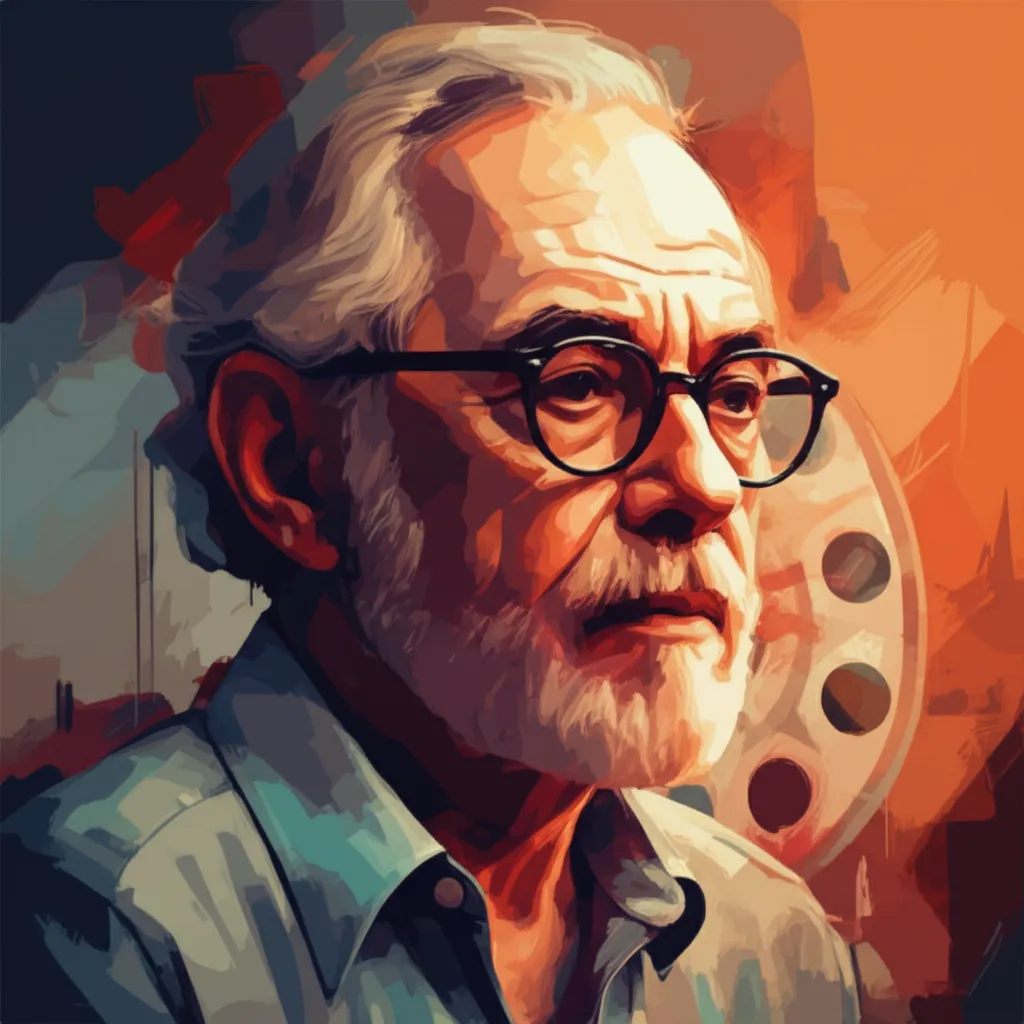
Irvin Kershner was a visionary film director whose career spanned several decades, leaving an indelible mark on the world of cinema. With a keen eye for action, adventure, and fantasy, Kershner's directorial style was characterized by his ability to blend spectacle with compelling storytelling. His most notable film, "Star Wars: Episode V - The Empire Strikes Back" (1980), is widely regarded as one of the greatest sequels of all time and a seminal work in the science fiction genre. Kershner's adept handling of the iconic characters and his ability to infuse the film with emotional depth set a new standard for blockbuster filmmaking. In addition to his work on "The Empire Strikes Back," Kershner also directed "RoboCop 2" (1990), a gritty action crime thriller that further showcased his talent for creating immersive and pulse-pounding cinematic experiences. His directorial contributions extended beyond the realm of science fiction, as evidenced by his work on "Never Say Never Again" (1983), a captivating action-adventure thriller that added a fresh perspective to the James Bond franchise. Kershner's diverse filmography also includes "Eyes of Laura Mars" (1978), a stylish mystery thriller that reflected his ability to navigate different genres with finesse. Throughout his career, Kershner displayed a penchant for exploring complex themes and pushing the boundaries of visual storytelling. His films often delved into the human condition, portraying characters grappling with moral dilemmas and personal growth amidst larger-than-life settings. Kershner's impact on cinema continues to be felt, as his directorial prowess and innovative approach to filmmaking have inspired countless filmmakers and captivated audiences worldwide. In summary, Irvin Kershner's directorial legacy is defined by his ability to seamlessly blend spectacle with substance, creating timeless cinematic experiences that resonate with audiences across generations. His diverse filmography and visionary approach to storytelling solidify his status as a pioneering force in the world of filmmaking, and his contributions continue to shape the landscape of modern cinema.

Irwin Winkler
Irwin Winkler is a celebrated film director with a diverse and impactful career that has left an indelible mark on the world of cinema. With a directorial style characterized by emotional depth and compelling storytelling, Winkler has masterfully helmed a wide range of films across various genres, showcasing his versatility and creative vision. His notable films include "Life as a House" (2001), a poignant drama that delves into themes of redemption and family dynamics, and "Home of the Brave" (2006), an action-packed war drama that highlights the psychological impact of combat on soldiers. One of Winkler's standout directorial achievements is "De-Lovely" (2004), a biographical drama that offers a mesmerizing portrayal of the tumultuous life and musical genius of legendary composer Cole Porter. Through this film, Winkler demonstrated his prowess in capturing the complexities of real-life figures and their enduring legacies. "At First Sight" (1999), a captivating romantic drama, further exemplifies Winkler's ability to imbue his films with genuine emotion and profound human connections, making for a compelling viewing experience. Additionally, "The Net" (1995) showcased Winkler's adeptness at crafting gripping narratives within the realms of action, crime, and drama, further solidifying his directorial range. Throughout his career, Winkler has demonstrated a keen eye for storytelling, consistently exploring themes of human resilience, personal transformation, and the intricacies of interpersonal relationships. His films often resonate with audiences on a deep, emotional level, transcending the confines of traditional genre boundaries. Winkler's impact on cinema is underscored by his ability to seamlessly navigate between different genres while infusing each project with his distinctive directorial imprint, thereby enriching the cinematic landscape with his unique vision. In conclusion, Irwin Winkler's directorial career stands as a testament to his exceptional storytelling abilities and his enduring contributions to the art of filmmaking. With a filmography that spans across genres and encompasses a wide array of compelling narratives, Winkler has solidified his status as a directorial force to be reckoned with. His films continue to captivate audiences and leave a lasting impression, firmly establishing him as a visionary director whose work resonates with viewers on a profound and lasting level.

Isaac Florentine
Isaac Florentine is a prominent Israeli film director known for his exceptional work in the action genre. With a career spanning several decades, Florentine has made a significant impact on the world of cinema through his visually striking and adrenaline-pumping films. His directorial style is characterized by dynamic action sequences, expertly choreographed fight scenes, and a keen sense of pacing that keeps audiences on the edge of their seats. One of Florentine's most notable films is "Ninja" (2009), which showcases his prowess in delivering high-octane action with a compelling narrative. The film seamlessly blends martial arts and thrilling storytelling, cementing Florentine's reputation as a maestro of the action genre. "Ninja: Shadow of a Tear" (2013) further solidified his status, offering audiences a captivating sequel that surpassed the expectations set by its predecessor. The film is a testament to Florentine's ability to push the boundaries of action cinema while maintaining a distinct and immersive directorial vision. Throughout his career, Florentine has consistently explored themes of vengeance, honor, and the pursuit of justice in his films. His work often delves into the complexities of human emotion amidst intense action, adding depth and resonance to the adrenaline-fueled narratives. "Acts of Vengeance" (2017) exemplifies Florentine's thematic exploration, blending action with poignant drama to create a gripping cinematic experience that resonates with audiences on a profound level. Isaac Florentine's impact on cinema extends beyond his individual films, as he has contributed to the evolution of action filmmaking, inspiring a new generation of directors and captivating audiences worldwide. His unique vision and unwavering commitment to delivering exhilarating storytelling have solidified his legacy as a trailblazer in the realm of action cinema, earning him a well-deserved place among the most influential directors in the industry. With a career defined by relentless creativity and a dedication to pushing the boundaries of the genre, Isaac Florentine continues to leave an indelible mark on the world of filmmaking.

Isabel Coixet
Isabel Coixet is a Spanish film director known for her emotionally charged and visually striking films that delve into the complexities of human relationships and the human condition. With a career spanning over three decades, Coixet has crafted a diverse body of work that has left a lasting impact on the world of cinema. Her directorial style is characterized by a keen attention to detail, nuanced storytelling, and a deep exploration of her characters' inner lives. One of Coixet's notable films is "The Secret Life of Words" (2005), a poignant drama that explores the themes of trauma, healing, and the power of human connection. The film received critical acclaim and garnered several awards, showcasing Coixet's ability to create deeply affecting narratives that resonate with audiences. "Elegy" (2008) is another standout in her filmography, a compelling drama that delves into the complexities of love, desire, and mortality. Coixet's deft direction and sensitive portrayal of the characters' emotional journeys further solidified her reputation as a director with a unique vision. Throughout her career, Coixet has consistently explored themes of love, loss, and resilience, often infusing her films with a sense of poetic realism and introspection. Her films, such as "The Bookshop" (2017) and "My Life Without Me" (2003), have touched audiences with their profound storytelling and thought-provoking narratives. Coixet's impact on cinema extends beyond her filmography, as she has paved the way for female directors in a traditionally male-dominated industry, inspiring a new generation of filmmakers to bring their own voices and perspectives to the screen. Isabel Coixet's contributions to film have not only enriched the cinematic landscape but have also challenged societal norms and pushed boundaries in storytelling. Her ability to create emotionally resonant, visually captivating films has solidified her as a visionary director with a lasting influence on the world of cinema. With a body of work that continues to captivate audiences and critics alike, Coixet's legacy as a director remains an essential part of the cinematic canon.
Isao Takahata
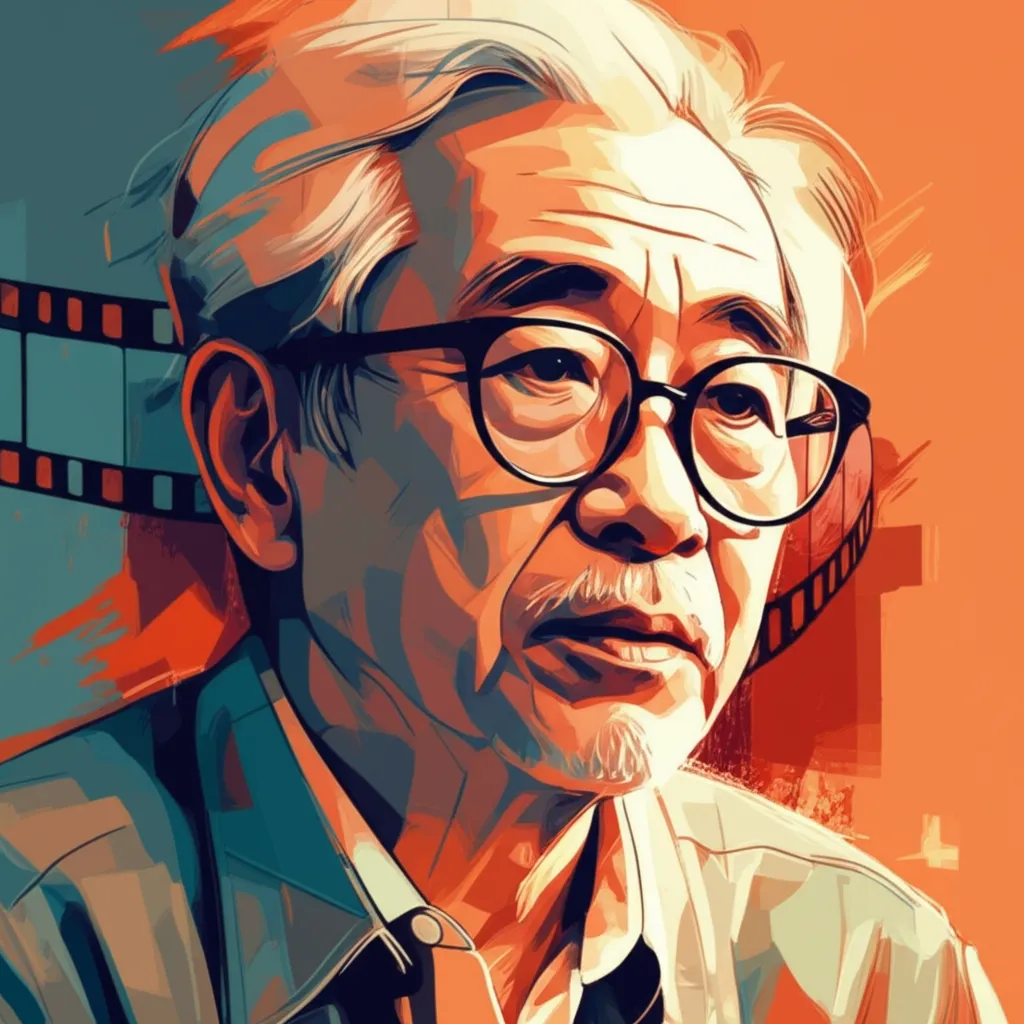
Isao Takahata, the renowned Japanese film director and co-founder of the esteemed Studio Ghibli, left an indelible mark on the world of animation and cinema. With a career spanning several decades, Takahata's directorial style is characterized by his profound storytelling, delicate attention to detail, and masterful ability to evoke powerful emotions from his audience. Known for his visually stunning and emotionally resonant animated films, Takahata's work often delves into the complexities of human relationships, the passage of time, and the impact of societal change on individuals. Notable films in Takahata's illustrious filmography include "Grave of the Fireflies" (1988) and "The Tale of The Princess Kaguya" (2013), both of which have garnered critical acclaim and left an indelible mark on the animation genre. "Grave of the Fireflies" is a poignant and heartbreaking portrayal of the devastating impact of war on two young siblings, while "The Tale of The Princess Kaguya" is a visually stunning and emotionally profound adaptation of a Japanese folktale. These films showcase Takahata's ability to tackle weighty and profound subject matter with grace and sensitivity, solidifying his status as a master storyteller. Takahata's directorial oeuvre often explores themes of nostalgia, the passage of time, and the human experience, as evidenced in films such as "Only Yesterday" (1991) and "Omohide poro poro" (1991). His films are characterized by their rich character development, intricate attention to detail, and masterful storytelling, earning him a revered status in the world of animation and beyond. Takahata's impact on cinema extends far beyond his captivating storytelling, as his influence has inspired countless filmmakers and continues to shape the landscape of animation and filmmaking. In conclusion, Isao Takahata's directorial legacy is marked by his unparalleled ability to craft visually stunning, emotionally resonant, and thematically rich animated films. His profound storytelling, attention to detail, and impact on the world of cinema have solidified his status as a visionary filmmaker whose contributions will continue to inspire and resonate for generations to come.

Ishirô Honda
Ishirô Honda was a visionary Japanese film director known for his influential contributions to the science fiction and fantasy genres. Born in 1911, Honda's career spanned several decades and his artistic vision left an indelible mark on cinema. He is best recognized for his directorial work on iconic films such as "King Kong vs. Godzilla" (1963) and "Dreams" (1990). Honda's directorial style was characterized by his ability to seamlessly blend fantastical elements with thought-provoking narratives, creating captivating and imaginative worlds for audiences to explore. His keen eye for visual storytelling and his innovative use of special effects set him apart as a pioneer in the realm of science fiction cinema. Honda's films often featured larger-than-life monsters and epic battles, showcasing his talent for crafting thrilling action sequences while infusing his work with deeper philosophical themes. "King Kong vs. Godzilla" stands as one of Honda's most enduring works, representing his expertise in creating larger-than-life spectacles that captivate audiences of all ages. The film's success solidified Honda's reputation as a master of the kaiju genre, influencing generations of filmmakers and leaving an indelible impact on the world of fantasy cinema. In "Dreams," Honda showcased his versatility as a director, delving into the realm of drama and fantasy with a deeply introspective and visually stunning anthology of short films. This departure from his more traditional science fiction works highlighted Honda's ability to transcend genre boundaries and explore the depths of human emotion and imagination. Ishirô Honda's legacy continues to resonate in the world of cinema, with his imaginative storytelling and groundbreaking visual effects continuing to inspire filmmakers and audiences alike. His influence can be seen in the countless science fiction and fantasy films that have followed in his footsteps, solidifying his status as a true visionary in the history of cinema.

István Szabó
István Szabó is a Hungarian film director whose career has spanned several decades, leaving an indelible mark on world cinema. Known for his visually stunning and emotionally resonant work, Szabó has become a celebrated auteur in the film industry. His directorial style is marked by meticulous attention to detail, compelling storytelling, and masterful character development. One of Szabó's most acclaimed works is "Mephisto" (1981), a gripping drama that won the Academy Award for Best Foreign Language Film. The movie explores the moral dilemmas faced by an ambitious actor in Nazi Germany, delving into themes of power, corruption, and the human psyche. Szabó's ability to create complex, morally ambiguous characters and thought-provoking narratives is evident in "Mephisto," solidifying his reputation as a director with a keen understanding of human nature. In "Being Julia" (2004), Szabó showcased his versatility by directing a delightful comedy-drama set in the world of 1930s London theater. The film, starring Annette Bening and Jeremy Irons, received critical acclaim for its captivating performances and Szabó's adept handling of the period setting. With an eye for capturing the nuances of human relationships and the intricacies of the human spirit, Szabó's directorial prowess shines through in "Being Julia." Throughout his career, Szabó has explored recurring themes such as the complexities of identity, the impact of historical events on individuals, and the struggle for personal and artistic integrity. His films often offer profound insights into the human condition, reflecting his deep understanding of the human experience. Szabó's impact on cinema extends beyond his storytelling abilities, as he has also influenced aspiring filmmakers with his distinct visual style and narrative craftsmanship. István Szabó's body of work stands as a testament to his enduring legacy in the world of cinema. His ability to craft compelling narratives, delve into the depths of human emotion, and shed light on the complexities of human existence has solidified his status as a visionary director. With a career marked by award-winning films and a dedicated commitment to his craft, István Szabó continues to inspire and captivate audiences with his unique cinematic vision.