Director Names Starting with G
Showing 37-48 out of 187

Gary Sinyor
Gary Sinyor is a British film director known for his work in comedy and romance genres. With a career spanning over three decades, Sinyor has made a significant impact on the film industry, creating memorable and entertaining films that have resonated with audiences worldwide. His directorial style is characterized by his ability to infuse humor and heart into his storytelling, creating films that are both witty and emotionally engaging. One of Sinyor's most notable works is "The Bachelor" (1999), a romantic comedy film starring Chris O'Donnell and Renée Zellweger. The film follows a commitment-phobic man who must marry within 24 hours to inherit his grandfather's fortune, leading to a series of comedic and heartfelt misadventures. Sinyor's adept direction brought out the chemistry between the leads and captured the essence of modern romance, making "The Bachelor" a beloved entry in the romantic comedy genre. Throughout his career, Sinyor has displayed a penchant for exploring themes of love, relationships, and the complexities of human emotions. His films often feature endearing characters navigating the ups and downs of romantic entanglements, while incorporating humor and genuine sentiment. Sinyor's ability to balance lighthearted humor with sincere emotional depth has made his films relatable and enduring for audiences of all ages. Sinyor's impact on cinema lies in his ability to craft films that entertain and resonate with viewers, showcasing the universal experiences of love and human connection. His directorial vision has contributed to the enduring popularity of romantic comedies, and his ability to capture the complexities of relationships has left a lasting impression on the genre. As a director, Sinyor continues to bring his unique blend of humor and heart to the screen, cementing his status as a talented filmmaker with a distinct storytelling voice.

Gary Trousdale
Gary Trousdale is a celebrated film director known for his exceptional work in the animation industry. He first gained widespread recognition for his directorial debut in Disney's "Beauty and the Beast" (1991), a classic animated film that garnered critical acclaim and became a timeless favorite among audiences. Trousdale's keen eye for visual storytelling and his ability to infuse emotional depth into his characters set the stage for a career filled with innovative and captivating filmmaking. In 1996, Trousdale co-directed "The Hunchback of Notre Dame," a daring adaptation of Victor Hugo's novel that showcased his penchant for exploring complex themes such as love, acceptance, and societal norms. The film's striking visuals and poignant narrative cemented Trousdale's reputation as a director with a distinct artistic vision and a commitment to pushing the boundaries of animated storytelling. Continuing to push creative boundaries, Trousdale co-directed "Atlantis: The Lost Empire" (2001), a visually stunning and action-packed animated adventure that demonstrated his versatility in storytelling. The film's immersive world-building and captivating action sequences solidified Trousdale's status as a director capable of delivering compelling narratives across various genres. Throughout his career, Trousdale's films have consistently showcased his ability to infuse profound emotional resonance into his storytelling, addressing universal themes of love, courage, and self-discovery. His dedication to creating visually stunning and emotionally resonant cinematic experiences has left an indelible mark on the animation industry, inspiring future generations of filmmakers to push the boundaries of storytelling through the art of animation. Gary Trousdale's unparalleled contributions to the world of animation have undoubtedly shaped the landscape of cinema, leaving an enduring legacy that continues to inspire and captivate audiences worldwide. His visionary directorial style, combined with his ability to imbue his films with rich thematic depth, has solidified his place as a pioneering force in the realm of animated filmmaking. Trousdale's impact on cinema remains profound, and his work continues to stand as a testament to the transformative power of storytelling through the medium of animation.

Gary Winick
Gary Winick was a prolific American film director known for his unique vision and eclectic filmography. He first gained recognition for his work in independent cinema, before transitioning to mainstream Hollywood fare. Winick's directorial style was marked by his ability to infuse heart and warmth into a variety of genres, from animation to romantic comedies. One of Winick's most notable films is "Charlotte's Web" (2006), a heartwarming adaptation of the beloved children's novel. This animated feature showcased Winick's ability to bring beloved literary characters to life on the big screen, earning critical acclaim for its emotional depth and stunning visuals. Additionally, "Letters to Juliet" (2010) and "Bride Wars" (2009) demonstrated Winick's versatility as a director, showcasing his adeptness in crafting engaging and heartfelt stories within the realms of romance and comedy. Throughout his career, Winick often explored themes of love, friendship, and personal growth, with a focus on character-driven narratives. His films often resonated with audiences due to their relatable themes and endearing characters. Winick's impact on cinema lies in his ability to bring emotional depth and authenticity to his projects, transcending genre boundaries and appealing to a wide range of audiences. Gary Winick's contributions to film are characterized by his commitment to storytelling and his ability to breathe life into diverse genres. His legacy is marked by his unique vision and his ability to connect with audiences on an emotional level, leaving a lasting impression on the cinematic landscape.

Gaspar Noé
Gaspar Noé is a provocative and controversial Argentine-born French filmmaker known for his unflinching and boundary-pushing approach to cinema. With a career spanning over two decades, Noé has gained a reputation for his uncompromising directorial style and his exploration of dark and visceral themes. His filmography includes works such as "Irreversible" (2002), "Climax" (2018), "I Stand Alone" (1998), "Love" (2015), and "Enter the Void" (2009), all of which have left an indelible mark on the world of cinema. Noé's directorial style is characterized by his use of long takes, immersive camerawork, and a bold and unapologetic approach to depicting raw human emotions and experiences. His films often delve into the depths of human psyche, exploring themes of violence, sexuality, and the fragility of existence. Noé's uncompromising vision has earned him both acclaim and controversy, solidifying his status as a filmmaker unafraid to push the boundaries of what is considered acceptable in cinema. "Irreversible" is perhaps one of Noé's most notorious works, known for its non-linear narrative and unflinching portrayal of sexual violence. The film's controversial subject matter sparked debates and discussions about the boundaries of cinema and the ethical responsibilities of filmmakers. "Love" further solidified Noé's reputation as a provocateur, featuring explicit sexual content and a narrative that delves into the complexities of human relationships. Noé's impact on cinema extends beyond his ability to shock and provoke. His unique visual style and uncompromising storytelling have influenced a new generation of filmmakers, paving the way for a more daring and boundary-pushing approach to storytelling. Despite the divisive nature of his work, Noé's films have garnered a dedicated following and have cemented his status as a director unafraid to challenge the status quo. In conclusion, Gaspar Noé's career has been defined by his unapologetic and boundary-pushing approach to filmmaking. His films, characterized by their raw and visceral nature, have left an indelible mark on the world of cinema, sparking discussions and debates about the limits of artistic expression. Noé's unique vision and uncompromising directorial style have solidified his status as a filmmaker who continues to challenge and redefine the boundaries of storytelling on the silver screen.
Gastón Duprat
Gastón Duprat is a renowned Argentine film director known for his unique blend of comedy and drama, capturing the complexities of human nature with wit and insight. His directorial style is characterized by a keen observation of society and a sharp sense of humor, which he masterfully weaves into his storytelling. With a career spanning several notable films, Duprat has made a significant impact on the global cinema landscape. One of Duprat's most acclaimed works is "The Distinguished Citizen" (2016), a dark comedy that follows the journey of a Nobel Prize-winning writer who returns to his small hometown, only to be confronted by the idiosyncrasies and eccentricities of the locals. The film received widespread critical acclaim and garnered numerous awards, showcasing Duprat's ability to create thought-provoking narratives while infusing them with humor and satire. In 2021, Duprat continued to showcase his directorial prowess with "Official Competition," a comedy-drama that delves into the competitive and cutthroat world of filmmaking. The film, starring Penélope Cruz and Antonio Banderas, further solidified Duprat's reputation as a director with a distinct voice and a knack for crafting compelling stories that resonate with audiences on a profound level. Throughout his career, Duprat has explored themes such as the clash between tradition and modernity, the complexities of human relationships, and the absurdities of everyday life. His films often serve as poignant reflections on society, challenging viewers to contemplate the intricacies of the human experience while eliciting laughter and introspection in equal measure. Gastón Duprat's contributions to the film industry have left an indelible mark, earning him a place among the most influential contemporary directors. His ability to seamlessly blend comedy and drama, coupled with his astute observations of human behavior, has positioned him as a visionary filmmaker whose work continues to captivate and inspire audiences worldwide.

Gauri Shinde
Gauri Shinde is a highly acclaimed Indian film director known for her distinctive storytelling style and ability to capture the essence of human emotions on screen. With a penchant for portraying the complexities of everyday life, Shinde's directorial approach is characterized by a delicate balance of humor, drama, and heartfelt moments. Her filmography boasts a number of notable works that have left a lasting impact on the Indian film industry. In 2012, Shinde made her directorial debut with "English Vinglish," a heartwarming comedy-drama that resonated with audiences and critics alike. The film not only marked the comeback of legendary actress Sridevi but also showcased Shinde's ability to craft compelling narratives that delve into the intricacies of family dynamics and personal growth. The success of "English Vinglish" firmly established Shinde as a director to watch, earning her widespread praise for her sensitive and relatable storytelling. Following the success of her debut, Shinde continued to make waves in the industry with "Dear Zindagi" in 2016. Starring Alia Bhatt and Shah Rukh Khan, the film explored the complexities of modern relationships and the pursuit of happiness, earning accolades for its refreshing take on mental health and the importance of self-discovery. Shinde's directorial prowess was once again on display as she skillfully navigated the nuances of human emotions, solidifying her reputation as a director with a keen eye for authentic storytelling. One of the recurring themes in Shinde's work is her ability to portray the empowerment and growth of female protagonists in a nuanced manner, breaking stereotypes and celebrating the multifaceted nature of women. Her films often highlight the importance of self-acceptance, personal fulfillment, and the pursuit of one's dreams, resonating with audiences on a profound level. Gauri Shinde's impact on Indian cinema is undeniable, as she continues to pave the way for thought-provoking storytelling and compelling character-driven narratives. With her unique vision and ability to capture the essence of human experiences, Shinde has solidified her status as a director whose work transcends cultural boundaries and leaves a lasting impression on audiences worldwide.
Gautham Vasudev Menon
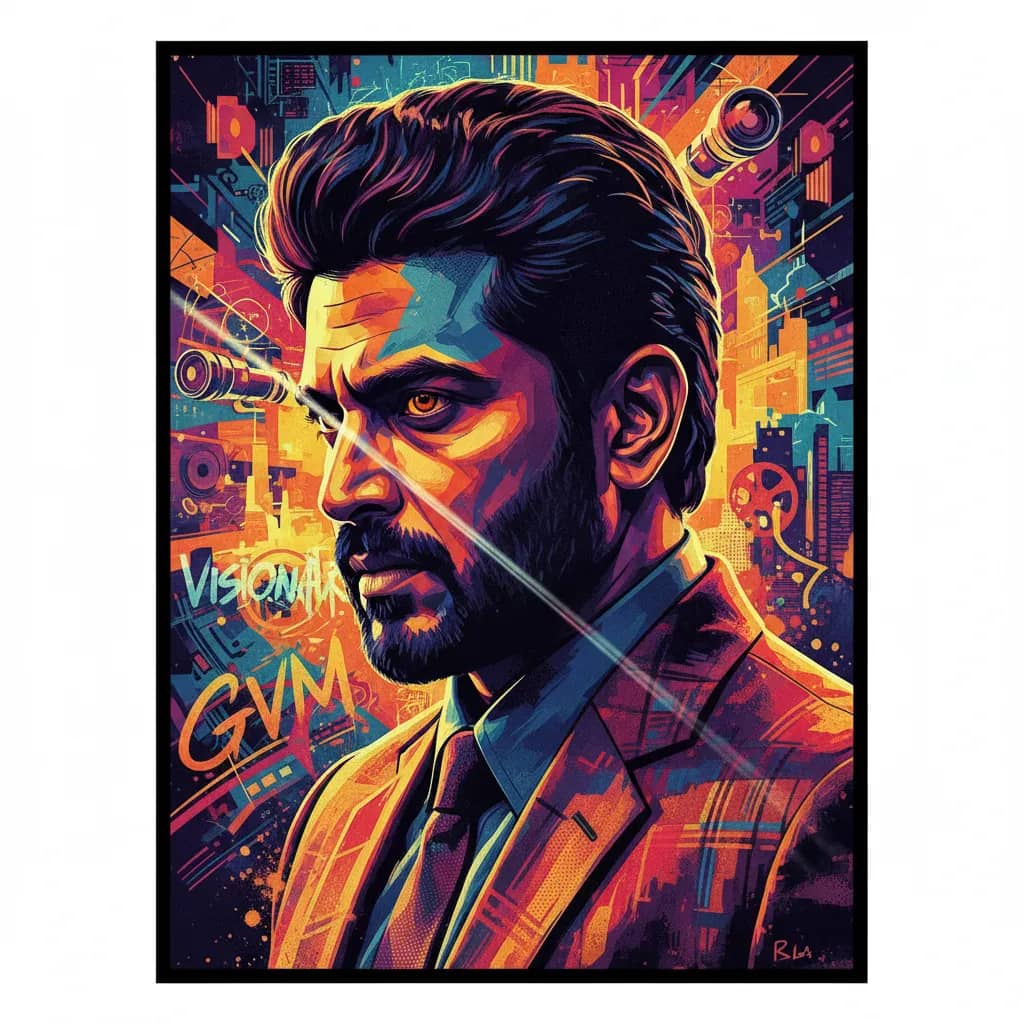
Gautham Vasudev Menon is a prominent Indian film director renowned for his distinctive storytelling and cinematic finesse. With a career spanning over two decades, Menon has left an indelible mark on the Indian film industry with his unique directorial style and compelling narratives. He is known for seamlessly blending elements of action, drama, and romance, creating emotionally resonant films that captivate audiences. One of Menon's most notable works is the critically acclaimed "Vaaranam Aayiram" (2008), which garnered widespread acclaim for its poignant portrayal of the father-son relationship, coupled with breathtaking visuals and a soul-stirring musical score. The film showcases Menon's penchant for infusing his narratives with profound emotional depth and introspection, solidifying his reputation as a master storyteller. In "Yennai Arindhaal" (2015), Menon delved into the realm of action, crime, and drama, further showcasing his versatility as a director. The film received accolades for its gripping storyline, intense character portrayals, and deft direction, firmly establishing Menon as a director with a keen understanding of diverse genres and their nuances. Menon's directorial style is characterized by his meticulous attention to detail, nuanced character development, and evocative storytelling. His films often explore themes of love, loss, and redemption, resonating with audiences on a profound level. Additionally, Menon's adeptness at crafting compelling narratives has had a significant impact on Indian cinema, inspiring a new generation of filmmakers and leaving an enduring legacy in the industry. Overall, Gautham Vasudev Menon's directorial prowess and distinctive vision have cemented his status as a trailblazing filmmaker in Indian cinema. His ability to seamlessly traverse genres while infusing his films with emotional depth has garnered him a dedicated fan base and critical acclaim, solidifying his position as a director of immense talent and influence. With a stellar filmography and a reputation for crafting poignant and immersive narratives, Menon continues to be a driving force in shaping the landscape of contemporary Indian cinema.

Gavin Hood
Gavin Hood is a South African director renowned for his thought-provoking and socially relevant filmmaking. Hood's directorial style is characterized by his ability to infuse intense drama and gripping storytelling with a keen eye for societal issues. His films often explore moral dilemmas, political intrigue, and the human condition, making him a respected voice in the industry. With a diverse filmography spanning various genres, Hood has established himself as a versatile and visionary director. One of Hood's most notable films is "Tsotsi" (2005), which earned him international acclaim and the Academy Award for Best Foreign Language Film. The movie, set in the slums of Johannesburg, delves into the harsh realities of poverty and crime while offering a poignant portrayal of redemption and compassion. Hood's ability to capture the raw emotions of his characters and the vibrant yet troubled backdrop of South Africa solidified his reputation as a director with a distinct and powerful cinematic voice. In "Rendition" (2007) and "Eye in the Sky" (2015), Hood continued to showcase his adeptness at weaving high-stakes political and ethical dilemmas into his narratives. Both films tackle complex issues such as terrorism, surveillance, and the moral ambiguities of modern warfare. Hood's directorial approach, marked by meticulous attention to detail and an unwavering commitment to authenticity, elevates these films into compelling and thought-provoking works of art. Hood's foray into big-budget Hollywood productions resulted in "X-Men Origins: Wolverine" (2009), where he brought his signature storytelling prowess to the superhero genre. Despite the film's mixed critical reception, Hood's directorial imprint is evident in the film's exploration of Wolverine's origins and internal struggles, adding depth to the character within the larger X-Men universe. In "Ender's Game" (2013), Hood ventured into the realm of science fiction, delivering a visually stunning and intellectually stimulating adaptation of the beloved novel. The film highlights Hood's ability to seamlessly blend exhilarating action sequences with profound philosophical themes, solidifying his standing as a director capable of tackling diverse genres with skill and vision. With "Official Secrets" (2019), Hood once again demonstrated his commitment to bringing real-life stories to the screen with integrity and impact. The film, based on true events, sheds light on the ethical and moral dilemmas faced by whistleblowers and journalists in the pursuit of truth and accountability. Hood's directorial acumen shines through in his
Gavin O'Connor
Gavin O'Connor is a versatile and accomplished film director known for his ability to craft compelling stories across various genres. With a career spanning over two decades, O'Connor has left an indelible mark on cinema through his distinct directorial style and impactful storytelling. He has a penchant for exploring complex human emotions, often delving into themes of resilience, redemption, and the human spirit in the face of adversity. O'Connor's filmography boasts an impressive array of critically acclaimed works, including "Warrior" (2011) and "The Accountant" (2016), which exemplify his mastery in portraying intense and visceral action sequences while simultaneously delving into the intricate psychology of his characters. "Miracle" (2004), a biographical sports drama, showcased O'Connor's ability to bring real-life stories to the screen with authenticity and emotional depth, earning widespread praise from audiences and critics alike. One of O'Connor's notable strengths lies in his skillful direction of actors, eliciting powerful and nuanced performances that resonate with audiences on a profound level. His films often feature complex, morally ambiguous characters navigating morally grey situations, adding layers of depth and authenticity to his narratives. O'Connor's directorial vision is marked by a raw and unflinching portrayal of human vulnerability and the triumph of the human spirit, creating a cinematic experience that is both gripping and emotionally resonant. O'Connor's impact on cinema extends beyond his individual works, as he has consistently demonstrated a commitment to pushing the boundaries of storytelling and challenging traditional genre conventions. His ability to seamlessly blend action, drama, and character-driven narratives has solidified his reputation as a director with a unique and compelling creative voice. As cinema continues to evolve, O'Connor's contributions stand as a testament to the enduring power of thought-provoking storytelling and the enduring impact of a visionary director.

Gavin Rothery
Gavin Rothery is a visionary director known for his unique blend of drama, mystery, and science fiction in the world of cinema. His notable filmography includes the 2020 release "Archive," a gripping exploration of artificial intelligence, memory, and the human experience. Rothery's directorial style is marked by a meticulous attention to detail, evocative visual storytelling, and thought-provoking narratives that delve into the depths of the human psyche. With "Archive," Rothery showcases his adeptness at crafting immersive, atmospheric worlds that blur the lines between reality and the surreal. His directorial approach often involves a seamless fusion of cutting-edge technology and poignant human emotions, creating a cinematic experience that resonates with audiences on a profound level. Rothery's films are characterized by their ability to transport viewers to imaginative realms while simultaneously addressing universal themes of identity, loss, and the ethical implications of technological advancement. Rothery's impact on cinema lies in his ability to push the boundaries of traditional storytelling, infusing his work with philosophical undertones and a keen understanding of the human condition. His films often explore the existential quandaries posed by advancements in science and technology, offering audiences a stimulating and introspective journey through the complexities of the modern world. Through his directorial prowess, Rothery has established himself as a filmmaker whose work transcends genre conventions, inviting viewers to contemplate the intricacies of existence through a cinematic lens. In conclusion, Gavin Rothery's directorial career has been defined by a commitment to crafting visually arresting narratives that delve into the realms of science fiction, mystery, and drama. His films stand as a testament to his ability to captivate audiences with thought-provoking storytelling and striking visual aesthetics. With "Archive" as a prime example of his directorial prowess, Rothery continues to leave an indelible mark on cinema, challenging viewers to ponder the profound questions that lie at the intersection of humanity and technological innovation.

Gavin Wiesen
Gavin Wiesen is a talented filmmaker known for his work in the drama and romance genres. His most notable film, "The Art of Getting By," released in 2011, showcases his distinct directorial style and storytelling prowess. Wiesen's directorial approach often involves capturing the complexities of human relationships and the emotional nuances of his characters, creating a deeply immersive experience for audiences. "The Art of Getting By" stands as a testament to Wiesen's ability to explore the intricacies of young love and self-discovery, resonating with viewers through its heartfelt narrative and authentic portrayal of adolescent experiences. Wiesen's directorial style is characterized by his keen attention to detail, evocative cinematography, and ability to elicit raw and genuine performances from his actors, all of which contribute to the enduring impact of his work. Throughout his career, Wiesen has consistently delved into themes of coming-of-age, personal growth, and the complexities of human connection, establishing himself as a director with a profound understanding of the human condition. His contributions to cinema have been celebrated for their emotional depth and relatability, as he continues to leave an indelible mark on the industry with his thought-provoking storytelling and visually compelling narratives. Wiesen's directorial vision is a testament to his ability to craft compelling and emotionally resonant stories, making him a revered figure in the world of independent cinema. His dedication to exploring the intricacies of human emotions and relationships has solidified his standing as a director with a distinct voice and a penchant for creating captivating narratives that leave a lasting impression on audiences. As Wiesen continues to make his mark in the film industry, his unique directorial style and profound storytelling are sure to shape the future landscape of cinema, captivating audiences and critics alike with his evocative and thought-provoking work.

Gayatri
Director Gayatri is a prominent figure in the Indian film industry, known for her exceptional storytelling and innovative filmmaking techniques. With a career that spans several decades, Gayatri has left an indelible mark on cinema through her distinct directorial style and unique approach to storytelling. Her most notable film, "Vikram Vedha" (2017), is a gripping action-crime drama that showcases her ability to seamlessly blend compelling narratives with intense, character-driven plots. Gayatri's directorial style is characterized by her meticulous attention to detail and her adeptness at creating a palpable sense of tension and drama on screen. Her films often feature complex, morally ambiguous characters whose struggles and conflicts serve as a catalyst for the narrative. "Vikram Vedha" is a prime example of her directorial prowess, as she masterfully weaves together the contrasting personas of the titular characters, resulting in a riveting and thought-provoking cinematic experience. Throughout her career, Gayatri has explored recurring themes such as moral ambiguity, justice, and the human psyche, delving into the complexities of human nature and the choices individuals make when faced with difficult circumstances. Her ability to infuse her films with emotional depth and thought-provoking themes has solidified her reputation as a director with a keen understanding of the human condition. Gayatri's impact on Indian cinema is undeniable, as she has consistently pushed the boundaries of storytelling and filmmaking, earning critical acclaim and a dedicated fan base. Her directorial contributions have inspired a new generation of filmmakers, and her work continues to be celebrated for its originality and artistic merit. With a career marked by exemplary storytelling and cinematic innovation, Gayatri stands as a trailblazer in the world of Indian cinema, leaving an enduring legacy that will continue to influence and inspire future generations of filmmakers. In conclusion, Gayatri's directorial career is distinguished by her unique vision, exceptional storytelling, and profound impact on Indian cinema. Her film "Vikram Vedha" exemplifies her directorial prowess and serves as a testament to her ability to craft compelling narratives that resonate with audiences on a profound level. As a director, Gayatri has left an indelible mark on the film industry, and her contributions continue to shape the landscape of Indian cinema, cementing her legacy as a visionary filmmaker.