Director Names Starting with G
Showing 169-180 out of 187
Guillaume Canet
Guillaume Canet is a French director known for his unique blend of gripping storytelling and intense character-driven narratives. Born on April 10, 1973, in Boulogne-Billancourt, France, Canet began his career as an actor before transitioning into directing. His directorial style is characterized by a keen focus on human emotions, intricate plotlines, and a deep exploration of complex relationships. Canet's notable films include "Blood Ties" (2013), an action-packed crime drama set in 1970s New York, featuring a stellar cast including Clive Owen, Billy Crudup, and Marion Cotillard. The film showcases Canet's ability to create a compelling and gritty atmosphere while delving into the dynamics of family bonds and loyalty. "Tell No One" (2006), another standout in Canet's filmography, is a gripping crime drama that intertwines mystery and suspense, earning critical acclaim for its taut direction and engaging narrative. In "Little White Lies" (2010), Canet delves into the complexities of friendship and the human experience, offering a poignant and humorous exploration of the dynamics within a close-knit group of friends. The film balances comedic moments with profound emotional depth, showcasing Canet's versatility as a director. Throughout his career, Canet has exhibited a recurring theme of delving into the intricacies of human relationships, often portraying the raw and unfiltered emotions that drive his characters. His films are characterized by a meticulous attention to detail, immersive storytelling, and a knack for drawing authentic performances from his actors. Guillaume Canet's impact on cinema lies in his ability to create compelling narratives that resonate with audiences on a profound level. His directorial vision and dedication to crafting emotionally resonant stories have solidified his status as a prominent figure in the French film industry. Canet's work continues to captivate audiences and inspire aspiring filmmakers, cementing his legacy as a director with a distinct and compelling creative voice. In summary, Guillaume Canet has established himself as a director with a unique ability to craft immersive and emotionally resonant narratives. His films, including "Blood Ties," "Tell No One," and "Little White Lies," showcase his talent for delving into the complexities of human relationships and creating gripping stories that leave a lasting impact. With a keen eye for detail and a commitment to authentic storytelling, Canet has made a significant mark on cinema, earning acclaim for his compelling directorial style and profound

Guillaume Ivernel
Guillaume Ivernel is a visionary French director known for his exceptional work in the animation genre. His most notable film, "Dragon Hunters" (2008), showcases his distinctive directorial style and his ability to create immersive worlds that captivate audiences. Ivernel's career has been defined by his commitment to pushing the boundaries of animation and storytelling, cementing his status as a trailblazer in the industry. "Dragon Hunters" is a testament to Ivernel's unique vision, as he expertly blends action, adventure, and fantasy elements to deliver a visually stunning and emotionally resonant film. His directorial style is characterized by meticulous attention to detail, a keen eye for cinematic composition, and a knack for weaving compelling narratives. Ivernel's ability to infuse his films with a sense of wonder and imagination has set him apart as a director with a truly distinctive voice. Throughout his career, Ivernel has consistently explored themes of friendship, bravery, and the power of imagination, creating films that resonate with audiences of all ages. His impact on cinema extends beyond his individual films, as he has contributed to the evolution of animation as a respected and influential art form. Ivernel's dedication to pushing the boundaries of animation has helped elevate the genre to new heights, inspiring a new generation of filmmakers and animators. In summary, Guillaume Ivernel's career is a testament to his unparalleled creativity and innovation in the animation genre. With "Dragon Hunters" as his crowning achievement, Ivernel has left an indelible mark on cinema, and his influence will continue to be felt for years to come. His unique vision and contributions to film have solidified his place as a director whose work will stand the test of time.

Guillaume Pierret
Guillaume Pierret is a French film director known for his work in the action, crime, and thriller genres. His standout film, "Lost Bullet," released in 2020, solidified his reputation as a director with a keen eye for high-octane, adrenaline-pumping storytelling. Pierret's directorial style is marked by his ability to seamlessly blend heart-stopping action sequences with compelling character-driven narratives, creating a visceral and engaging cinematic experience for audiences. "Lost Bullet" stands as a testament to Pierret's mastery of the action genre, featuring intense car chases, gripping suspense, and expertly choreographed fight scenes. His directorial approach brings a fresh and dynamic perspective to the action genre, setting him apart as a visionary filmmaker with a knack for delivering edge-of-your-seat entertainment. Pierret's films often explore themes of justice, redemption, and the human spirit amidst intense and often dangerous circumstances. His work showcases a deep understanding of the complexities of human emotion, elevating the action genre beyond its surface-level thrills and infusing it with depth and resonance. In the realm of French cinema, Guillaume Pierret has made a significant impact, garnering acclaim for his ability to push the boundaries of action filmmaking while staying true to the core elements that make the genre so exhilarating. His dedication to crafting visually stunning and emotionally resonant films has earned him a dedicated following and positioned him as a leading voice in the action film landscape. Guillaume Pierret's directorial prowess has undoubtedly left an indelible mark on cinema, and his future projects are highly anticipated by audiences and critics alike. As he continues to hone his craft and expand his storytelling horizons, Pierret remains a director to watch, with his innovative vision and distinctive style poised to shape the future of action cinema.
Guillem Morales
Guillem Morales is a Spanish film director known for his work in the horror, mystery, and thriller genres. His notable film "Los ojos de Julia" showcases his directorial style, which often intertwines elements of psychological tension, atmospheric visuals, and compelling storytelling. With a keen eye for creating suspenseful narratives, Morales has made a significant impact on the cinematic landscape. "Los ojos de Julia" exemplifies Morales's ability to craft intense and gripping atmospheres, drawing audiences into his world of enigmatic characters and gripping plot twists. His directorial approach often delves into the complexities of human psychology, as evident in the film's intricate character portrayals and haunting visual imagery. Morales's unique vision brings a fresh perspective to the horror and thriller genres, offering audiences a thought-provoking and immersive cinematic experience. Throughout his career, Morales has explored recurring themes such as the blurred lines between reality and illusion, the frailty of the human mind, and the visceral nature of fear. His work resonates with audiences by tapping into universal fears and primal instincts, creating an emotional connection that lingers long after the credits roll. Morales's ability to infuse his films with palpable tension and evocative visuals has solidified his reputation as a director with a distinctive style and a penchant for captivating storytelling. As a director, Morales continues to push the boundaries of genre filmmaking, elevating the art of suspense and psychological intrigue. His contributions to cinema have not only garnered critical acclaim but have also left an indelible mark on the horror and thriller genres. With his masterful command of atmosphere and storytelling, Guillem Morales remains a visionary director whose work continues to captivate and unsettle audiences, solidifying his status as a trailblazer in the realm of psychological thrillers. In summary, Guillem Morales has established himself as a director with a distinct flair for crafting immersive and psychologically rich narratives, earning him a dedicated following within the horror and thriller genres. His film "Los ojos de Julia" stands as a testament to his ability to create compelling and thought-provoking cinema, firmly establishing Morales as a director to watch in the realm of psychological thrillers.
Guillermo Arriaga
Guillermo Arriaga is a Mexican film director, screenwriter, and author known for his profound storytelling and unique directorial style. Arriaga's directorial debut came with the 2008 film "The Burning Plain," a compelling drama that explores the intricacies of human relationships amidst tragedy. His directorial approach reflects his background as a celebrated screenwriter, with a keen focus on character depth and emotional complexity. Arriaga's directorial style is characterized by his ability to infuse raw emotion and poignant symbolism into his narratives, creating a deeply immersive experience for audiences. His film "The Burning Plain" exemplifies his distinctive directorial approach through its compelling portrayal of love, loss, and the interconnectedness of human experiences. Arriaga's keen eye for capturing the raw essence of human emotions has solidified his reputation as a director capable of delving into the most profound aspects of the human condition. Throughout his career, Arriaga's storytelling has been marked by recurring themes of redemption, fate, and the complexities of human connections. His directorial work often intertwines multiple narratives, offering a mosaic of interconnected lives that converge in unexpected ways. This narrative technique, combined with his exploration of profound themes, has set Arriaga's directorial style apart, earning him critical acclaim and a dedicated following. Guillermo Arriaga's impact on cinema extends beyond his directorial achievements, as he has significantly contributed to the evolution of storytelling in film. His ability to craft intricate narratives and delve into the depths of human emotion has left an indelible mark on the cinematic landscape. Arriaga's directorial vision continues to inspire aspiring filmmakers and captivate audiences, cementing his status as a visionary director with a profound understanding of the human experience. With a career marked by artistic integrity and narrative innovation, Guillermo Arriaga stands as a luminary in the world of filmmaking, leaving an enduring legacy through his directorial contributions.
Guillermo del Toro
Guillermo del Toro is a Mexican filmmaker renowned for his distinct blend of dark fantasy, gothic horror, and visually stunning storytelling. With a filmography that spans over three decades, del Toro has left an indelible mark on the cinematic landscape, earning accolades and a dedicated fanbase for his visionary approach to storytelling. His directorial style is characterized by a masterful interplay of the fantastical and the macabre, often weaving intricate narratives that delve into the depths of human nature. One of del Toro's most notable films, "Pan's Labyrinth" (2006), exemplifies his penchant for intertwining historical backdrop with dark fantasy elements, earning critical acclaim and multiple accolades, including three Academy Awards. The film stands as a testament to del Toro's ability to craft immersive, visually captivating worlds that resonate on both emotional and intellectual levels. Additionally, "The Shape of Water" (2017) further showcased del Toro's prowess as a director, earning him the Academy Award for Best Director and Best Picture, and cementing his status as a visionary storyteller. Del Toro's recurring themes often explore the juxtaposition of beauty and darkness, the complexities of human emotions, and the blurred lines between reality and the supernatural. His film "Crimson Peak" (2015) serves as a prime example of his adeptness at infusing gothic romance with chilling horror, creating a visually striking and thematically rich cinematic experience. Throughout his career, del Toro has also made significant contributions to the realm of fantasy and horror cinema, with films like "The Devil's Backbone" (2001), "Cronos" (1992), and "Mimic" (1997) showcasing his ability to craft immersive and atmospheric narratives that linger in the minds of audiences long after the credits roll. Additionally, his foray into the realm of animated storytelling with "Guillermo del Toro's Pinocchio" (set to release in 2022) promises to further expand his creative horizons and leave an enduring impact on the medium. Guillermo del Toro's unique vision and unparalleled ability to craft visually arresting narratives have solidified his status as a trailblazing director in the realm of dark fantasy and gothic horror. His impact on cinema extends beyond his directorial achievements, as he continues to inspire and influence a new generation of storytellers with his innovative approach to filmmaking. With an unwavering commitment to pushing the boundaries of storytelling and visual art

Gurinder Chadha
Gurinder Chadha is a celebrated film director known for her compelling storytelling and unique directorial style. With a diverse filmography that spans across various genres, Chadha has made a significant impact on cinema with her distinctive approach to storytelling and her ability to seamlessly blend humor, drama, and musical elements to create captivating narratives. Chadha's breakout film "Bend It Like Beckham" (2002) showcased her talent for crafting engaging coming-of-age stories with a blend of comedy, drama, and romance. The film's exploration of cultural identity and female empowerment resonated with audiences worldwide and solidified Chadha's reputation as a director with a keen eye for capturing the complexities of human relationships and societal norms. In "Blinded by the Light" (2019), Chadha once again demonstrated her ability to infuse music with powerful storytelling, as she delved into the life of a British-Pakistani teenager who finds solace in the music of Bruce Springsteen amidst the socio-economic challenges of 1980s Britain. The film not only highlighted Chadha's directorial prowess but also underscored her commitment to showcasing diverse and underrepresented narratives on the big screen. Chadha's recurring themes of cultural identity, family dynamics, and the pursuit of dreams are interwoven throughout her filmography, reflecting her own experiences as a British-Indian filmmaker. Her ability to authentically depict the nuances of multiculturalism and the immigrant experience has set her apart in the industry and has contributed to a more inclusive representation of diverse voices in cinema. With films like "Paris, je t'aime" (2006), "Angus, Thongs and Perfect Snogging" (2008), and "Bride & Prejudice" (2004), Chadha has continued to push boundaries and challenge conventional storytelling, solidifying her status as a visionary director with a penchant for crafting emotionally resonant and visually captivating narratives. Gurinder Chadha's directorial style, characterized by her ability to blend humor, drama, and music, has left an indelible mark on cinema. Her commitment to amplifying diverse voices and narratives has not only enriched the cinematic landscape but has also inspired a new generation of filmmakers to embrace their unique perspectives and tell stories that resonate with audiences from all walks of life.
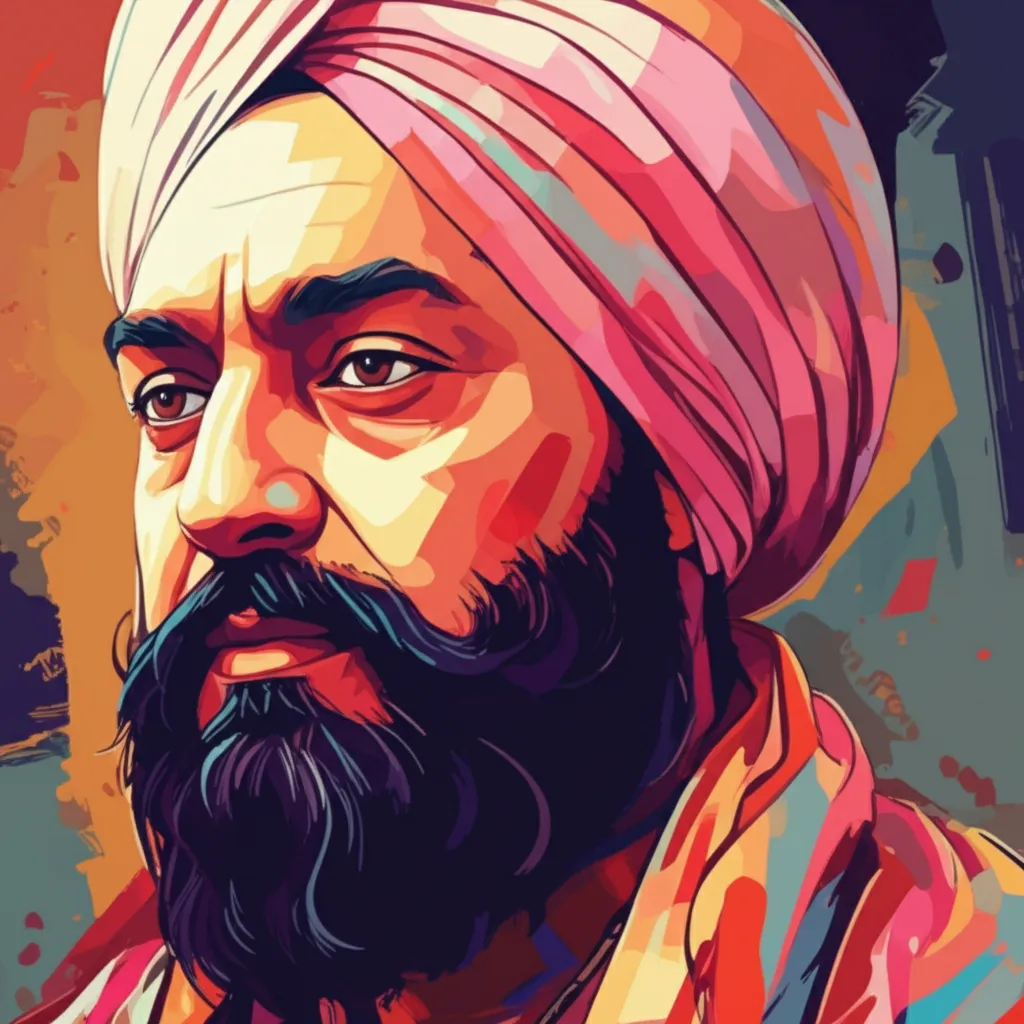
Gurmeet Ram Rahim Singh
Gurmeet Ram Rahim Singh is a highly controversial figure in Indian cinema, known for his unique foray into filmmaking with the 2015 release "MSG: The Messenger of God." As the spiritual leader of the Dera Sacha Sauda sect, Singh took on the roles of director, producer, writer, and actor in this action-packed, comedic, and dramatic film. Despite facing criticism and legal challenges, Singh's film left a lasting impact on Indian cinema and his devoted followers. Singh's directorial style can be described as bold and unconventional, blending elements of action, comedy, and drama to deliver a message of spirituality and moral righteousness. "MSG: The Messenger of God" marked Singh's debut as a filmmaker and showcased his ambition to use the medium of cinema to spread his teachings and beliefs to a wider audience. The film's production values and elaborate action sequences set it apart from traditional Bollywood fare, reflecting Singh's commitment to creating a visually striking and entertaining work. Notable for his unique vision and unapologetic approach to storytelling, Singh's influence on Indian cinema extends beyond the screen. His film brought to light the intersection of religion, entertainment, and social impact, sparking conversations about the responsibilities of religious leaders in the realm of filmmaking. Despite facing backlash and censorship, Singh's dedication to his artistic endeavors and his ability to connect with his followers through the medium of film cannot be denied. While "MSG: The Messenger of God" may not have been universally embraced by mainstream audiences, it undeniably left a mark on the Indian film industry and opened up discussions about the role of spiritual leaders in the realm of filmmaking. Singh's willingness to take creative risks and his determination to bring his message to the masses have solidified his place in the annals of Indian cinema, leaving a legacy that cannot be easily overlooked.

Gurmmeet Singh
Gurmmeet Singh is an Indian film director known for his unique blend of comedy and horror elements in his work. His most recent directorial venture, "Phone Bhoot" (2022), exemplifies his distinct style and marks his foray into the horror-comedy genre. With a keen eye for visual storytelling and a penchant for infusing humor into the macabre, Singh has carved a niche for himself in the Indian film industry. Singh's directorial approach often involves seamlessly merging elements of comedy and horror to create a captivating and entertaining cinematic experience. His films are characterized by their vibrant visuals, witty dialogue, and a deft handling of suspense and supernatural elements. "Phone Bhoot" showcases his ability to balance the eerie and the comedic, delivering a film that appeals to audiences across genres. In addition to "Phone Bhoot," Singh has made significant contributions to the Indian film industry, demonstrating his versatility as a director. His body of work reflects a recurring theme of exploring the supernatural and the unexplained, often juxtaposed with humor and lighthearted moments. Singh's films have resonated with audiences for their ability to blend scares with laughter, offering a unique take on traditional horror tropes. Gurmmeet Singh's impact on Indian cinema is evident through his ability to push artistic boundaries and challenge genre conventions. With "Phone Bhoot," he continues to showcase his distinct directorial vision, further solidifying his reputation as a filmmaker who fearlessly combines horror and comedy to deliver engaging and memorable films. As he continues to evolve as a director, audiences can anticipate more innovative and entertaining offerings from this visionary filmmaker.
Gustavo Taretto
Gustavo Taretto is an Argentine film director known for his unique and distinctive style that seamlessly blends comedy and drama to create thought-provoking and visually captivating films. Taretto's most notable work is the 2011 film "Sidewalls," which garnered critical acclaim and solidified his reputation as a visionary director with a keen eye for storytelling. Taretto's directorial style is characterized by his ability to infuse mundane urban settings with poetic beauty and introspective depth. His films often explore the complexities of modern life, human connection, and the impact of urban environments on individual psyches. Taretto's visual storytelling is marked by meticulous attention to detail, evocative cinematography, and a keen sense of pacing that draws viewers into the emotional landscapes of his characters. "Sidewalls" stands as a testament to Taretto's directorial prowess, as it masterfully weaves together the lives of two strangers living in the same city, highlighting the isolating effects of modern urban architecture and the universal longing for human connection. The film's exploration of loneliness, alienation, and the search for meaning in a bustling metropolis resonated with audiences and critics alike, establishing Taretto as a director with a unique ability to capture the human experience in all its complexities. Taretto's recurring themes often revolve around the impact of technology on human relationships, the quest for intimacy in a digital age, and the intersection of personal and urban landscapes. His films offer a poignant commentary on the alienating effects of contemporary urban living while also celebrating the resilience and hope found in human connections. Gustavo Taretto's impact on cinema lies in his ability to create visually stunning and emotionally resonant films that transcend cultural boundaries, offering universal insights into the human condition. His unique vision and directorial contributions continue to inspire and influence filmmakers around the world, solidifying his place as a visionary director with an enduring legacy in the world of cinema.
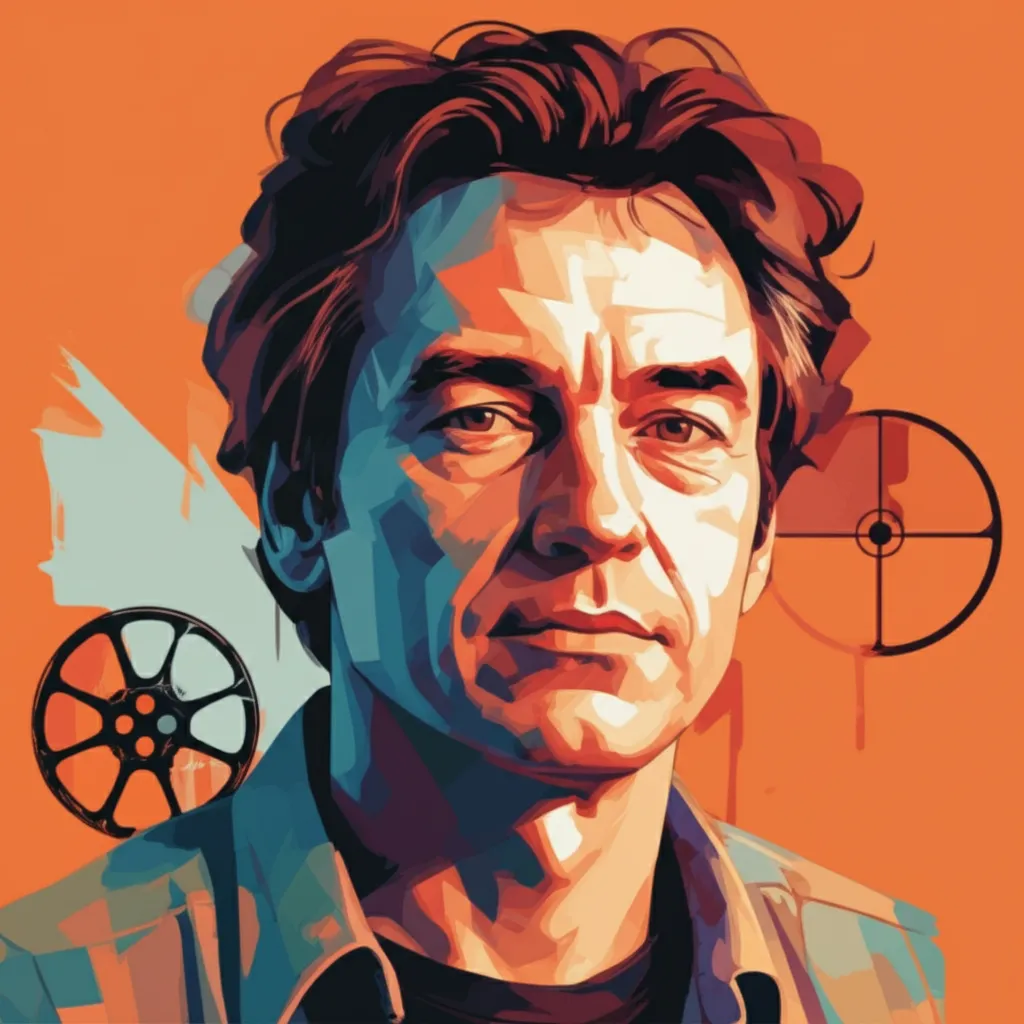
Gus Van Sant
Gus Van Sant is a visionary American film director known for his unique directorial style and thought-provoking storytelling. With a career spanning several decades, Van Sant has left an indelible mark on the world of cinema with his diverse filmography. He is celebrated for his ability to blend elements of drama, crime, and romance, often delving into complex human emotions and societal issues. His notable films include "Good Will Hunting" (1997), "Milk" (2008), "Drugstore Cowboy" (1989), and "My Own Private Idaho" (1991). Van Sant's directorial style is characterized by his keen eye for capturing authentic human experiences and his ability to evoke raw emotions from his audience. He often explores themes of identity, marginalized communities, and the human condition, infusing his films with a sense of empathy and understanding. His work often features nuanced character studies and explores the complexities of relationships and personal growth. One of Van Sant's most significant contributions to cinema is his bold and unapologetic approach to storytelling, challenging societal norms and shedding light on important social issues. His films often provoke introspection and dialogue, pushing boundaries and encouraging audiences to confront uncomfortable truths. Van Sant's impact on cinema extends beyond his directorial prowess, as he has also championed LGBTQ+ representation in his films, contributing to a more diverse and inclusive industry. Throughout his career, Van Sant has garnered critical acclaim and numerous accolades for his work, solidifying his status as a prolific and influential director in the film industry. His ability to craft compelling narratives and capture the essence of the human experience has left an enduring legacy, inspiring future generations of filmmakers to push artistic boundaries and provoke meaningful conversations through their work. Gus Van Sant's indelible mark on cinema continues to resonate, cementing his status as a visionary director with an unparalleled ability to captivate and challenge audiences.
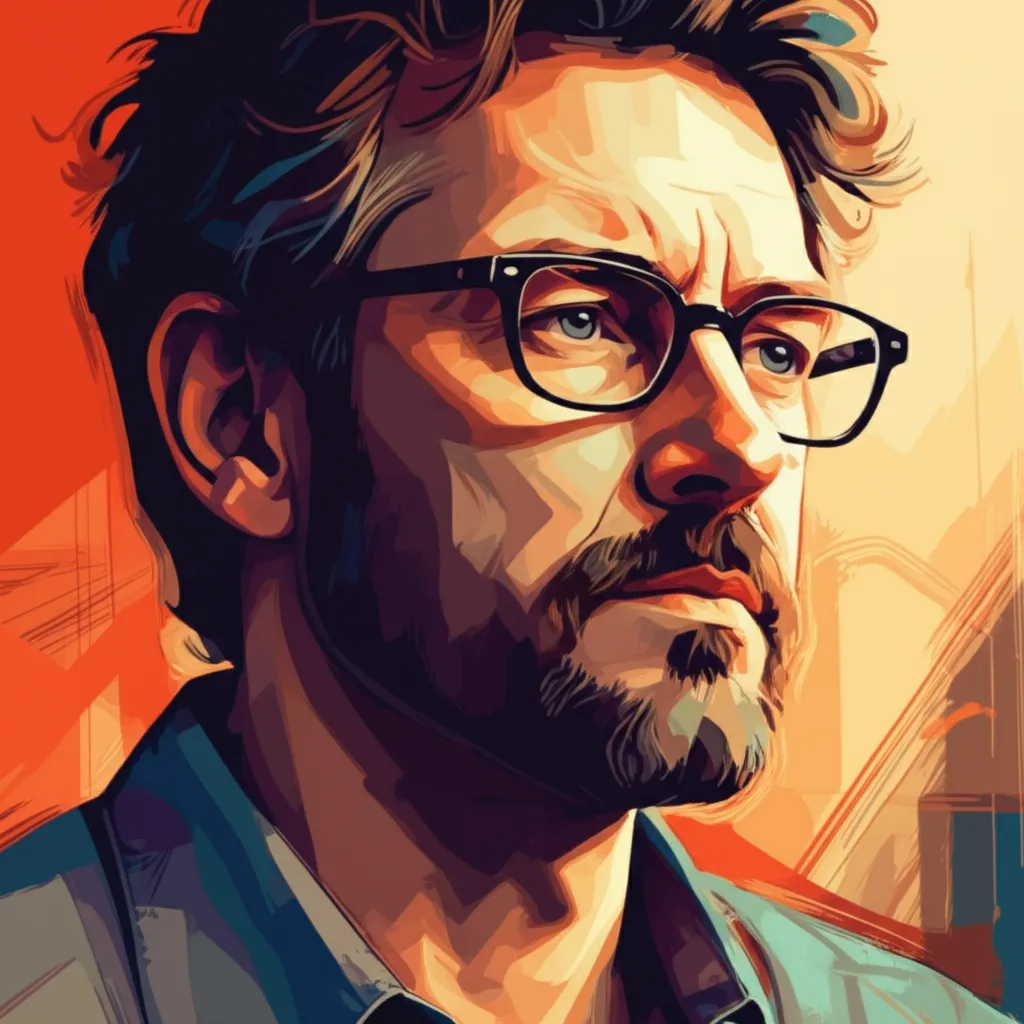
Guy Ferland
Guy Ferland is a versatile film director known for his ability to infuse raw emotion and intensity into his work. With a diverse filmography that spans various genres, Ferland has left an indelible mark on the world of cinema. His notable films include "Dirty Dancing: Havana Nights" (2004) and "Bang Bang You're Dead" (2002), each showcasing his adeptness at capturing the complexities of human relationships and societal issues. Ferland's directorial style is characterized by a keen attention to detail and a talent for drawing out powerful performances from his actors. In "Dirty Dancing: Havana Nights," he skillfully brought to life the vibrant energy of 1950s Cuba, infusing the film with sultry romance and captivating dance sequences. Meanwhile, in "Bang Bang You're Dead," Ferland tackled the sensitive subject of school violence with a deft touch, delving into the psychological turmoil of a troubled teenager. A recurring theme in Ferland's work is the exploration of human emotions and the impact of societal pressures on individuals. His films often delve into the complexities of relationships and the internal struggles faced by his characters, offering audiences a window into the human experience. Ferland's ability to blend compelling storytelling with visual flair has cemented his reputation as a director capable of resonating with audiences on a profound level. Ferland's impact on cinema lies in his knack for crafting immersive narratives that resonate with viewers long after the credits roll. His unique vision and ability to tackle thought-provoking subject matter have earned him a dedicated following. As a director who fearlessly delves into the complexities of the human condition, Ferland continues to leave an indelible mark on the film industry, inspiring audiences and fellow filmmakers alike. In conclusion, Guy Ferland's career as a director is marked by a diverse and impactful body of work that showcases his ability to capture the intricacies of human emotion and societal issues. With his distinct directorial style and a penchant for thought-provoking storytelling, Ferland has solidified his status as a filmmaker capable of crafting compelling narratives that resonate deeply with audiences. His contributions to cinema continue to inspire and captivate, making him a director worth celebrating.