Director Names Starting with E
Showing 85-96 out of 109

Erik White
Erik White is a talented film director known for his distinctive vision and ability to bring characters to life in a way that resonates deeply with audiences. White's career took off with the release of "Lottery Ticket" in 2010, a comedy that showcased his knack for blending humor with genuine human emotion. The film follows the story of a young man who wins the lottery and must navigate the challenges and temptations that come with sudden wealth. White's directorial style in "Lottery Ticket" is characterized by a keen sense of pacing, sharp comedic timing, and an authentic portrayal of the human experience. One of White's notable strengths as a director is his ability to infuse his films with themes that explore the complexities of human relationships and the pursuit of dreams. This is evident in "Lottery Ticket," where the protagonist grapples with the impact of newfound fortune on his relationships and personal integrity. White's films often resonate with audiences due to their relatable characters and situations, as well as his skillful portrayal of the human condition. White's impact on cinema lies in his commitment to crafting narratives that blend humor, heart, and social commentary. His films often serve as a mirror to society, offering insights into the human experience while entertaining audiences with compelling storytelling. White's directorial style has earned him a dedicated following and solidified his reputation as a director who brings a fresh perspective to the screen. In conclusion, Erik White's career as a film director has been defined by his ability to create engaging, heartfelt stories that resonate with audiences. With "Lottery Ticket," he demonstrated his adeptness at crafting comedic narratives with depth and emotional resonance. Through his unique vision and storytelling prowess, White has made a significant impact on cinema, establishing himself as a director to watch in the industry.

Erle C. Kenton
Erle C. Kenton was a prolific American film director known for his contributions to the horror and science fiction genres during the Golden Age of Hollywood. With a career spanning from the silent era to the early 1950s, Kenton's directorial style was marked by a keen sense of visual storytelling and a penchant for tackling macabre and fantastical themes. His most notable film, "Island of Lost Souls" (1932), remains a classic in the horror, film-noir, and sci-fi genres, showcasing Kenton's ability to create a haunting and atmospheric cinematic experience. Kenton's directorial career began during the silent film era, where he honed his craft and transitioned seamlessly into the talkies. His work often delved into the darker realms of human nature, exploring themes of scientific experimentation, moral decay, and the consequences of playing god. "Island of Lost Souls" stands as a testament to Kenton's directorial prowess, as he masterfully brought H.G. Wells' novel "The Island of Dr. Moreau" to life with chilling visuals and a thought-provoking narrative. Throughout his career, Kenton demonstrated a unique ability to blend horror, science fiction, and film-noir elements, creating a signature style that left a lasting impact on the cinematic landscape. His films often featured atmospheric cinematography, evocative lighting, and a sense of foreboding that resonated with audiences. Kenton's influence can be seen in later generations of filmmakers who sought to emulate his ability to evoke visceral emotions through the lens. Erle C. Kenton's legacy as a director is firmly rooted in his contributions to the horror and science fiction genres, solidifying his status as a visionary filmmaker with a penchant for exploring the darker aspects of the human experience. His films continue to captivate audiences and inspire contemporary filmmakers, cementing his place in the annals of cinematic history.

Ernest B. Schoedsack
Ernest B. Schoedsack was a pioneering director in the early days of Hollywood, known for his innovative approach to action, adventure, and horror films. With a career spanning several decades, Schoedsack left an indelible mark on the industry, particularly through his groundbreaking work on "The Most Dangerous Game" (1932). This film, which he co-directed with Irving Pichel, is a testament to Schoedsack's ability to blend suspense, thrills, and breathtaking cinematography to create an enduring classic. Schoedsack's directorial style was characterized by his adeptness at building tension and crafting visually stunning sequences. His keen understanding of pacing and storytelling allowed him to immerse audiences in a world of high-stakes adventure and peril. "The Most Dangerous Game" exemplifies Schoedsack's ability to elicit visceral reactions from viewers through its intense action and atmospheric horror elements, setting a standard for subsequent filmmakers in the genre. In addition to "The Most Dangerous Game," Schoedsack is also known for his collaboration with Merian C. Cooper on the seminal monster film "King Kong" (1933). This iconic work further solidified Schoedsack's reputation as a director capable of bringing larger-than-life spectacles to the screen. His visionary approach to filmmaking, combined with a penchant for pushing the boundaries of special effects, laid the groundwork for the evolution of the fantasy and adventure genres. Throughout his career, Schoedsack's films often explored themes of survival, human resilience, and the juxtaposition of civilization and untamed wilderness. His ability to infuse his narratives with profound philosophical undertones elevated his work beyond mere spectacle, earning him a place among the most influential directors of his time. Schoedsack's impact on cinema continues to resonate, as his innovative techniques and storytelling prowess have left an enduring legacy in the annals of film history. Ernest B. Schoedsack's directorial legacy remains an inspiration for contemporary filmmakers, as his fusion of adventure, suspense, and horror continues to captivate audiences worldwide. Through his pioneering contributions to the cinematic landscape, Schoedsack cemented his status as a visionary director whose innovative spirit and dedication to storytelling continue to shape the art of filmmaking today.
Ernest R. Dickerson
Ernest R. Dickerson is a distinguished film director known for his distinctive visual style and impactful storytelling. With a career spanning several decades, Dickerson has left an indelible mark on the world of cinema through his directorial prowess and innovative approach to filmmaking. Throughout his career, he has consistently demonstrated a keen eye for action, fantasy, and horror, often intertwining these genres to create compelling narratives that captivate audiences. One of Dickerson's most notable films is "Juice" (1992), a gripping action crime drama that marked his directorial debut. The film stands as a testament to his ability to infuse raw intensity and authenticity into his work, setting the stage for a career defined by bold and unapologetic storytelling. "Surviving the Game" (1994) and "Bulletproof" (1996) further solidified Dickerson's reputation as a director with a penchant for high-stakes action and gripping crime narratives. Dickerson's distinct directorial style is characterized by his skillful use of cinematography and visual effects to immerse viewers in a world of heightened tension and emotion. His films often explore themes of survival, betrayal, and the human condition, delving into the complexities of morality and the struggle for redemption. Through his work, Dickerson has consistently pushed the boundaries of traditional genre conventions, infusing his films with a sense of urgency and unpredictability that sets them apart. Ernest R. Dickerson's impact on cinema extends beyond his individual films, as he has contributed to shaping the visual landscape of contemporary filmmaking. His ability to bring a unique and compelling vision to the screen has earned him a dedicated following and solidified his status as a trailblazing director. With an impressive body of work that continues to resonate with audiences, Dickerson remains a seminal figure in the world of action, fantasy, and horror cinema, leaving an enduring legacy that continues to inspire filmmakers and captivate audiences alike.
Ernie Barbarash
Ernie Barbarash is a talented film director known for his diverse body of work spanning various genres. With a keen eye for storytelling and a knack for capturing emotion on screen, Barbarash has left an indelible mark on the world of cinema. One of his notable films, "Christmas Inheritance" (2017), is a heartwarming blend of comedy, drama, and romance that has resonated with audiences, solidifying his reputation as a director capable of evoking genuine human connections on screen. In "Holiday in the Wild" (2019), Barbarash once again showcased his adeptness at crafting compelling narratives within the realm of comedy, drama, and romance. This Netflix original film, set against the picturesque backdrop of Africa, resonated with viewers for its poignant storytelling and memorable characters. Additionally, Barbarash's foray into the sci-fi genre with "Cube Zero" (2004) further exemplifies his versatility as a director, as he skillfully navigated the complexities of the genre, delivering a captivating blend of drama and mystery. Barbarash's directorial prowess is further evident in "Assassination Games" (2011), an action-packed thriller that seamlessly weaves together elements of crime and drama. His ability to infuse high-octane sequences with compelling character dynamics has solidified his status as a director with a keen understanding of diverse storytelling techniques. Throughout his career, Barbarash has demonstrated a commitment to exploring a wide range of themes and genres, showcasing his versatility and adaptability as a director. His films often delve into the complexities of human relationships, while also offering thought-provoking commentary on societal issues. With a portfolio that spans heartwarming holiday tales, gripping action thrillers, and enigmatic sci-fi narratives, Barbarash has proven himself to be a director capable of captivating audiences across various genres. Ernie Barbarash's contributions to cinema have not only enriched the medium with his unique directorial style but have also left an enduring impact on audiences worldwide. His ability to breathe life into diverse genres and craft narratives that resonate with viewers speaks to his visionary approach to storytelling. As a director, Barbarash continues to captivate audiences with his compelling narratives and has undoubtedly secured his place as a revered figure in the world of filmmaking.
Ernst Lubitsch
Ernst Lubitsch was a pioneering German-born film director whose influential career spanned from the silent era to the Golden Age of Hollywood. Known for his sophisticated comedic touch and graceful storytelling, Lubitsch's films continue to enchant audiences with their timeless wit and charm. His directorial style, often referred to as the "Lubitsch touch," is characterized by its subtle yet incisive humor, elegant visual style, and insightful exploration of human relationships. Lubitsch's filmography boasts an impressive array of enduring classics, including "Ninotchka" (1939), a sparkling comedy that cleverly combines romance and political satire, and "To Be or Not to Be" (1942), a daring and darkly comedic portrayal of life under Nazi occupation. His earlier works such as "Trouble in Paradise" (1932) and "The Shop Around the Corner" (1940) also showcase his adeptness at blending comedy, romance, and drama with a touch of sophistication and irony. These films not only exemplify Lubitsch's distinctive directorial approach but also demonstrate his ability to navigate complex themes with finesse and subtlety. Throughout his career, Lubitsch explored recurring themes such as love, class dynamics, and the absurdities of human behavior, often with a keen eye for social commentary. His films were celebrated for their witty dialogue, meticulous attention to detail, and innovative storytelling techniques, which left an indelible mark on the history of cinema. Lubitsch's impact on the film industry is undeniable, as his influence can be observed in the works of countless filmmakers who followed in his footsteps, from Billy Wilder to Woody Allen. Ernst Lubitsch's legacy as a director is defined by his unparalleled ability to infuse his films with sophistication, humor, and emotional depth, creating a signature style that continues to captivate audiences and inspire filmmakers to this day. His enduring contributions to the art of cinema have solidified his position as a visionary director whose work transcends time and remains an essential part of film history.
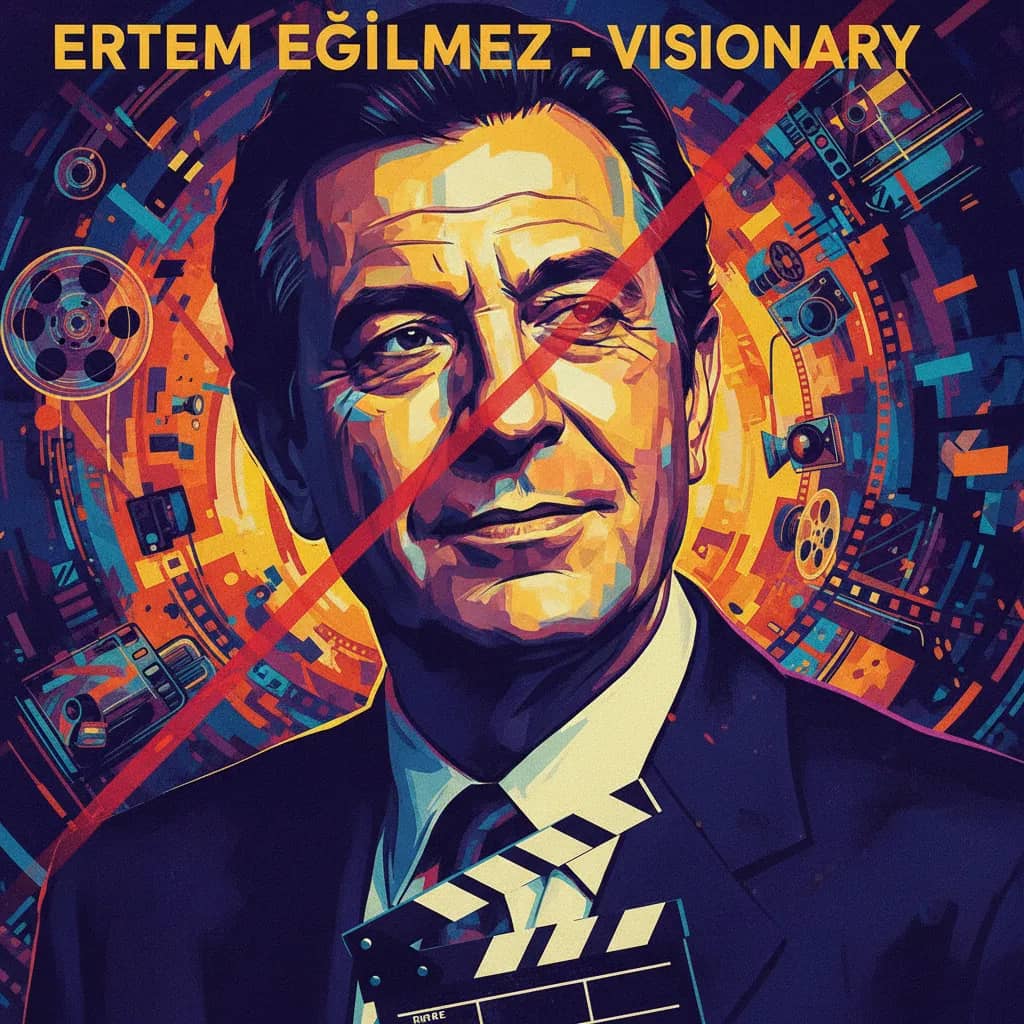
Ertem Egilmez
Ertem Egilmez was a prolific and influential Turkish film director known for his comedic and adventurous storytelling. With a career spanning over two decades, Egilmez left an indelible mark on Turkish cinema with his unique directorial style and a string of memorable films. His notable works include "The Chaos Class Failed the Class" (1975), "From the Village to the City" (1974), "The Chaos Class Is Waking Up" (1976), "Saban, Son of Saban" (1977), and "The Chaos Class Is on Vacation" (1977). Egilmez's directorial style was characterized by a perfect blend of comedy, adventure, and drama, capturing the essence of Turkish society with a keen eye for human nuances and cultural idiosyncrasies. His films often revolved around relatable and endearing characters navigating through comical and chaotic situations, resonating with audiences across generations. Egilmez's penchant for infusing humor with social commentary and emotional depth set him apart as a visionary director with a distinct storytelling flair. One of Egilmez's most enduring contributions to cinema was the creation of the beloved "Chaos Class" series, which became a cultural phenomenon in Turkey. The series, including "The Chaos Class" (1975) and its sequels, showcased Egilmez's ability to capture the universal experiences of adolescence, friendship, and mischief, earning a special place in the hearts of audiences. His films often depicted the transition from rural to urban life, exploring the clash of traditional values with modernity, and the bittersweet experiences of cultural displacement. Ertem Egilmez's impact on Turkish cinema cannot be overstated, as his films continue to be celebrated for their timeless humor, heartfelt storytelling, and cultural significance. His legacy as a director who masterfully crafted entertaining and thought-provoking narratives endures, inspiring future filmmakers and captivating audiences with the enduring charm of his cinematic works.
Eshom Nelms
Eshom Nelms is a visionary film director renowned for his distinctive blend of gritty crime drama and dark humor. With an impressive filmography that includes "Small Town Crime" (2017) and "Fatman" (2020), Nelms has carved a niche for himself in the industry with his unique directorial style and compelling storytelling. His films often explore the complexities of human nature, delving into the underbelly of society while infusing each narrative with a touch of offbeat comedy. "Small Town Crime" marked Nelms' breakthrough as a director, showcasing his penchant for crafting suspenseful crime thrillers with a strong focus on character development. The film garnered critical acclaim for its gripping storyline and nuanced portrayal of flawed yet compelling protagonists, establishing Nelms as a director with a keen eye for detail and an ability to elicit powerful performances from his cast. In "Fatman," Nelms further demonstrated his versatility by venturing into the action-comedy genre, delivering a refreshingly unconventional take on the classic holiday movie. The film's darkly comedic elements, coupled with its high-stakes action sequences, underscore Nelms' ability to subvert genre expectations and infuse his work with a distinct, edgy flair. Nelms' directorial style is characterized by his skillful manipulation of tone, seamlessly blending tension and levity to create immersive cinematic experiences. His films often delve into the complexities of human morality, presenting audiences with morally ambiguous characters navigating compelling narratives rife with unexpected twists and turns. Nelms' impact on cinema lies in his ability to breathe new life into established genres, infusing them with his signature brand of dark humor and unflinching storytelling. His films have resonated with audiences and critics alike, cementing his status as a director to watch in the industry. As Eshom Nelms continues to push the boundaries of storytelling, his unique vision and unwavering dedication to his craft are sure to leave an indelible mark on the world of cinema.
Espen Sandberg
Espen Sandberg is a Norwegian film director known for his distinct visual style and remarkable storytelling abilities. With a diverse filmography spanning various genres, Sandberg has left an indelible mark on the world of cinema. He first gained international attention with his critically acclaimed film "Kon-Tiki" (2012), an enthralling action-adventure biopic that chronicled the daring expedition of explorer Thor Heyerdahl across the Pacific Ocean on a balsa wood raft. This film showcased Sandberg's adeptness at capturing breathtaking visuals and intense sequences, solidifying his reputation as a director with a keen eye for immersive storytelling. In 2017, Sandberg ventured into the realm of big-budget Hollywood blockbusters with "Pirates of the Caribbean: Dead Men Tell No Tales." His directorial prowess was on full display in this action-packed fantasy film, as he skillfully navigated the intricate world of swashbuckling pirates and supernatural curses. Sandberg's ability to infuse larger-than-life spectacle with emotional depth and character-driven narratives shone through in this installment of the beloved franchise, earning him further accolades in the industry. Sandberg's directorial style is characterized by his knack for seamlessly blending high-octane action with compelling human drama, a skill that was prominently showcased in the Western comedy "Bandidas" (2006) and the gripping biographical war drama "Max Manus: Man of War" (2008). His films often explore themes of adventure, resilience, and the triumph of the human spirit, resonating with audiences on a visceral level. With a keen understanding of visual storytelling and a penchant for crafting gripping narratives, Espen Sandberg continues to make a significant impact on the cinematic landscape. His ability to transport audiences to captivating worlds while grounding his stories in authentic emotions sets him apart as a visionary director. As he continues to explore new creative horizons, Sandberg's unique vision and contributions to film are sure to leave an enduring legacy in the industry.
Etan Cohen
Etan Cohen is a talented film director known for his work in the comedy and crime genres. With a career spanning over two decades, Cohen has made a significant impact on cinema with his unique directorial style and storytelling prowess. He is best known for his directorial debut, "Get Hard" (2015), a comedy film that garnered attention for its sharp humor and satirical take on the American justice system. Cohen's directorial style is characterized by his ability to infuse humor with social commentary, often tackling complex and timely issues within the framework of comedy. His films are known for their witty dialogue, clever satire, and strong character development. As a director, Cohen has a keen eye for blending comedic elements with compelling narratives, creating a distinct and memorable movie-watching experience. "Get Hard" stands as a testament to Cohen's directorial vision, showcasing his ability to navigate the nuances of the crime genre while infusing the film with his signature comedic touch. The movie's success solidified Cohen's position as a director capable of delivering entertaining and thought-provoking cinema. Throughout his career, Cohen has explored themes of societal inequality, personal redemption, and the absurdity of modern life, all while maintaining a lighthearted and comedic tone. His films often serve as a mirror to contemporary society, offering audiences a fresh perspective through the lens of humor and satire. Etan Cohen's contributions to the film industry have left an indelible mark, earning him a reputation as a director with a distinct voice and a knack for crafting compelling narratives within the comedy and crime genres. As he continues to expand his body of work, audiences can anticipate more thought-provoking and entertaining films that reflect Cohen's unique directorial vision and storytelling prowess.
Ethan Coen
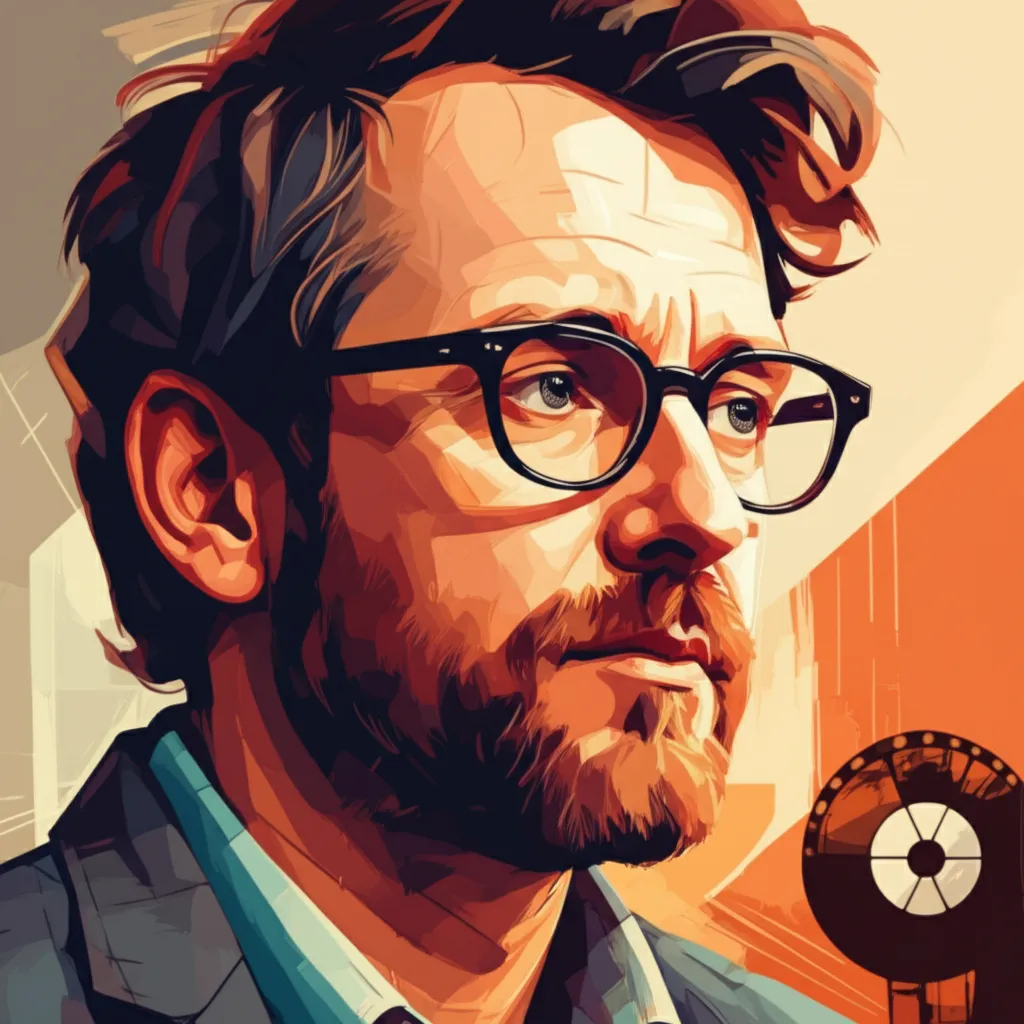
Ethan Coen, one half of the renowned Coen Brothers duo, has left an indelible mark on the film industry through his unique directorial style and impactful storytelling. With a filmography spanning over three decades, Coen has consistently delivered films that blend genres, showcase dark humor, and delve into the complexities of human nature. Notable works include "No Country for Old Men" (2007), a gripping crime thriller that earned critical acclaim and multiple Academy Awards, and "The Big Lebowski" (1998), a cult classic that has become a cultural phenomenon. Coen's directorial style is characterized by his meticulous attention to detail, sharp dialogue, and an uncanny ability to infuse mundane situations with dark, absurdist humor. His films often explore themes of morality, fate, and the human condition, presenting a nuanced and often bleak portrayal of society. With a penchant for weaving intricate narratives and creating memorable, multifaceted characters, Coen has established himself as a master storyteller with an unparalleled vision. Throughout his career, Coen has collaborated with a roster of talented actors and crew members, fostering a distinct visual and narrative aesthetic that has resonated with audiences worldwide. His films traverse various genres, from crime dramas like "Fargo" (1996) to offbeat comedies like "Raising Arizona" (1987), showcasing his versatility and storytelling prowess. Coen's impact on cinema extends beyond his directorial achievements, as his films have influenced a new generation of filmmakers and continue to be celebrated for their originality and lasting cultural relevance. In conclusion, Ethan Coen's directorial career is a testament to his unparalleled creativity, innovative storytelling, and profound impact on the cinematic landscape. With an impressive body of work that defies categorization and continues to captivate audiences, Coen remains a visionary director whose contributions to film will be celebrated for generations to come.

Ethan Maniquis
Ethan Maniquis is a prominent figure in the film industry, best known for his directorial debut with the action-packed thriller "Machete" in 2010. Born in the United States, Maniquis began his career as an editor and quickly made a name for himself in the industry. His directorial style is characterized by a bold and visceral approach, often combining elements of action, crime, and thriller genres to create captivating and adrenaline-fueled cinematic experiences. "Machete" stands as a testament to Maniquis's directorial prowess, as he partnered with renowned filmmaker Robert Rodriguez to bring the iconic character to life. The film received widespread acclaim for its stylized action sequences, gritty storytelling, and unapologetic portrayal of the protagonist. Maniquis demonstrated a keen ability to infuse his work with a distinct visual flair and an uncompromising commitment to storytelling, solidifying his status as a director to watch. Throughout his career, Maniquis has exhibited a penchant for exploring themes of justice, retribution, and the complexities of morality within his films. His directorial vision often delves into the darker aspects of human nature, offering audiences a raw and unfiltered portrayal of the world. This approach has resonated with fans and critics alike, further cementing his reputation as a director with a unique perspective and a bold creative voice. Maniquis's impact on cinema extends beyond his individual projects, as he has contributed to shaping the landscape of modern action cinema. His work serves as a testament to the enduring power of the genre, captivating audiences with its adrenaline-pumping thrills and thought-provoking narratives. As Maniquis continues to make his mark on the industry, his influence will undoubtedly continue to reverberate through the world of film, inspiring future generations of filmmakers to push the boundaries of storytelling and visual artistry.