Director Names Starting with A
Showing 97-108 out of 342

Albert Magnoli
Albert Magnoli is an American film director best known for his iconic work on the 1984 cult classic "Purple Rain." Born in the Bronx, New York, Magnoli burst onto the Hollywood scene with his directorial debut, which not only showcased his exceptional talent but also left an indelible mark on the music and film industries. "Purple Rain" stands as a testament to Magnoli's directorial prowess, combining elements of drama, music, and romance to create a visually stunning and emotionally compelling masterpiece. Magnoli expertly captured the electrifying performances of the legendary musician Prince, infusing the film with a raw, unapologetic energy that resonated with audiences worldwide. His keen eye for storytelling and innovative approach to filmmaking cemented his reputation as a visionary director. Throughout his career, Magnoli has demonstrated a penchant for exploring the complexities of human emotions and relationships, often delving into themes of love, passion, and self-discovery. His ability to infuse his films with a sense of authenticity and depth has garnered him widespread acclaim and admiration from both critics and audiences alike. While "Purple Rain" remains Magnoli's most celebrated work, its enduring impact on popular culture cannot be overstated. The film not only catapulted Prince to superstardom but also solidified Magnoli's status as a trailblazing director who redefined the boundaries of music-centric cinema. In conclusion, Albert Magnoli's directorial career is a testament to his unparalleled talent and innovative spirit. His groundbreaking work on "Purple Rain" continues to inspire filmmakers and audiences, solidifying his legacy as a visionary director who forever changed the landscape of music-driven cinema.

Alberto Cavalcanti
Alberto Cavalcanti was a pioneering Brazilian film director known for his innovative contributions to the world of cinema. Born in 1897, Cavalcanti began his career as a filmmaker in his native Brazil before venturing to Europe and making a significant impact on the British film industry. His directorial style was characterized by a keen sense of visual storytelling and a deep understanding of the human psyche, which he skillfully translated onto the silver screen. One of Cavalcanti's most renowned works is the influential horror anthology film "Dead of Night" (1945), which showcased his ability to blend elements of drama and horror to create a truly haunting and memorable cinematic experience. The film, consisting of several interconnected supernatural tales, demonstrated Cavalcanti's mastery in creating an atmosphere of suspense and unease, leaving an indelible mark on the horror genre and inspiring future filmmakers. Throughout his career, Cavalcanti often explored recurring themes such as the complexities of human nature, the supernatural, and the blurred lines between reality and the unknown. His ability to delve into the darker aspects of the human psyche while maintaining a strong narrative structure set him apart as a visionary director with a unique perspective on storytelling. Cavalcanti's impact on cinema extended beyond his directorial work, as he also made significant contributions to the development of documentary filmmaking, experimenting with innovative techniques to depict reality on screen. His influence can be seen in the works of later filmmakers who were inspired by his groundbreaking approach to storytelling and visual composition. Alberto Cavalcanti's legacy as a director continues to resonate in the world of cinema, with his innovative techniques and thought-provoking themes serving as a testament to his enduring impact on the art of filmmaking. His ability to push boundaries and challenge traditional storytelling conventions has solidified his place as a visionary director whose work will continue to inspire and captivate audiences for generations to come.
Alberto Rodríguez
Alberto Rodríguez is a renowned Spanish film director celebrated for his compelling storytelling, visually striking cinematography, and masterful command of the crime genre. With a career spanning over two decades, Rodríguez has established himself as a leading figure in contemporary Spanish cinema. His filmography boasts a diverse range of works, with one of his most notable achievements being the critically acclaimed thriller "Marshland" (2014). "Marshland" is a riveting crime drama set in the Andalusian marshlands during the 1980s, where two detectives investigate a series of brutal murders. Rodríguez's directorial prowess is evident in his meticulous attention to detail, atmospheric visuals, and the taut, suspenseful narrative that keeps audiences on the edge of their seats. The film's success catapulted Rodríguez to international acclaim, earning numerous accolades and establishing him as a formidable talent in the realm of crime cinema. Rodríguez's directorial style is characterized by a deft blend of gritty realism and hauntingly beautiful imagery, capturing the essence of his characters' inner turmoil and the atmospheric backdrop of his narratives. His films often delve into themes of moral ambiguity, human nature, and societal issues, painting a vivid portrait of the human condition within the framework of crime and mystery. In addition to "Marshland," Rodríguez has demonstrated his versatility and storytelling prowess across a diverse array of projects, solidifying his reputation as a director with a keen eye for evocative storytelling and arresting visuals. His body of work has left an indelible mark on the cinematic landscape, influencing a new generation of filmmakers and captivating audiences with his compelling narratives and visual artistry. Alberto Rodríguez's contributions to cinema have been nothing short of transformative, elevating the crime genre to new heights and inspiring a renaissance of Spanish filmmaking. With his distinct directorial voice and unwavering commitment to crafting immersive, emotionally resonant narratives, Rodríguez continues to be a trailblazing force in the world of film, leaving an enduring legacy that will undoubtedly shape the future of cinematic storytelling.

Albert Pyun
Albert Pyun is a prolific American film director known for his work in the action, sci-fi, and thriller genres. With a career spanning over four decades, Pyun has left an indelible mark on cinema with his unique vision and directorial style. His most notable film, "Cyborg" (1989), has solidified his status as a cult favorite in the sci-fi and action film community. Pyun's directorial style is characterized by his ability to blend high-octane action sequences with thought-provoking science fiction elements. His films often feature dystopian settings, futuristic landscapes, and complex characters navigating through moral dilemmas. Pyun's distinctive visual aesthetic and penchant for exploring existential themes have earned him a dedicated fan base. "Cyborg" (1989) remains Pyun's most iconic work, showcasing his prowess in creating a post-apocalyptic world filled with relentless action and captivating storytelling. The film's success cemented Pyun's reputation as a director capable of delivering adrenaline-pumping entertainment with a cerebral edge. "Cyborg" has since become a cult classic, revered for its innovative approach to the sci-fi genre and its enduring influence on subsequent filmmakers. Throughout his career, Pyun has exhibited a recurring fascination with human resilience, the impact of technology on society, and the blurred lines between humanity and machinery. His films often delve into the complexities of human nature, pushing the boundaries of traditional genre conventions and challenging audiences to reevaluate their perceptions of the world. Albert Pyun's impact on cinema extends beyond his filmography, as he continues to inspire aspiring filmmakers with his uncompromising dedication to storytelling and visual innovation. His ability to infuse genre films with philosophical undertones has solidified his status as a visionary director whose work transcends the limitations of traditional action and sci-fi cinema. Pyun's legacy as a maverick filmmaker remains unparalleled, and his contributions to the art of storytelling continue to resonate with audiences worldwide.
Albert Uderzo
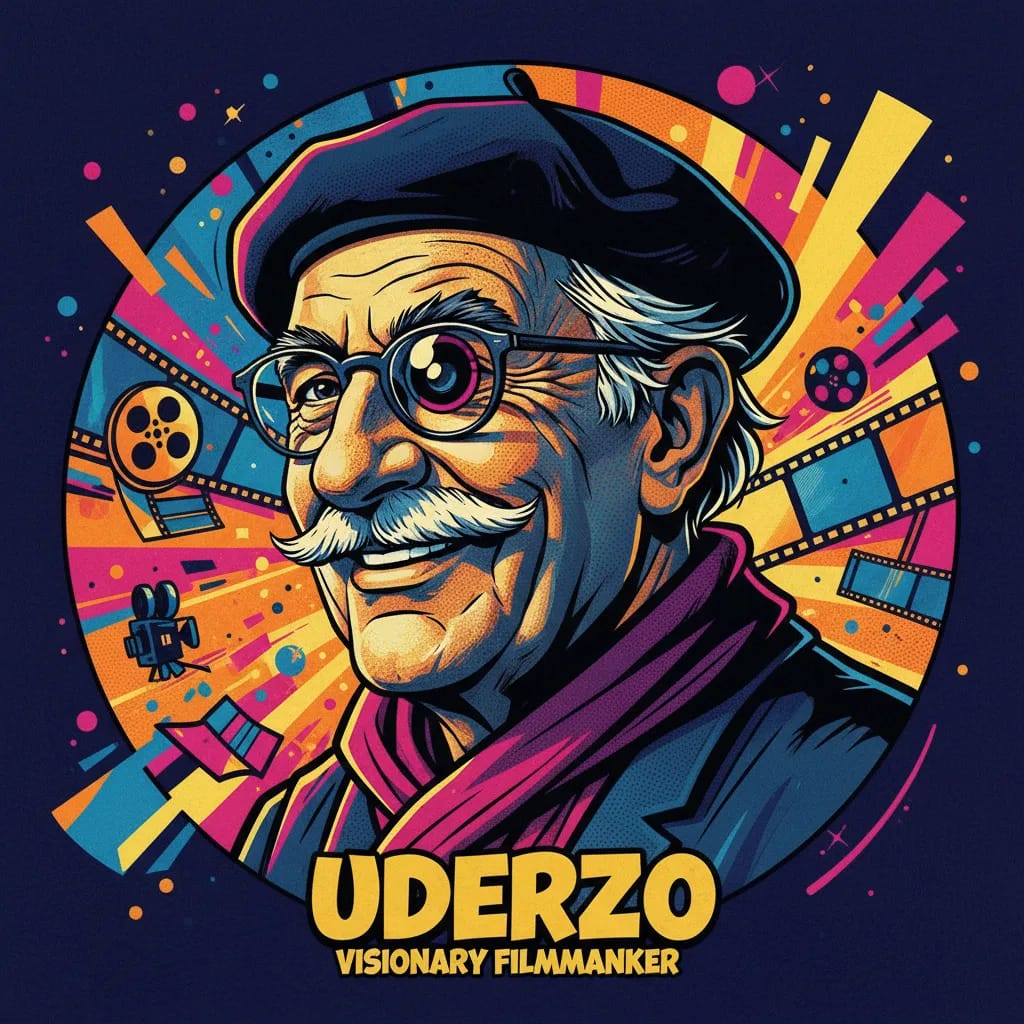
Albert Uderzo is best known for his work as a French comic book artist and co-creator of the beloved "Asterix" series, which has had a significant impact on the world of animation and cinema. Uderzo made his directorial debut with "Asterix the Gaul" in 1967, a charming and humorous animated adaptation of his own comic. This marked the beginning of his influential career as a director in the world of animation, with his unique vision and storytelling abilities shining through in each of his films. In 1968, Uderzo directed "Asterix and Cleopatra," another successful adaptation of the "Asterix" comics, showcasing his ability to bring beloved characters to life on the big screen while staying true to the source material. This film further solidified Uderzo's reputation as a director with a keen eye for visual storytelling and a deep understanding of the characters he helped create. One of Uderzo's most notable directorial achievements came in 1976 with "The Twelve Tasks of Asterix," a delightful blend of animation, adventure, and comedy that captivated audiences around the world. Uderzo's directorial style is characterized by his ability to infuse his films with humor, wit, and heart, making them enjoyable for audiences of all ages. Throughout his career, Uderzo's recurring themes have centered around the spirit of adventure, friendship, and the triumph of the underdog, all of which have resonated with audiences and contributed to the enduring popularity of his works. His impact on cinema can be seen in the timeless appeal of the "Asterix" series, which continues to entertain and inspire new generations of viewers. In conclusion, Albert Uderzo's contributions to the world of animation and cinema are immeasurable. His unique directorial vision and his ability to bring beloved characters to life on the big screen have left an indelible mark on the industry. Uderzo's films continue to be cherished by audiences worldwide, and his legacy as a director and co-creator of the "Asterix" series will undoubtedly endure for generations to come.

Alec Berg
Alec Berg is an accomplished director known for his work in the comedy genre, with notable films such as "EuroTrip" (2004) under his belt. With a keen sense of humor and a knack for storytelling, Berg has made a significant impact on the film industry with his unique directorial style. Berg's directorial style is characterized by sharp wit, cleverly crafted comedic moments, and a penchant for creating relatable characters in outlandish situations. His films often feature a mix of slapstick humor and intelligent comedic dialogue, showcasing his ability to entertain audiences while also delivering thought-provoking themes. In "EuroTrip," Berg's directorial prowess shines through as he navigates the coming-of-age comedy with a blend of absurd humor and heartfelt moments. The film's success is a testament to Berg's skill in balancing comedic elements with poignant storytelling, making it a beloved cult classic among audiences. Throughout his career, Berg has demonstrated a recurring theme of embracing the absurdities of life and finding humor in unexpected places. His films often explore the universal experiences of friendship, love, and self-discovery, resonating with audiences on a personal level while eliciting laughter and joy. Berg's impact on cinema lies in his ability to infuse comedy with heart, creating films that leave a lasting impression on viewers. His distinct directorial voice has cemented him as a visionary in the comedy genre, inspiring a new generation of filmmakers to explore the boundaries of humor and storytelling. In conclusion, Alec Berg's directorial career is marked by a commitment to crafting memorable comedic experiences that resonate with audiences. With his unique vision and knack for blending humor with sincerity, Berg has solidified his place as a respected director in the film industry, leaving behind a legacy of laughter and heartwarming storytelling.
Alejandro Agresti
Alejandro Agresti is a distinguished Argentine film director known for his unique storytelling and visual style. With a career spanning several decades, Agresti has left an indelible mark on cinema with his thought-provoking narratives and visually captivating films. One of his most notable works is "The Lake House" (2006), a poignant drama that seamlessly blends elements of fantasy and romance, showcasing Agresti's ability to create emotionally resonant stories with a touch of magical realism. Agresti's directorial style is characterized by his meticulous attention to detail and the ability to evoke profound emotions from his audience. His films often explore the complexities of human relationships and the passage of time, with a keen focus on the intertwining of fate and destiny. "The Lake House" exemplifies Agresti's penchant for crafting deeply romantic and ethereal narratives, with a storyline that transcends conventional temporal boundaries, leaving a lasting impact on viewers. Throughout his career, Agresti has demonstrated a recurring theme of longing, connection, and the transcendent power of love, all woven into the fabric of his storytelling. His films are marked by a sense of poetic lyricism and a profound exploration of the human experience, resonating with audiences on a deeply emotional level. Agresti's visionary approach to filmmaking has positioned him as a master of creating immersive cinematic experiences that linger in the hearts and minds of viewers long after the credits roll. In the realm of cinema, Agresti's contributions have been significant, as he continues to push the boundaries of storytelling and visual artistry. His ability to infuse his films with a sense of wonder and emotional depth has solidified his reputation as a director with a unique and compelling vision. With "The Lake House," Agresti has proven himself as a director capable of delivering compelling narratives that transcend the constraints of time and space, cementing his status as a visionary filmmaker with an enduring impact on the world of cinema.

Alejandro Amenábar
Alejandro Amenábar is a highly acclaimed Spanish film director known for his unique storytelling style, captivating visuals, and thought-provoking themes. His diverse filmography includes a wide range of genres, from psychological dramas to historical epics and supernatural thrillers. Amenábar made his directorial debut with "Thesis" in 1996, a gripping crime and horror film that immediately established him as a promising talent in the industry. His international breakthrough came with "Open Your Eyes" (1997), a mesmerizing blend of drama, mystery, and sci-fi that garnered widespread critical acclaim and showcased his ability to craft compelling narratives with mind-bending twists. One of Amenábar's most iconic works is "The Others" (2001), a haunting horror film that masterfully combines atmospheric tension with psychological depth. The film's atmospheric cinematography and intricate storytelling solidified Amenábar's reputation as a visionary director with a keen understanding of the human psyche. His directorial prowess was further showcased in "The Sea Inside" (2004), a poignant biographical drama that earned widespread praise for its emotional depth and powerful performances. Amenábar's ability to sensitively portray complex characters and tackle profound philosophical questions has consistently resonated with audiences and critics alike. A recurring theme in Amenábar's films is the exploration of identity, reality, and the human condition, often delving into the blurred boundaries between dreams and reality. His visually striking storytelling and meticulous attention to detail have left an indelible mark on cinema, inspiring numerous filmmakers and captivating audiences worldwide. In "Agora" (2009), Amenábar ventured into historical epic territory, delivering a visually stunning portrayal of ancient Alexandria while addressing timeless themes of knowledge, power, and religious intolerance. His more recent work, such as "Regression" (2015), continues to demonstrate his ability to craft compelling narratives that challenge perceptions and provoke introspection. Amenábar's impact on cinema extends beyond his directorial achievements, as he has consistently pushed the boundaries of storytelling and visual aesthetics. His ability to seamlessly navigate between different genres while maintaining a distinct directorial voice has solidified his status as a visionary filmmaker. With a penchant for crafting emotionally resonant stories and thought-provoking narratives, Alejandro Amenábar continues to be a driving force in the world of cinema, inspiring both audiences and aspiring filmmakers with his unparalleled creativity and storytelling prowess. Keywords: Alejandro Amenábar, director, filmography, Spanish director,

Alejandro Brugués
Alejandro Brugués is a Cuban film director known for his distinct and innovative approach to filmmaking. His most notable work includes the action-comedy-horror film "Juan of the Dead" (2011), which garnered international acclaim for its unique blend of genres and social commentary. Brugués' directorial style is characterized by a seamless fusion of humor, horror, and action, creating a signature cinematic experience that sets him apart in the industry. "Juan of the Dead" marked Brugués' breakthrough into the international film scene, earning him widespread recognition for his fresh and unconventional storytelling. The film follows a group of friends who, amidst a zombie apocalypse in Havana, start a business to kill the undead. Brugués skillfully utilizes the zombie genre to explore social and political themes, infusing the narrative with wit and satire while maintaining a thrilling and entertaining tone. One of the recurring themes in Brugués' work is his adeptness at blending social commentary with genre elements, effectively engaging audiences with thought-provoking narratives. His films often confront societal issues with a clever and humorous approach, showcasing his ability to use genre conventions as a vehicle for deeper storytelling. This unique approach has solidified Brugués as a visionary director with a keen understanding of the power of cinema as a medium for cultural reflection and critique. Brugués' impact on cinema extends beyond his individual films, as his innovative directorial style has influenced a new wave of filmmakers seeking to push boundaries and challenge traditional genre norms. His ability to infuse humor, horror, and action into a cohesive and compelling narrative has left an indelible mark on the industry, inspiring a reimagining of genre conventions and storytelling techniques. In conclusion, Alejandro Brugués stands as a visionary director whose distinct vision and innovative storytelling have left an indelible mark on the film industry. His ability to seamlessly blend genres, infuse social commentary, and entertain audiences with his unique directorial style has solidified his status as a trailblazer in contemporary cinema. Brugués' impact on the industry continues to resonate, inspiring a new generation of filmmakers to explore the boundaries of genre and storytelling.
Alejandro G. Iñárritu
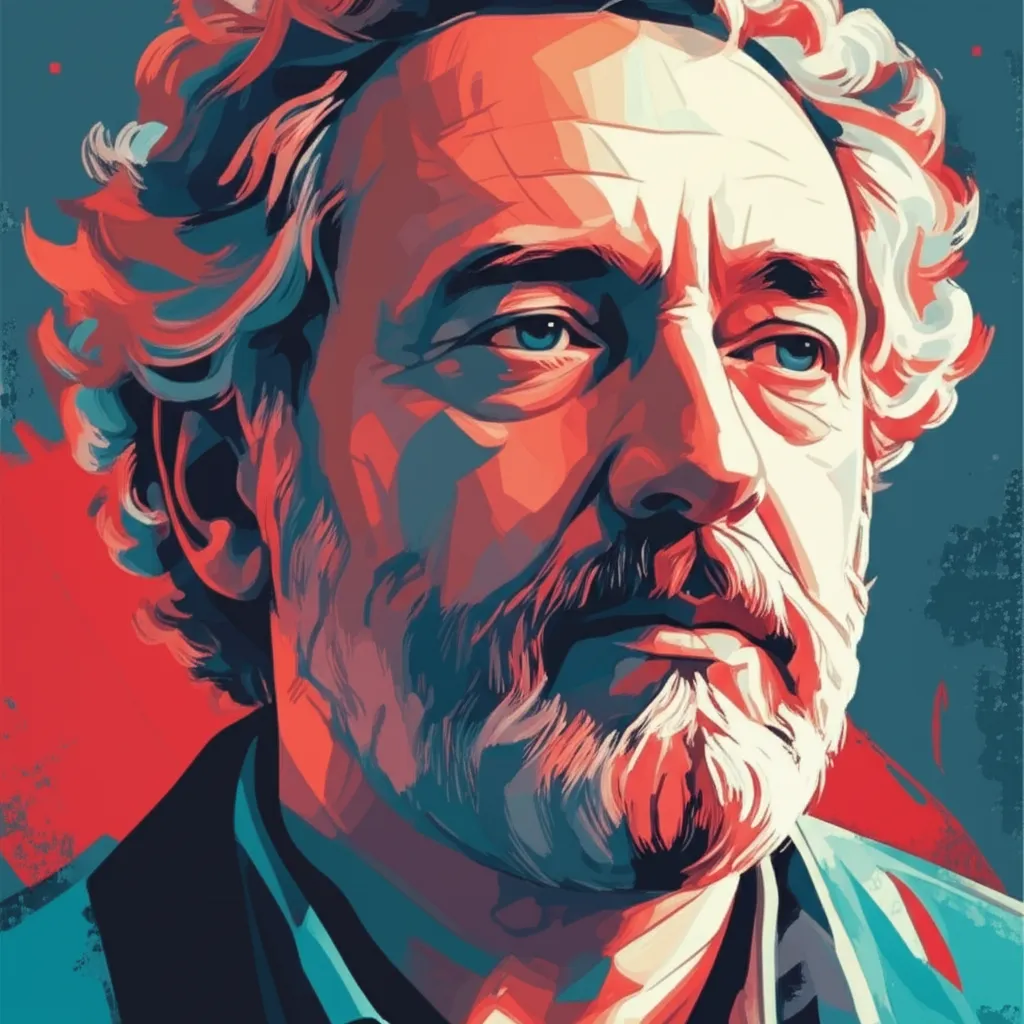
Alejandro G. Iñárritu is a visionary Mexican film director whose unique directorial style and impactful storytelling have solidified his place as one of the most influential directors in contemporary cinema. Known for his visually stunning and emotionally gripping narratives, Iñárritu has left an indelible mark on the film industry with his thought-provoking and deeply moving works. His filmography boasts a diverse range of genres, from intense dramas to riveting thrillers and even compelling comedies, showcasing his versatility and storytelling prowess. One of Iñárritu's most acclaimed films, "Birdman or (The Unexpected Virtue of Ignorance)" (2014), garnered widespread acclaim and swept the Academy Awards with its innovative storytelling and seamless long takes. The film's exploration of the human condition and the pursuit of artistic validation resonated deeply with audiences and critics alike. Another noteworthy addition to his repertoire is "The Revenant" (2015), a visually stunning and visceral epic that earned him an Academy Award for Best Director. Iñárritu's ability to immerse audiences in the raw and untamed beauty of the natural world while delving into the complexities of the human spirit is a testament to his directorial brilliance. Throughout his career, Iñárritu has delved into recurring themes such as human resilience, interconnectedness, and the struggle for survival, often weaving together multiple narratives to create a tapestry of human experiences. His directorial style is characterized by immersive cinematography, intricate storytelling techniques, and a deep exploration of the human psyche. These elements, combined with his unflinching portrayal of the human condition, have cemented his status as a master storyteller. Iñárritu's impact on cinema extends beyond his directorial achievements, as he has redefined the possibilities of visual storytelling and challenged conventional narrative structures. His dedication to pushing the boundaries of filmmaking, coupled with his ability to evoke profound emotional responses from audiences, sets him apart as a true auteur. As the first Mexican director to win the Academy Award for Best Director, Iñárritu has paved the way for a new generation of filmmakers and continues to inspire with his unparalleled creativity and artistry. With his upcoming film "Bardo: False Chronicle of a Handful of Truths" (2022), audiences can anticipate yet another captivating and thought-provoking addition to Iñárritu's extraordinary body of work.
Alejandro Jodorowsky
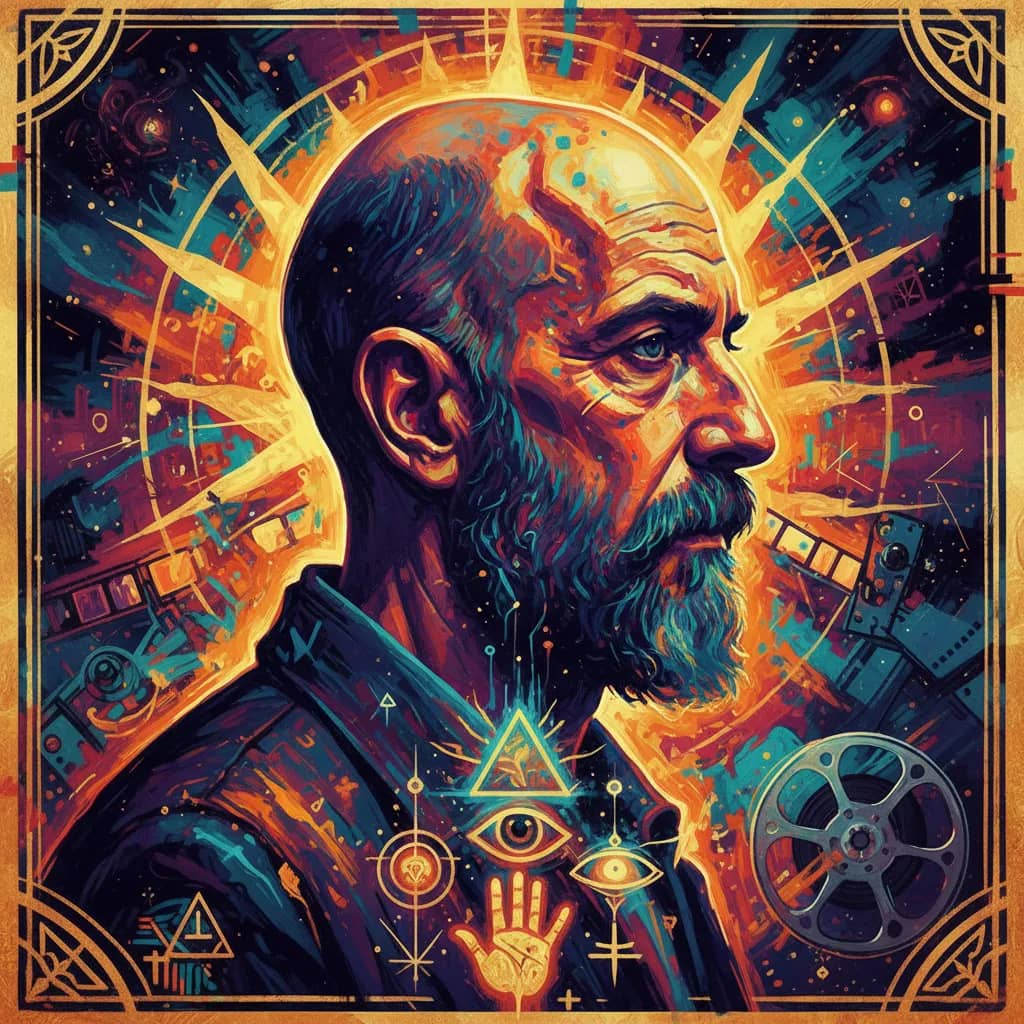
Alejandro Jodorowsky is a Chilean-French director, known for his surreal and avant-garde approach to filmmaking. His career has been marked by a series of groundbreaking and controversial films that have left an indelible mark on the world of cinema. Jodorowsky's directorial style is characterized by a blend of surreal imagery, religious symbolism, and a profound exploration of human consciousness. His work often defies traditional storytelling conventions, opting instead for a more abstract and visually stunning narrative. One of Jodorowsky's most renowned films is "El Topo" (1970), a surreal and visually striking Western that defies genre conventions. The film's exploration of violence, spirituality, and existentialism garnered a cult following and solidified Jodorowsky's reputation as a maverick filmmaker. Another of his notable works is "The Holy Mountain" (1973), a visually stunning and thematically complex film that delves into the spiritual and metaphysical aspects of human existence. "Santa Sangre" (1989) is another standout in Jodorowsky's filmography, blending elements of drama, horror, and thriller to create a haunting and thought-provoking cinematic experience. Throughout his career, Jodorowsky has explored recurring themes such as spirituality, mysticism, and the human condition. His films often confront societal norms and challenge conventional wisdom, pushing the boundaries of what is considered acceptable in cinema. Jodorowsky's impact on cinema is immeasurable, as his fearless approach to storytelling and visual expression has inspired generations of filmmakers and artists. Alejandro Jodorowsky's unique vision and uncompromising dedication to his craft have solidified his status as a visionary director. His films continue to captivate and challenge audiences, cementing his legacy as a true pioneer of avant-garde cinema. Jodorowsky's influence can be seen in the work of contemporary filmmakers who have been inspired by his boundary-pushing approach to storytelling and visual artistry.
Alejandro Landes
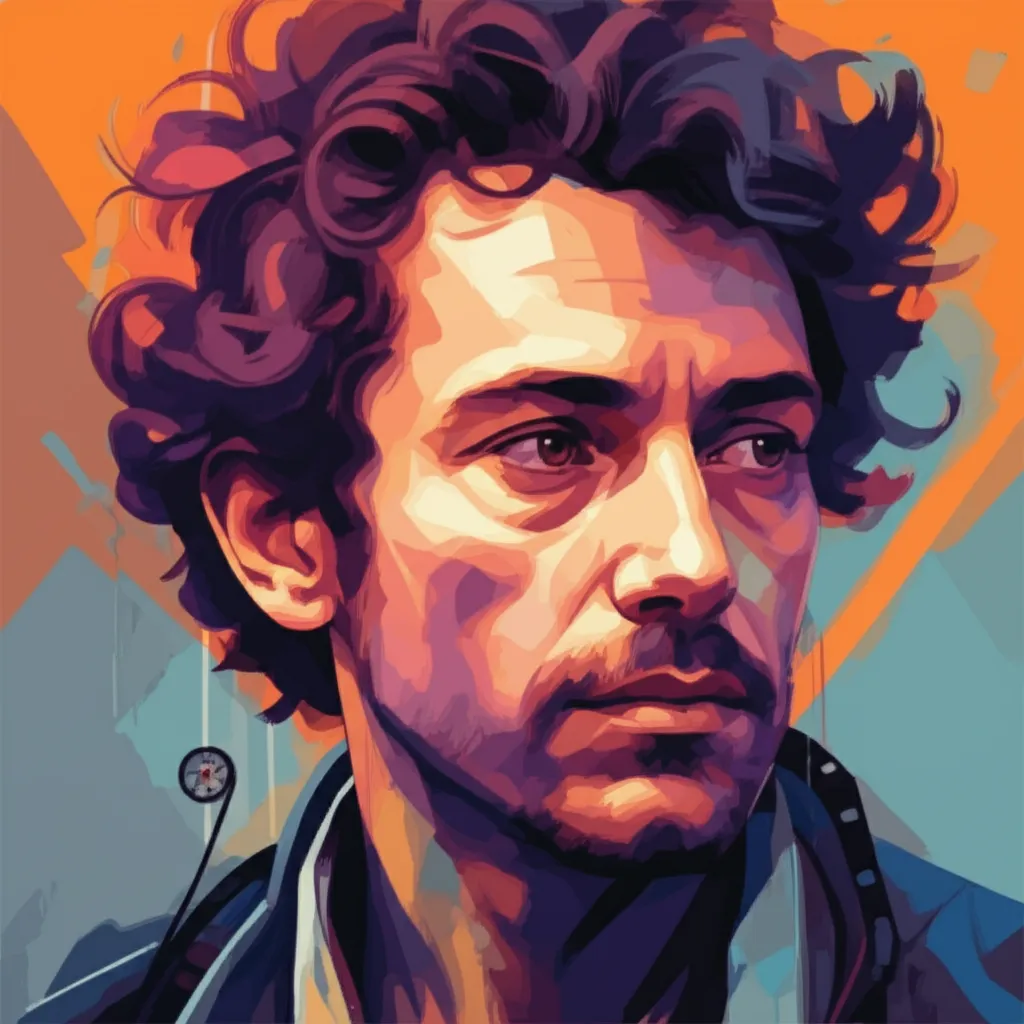
Alejandro Landes is a visionary director known for his unique storytelling and visually stunning films. Born in Brazil and raised in Ecuador and Colombia, Landes brings a diverse cultural perspective to his work. His breakout film, "Monos" (2019), garnered critical acclaim and solidified Landes as an influential voice in contemporary cinema. The film, set in a remote mountaintop, follows a group of teenage commandos who are part of a shadowy paramilitary force. Landes expertly weaves together elements of adventure, drama, and thriller, creating a visceral and immersive experience for audiences. Landes' directorial style is characterized by his ability to capture raw and intense emotions on screen, often juxtaposed against breathtaking natural landscapes. He has a keen eye for cinematography, using wide shots and long takes to draw viewers into the world of his characters. His films are known for their atmospheric tension and gripping storytelling, keeping audiences on the edge of their seats from start to finish. One of Landes' recurring themes is the exploration of power dynamics and the human condition in extreme situations. His characters are often pushed to their limits, grappling with moral ambiguity and the consequences of their actions. Landes' films delve into the complexities of human nature, offering thought-provoking insights into the darker aspects of society and the human psyche. In the realm of contemporary cinema, Landes has made a significant impact with his bold and uncompromising approach to storytelling. His work has garnered international attention, earning accolades at major film festivals and capturing the imagination of audiences worldwide. Landes' contribution to the film industry lies in his ability to push boundaries and challenge conventional narratives, establishing himself as a director to watch for years to come. With a distinctive visual style and a penchant for immersive storytelling, Alejandro Landes continues to shape the landscape of cinema with his compelling and thought-provoking films.