Director Names Starting with A
Showing 325-336 out of 342

Ashutosh Gowariker
Ashutosh Gowariker is a renowned Indian film director known for his grand and visually stunning historical epics. His directorial style is characterized by meticulous attention to detail, compelling storytelling, and an ability to transport audiences to different time periods. Gowariker's films are often marked by their larger-than-life scale, rich cultural tapestries, and emotional depth, making him a standout figure in Indian cinema. One of Gowariker's most notable works is "Lagaan: Once Upon a Time in India" (2001), a critically acclaimed epic that was nominated for the Academy Award for Best Foreign Language Film. The movie, set during the British colonial rule in India, seamlessly blends elements of adventure, drama, and music, showcasing Gowariker's ability to craft immersive and emotionally resonant narratives. "Swades" (2004), another of his celebrated works, delves deeply into themes of patriotism, social responsibility, and the importance of giving back to one's community. This drama-musical film is revered for its poignant storytelling and powerful performances. Gowariker's directorial prowess shines through in "Jodhaa Akbar" (2008), a historical drama that masterfully weaves together romance and political intrigue against the backdrop of the Mughal Empire. The film showcases his knack for capturing grandeur on screen while delving into the complexities of human relationships and societal dynamics. Additionally, "Mohenjo Daro" (2016) further exemplifies his penchant for crafting visually stunning spectacles, as the film immerses audiences in the ancient civilization of the Indus Valley. Throughout his career, Gowariker has consistently explored themes of love, resilience, and the human spirit, often set against the backdrop of significant historical events. His films stand as testaments to his ability to merge grand spectacle with intimate character-driven narratives, leaving a lasting impact on Indian cinema. Ashutosh Gowariker's unique vision and dedication to storytelling have solidified his status as a director who continues to shape and elevate the cinematic landscape, both in India and on the global stage.

Ashwiny Iyer Tiwari
Ashwiny Iyer Tiwari is a prominent Indian film director known for her unique storytelling and emphasis on heartwarming narratives. With a background in advertising and a keen eye for human emotions, Tiwari has carved a niche for herself in the Indian film industry. Her directorial debut, "Nil Battey Sannata" (2015), garnered widespread acclaim for its poignant portrayal of a mother's unwavering determination to educate her daughter. This film not only showcased Tiwari's ability to blend realism with empathy but also earned her several awards and accolades. Tiwari's directorial style is characterized by a delicate balance of humor, emotion, and relatability. In "Bareilly Ki Barfi" (2017), she brought to life a charming romantic comedy that resonated with audiences for its endearing characters and lighthearted storytelling. The film's success further solidified Tiwari's reputation as a director with a keen understanding of human relationships and the intricacies of small-town life. In "Panga" (2020), Tiwari delved into the world of women's kabaddi, presenting a stirring tale of a mother's journey to reclaim her identity through sports. Her ability to intertwine personal struggles with the pursuit of dreams and aspirations was once again evident in this film. Tiwari's films often revolve around themes of empowerment, family dynamics, and the triumph of the human spirit, resonating deeply with audiences across different demographics. Tiwari's impact on Indian cinema lies in her ability to bring forth stories that are both entertaining and thought-provoking. Her films have successfully portrayed the everyday struggles of ordinary people, making them relatable to a wider audience. Through her distinct directorial vision, Tiwari has brought a fresh perspective to Indian cinema, celebrating the resilience and tenacity of her characters. With her remarkable storytelling skills and a penchant for crafting emotive narratives, Ashwiny Iyer Tiwari continues to be a trailblazer in the Indian film industry.

Assaf Bernstein
Assaf Bernstein is an accomplished Israeli film director known for his distinct visual style and ability to blend genres to create captivating and thought-provoking cinema. His notable filmography includes the 2018 psychological thriller "Look Away," which showcases his talent for combining drama, fantasy, and horror elements to create a gripping and visually stunning narrative. Bernstein's directorial style is characterized by his meticulous attention to detail, immersive storytelling, and ability to elicit powerful performances from his actors. His keen eye for cinematography and visual aesthetics adds a layer of depth to his films, creating an immersive experience for audiences. "Look Away" exemplifies Bernstein's ability to seamlessly blend different genres, creating a film that is both haunting and emotionally resonant. Throughout his career, Bernstein has shown a penchant for exploring complex and dark themes, often delving into the human psyche and the blurred lines between reality and fantasy. His films often challenge conventional storytelling and offer audiences a fresh perspective on familiar themes. "Look Away" is a prime example of Bernstein's ability to craft a narrative that delves into the depths of human emotions and the complexities of personal identity. In the realm of cinema, Bernstein's impact is evident through his ability to push boundaries and defy genre expectations. His unique vision and storytelling prowess have garnered critical acclaim and have solidified his status as a director to watch. As he continues to leave his mark on the industry, Bernstein's contributions to film are sure to resonate with audiences and fellow filmmakers alike, cementing his legacy as a visionary director with an unparalleled ability to captivate and provoke thought through his work.
Ate de Jong
Ate de Jong is a versatile Dutch film director known for his unique blend of comedy, drama, and fantasy elements. His most notable work includes the 1991 cult classic "Drop Dead Fred," which has garnered a dedicated following over the years. De Jong's directorial style is characterized by his ability to seamlessly blend genres, creating films that are both entertaining and thought-provoking. "Drop Dead Fred" remains a standout in de Jong's filmography, showcasing his talent for combining whimsical fantasy elements with real-life drama and comedy. The film's enduring popularity attests to de Jong's ability to create memorable and impactful cinematic experiences. His work often delves into themes of imagination, escapism, and the complexities of human relationships, resonating with audiences on a profound level. Throughout his career, de Jong has demonstrated a knack for infusing his films with a sense of wonder and enchantment, often exploring the inner workings of the human mind through fantastical narratives. His storytelling prowess and ability to evoke genuine emotion from his audience have solidified his reputation as a director with a distinct and compelling vision. Ate de Jong's impact on cinema lies in his ability to transcend traditional genre boundaries, offering audiences a fresh and innovative approach to storytelling. His films have left an indelible mark on the industry, inspiring a new wave of filmmakers to explore the intersection of fantasy and reality in their own work. With a career spanning decades, de Jong continues to be a noteworthy figure in the world of film, leaving an enduring legacy as a director who fearlessly explores the complexities of the human experience through his art.

Atif Yilmaz
Atif Yilmaz, the prolific Turkish film director, left an indelible mark on the world of cinema with his distinctive directorial style and influential storytelling. With a career spanning over five decades, Yilmaz's filmography boasts a diverse array of genres, with a particular penchant for comedy and drama. His directorial prowess was showcased in the timeless classic "The Girl with the Red Scarf" (1977), which garnered international acclaim for its poignant portrayal of love and sacrifice in the backdrop of rural Turkey. Additionally, "Kibar Feyzo" stands as a testament to his ability to seamlessly blend humor and social commentary, solidifying his status as a master of engaging storytelling. Yilmaz's directorial style is characterized by his ability to infuse his films with an authentic portrayal of Turkish culture and societal dynamics. His keen insight into human relationships and compelling narratives resonated with audiences globally, cementing his reputation as a visionary filmmaker. Through his work, Yilmaz deftly explored themes of love, tradition, and the human experience, offering audiences profound insights into the complexities of life. Notably, Yilmaz's impact on Turkish cinema is immeasurable, as he played a pivotal role in shaping the industry and inspiring future generations of filmmakers. His dedication to portraying the intricacies of Turkish society with nuance and authenticity has left an enduring legacy, earning him the admiration of cinephiles and critics alike. In conclusion, Atif Yilmaz's unparalleled contributions to cinema have solidified his status as a luminary in the world of film directing. His ability to craft compelling narratives and capture the essence of Turkish culture has left an indelible mark on the industry. As audiences continue to cherish his timeless works, Yilmaz's legacy as a visionary director remains an integral part of the cinematic landscape.

Atil Inaç
Atil Inaç is a Turkish film director known for his work in the comedy genre. His notable film "Kolpaçino" (2009) has made a significant impact on Turkish cinema with its unique directorial style and comedic storytelling. Inaç's directorial approach is characterized by his ability to blend humor with compelling narratives, creating a distinctive cinematic experience for audiences. "Kolpaçino" stands as a testament to Inaç's talent for crafting engaging and entertaining comedies. The film's success not only solidified Inaç's reputation as a skilled director but also showcased his ability to connect with audiences through his distinct directorial style. Inaç's films often feature dynamic storytelling, vibrant characters, and witty humor, reflecting his commitment to delivering memorable cinematic experiences. Inaç's recurring themes often revolve around the human experience, portraying relatable characters in humorous and relatable situations. His keen understanding of comedic timing and visual storytelling has made him a well-respected figure in the Turkish film industry. Inaç's unique vision and directorial contributions have left a lasting impression on Turkish cinema, inspiring aspiring filmmakers and entertaining audiences with his comedic prowess. Atil Inaç's impact on cinema extends beyond his individual films, as his directorial style has influenced the landscape of Turkish comedy. His ability to infuse humor with engaging narratives has set a benchmark for aspiring directors, shaping the direction of comedic storytelling in Turkish cinema. Inaç's dedication to delivering quality entertainment has earned him a place among the esteemed directors in the industry, and his contributions continue to leave a lasting legacy in the world of film.

Atlee
Atlee, born Atlee Kumar, is a prolific Indian film director known for his impactful contributions to Tamil cinema. With a directorial style that seamlessly blends action, drama, and social commentary, Atlee has carved a niche for himself in the industry. His notable films include "Theri" (2016), "Mersal" (2017), and "Bigil" (2019), all of which have garnered widespread acclaim and commercial success. Atlee's directorial style is characterized by his ability to infuse high-octane action sequences with compelling storytelling and emotional depth. His films often revolve around themes of social justice, empowerment, and the triumph of the underdog, resonating deeply with audiences. Atlee's meticulous attention to detail and his knack for crafting gripping narratives have established him as a visionary director with a keen understanding of audience sensibilities. "Theri" marked Atlee's directorial debut and served as a testament to his storytelling prowess. The film, which delves into the themes of vengeance and justice, showcased Atlee's ability to handle complex narratives with finesse. "Mersal" further solidified Atlee's position as a director to reckon with, as the film seamlessly blended elements of action and thriller with thought-provoking social commentary. "Bigil," Atlee's most recent directorial venture, stands as a testament to his directorial evolution. The film, which revolves around the sport of football and the empowerment of women, exemplifies Atlee's commitment to pushing the boundaries of conventional storytelling. With "Bigil," Atlee not only delivered a compelling narrative but also shed light on societal issues, cementing his status as a socially conscious filmmaker. Atlee's impact on Indian cinema is undeniable, as his films have not only set the box office abuzz but have also sparked important conversations around societal issues. His unique vision, coupled with his ability to craft compelling narratives, has earned him a dedicated fan base and critical acclaim. Atlee's directorial journey continues to inspire aspiring filmmakers and pave the way for socially relevant storytelling in Indian cinema.

Atom Egoyan
Atom Egoyan, a visionary director of Armenian descent, has carved a unique niche in the film industry with his distinctive storytelling approach and exploration of complex themes. He embarked on his filmmaking journey in the 1980s, quickly distinguishing himself with a penchant for intricate narratives that delve into the intricacies of human relationships, memory, and the subjective nature of truth. Egoyan's films often traverse non-linear timelines, weaving together past and present in a tapestry that challenges audiences while offering profound emotional and intellectual engagement. Egoyan's directorial style is characterized by its meticulous craftsmanship, contemplative pacing, and the frequent use of technology as a narrative device to explore the disconnect between reality and perception. His films, marked by a subtle intensity and profound emotional depth, scrutinize the complexities of identity, loss, and redemption. This thematic ambition is matched by a visual style that emphasizes the isolation and alienation of his characters, often through the strategic use of framing and a keen eye for the intricacies of human interaction within constrained environments. Among Egoyan’s most notable works are "The Sweet Hereafter," a haunting adaptation of Russell Banks’ novel that earned him two Academy Award nominations, including Best Director; "Exotica,” a mesmerizing exploration of tragedy and healing set against the backdrop of a Toronto strip club; and "Ararat," a multi-layered examination of the Armenian genocide and its lingering effects on contemporary identity. Egoyan's influence on cinema extends beyond his unique narrative structures and thematic concerns. His films have contributed significantly to the discourse on the nature of memory, trauma, and the human condition, making him a pivotal figure in the world of independent and international cinema. His contributions have not gone unrecognized, as evidence by multiple awards and honors, including the Grand Prix and International Critics’ Award (FIPRESCI) at the Cannes Film Festival for "The Sweet Hereafter." Atom Egoyan's career reflects not only a deeply personal artistic vision but also a profound contribution to the language and evolution of contemporary filmmaking.

Audrey Wells
Audrey Wells, the late American film director, screenwriter, and producer, left an indelible mark on the world of cinema with her unique directorial style and storytelling prowess. Wells' directorial debut came with the 2003 film "Under the Tuscan Sun," a heartwarming romantic comedy-drama that captivated audiences with its picturesque Italian setting and compelling portrayal of love, self-discovery, and personal reinvention. As a director, Wells displayed a keen ability to blend poignant human drama with lighthearted humor, creating a cinematic experience that resonated deeply with viewers. Wells' directorial style was characterized by its evocative visuals, nuanced character development, and emotionally resonant storytelling. Her films often delved into themes of self-discovery, resilience, and the transformative power of human connections, offering audiences a potent blend of introspection and inspiration. "Under the Tuscan Sun" exemplified Wells' adeptness at crafting narratives that celebrated the complexities of life and the universal pursuit of happiness, earning her widespread acclaim for her directorial acumen. In addition to her directorial work, Wells made significant contributions to cinema as a screenwriter and producer, further solidifying her position as a multifaceted talent in the industry. Her storytelling prowess and ability to infuse her films with authentic emotion and relatable characters left an indelible impact on audiences and fellow filmmakers alike, cementing her legacy as a visionary director with a profound understanding of the human experience. Wells' untimely passing in 2018 marked the end of a remarkable career that enriched the world of cinema with its compassionate storytelling and enduring emotional resonance. Her directorial debut with "Under the Tuscan Sun" stands as a testament to her ability to craft captivating narratives that transcend cultural boundaries and speak to the universal truths of the human condition. Audrey Wells' legacy as a director, screenwriter, and producer continues to inspire and captivate audiences, ensuring that her contributions to film endure as a timeless testament to the power of storytelling.
Augustine Frizzell
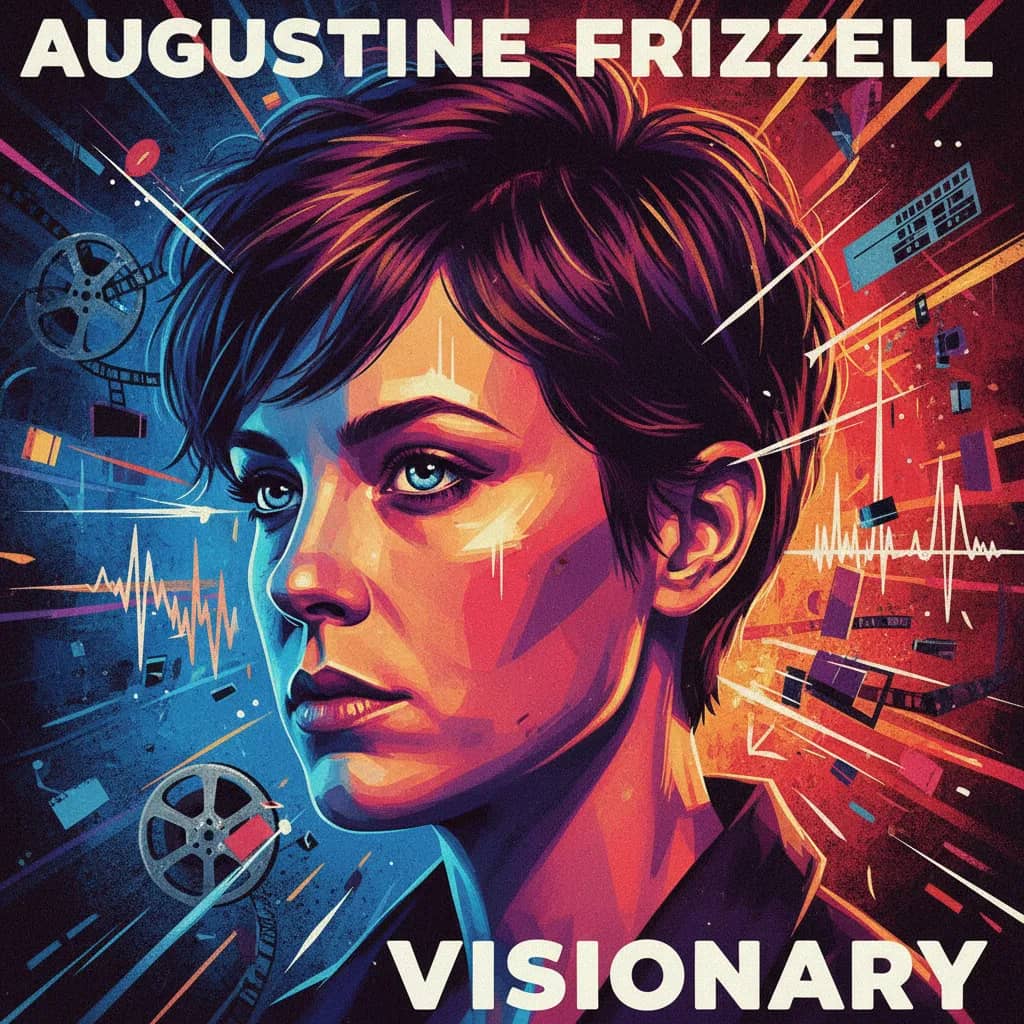
Augustine Frizzell is a dynamic and distinct voice in the world of cinema, known for her unique approach to storytelling and her ability to capture the complexities of human emotions on screen. Her directorial debut, "Never Goin' Back," garnered critical acclaim for its raw and authentic portrayal of teenage life, showcasing Frizzell's keen eye for detail and her ability to create compelling and relatable characters. This film established her as a rising talent in the industry and set the stage for her future success. Frizzell's directorial style is characterized by its boldness and authenticity, as she fearlessly delves into the lives of her characters, exploring their struggles, triumphs, and everything in between. Her work often features a blend of humor and heart, with a keen understanding of the human experience. This is evident in her latest film, "The Last Letter from Your Lover," a poignant drama that explores love, loss, and the enduring power of connection. Through her direction, Frizzell brings a unique perspective to the screen, infusing her projects with warmth and emotional depth. One of Frizzell's notable strengths is her ability to capture the essence of her characters and their relationships, creating narratives that resonate with audiences on a deeply personal level. Her films often explore themes of friendship, resilience, and the pursuit of happiness, reflecting her belief in the power of human connection and the resilience of the human spirit. This thematic richness, combined with her deft storytelling and directorial prowess, has solidified Frizzell as an influential and important voice in contemporary cinema. Frizzell's impact on cinema is undeniable, as she continues to push boundaries and challenge conventions with her thought-provoking and emotionally resonant work. Her dedication to authenticity and her commitment to amplifying underrepresented voices have made her a trailblazer in the industry, inspiring future generations of filmmakers to fearlessly pursue their artistic visions. As she continues to evolve and expand her body of work, audiences can eagerly anticipate the next chapter in Augustine Frizzell's remarkable directorial journey.

Autumn de Wilde
Autumn de Wilde is a highly acclaimed director known for her visually stunning and emotionally resonant films. Her most notable work to date is the 2020 adaptation of Jane Austen's classic novel "Emma." which received widespread critical acclaim for its meticulous attention to detail, lush cinematography, and compelling storytelling. Autumn de Wilde's directorial style is characterized by her keen eye for aesthetics, meticulous attention to period details, and her ability to bring out the emotional depth of her characters. "Emma." is a prime example of Autumn de Wilde's directorial prowess, as she skillfully captures the wit, charm, and romantic entanglements of the Regency-era English society. Her keen understanding of the source material and her ability to breathe new life into classic stories have cemented her reputation as a director with a unique vision and a deep respect for the art of storytelling. Autumn de Wilde's directorial debut with "Emma." showcases her penchant for bringing out the complexities of human relationships, the nuances of social dynamics, and the timeless themes of love and self-discovery. Her meticulous attention to period details and her ability to create a rich and immersive world have solidified her as a director to watch in the world of period dramas. Autumn de Wilde's impact on cinema is undeniable, as she has proven herself to be a visionary director with a distinct visual style and a talent for capturing the essence of classic literature on screen. Her work on "Emma." has garnered her widespread acclaim, and her future projects are highly anticipated within the industry. With her unique vision and her ability to breathe new life into timeless stories, Autumn de Wilde is set to make a lasting impression on the world of cinema for years to come.

Ava DuVernay
Ava DuVernay is a visionary filmmaker known for her powerful storytelling, poignant social commentary, and exceptional directorial style. With a background in film marketing and distribution, she made a remarkable transition to directing, becoming a prominent figure in the industry. DuVernay's directorial style is characterized by her ability to infuse her narratives with emotional depth, authenticity, and a keen focus on social justice issues. Her films often explore the complexities of race, identity, and human resilience, resonating deeply with audiences worldwide. One of DuVernay's most notable works is "Selma" (2014), a gripping portrayal of Dr. Martin Luther King Jr.'s historic civil rights march from Selma to Montgomery, Alabama. The film garnered widespread acclaim for its compelling storytelling and powerful performances, earning DuVernay a nomination for the Best Director Golden Globe Award, making her the first African American woman to receive such recognition. "Selma" remains a definitive example of DuVernay's directorial prowess, showcasing her ability to blend historical accuracy with profound emotional impact. Throughout her career, DuVernay has consistently championed diverse representation and inclusivity in cinema, using her platform to elevate marginalized voices and address pressing societal issues. Her commitment to showcasing the human experience across different cultural landscapes has left an indelible mark on the film industry. With an impressive body of work that spans feature films, documentaries, and television, DuVernay continues to inspire and empower aspiring filmmakers, cementing her legacy as a trailblazer in the world of cinema. In conclusion, Ava DuVernay's directorial contributions have significantly enriched the cinematic landscape, amplifying underrepresented narratives and sparking important conversations. Her distinctive directorial style, unwavering advocacy for social change, and ability to craft compelling stories have solidified her position as a leading force in contemporary filmmaking. As she continues to push boundaries and challenge conventions, DuVernay's impact on cinema remains profound, shaping the industry for generations to come.