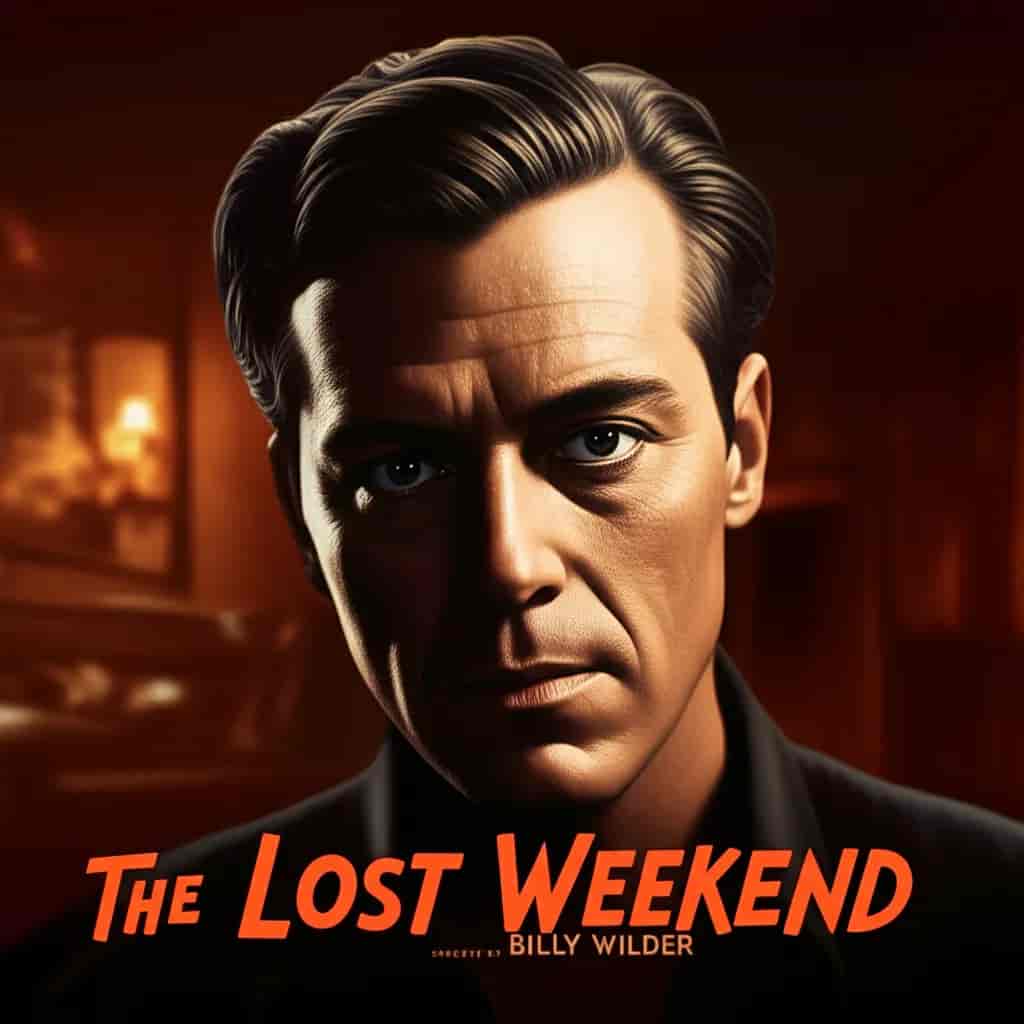
The Lost Weekend
1945DramaDirected by Billy Wilder
AI-generated for entertainment purposes only
Own & Stream
Synopsis
"The Lost Weekend," directed by Billy Wilder in 1945, is a gripping drama and film-noir masterpiece that delves into the harrowing journey of a struggling writer named Don Birnam, portrayed by Ray Milland. The film explores Don's descent into alcoholism over the course of a long weekend, as he grapples with his inner demons and battles his addiction to alcohol. As the story unfolds, viewers are taken on an emotional rollercoaster as they witness Don's desperate attempts to confront his addiction and find redemption. Featuring a stellar cast including Phillip Terry, Jane Wyman, and Howard Da Silva, "The Lost Weekend" is a poignant and powerful exploration of the destructive nature of addiction and the toll it takes on individuals and their loved ones. Through stunning cinematography and masterful storytelling, director Billy Wilder skillfully captures the raw emotions and struggles of the characters, delivering a thought-provoking and unforgettable cinematic experience. With its compelling narrative and exceptional performances, "The Lost Weekend" remains a timeless classic that continues to resonate with audiences today.
This synopsis is generated with AI assistance for entertainment purposes only. For official information, please refer to the movie's official sources.
Find Books Inspired by The Lost Weekend
We've pre-filled the search so you can instantly explore related novels, tie-ins, and thrillers — just hit Find Books!
TML Review
TopMovieList exclusive verdict🏆
Must-Watch Masterpiece
🏆 A must-watch film that excels in all aspects of filmmaking. This cinematic achievement delivers an unforgettable experience.
Collectibles & Reads
Director

Main Cast
4 cast members


F.A.Q.
Q:What significant challenge did 'The Lost Weekend' face due to its portrayal of alcoholism?
A:
Billy Wilder faced significant pushback from the liquor industry, which feared the film's raw portrayal of alcoholism would harm its image. Distillers offered $5 million to Paramount Pictures to destroy the film, but the studio proceeded with its release, showcasing the film's contentious yet vital subject matter.
Q:How did Ray Milland prepare for his role in 'The Lost Weekend'?
A:
To authentically portray an alcoholic, Ray Milland spent time in Bellevue Hospital's alcoholic ward. He stayed in a locked cell for about 48 hours, observing the withdrawal symptoms of real-life alcoholics, which significantly influenced his portrayal of Don Birnam's struggles in the film.
Q:Were there any notable censorship issues or alterations made to 'The Lost Weekend' upon its release?
A:
Yes, the film faced censorship challenges, particularly with scenes depicting delirium tremens and a controversial ending. The original book ending, which was much darker, was modified to offer a more hopeful conclusion. This change was made to align with the Production Code's guidelines and public expectations at the time.
The FAQ section is generated with AI assistance for entertainment purposes only. For official information, please refer to the movie's official sources.
Trivia
🎬During filming, a rubber prop bottle was used in scenes where Ray Milland's character, Don, stumbles or falls, to prevent injury and ensure safer interactions with the set and other actors.
💡The film's iconic scene featuring a bat attacking a mouse used groundbreaking special effects for the time, combining live-action sequences with carefully timed mechanical effects to create a harrowing depiction of Don's hallucinations.
🎯The Lost Weekend was one of the first films to use the theremin, an electronic musical instrument controlled without physical contact. Its eerie sound was used to enhance the film's haunting depiction of alcoholism and withdrawal.
The trivia section is generated with AI assistance for entertainment purposes only. For official information, please refer to the movie's official sources.