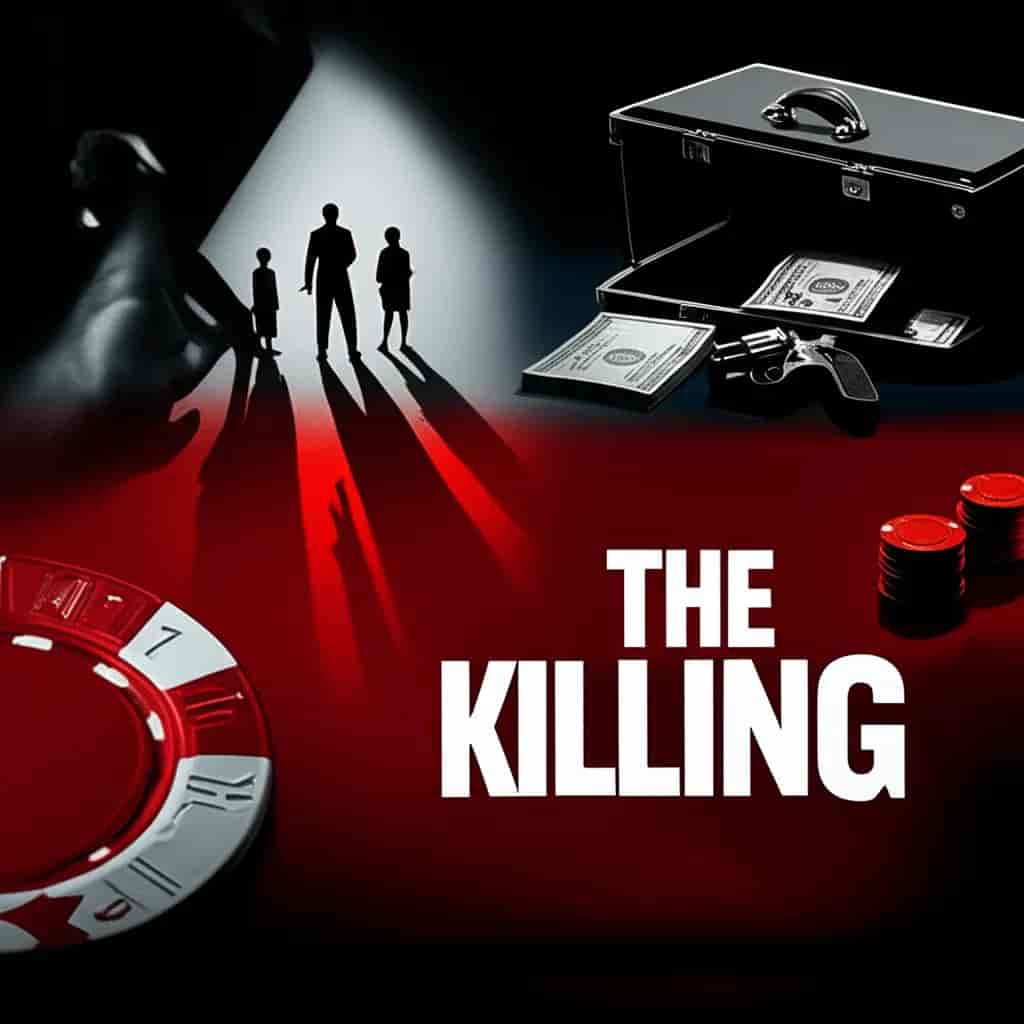
The Killing
1956CrimeDirected by Stanley Kubrick
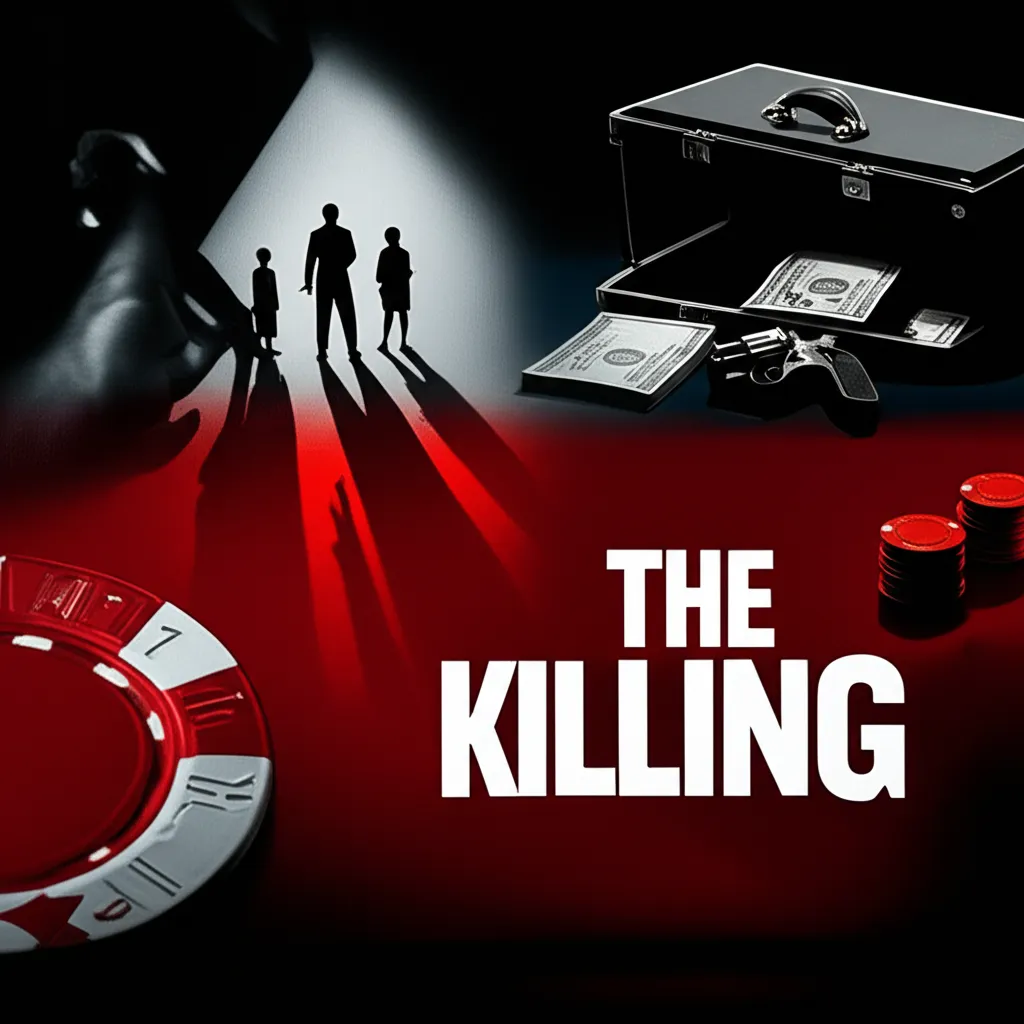
AI-generated for entertainment purposes only
Own & Stream
Synopsis
"The Killing," directed by Stanley Kubrick and released in 1956, is a gripping crime drama that delves into the intricacies of a meticulously planned racetrack heist. The film follows ex-convict Johnny Clay (played by Sterling Hayden) as he assembles a diverse group of individuals to execute the ambitious robbery. With an ensemble cast including Vince Edwards, Coleen Gray, and Jay C. Flippen, the characters each bring their own motivations and vulnerabilities to the high-stakes criminal operation. Set against a backdrop of suspense and tension, "The Killing" masterfully weaves together multiple narrative threads as the heist unfolds with unexpected twists and turns. Stanley Kubrick's signature visual style and innovative storytelling techniques create a noir atmosphere that keeps viewers on the edge of their seats. As the meticulously crafted plan unravels, the characters' fates become increasingly intertwined, leading to a thrilling and unforgettable climax that showcases Kubrick's early brilliance as a director in the realm of crime cinema. With its complex characters, intricate plot, and atmospheric cinematography, "The Killing" remains a classic example of film noir that continues to captivate audiences with its timeless exploration of crime, greed, and betrayal. This cinematic gem serves as a testament to Kubrick's early talent and vision, solidifying its reputation as a must-watch for fans of the genre and cinephiles alike.
This synopsis is generated with AI assistance for entertainment purposes only. For official information, please refer to the movie's official sources.
Find Books Inspired by The Killing
We've pre-filled the search so you can instantly explore related novels, tie-ins, and thrillers — just hit Find Books!
TML Review
TopMovieList exclusive verdict🏆
Must-Watch Masterpiece
🏆 A must-watch film that excels in all aspects of filmmaking. This cinematic achievement delivers an unforgettable experience.
Collectibles & Reads
Director

Main Cast
4 cast members


F.A.Q.
Q:How did Stanley Kubrick's innovative storytelling approach in 'The Killing' influence future heist movies?
A:
Stanley Kubrick's 'The Killing' utilized a non-linear narrative style, showing the same events from multiple perspectives and out of chronological order, a revolutionary technique at the time. This approach has since been influential in the structure of many future heist films, including Quentin Tarantino's 'Reservoir Dogs'.
Q:What unique challenges did the film face with censorship, and how were they addressed?
A:
'The Killing' faced significant censorship challenges due to its violent content and moral ambiguity. Kubrick had to strategically edit and reshoot scenes to appease the censors, subtly altering the framing and dialogue to retain the film's gritty essence without overtly depicting the violence.
Q:Were there any hidden symbols or themes in 'The Killing' that audiences might not initially notice?
A:
In 'The Killing', the repeated motif of a chessboard not only underscores the strategic planning behind the heist but also symbolizes the control and manipulation of fate, reflecting the film's deeper themes of chaos and inevitability. This subtle layer adds a philosophical depth to the narrative, often missed on first viewing.
The FAQ section is generated with AI assistance for entertainment purposes only. For official information, please refer to the movie's official sources.
Trivia
🎬During the filming of 'The Killing', Stanley Kubrick insisted on shooting many scenes in actual locations, such as the racetrack scenes shot at Bay Meadows Racetrack, to add authenticity and tension to the heist atmosphere.
💡Sterling Hayden, who played Johnny Clay, was actually afraid of horses, which posed a unique challenge during the filming of racetrack scenes. This fear added an unintended but beneficial tension to his performance.
🎯The budget constraints for 'The Killing' led Kubrick to employ innovative camera techniques, such as using longer takes and minimal setups, which not only saved money but also enhanced the film's raw, realistic feel.
The trivia section is generated with AI assistance for entertainment purposes only. For official information, please refer to the movie's official sources.