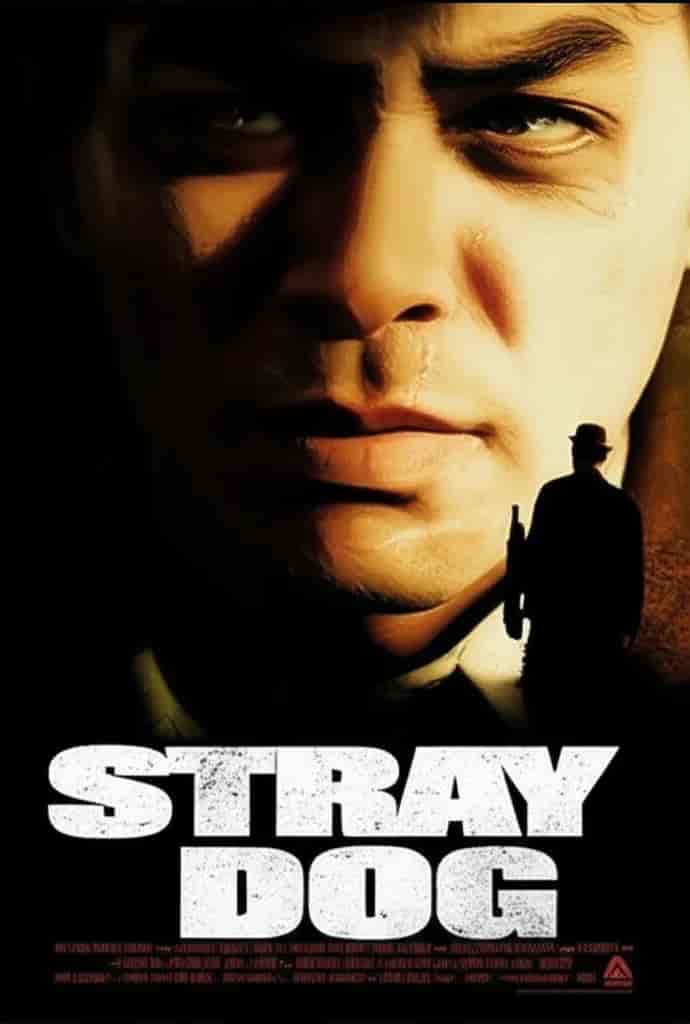
Stray Dog
1949CrimeDirected by Akira Kurosawa
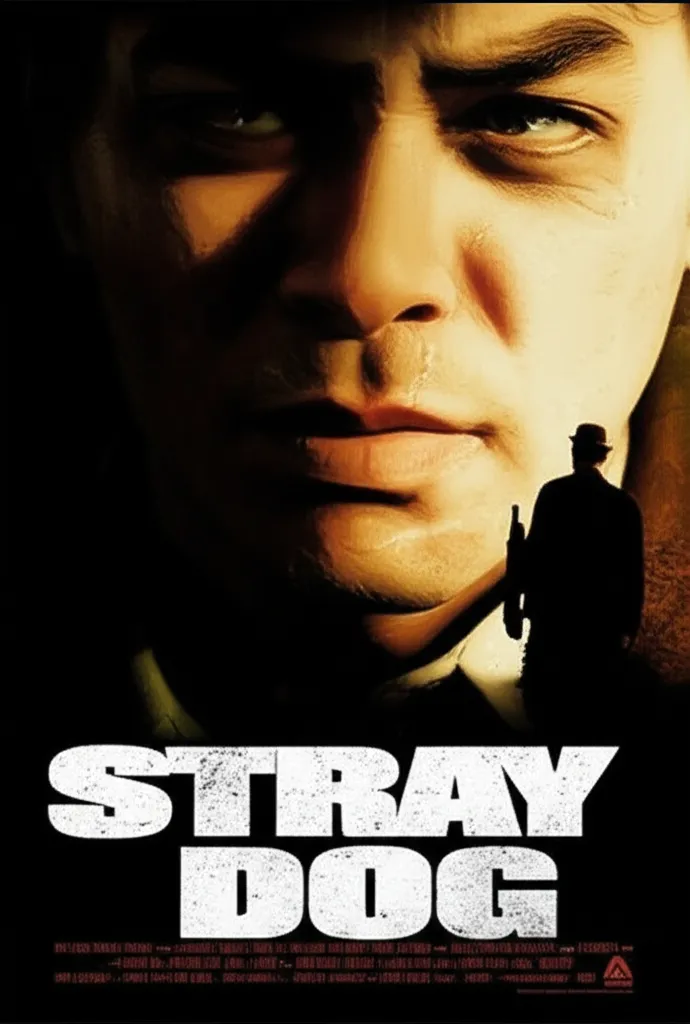
AI-generated for entertainment purposes only
Own & Stream
Synopsis
"Stray Dog," directed by legendary filmmaker Akira Kurosawa, is a gripping crime drama released in 1949 that delves into the underbelly of post-World War II Tokyo. The story follows a young detective played by Toshirô Mifune, who embarks on a desperate search for his stolen pistol in a sweltering summer heatwave. As he navigates the city's seedy underworld, he encounters a diverse cast of characters, including a mysterious woman portrayed by Keiko Awaji and a seasoned detective played by Takashi Shimura. The film masterfully weaves elements of film-noir with socially relevant themes, making it a timeless classic in Japanese cinema. "Stray Dog" is a tour de force in storytelling, showcasing Kurosawa's signature visual style and narrative depth. The film's exploration of morality, guilt, and redemption against the backdrop of a war-torn society resonates with audiences to this day. With standout performances from the talented ensemble cast, including Eiko Miyoshi, the movie presents a nuanced portrayal of human nature and the complexities of justice. As tensions rise and secrets unravel, "Stray Dog" keeps viewers on the edge of their seats, offering a poignant reflection on the consequences of choices made in desperate circumstances. This cinematic gem continues to captivate audiences with its timeless themes and Kurosawa's unparalleled directorial vision.
This synopsis is generated with AI assistance for entertainment purposes only. For official information, please refer to the movie's official sources.
Find Books Inspired by Stray Dog
We've pre-filled the search so you can instantly explore related novels, tie-ins, and thrillers — just hit Find Books!
TML Review
TopMovieList exclusive verdict🏆
Must-Watch Masterpiece
🏆 A must-watch film that excels in all aspects of filmmaking. This cinematic achievement delivers an unforgettable experience.
Collectibles & Reads
Director

Main Cast
4 cast members


F.A.Q.
Q:What unique method did Akira Kurosawa employ in 'Stray Dog' to heighten the sense of realism?
A:
Kurosawa used actual locations in post-war Tokyo to enhance the film's gritty realism, making 'Stray Dog' one of the first Japanese films to extensively use outdoor locations, capturing the city's heatwave and the desperation of its inhabitants authentically.
Q:How did Toshirô Mifune prepare for his role as a rookie detective in 'Stray Dog'?
A:
Toshirô Mifune, known for his intense method acting, reportedly wore his character's suit for several days in the summer heat, including sleeping in it, to genuinely capture the discomfort and stress his character felt throughout the movie.
Q:Were there any significant scenes cut from 'Stray Dog' that altered the original storyline?
A:
Yes, Kurosawa originally included a subplot that delved deeper into the personal life of the antagonist, including scenes depicting his family's struggles, but these were cut to maintain the film's pacing and focus more on the psychological chase between the detective and the criminal.
The FAQ section is generated with AI assistance for entertainment purposes only. For official information, please refer to the movie's official sources.
Trivia
🎬During the filming of 'Stray Dog', Akira Kurosawa insisted on shooting several scenes in Tokyo's black market areas, which required negotiations with actual local gangs to ensure the crew's safety and access to highly authentic backdrops.
💡In an unusual prop choice, the pistol stolen from the protagonist in 'Stray Dog' was a rare American Colt, which symbolized post-war American influence in Japan and added a layer of socio-political commentary to the film.
🎯The intense heat depicted in 'Stray Dog' was not artificially created; filming actually took place during a severe heatwave in Tokyo, adding a layer of natural discomfort that contributed to the film's tense atmosphere and the actors' authentic performances.
The trivia section is generated with AI assistance for entertainment purposes only. For official information, please refer to the movie's official sources.