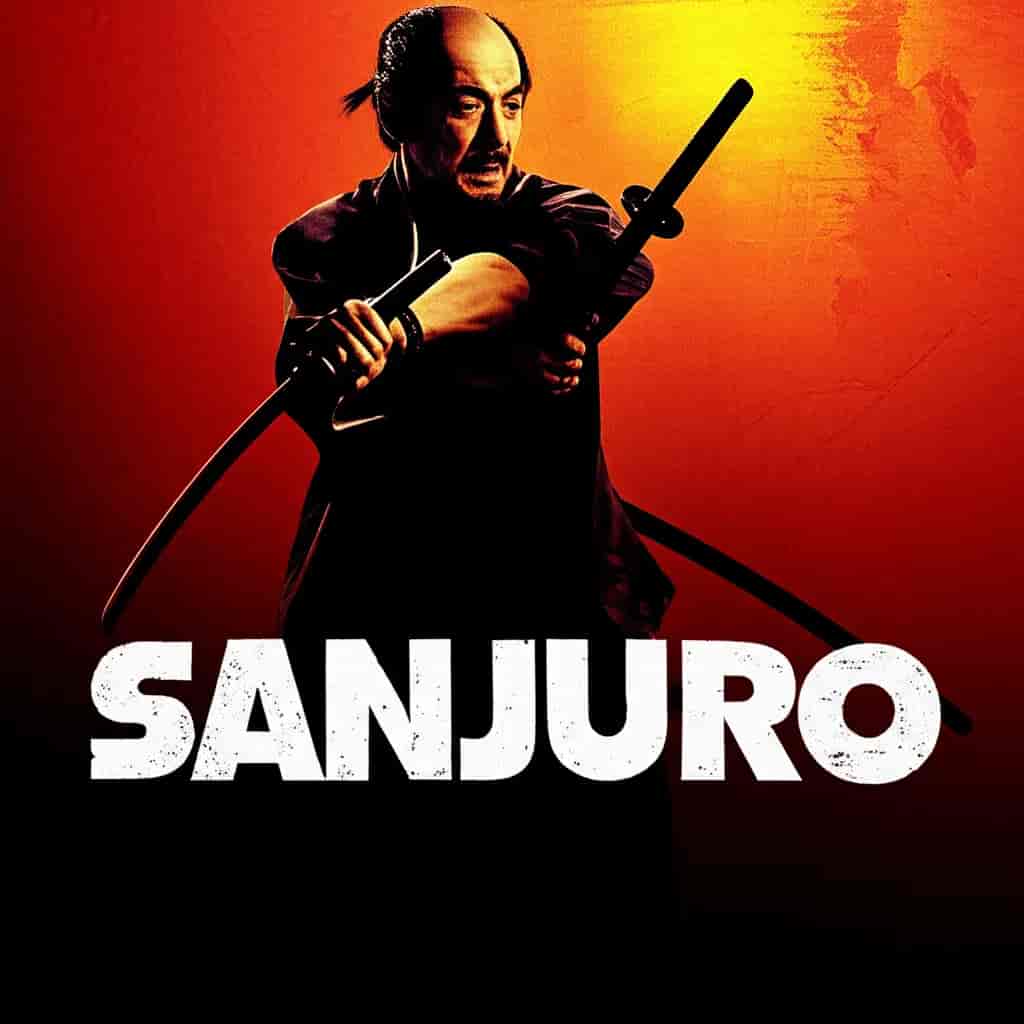
Sanjuro
1962ActionDirected by Akira Kurosawa
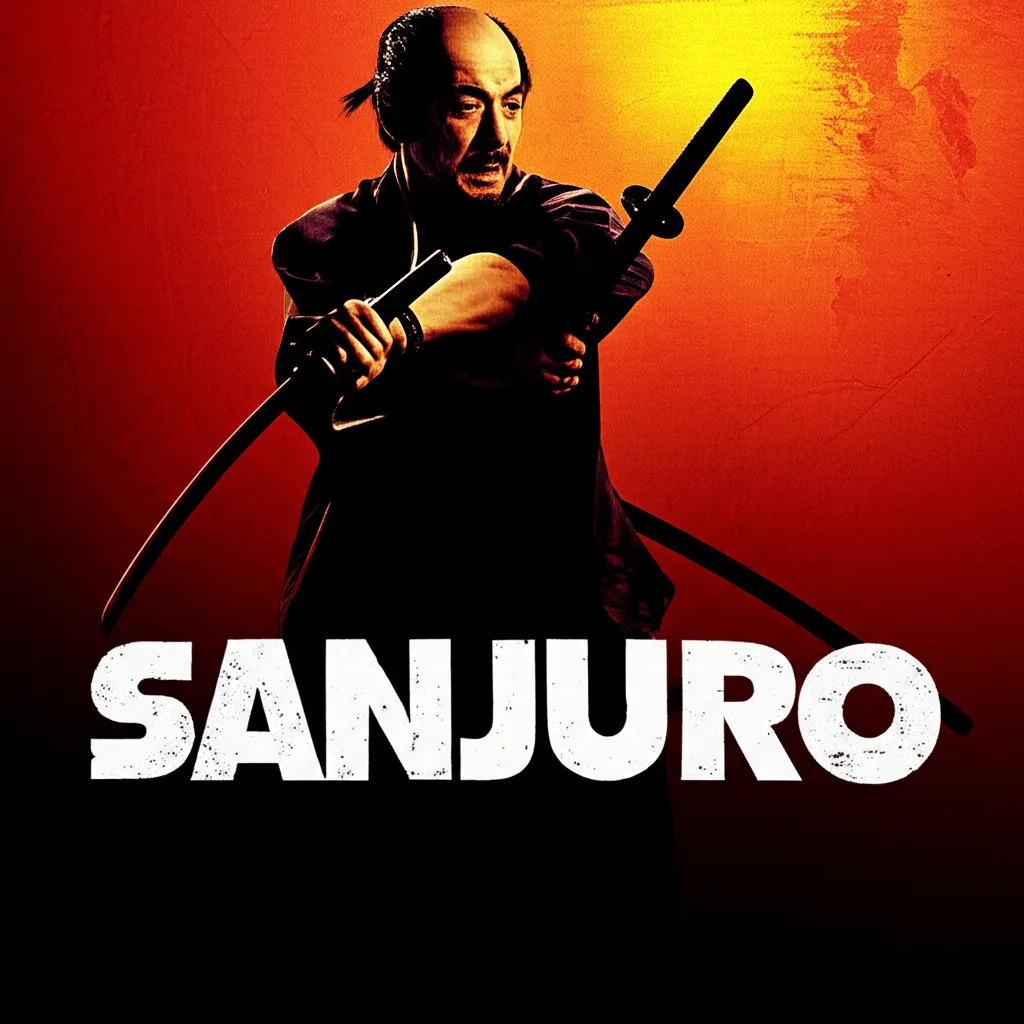
AI-generated for entertainment purposes only
Own & Stream
Synopsis
"Sanjuro," directed by Akira Kurosawa and released in 1962, is a captivating blend of action, comedy, and crime genres. The film follows a wandering samurai, Sanjuro, portrayed with charisma by the legendary Toshirô Mifune. When Sanjuro stumbles upon a group of young samurais seeking his help to rid their town of corruption, he reluctantly agrees to assist them in their quest for justice. As Sanjuro delves deeper into the town's intricate web of deceit and betrayal, he must navigate a treacherous path to uncover the truth and outwit the cunning adversaries standing in his way. Along the journey, he forms unlikely alliances and showcases his exceptional swordsmanship skills in thrilling action sequences that will keep viewers on the edge of their seats. With a stellar cast including Yûnosuke Itô, Keiju Kobayashi, and Tatsuya Nakadai, "Sanjuro" is a masterful cinematic experience that combines gripping storytelling, nuanced characters, and Kurosawa's signature visual style. This timeless classic is a must-watch for fans of samurai films and those craving a captivating blend of action and humor.
This synopsis is generated with AI assistance for entertainment purposes only. For official information, please refer to the movie's official sources.
Find Books Inspired by Sanjuro
We've pre-filled the search so you can instantly explore related novels, tie-ins, and thrillers — just hit Find Books!
TML Review
TopMovieList exclusive verdict🏆
Must-Watch Masterpiece
🏆 A must-watch film that excels in all aspects of filmmaking. This cinematic achievement delivers an unforgettable experience.
Collectibles & Reads
Director

Main Cast
4 cast members


F.A.Q.
Q:What unique filmmaking technique did Akira Kurosawa employ in 'Sanjuro' to enhance the storytelling?
A:
Kurosawa used telephoto lenses extensively in 'Sanjuro' to compress the space in frame, which is unusual for the period's cinema. This technique helped in isolating characters against crowded backgrounds, enhancing the film's focus on individual expressions and intensifying the dramatic action.
Q:How did Toshirô Mifune prepare for his role in 'Sanjuro'?
A:
Toshirô Mifune, known for his intense method acting, spent considerable time mastering the art of Iaido (the Japanese martial art of drawing the sword) to bring a more authentic and fluid sword-fighting style to his character, which contrasted sharply with the more theatrical styles common in films at the time.
Q:Were there any significant challenges or controversies during the production of 'Sanjuro'?
A:
During the production of 'Sanjuro', Kurosawa faced challenges related to budget constraints which forced him to innovate with less costly set designs and effects. The film's final duel was notably shorter than initially planned, a creative decision that led to one of the most abrupt and memorable endings in samurai cinema.
The FAQ section is generated with AI assistance for entertainment purposes only. For official information, please refer to the movie's official sources.
Trivia
🎬The main protagonist's name 'Sanjuro' meaning 'thirty-year-old' was actually a humorous alias, hinting at the character's rough and unkempt appearance, suggesting he looked older than his actual age.
💡In 'Sanjuro', Kurosawa used real locations which played a significant role in setting the tone of the film. The temple and small town settings were specifically chosen to reflect the isolation and turbulence of the period depicted in the movie.
🎯The iconic final scene in 'Sanjuro' where a sudden burst of blood erupts from the antagonist was achieved using a high-pressure blood hose. This effect was so surprising that it influenced future samurai films, which began to adopt more graphic depictions of violence.
The trivia section is generated with AI assistance for entertainment purposes only. For official information, please refer to the movie's official sources.