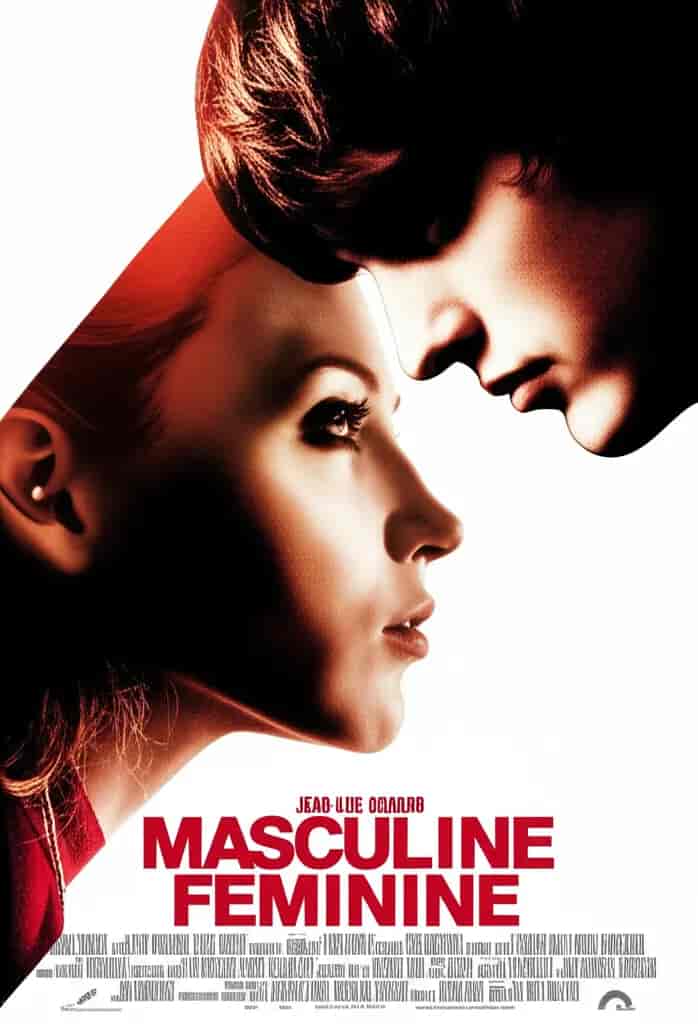
Masculine Feminine
1966DramaDirected by Jean-Luc Godard
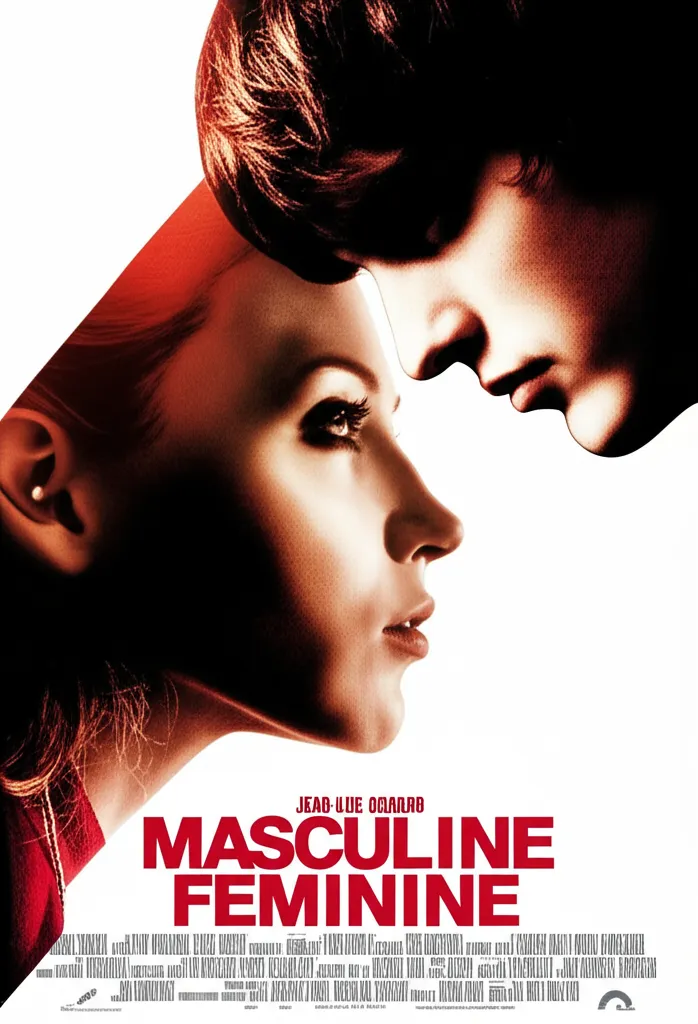
AI-generated for entertainment purposes only
Own & Stream
Synopsis
"Masculine Feminine" is a groundbreaking French drama and romance film released in 1966, directed by the renowned Jean-Luc Godard and featuring a talented cast including Michel Debord, Jean-Pierre Léaud, Chantal Goya, and Marlène Jobert. Set against the backdrop of Paris in the 1960s, the movie follows the intertwining lives of a group of young adults navigating love, politics, and societal norms. As the film delves into the complexities of relationships and gender dynamics, viewers are immersed in a world where the lines between masculinity and femininity blur. With its innovative storytelling techniques and thought-provoking themes, "Masculine Feminine" captures the essence of the era's social and political upheaval while exploring the personal struggles of its characters in a rapidly changing society. Through its raw and intimate portrayal of youth culture and the search for meaning, "Masculine Feminine" remains a timeless classic that continues to resonate with audiences today. With its iconic performances and bold artistic vision, this film is a must-watch for cinephiles looking to experience a cinematic masterpiece that challenges conventions and pushes boundaries.
This synopsis is generated with AI assistance for entertainment purposes only. For official information, please refer to the movie's official sources.
Find Books Inspired by Masculine Feminine
We've pre-filled the search so you can instantly explore related novels, tie-ins, and thrillers — just hit Find Books!
TML Review
TopMovieList exclusive verdict🏆
Must-Watch Masterpiece
🏆 A must-watch film that excels in all aspects of filmmaking. This cinematic achievement delivers an unforgettable experience.
Collectibles & Reads
Director

Main Cast
4 cast members


F.A.Q.
Q:Why did Jean-Luc Godard cast Chantal Goya, a relatively unknown figure, as the female lead in 'Masculine Feminine'?
A:
Chantal Goya was primarily known as a budding ye-ye singer before Jean-Luc Godard cast her in 'Masculine Feminine'. Godard, always keen on blending cinematic realism with pop culture, cast Goya after spotting her by chance on a TV show. He believed her genuine pop background would bring an authentic vibe to the film, aligning with its exploration of youth culture in 1960s Paris.
Q:What really happened when 'Masculine Feminine' was shot in the café scenes?
A:
During the café scenes in 'Masculine Feminine', Godard decided to shoot with real customers around, not extras. This was a last-minute decision to capture the genuine atmosphere and spontaneity of Parisian life. However, it led to several retakes due to noise and interruptions, but ultimately added an authentic layer of realism to the film that Godard was seeking.
Q:How did Jean-Pierre Léaud prepare for his role in 'Masculine Feminine'?
A:
Jean-Pierre Léaud, known for his method acting, prepared for his role in 'Masculine Feminine' by living in a small Parisian apartment similar to his character's for a month before shooting began. Godard encouraged this to ensure Léaud could naturally embody the life and struggles of the young protagonist, blending his personal experiences into the role.
The FAQ section is generated with AI assistance for entertainment purposes only. For official information, please refer to the movie's official sources.
Trivia
🎬Jean-Luc Godard used a technique in 'Masculine Feminine' where scenes were shot with a hand-held camera to mimic documentary-style filming. This was quite innovative for 1966, as it gave the drama an air of immediacy and reality, making viewers feel like they were eavesdropping on real conversations, a technique now common in modern filmmaking.
💡The script for 'Masculine Feminine' was largely improvised. Godard provided the actors with the framework of the scenes only the morning of the shoot, requiring them to come up with much of the dialogue themselves. This approach was meant to capture how real people of that era would speak, making the film a time capsule of 1960s youth culture.
🎯The film 'Masculine Feminine' was originally set to be shot in color, but due to budget constraints, it was changed to black and white. This last-minute switch inadvertently gave the film a more stark, realistic quality that critics and audiences praised, aligning perfectly with its exploration of the stark realities faced by youth in the 1960s.
The trivia section is generated with AI assistance for entertainment purposes only. For official information, please refer to the movie's official sources.