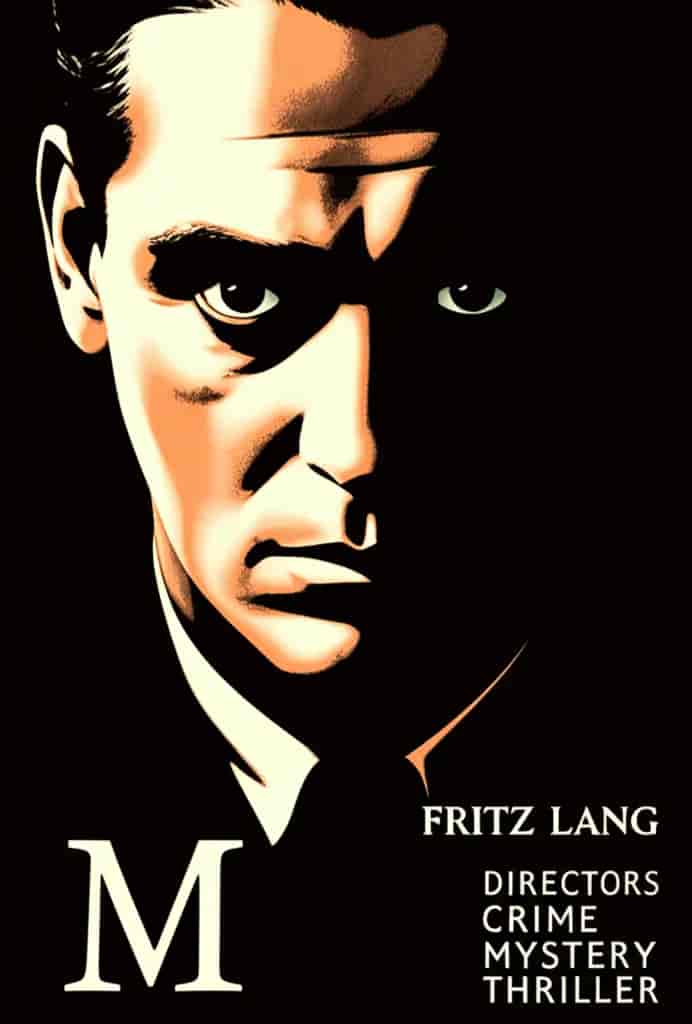
M
1931CrimeDirected by Fritz Lang
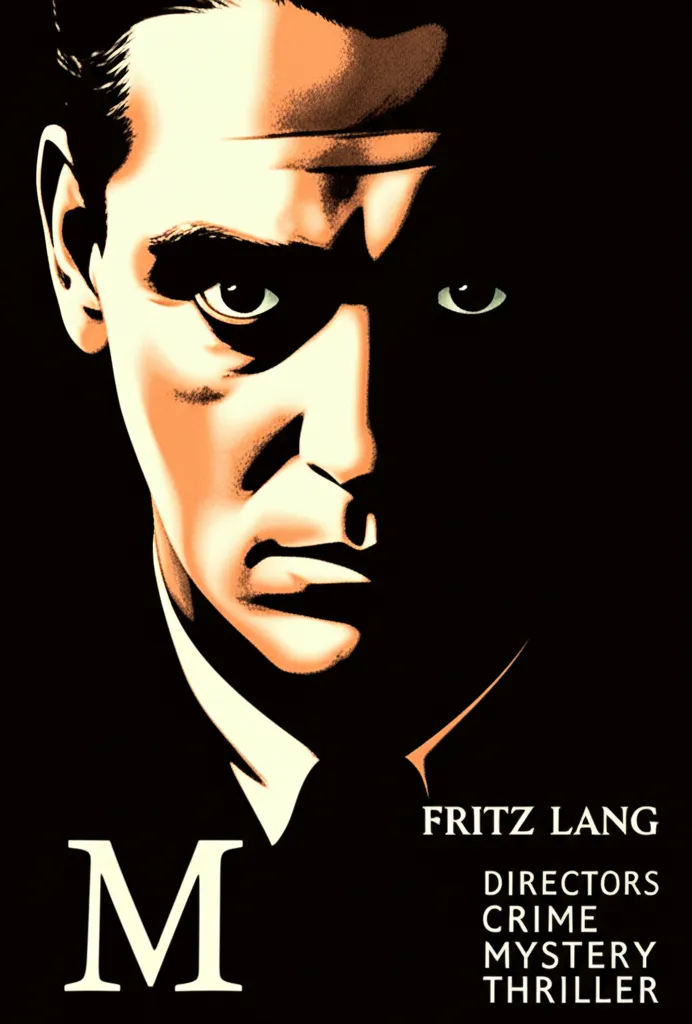
AI-generated for entertainment purposes only
Own & Stream
Synopsis
Fritz Lang's M, from 1931, still feels like a trap slowly closing. A child murderer is loose in a German city, and the police cannot catch him. The strange, brilliant part of the setup is that the manhunt pulls in the criminal underworld too, so for long stretches you are watching criminals do detective work alongside the state. As the hunt tightens, you stop being able to say which side is administering justice and which is just hunting. Peter Lorre plays the killer, and the role made his career for a reason. He is pathetic and terrifying at once. Otto Wernicke, Inge Landgut, and Ellen Widmann keep the film anchored in ordinary fear, and fear is the real subject here: what a whole city does with it, how fast it curdles into something uglier than the crime. Lang shoots it all with a starkness that makes the score feel like another character, and crime thrillers have been borrowing from the result ever since.
This synopsis is generated with AI assistance for entertainment purposes only. For official information, please refer to the movie's official sources.
Find Books Inspired by M
We've pre-filled the search so you can instantly explore related novels, tie-ins, and thrillers — just hit Find Books!
TML Review
TopMovieList exclusive verdict🏆
Must-Watch Masterpiece
🏆 A must-watch film that excels in all aspects of filmmaking. This cinematic achievement delivers an unforgettable experience.
Collectibles & Reads
Director

Main Cast
4 cast members


F.A.Q.
Q:What groundbreaking audio technique did Fritz Lang pioneer in 'M'?
A:
Fritz Lang innovatively used a leitmotif for the character Hans Beckert in 'M', marking one of the first uses of a musical theme to represent a character in film. Beckert's compulsive whistling of 'In the Hall of the Mountain King' by Edvard Grieg becomes a recurring audio cue that significantly heightens the film's suspense.
Q:How did 'M' reflect real-life events of its time and influence the portrayal of serial killers in cinema?
A:
'M' was inspired by real-life serial killers such as Peter Kürten, the 'Vampire of Düsseldorf'. Fritz Lang's portrayal of the murderer as a complex character with psychological depth was revolutionary at the time and paved the way for future films exploring the minds of criminals, moving away from one-dimensional depictions.
Q:Were there any specific censorship challenges faced by 'M' upon its release?
A:
'M' faced significant censorship issues both in Nazi Germany and other countries. Its critical portrayal of the police and criminals led to its banning shortly after the Nazis came to power in 1933. Additionally, various international cuts were made to reduce the perceived sympathy towards the murderer or to censor scenes involving violence and child endangerment.
The FAQ section is generated with AI assistance for entertainment purposes only. For official information, please refer to the movie's official sources.
Trivia
🎬During the filming of 'M', Fritz Lang used real criminals as extras in some scenes to add authenticity. This unusual casting choice helped create a more realistic underworld atmosphere in the movie.
💡Peter Lorre, who played the child murderer Hans Beckert, did not actually know how to whistle. The whistling heard in the film was performed by Fritz Lang himself.
🎯The film's climactic trial scene, featuring an assembly of criminals, was shot in a single night. Lang managed this feat by using over 100 cameras in strategic locations, capturing the intense sequence in an era before multi-camera setups were commonplace.
The trivia section is generated with AI assistance for entertainment purposes only. For official information, please refer to the movie's official sources.