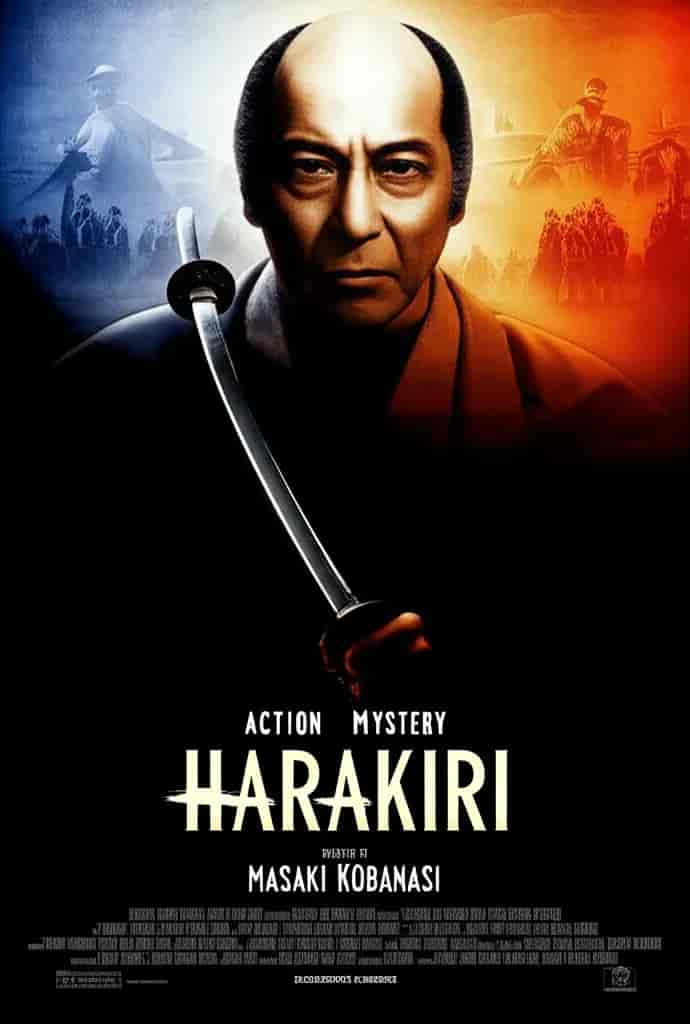
Harakiri
1962ActionDirected by Masaki Kobayashi
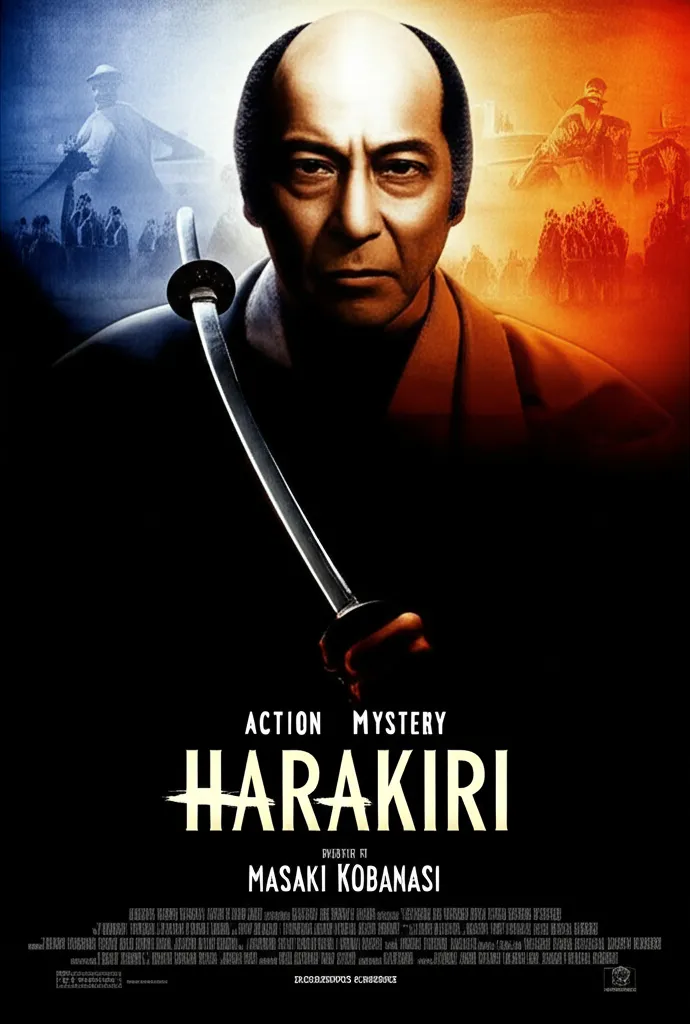
AI-generated for entertainment purposes only
Own & Stream
Synopsis
"Harakiri," a gripping 1962 film directed by Masaki Kobayashi, explores the themes of honor, revenge, and sacrifice in feudal Japan. The story follows Hanshiro Tsugumo (played by Tatsuya Nakadai), a ronin who arrives at the Iyi clan's estate seeking permission to perform harakiri, a ritual suicide. As Tsugumo reveals his tragic past, the film delves into the complexities of loyalty, justice, and the harsh realities of samurai code. With stellar performances by Tatsuya Nakadai, Tetsurô Tanba, and Shima Iwashita, "Harakiri" is a masterful blend of action, drama, and mystery. The film's stunning cinematography and intense emotional depth draw viewers into a world of intrigue and moral dilemmas. As tensions rise and secrets are unveiled, "Harakiri" delivers a thought-provoking tale that resonates long after the final scene fades to black. A true classic of Japanese cinema, this timeless masterpiece continues to captivate audiences with its powerful storytelling and profound exploration of the human spirit.
This synopsis is generated with AI assistance for entertainment purposes only. For official information, please refer to the movie's official sources.
Find Books Inspired by Harakiri
We've pre-filled the search so you can instantly explore related novels, tie-ins, and thrillers — just hit Find Books!
TML Review
TopMovieList exclusive verdict🏆
Must-Watch Masterpiece
🏆 A must-watch film that excels in all aspects of filmmaking. This cinematic achievement delivers an unforgettable experience.
Collectibles & Reads
Director

Main Cast
4 cast members


F.A.Q.
Q:What innovative filmmaking technique did Masaki Kobayashi use in 'Harakiri'?
A:
Masaki Kobayashi utilized multiple fixed camera angles and deep focus photography in 'Harakiri' to enhance the dramatic tension and depth of scenes, a technique not commonly used in Japanese cinema at the time. This method allowed the intricate details of the set and the actors' expressions to be captured simultaneously, adding layers of meaning to each shot.
Q:How did 'Harakiri' address and challenge the traditional values of Japanese society?
A:
'Harakiri' is renowned for its critical view of the samurai code (Bushido), presenting it as morally corrupt and exploitative towards lower-status samurais. This controversial portrayal sparked discussions in Japan about the historical and ethical accuracy of samurai ideals, challenging the glorified depiction common in many earlier films.
Q:Were there any controversial scenes in 'Harakiri' that faced censorship issues?
A:
Yes, the film's graphic depiction of the ritual suicide by seppuku initially faced censorship hurdles. The scene's intense realism and critical undertone towards the samurai code were controversial, leading to debates about its appropriateness and impact on audiences, especially in post-war Japan where sensitivity to feudal practices was high.
The FAQ section is generated with AI assistance for entertainment purposes only. For official information, please refer to the movie's official sources.
Trivia
🎬During the filming of 'Harakiri', director Masaki Kobayashi insisted on using traditional Edo-period building techniques to construct the sets, ensuring historical accuracy down to the minutest architectural details.
💡Tatsuya Nakadai prepared for his role in 'Harakiri' by studying historical texts and practicing with actual samurai swords, under the guidance of a martial arts expert, to ensure his portrayal was both authentic and respectful of samurai traditions.
🎯The climactic fight scene in 'Harakiri' was shot in a continuous take using a meticulously choreographed sequence that required weeks of rehearsal, highlighting the director's commitment to visual authenticity and dramatic intensity.
The trivia section is generated with AI assistance for entertainment purposes only. For official information, please refer to the movie's official sources.