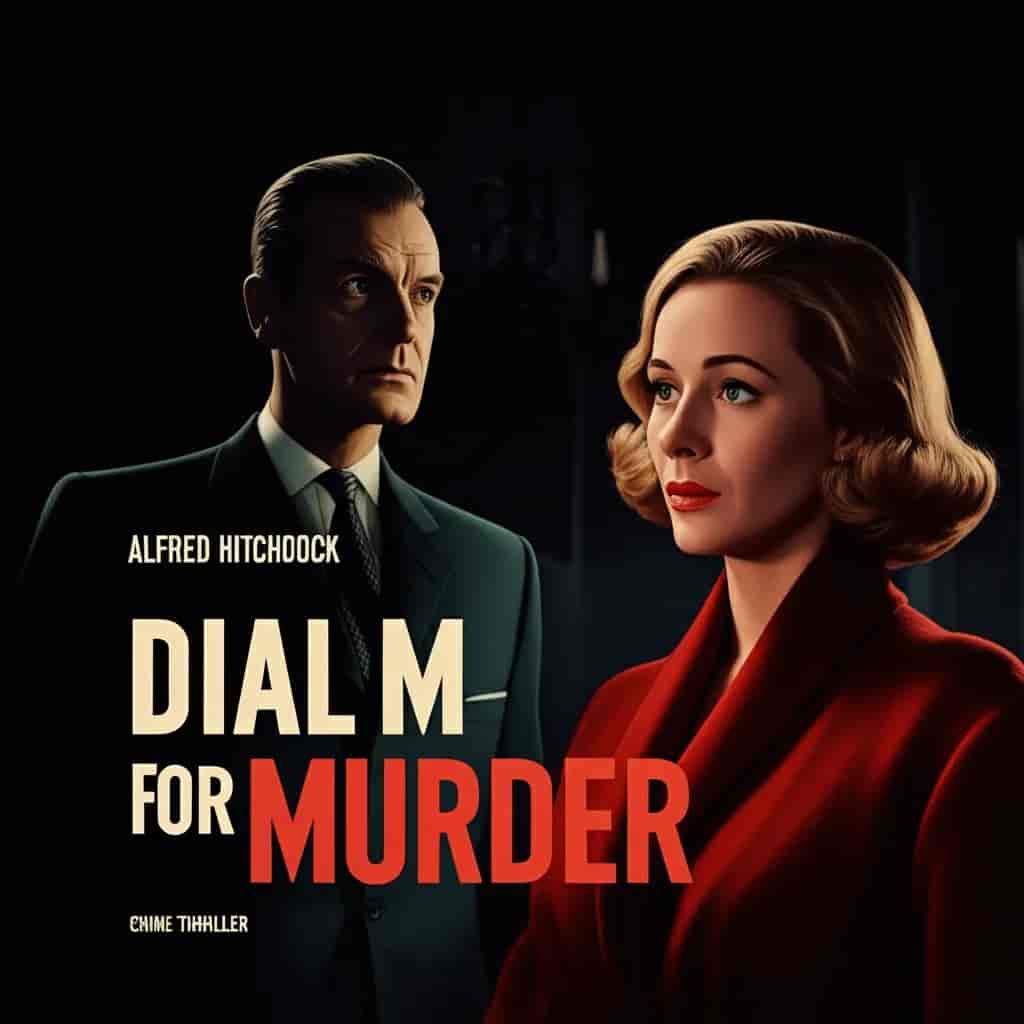
Dial M for Murder
1954CrimeDirected by Alfred Hitchcock
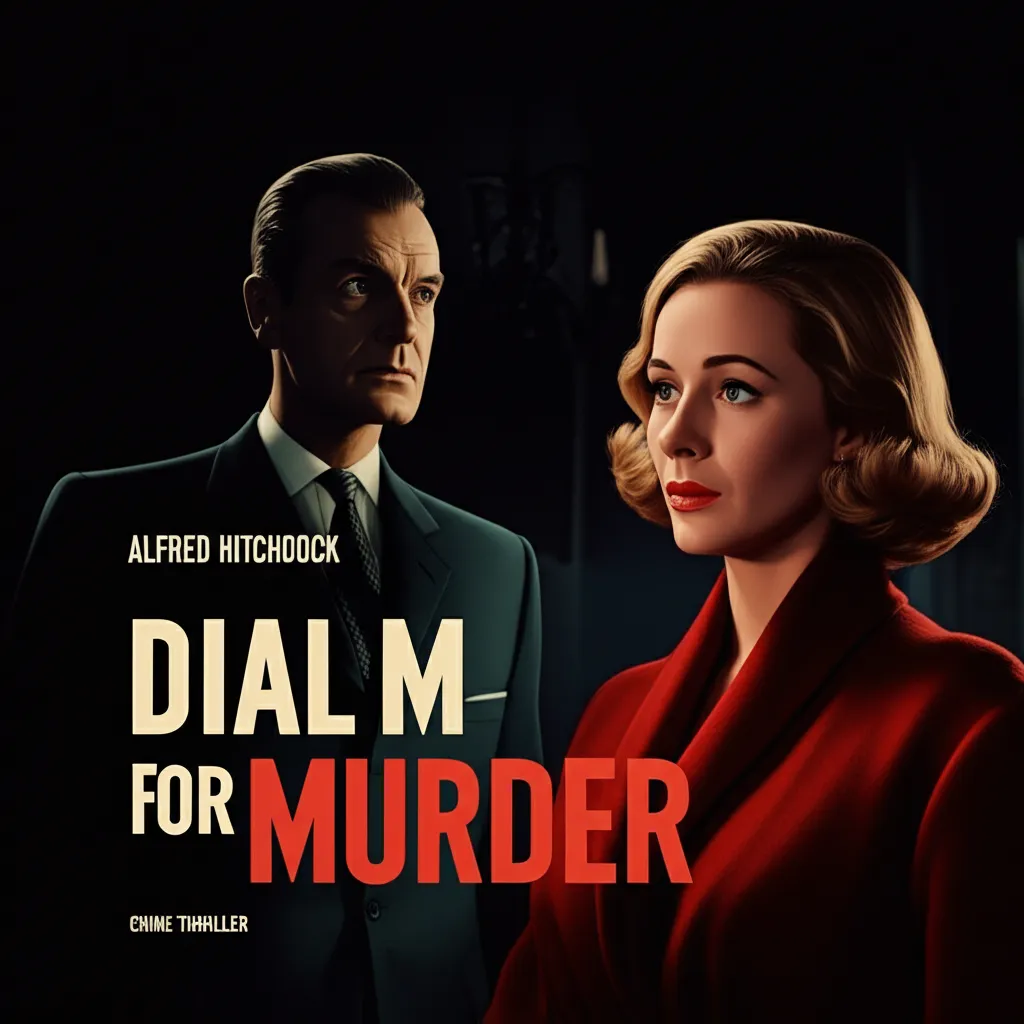
AI-generated for entertainment purposes only
Own & Stream
Synopsis
Directed by the legendary Alfred Hitchcock, "Dial M for Murder" is a gripping crime thriller released in 1954. The film follows the story of ex-tennis pro Tony Wendice, played by Ray Milland, who hatches a cunning plan to murder his wealthy wife Margot, portrayed by the elegant Grace Kelly. With the help of a devious accomplice, Tony sets in motion a series of events that culminate in a tense and suspenseful battle of wits. As the intricate plot unfolds, viewers are drawn into a web of deception, betrayal, and intrigue. Robert Cummings and John Williams co-star in this classic thriller, adding depth and complexity to the narrative. With Hitchcock's signature style and masterful direction, "Dial M for Murder" keeps audiences on the edge of their seats until the very end, delivering twists and turns that will leave them guessing until the final frame. Filled with suspense, mystery, and unforgettable performances, "Dial M for Murder" is a timeless classic that continues to captivate audiences with its thrilling story and expertly crafted suspense. Hitchcock's meticulous attention to detail and the stellar performances of the cast make this film a must-watch for fans of the crime thriller genre.
This synopsis is generated with AI assistance for entertainment purposes only. For official information, please refer to the movie's official sources.
Find Books Inspired by Dial M for Murder
We've pre-filled the search so you can instantly explore related novels, tie-ins, and thrillers — just hit Find Books!
TML Review
TopMovieList exclusive verdict🏆
Must-Watch Masterpiece
🏆 A must-watch film that excels in all aspects of filmmaking. This cinematic achievement delivers an unforgettable experience.
Collectibles & Reads
Director

Main Cast
4 cast members


F.A.Q.
Q:What innovative technique did Alfred Hitchcock use in 'Dial M for Murder' that influenced future 3D movies?
A:
Alfred Hitchcock experimented with 3D cinematography in 'Dial M for Murder,' using the technology to enhance the film's suspense rather than just as a gimmick. This was one of the first mainstream films to employ 3D in a manner that contributed to the storytelling, particularly in the scene where Grace Kelly's character reaches out towards the audience while being strangled.
Q:How did Grace Kelly's real-life persona influence her character in 'Dial M for Murder'?
A:
Grace Kelly's on-screen persona of a cool, elegant blonde was deliberately used by Hitchcock to subvert audience expectations in 'Dial M for Murder.' Her casting added an extra layer of intrigue as her poised appearance contrasted sharply with her character's tumultuous emotional experiences, enhancing the film's tension and dramatic irony.
Q:Were there any notable changes in 'Dial M for Murder' from its original stage play that affected the movie's plot?
A:
In adapting the stage play to film, Hitchcock made subtle changes to the dialogue and settings to better suit the cinematic medium, but he kept the structure largely intact. However, the film's use of close-up shots and limited set changes were deliberate choices to maintain the play's claustrophobic atmosphere, crucial for building suspense throughout the movie.
The FAQ section is generated with AI assistance for entertainment purposes only. For official information, please refer to the movie's official sources.
Trivia
🎬During the filming of 'Dial M for Murder,' Hitchcock used a giant telephone prop in the climactic murder scene to make the phone appear more menacing, symbolizing its role as the instrument of betrayal and danger.
💡The key used as a crucial plot device in 'Dial M for Murder' was specially designed with an unusually long shank to make it more visually striking and significant in the film's tightly framed shots.
🎯Alfred Hitchcock made a cameo appearance in 'Dial M for Murder' in a reunion photograph at Tony Wendice's college reunion, continuing his trademark of brief cameos in his films.
The trivia section is generated with AI assistance for entertainment purposes only. For official information, please refer to the movie's official sources.