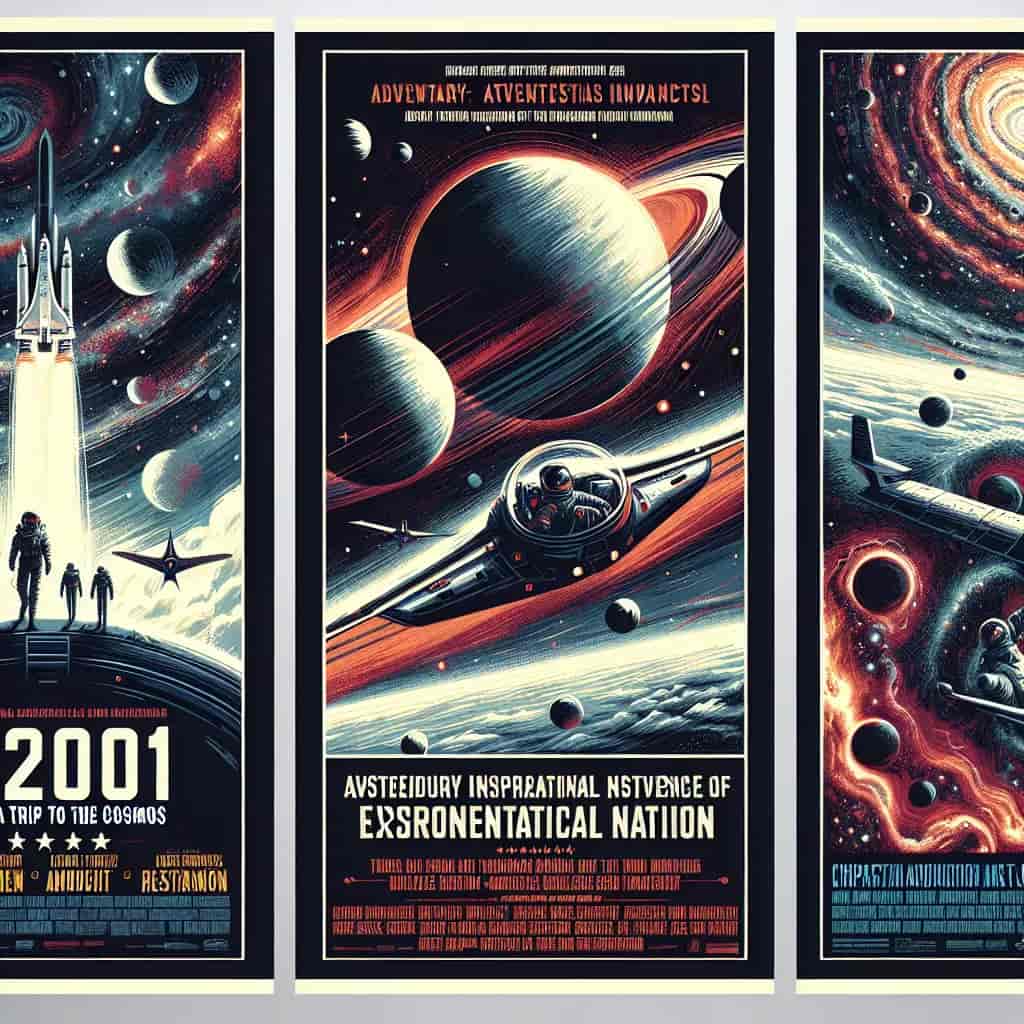
2001: A Space Odyssey
1968AdventureDirected by Stanley Kubrick
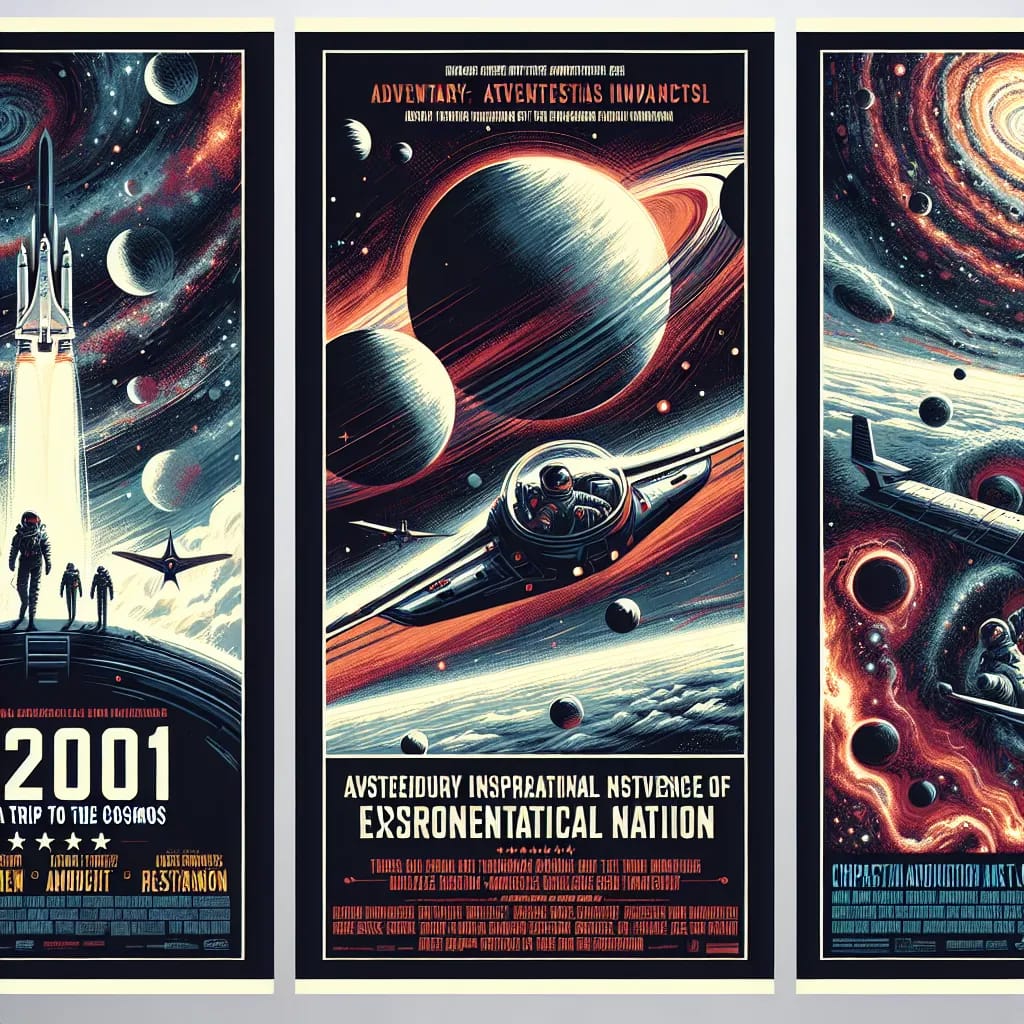
AI-generated for entertainment purposes only
Own & Stream
Synopsis
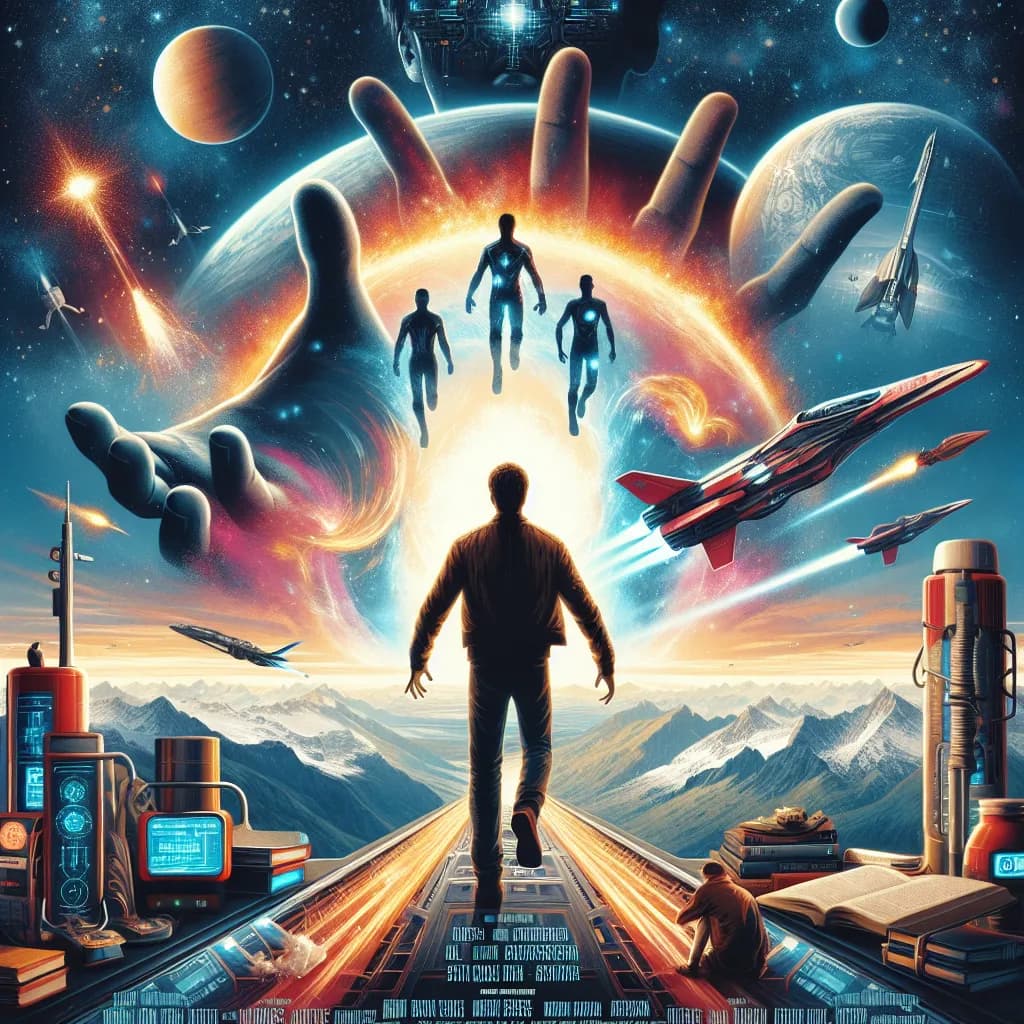
"2001: A Space Odyssey," directed by the visionary Stanley Kubrick, stands as a monumental pillar in the realm of science fiction cinema, captivating audiences with its profound narrative and pioneering special effects since its release. The film embarks on a mesmerizing odyssey that spans from the dawn of man to the reaches of outer space, exploring the evolution of humanity and our interaction with mysterious alien intelligence. Central to the film's allure are the performances by Gary Lockwood, Keir Dullea, and William Sylvester, whose encounters with the enigmatic monoliths and the sentient computer HAL 9000 form the core of this cosmic ballet of human discovery and artificial intelligence. Kubrick's masterpiece is a marvel of technical ingenuity and storytelling, encapsulating themes of evolution, technology, and existentialism. The film's deliberate pacing, lack of conventional narrative structure, and groundbreaking visual effects serve not only to immerse but also to provoke thought on humanity's place in the universe. The iconic sequences aboard the spacecraft Discovery One, coupled with the chilling interactions between astronauts and HAL 9000, underscore the film's central conflict between human curiosity and the unforeseen dangers of technological advancement. Kubrick's direction, combined with the haunting score and innovative cinematography, creates an unparalleled cinematic experience. Regarded as one of the greatest films ever made, "2001: A Space Odyssey" transcends traditional storytelling to delve deep into the essence of existence, prompting both awe and introspection. Its influence on both the science fiction genre and cinematic narrative is immeasurable, offering a journey that is as enigmatic as it is visually stunning. Kubrick has not only crafted a film but an enduring legacy that continues to inspire and challenge viewers and filmmakers alike.
This synopsis is generated with AI assistance for entertainment purposes only. For official information, please refer to the movie's official sources.
Find Books Inspired by 2001: A Space Odyssey
We've pre-filled the search so you can instantly explore related novels, tie-ins, and thrillers — just hit Find Books!
TML Review
TopMovieList exclusive verdict🏆
Must-Watch Masterpiece
🏆 A must-watch film that excels in all aspects of filmmaking. This cinematic achievement delivers an unforgettable experience.
Collectibles & Reads
Director

Main Cast
4 cast members


F.A.Q.
Q:What innovative filmmaking techniques did Stanley Kubrick use in 2001: A Space Odyssey?
A:
Kubrick used groundbreaking techniques in '2001: A Space Odyssey,' particularly the use of front projection with scenes involving the Dawn of Man. He also created the iconic 'Star Gate' sequence using 'slit-scan' photography, a method that distorted and animated still photos to give the impression of high-speed motion through a psychedelic light tunnel.
Q:Were there any significant deleted scenes or alternate endings in 2001: A Space Odyssey?
A:
Yes, Kubrick famously cut 19 minutes of footage after the film's premiere, including scenes of life aboard the Discovery and additional spacewalk sequences. Originally, the film also had a more explicit narrative and included voiceover narration, which Kubrick decided to remove to create a more enigmatic and purely visual experience.
Q:How did the actors prepare for their roles in the physically demanding space scenes of 2001: A Space Odyssey?
A:
To prepare for their roles, Keir Dullea and Gary Lockwood underwent extensive training with wire harnesses and learned to move in slow motion to realistically portray the effects of zero gravity. They also worked closely with stunt coordinators and choreographers to perfect their movements inside the meticulously constructed spacecraft sets.
The FAQ section is generated with AI assistance for entertainment purposes only. For official information, please refer to the movie's official sources.
Trivia
🎬The iconic monolith in '2001: A Space Odyssey' was originally envisioned as a transparent, tetrahedral pyramid, but Kubrick ultimately decided on the black rectangular shape to give it a more mysterious and unknowable quality.
💡Kubrick and his team created the zero-gravity toilet instructions seen in the film as a humorous detail. The prop included lengthy and complex instructions, playing on the overly complicated manuals often associated with high-tech equipment.
🎯The eerie voices heard in the final room scene, which sound like random chatter, were actually recordings of a specific choral work played backward and distorted, adding to the unsettling atmosphere of the film's climax.
The trivia section is generated with AI assistance for entertainment purposes only. For official information, please refer to the movie's official sources.
2001: A Space Odyssey is one of our hand-picked recommendations if you liked: