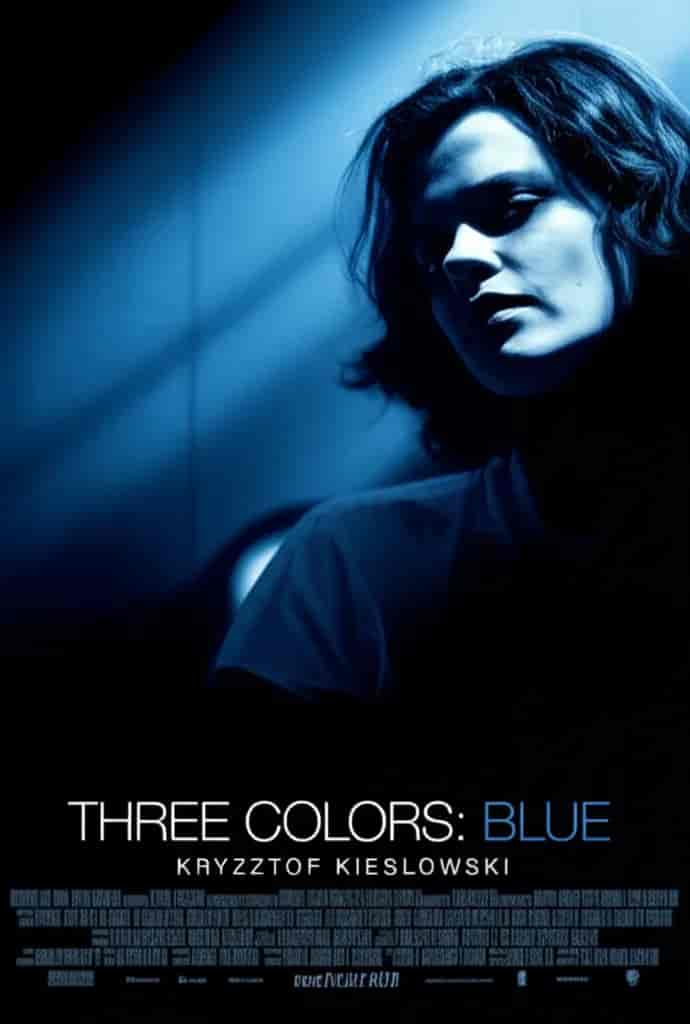
Three Colors: Blue
1993DramaDirected by Krzysztof Kieslowski

AI-generated for entertainment purposes only
Own & Stream
Synopsis
"Three Colors: Blue," a 1993 film directed by Krzysztof Kieslowski, follows the story of Julie (played by Juliette Binoche), a woman struggling to cope with the sudden loss of her husband and daughter in a tragic car accident. As she attempts to detach herself from her past life and emotions, Julie embarks on a journey of self-discovery and liberation. Through her emotional journey, she encounters various individuals who challenge her perception of love, grief, and freedom. With a hauntingly beautiful score composed by Zbigniew Preisner, the film delicately explores themes of grief, redemption, and the complexities of the human experience. Starring Juliette Binoche, "Three Colors: Blue" features a stellar cast including Zbigniew Zamachowski and Julie Delpy. This mesmerizing drama intertwines music, mystery, and profound emotions to create a visually stunning and emotionally resonant cinematic experience. Directed with finesse by Krzysztof Kieslowski, the film captivates audiences with its poetic storytelling and nuanced performances. As Julie navigates through her grief and attempts to rebuild her life, viewers are taken on a poignant and introspective journey that delves into the depths of the human soul. "Three Colors: Blue" is a masterpiece of European cinema that continues to captivate audiences with its timeless themes and artistic brilliance.
This synopsis is generated with AI assistance for entertainment purposes only. For official information, please refer to the movie's official sources.
Find Books Inspired by Three Colors: Blue
We've pre-filled the search so you can instantly explore related novels, tie-ins, and thrillers — just hit Find Books!
TML Review
TopMovieList exclusive verdict🏆
Must-Watch Masterpiece
🏆 A must-watch film that excels in all aspects of filmmaking. This cinematic achievement delivers an unforgettable experience.
Collectibles & Reads
Director

Main Cast
4 cast members


F.A.Q.
Q:What unique filmmaking technique did Krzysztof Kieslowski use in Three Colors: Blue to enhance the emotional depth?
A:
Kieslowski used a special visual technique involving the color blue to reflect the protagonist's emotional state and the theme of liberty. He employed various shades of blue throughout the film to symbolize sadness and freedom, creating a visual and emotional resonance that deepens the viewer's connection to the story.
Q:How did Juliette Binoche prepare for her intense role in Three Colors: Blue?
A:
Juliette Binoche, in preparation for her role as Julie, isolated herself from her colleagues and lived alone in an apartment similar to her character's. She also took up the study of playing the flute, even though she had no previous musical training, to authentically portray her character's connection to music.
Q:Were there any notable deleted scenes from Three Colors: Blue that changed the narrative?
A:
Yes, there were several scenes deleted from the final cut that provided deeper insights into Julie's relationship with her late husband. One significant deleted scene included a flashback that revealed more about the couple's dynamic and Julie's feelings toward her husband's success as a composer, adding layers to her grief and emotional journey.
The FAQ section is generated with AI assistance for entertainment purposes only. For official information, please refer to the movie's official sources.
Trivia
🎬The swimming pool where Julie often swims in Three Colors: Blue is actually a historically significant location in Paris, often used by filmmakers to symbolize transition and introspection.
💡Kieslowski collaborated with composer Zbigniew Preisner to create the film's score, but credited it to Van den Budenmayer, a fictitious composer invented by both of them, adding a layer of mystique to the film.
🎯During filming, Kieslowski used a unique method of lighting to achieve the film's distinctive look. He worked closely with cinematographer Slawomir Idziak to use natural light as much as possible, enhancing the realism and emotional gravity of each scene.
The trivia section is generated with AI assistance for entertainment purposes only. For official information, please refer to the movie's official sources.