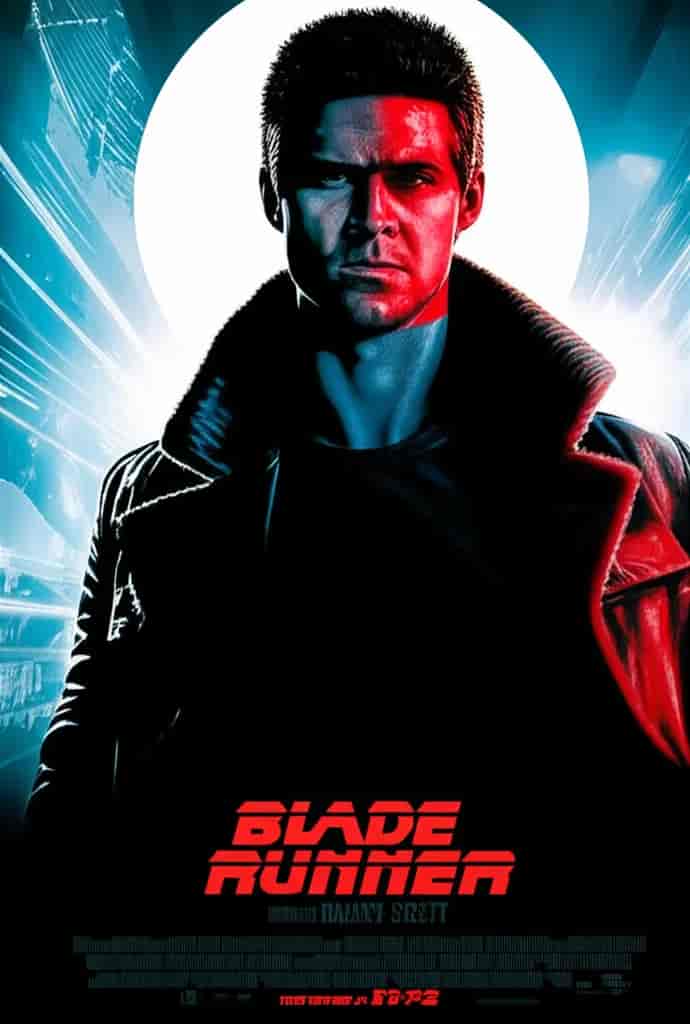
Blade Runner
1982ActionDirected by Ridley Scott
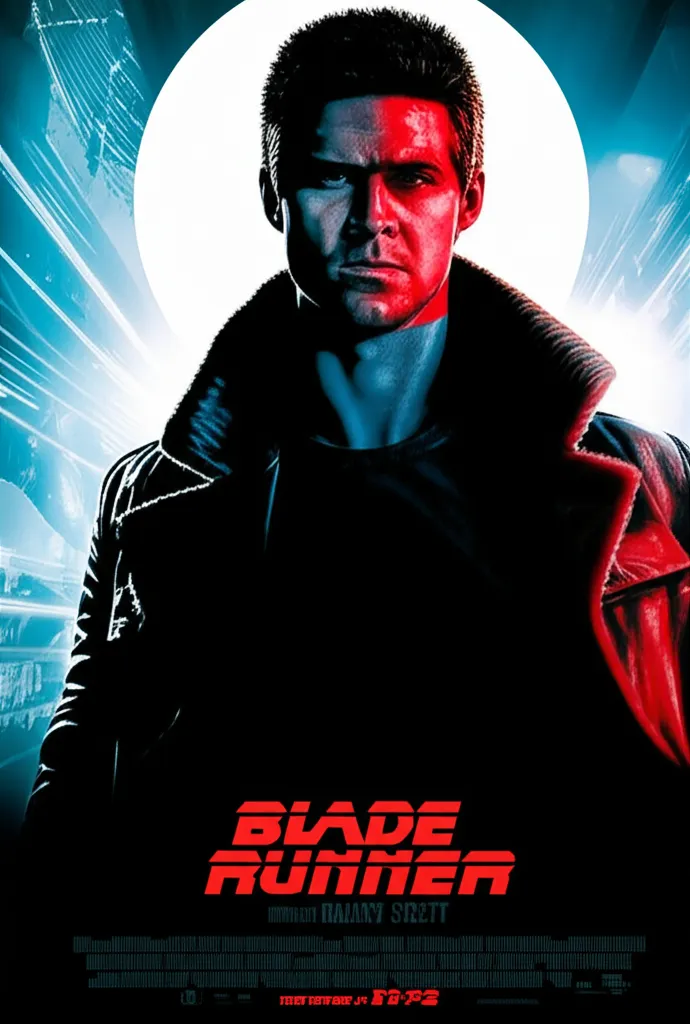
AI-generated for entertainment purposes only
Own & Stream
Synopsis
"Blade Runner," directed by Ridley Scott and released in 1982, is a groundbreaking film in the sci-fi genre. Set in a dystopian future, the movie follows Harrison Ford as Rick Deckard, a retired police officer known as a "blade runner," tasked with hunting down and eliminating bioengineered beings known as replicants. When a group of replicants led by the charismatic Roy Batty, played by Rutger Hauer, return to Earth seeking extended lifespans, Deckard is pulled back into the dangerous world he thought he left behind. With a stellar cast including Edward James Olmos and Sean Young, "Blade Runner" weaves a complex narrative exploring themes of identity, humanity, and morality against the backdrop of a visually stunning futuristic world. As Deckard delves deeper into his assignment, he is forced to confront his own beliefs and question what it truly means to be human. Full of suspense, action, and thought-provoking moments, "Blade Runner" is a must-watch for fans of sci-fi and thrillers alike, leaving viewers pondering its philosophical implications long after the credits roll.
This synopsis is generated with AI assistance for entertainment purposes only. For official information, please refer to the movie's official sources.
Find Books Inspired by Blade Runner
We've pre-filled the search so you can instantly explore related novels, tie-ins, and thrillers — just hit Find Books!
TML Review
TopMovieList exclusive verdict🏆
Must-Watch Masterpiece
🏆 A must-watch film that excels in all aspects of filmmaking. This cinematic achievement delivers an unforgettable experience.
Collectibles & Reads
Director

Main Cast
4 cast members


F.A.Q.
Q:What was one of the unique challenges the 'Blade Runner' production team faced with set lighting?
A:
During the filming of 'Blade Runner,' the production team faced significant challenges with lighting the intricate sets. Director Ridley Scott used dense, smoky atmospheres combined with harsh, directional light to create the film's iconic neo-noir look. This required innovative lighting techniques and constant adjustments to accommodate the elaborate and detailed set designs.
Q:How did Ridley Scott incorporate environmental themes into 'Blade Runner'?
A:
Ridley Scott subtly integrated environmental themes into 'Blade Runner' through the depiction of a perpetually dark, rainy, and polluted Los Angeles. This dystopian setting reflects real-world concerns about urban decay, overpopulation, and environmental degradation, serving as a grim forecast of Earth's future if such issues continue unchecked.
Q:What are the significant differences between 'Blade Runner's' theatrical cut and the director's cut?
A:
'Blade Runner' initially released a theatrical version that included a voice-over narration by Harrison Ford and a more definitive happy ending. However, Ridley Scott's Director's Cut, released in 1992, removed the narration, added the ambiguous 'unicorn dream' sequence, and presented a more open-ended conclusion, significantly altering the film's tone and thematic focus.
The FAQ section is generated with AI assistance for entertainment purposes only. For official information, please refer to the movie's official sources.
Trivia
🎬In a bid to save on budget, many of the props used in 'Blade Runner' were recycled from other films. For instance, some of the vehicles were reused and modified from the set of 'Silent Running' (1972).
💡Rutger Hauer, who played Roy Batty, improvised the iconic 'tears in rain' monologue, adding depth and poignancy to his character's final scene, which is considered one of the greatest monologues in film history.
🎯The hauntingly beautiful soundtrack by Vangelis was mostly improvised. The composer watched the footage and improvised the music on the spot to match the mood and tone of the scenes, creating one of the most memorable film scores of all time.
The trivia section is generated with AI assistance for entertainment purposes only. For official information, please refer to the movie's official sources.